






Water leaks are one of the most common—and often most damaging—chimney problems homeowners in North Texas face. Heavy rain, humidity, and sudden storms can quickly exploit weak points in a chimney system, leading to interior water damage, masonry deterioration, and costly repairs. Two components play a crucial role in preventing these issues: chimney caps and chimney flashing.
At Emerson Pro Services, we frequently observe how missing, damaged, or improperly installed caps and flashing can lead to moisture intrusion. Through professional chimney inspection, chimney cleaning, and chimney maintenance services in Dallas, we help homeowners protect their chimneys before small leaks turn into major chimney repair projects.
Table of Contents
- Why Chimney Leaks Are So Common in North Texas
- What Is a Chimney Cap and Why Does It Matter?
- What Is Chimney Flashing?
- How Caps and Flashing Work Together
- Signs Your Chimney Cap or Flashing May Be Failing
- How Chimney Inspections Identify Leak Risks
- Why Chimney Cleaning and Sweeps Support Leak Prevention
- Chimney Maintenance vs. Chimney Repair
This article explains how chimney caps and flashing work, why they’re essential for leak prevention, and how routine maintenance keeps your chimney—and home—safe and dry.
Why Chimney Leaks Are So Common in North Texas
North Texas weather creates ideal conditions for chimney leaks due to:
- Heavy seasonal rain
- High humidity
- Strong winds that drive rain sideways
- Temperature fluctuations that cause materials to expand and contract
Because chimneys extend above the roofline and are constructed from porous materials, they are particularly susceptible to water intrusion without proper protection.
What Is a Chimney Cap and Why Does It Matter?
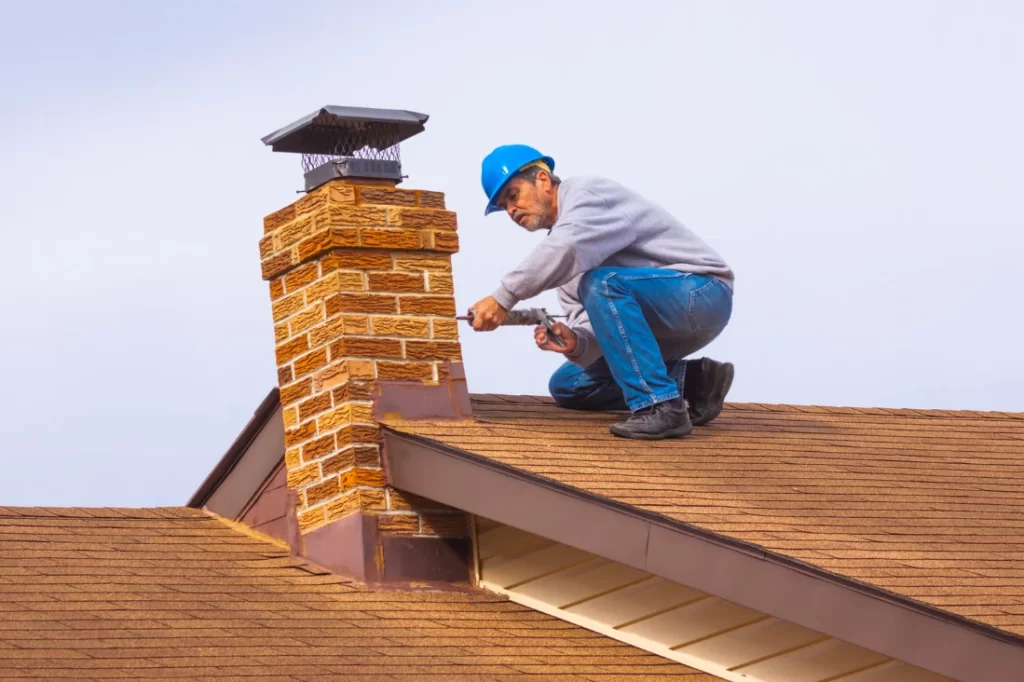
A chimney cap is a protective covering installed at the top of the chimney flue. While it may seem like a small accessory, it plays a major role in chimney performance and leak prevention.
How Chimney Caps Prevent Leaks
- Blocks rain and moisture from entering the flue
- Prevents animals and debris from nesting inside
- Reduces downdrafts that push moisture downward
- Protects chimney liners from water damage
Without a chimney cap, rainwater can flow directly into the chimney, damaging liners, dampers, and fireplace components.
What Is Chimney Flashing?
Chimney flashing is the metal barrier that seals the joint where the chimney meets the roof. Flashing creates a waterproof transition that prevents water from seeping into the roof or home interior.
Why Flashing Is Critical
- Directs water away from the chimney base
- Prevents roof and attic leaks
- Protects surrounding framing and drywall
- Maintains the structural integrity of the chimney and roof
Damaged or improperly installed flashing is one of the leading causes of chimney-related roof leaks.
How Caps and Flashing Work Together
Chimney caps and flashing protect two different—but equally important—areas of the chimney system.
- Chimney caps stop water from entering from above
- Flashing prevents water from entering at the roofline
When either component fails, water finds a way in. When both are properly installed and maintained, they create a strong defense against leaks.
Signs Your Chimney Cap or Flashing May Be Failing
Many homeowners don’t realize there’s a problem until interior damage appears. Watch for these warning signs:
- Water stains on ceilings or walls near the chimney
- Musty odors from the fireplace
- Rusted dampers or firebox components
- Pieces of metal flashing visible on the roof
- Cracked or loose flashing around the chimney
- Debris or animals inside the fireplace
If you notice any of these issues, it’s time to schedule a professional chimney inspection.
How Chimney Inspections Identify Leak Risks
A professional chimney inspection evaluates both visible and hidden components.
During inspections, technicians check:
- Chimney cap condition and fit
- Flashing attachment and seal integrity
- Masonry cracks and mortar deterioration
- Signs of moisture intrusion
- Interior fireplace and flue condition
Regular inspections help identify problems early—before water damage leads to expensive chimney repair.
Why Chimney Cleaning and Sweeps Support Leak Prevention
While often associated with fire safety, chimney cleaning and chimney sweep services also help with moisture control.
Benefits of Chimney Cleaning
- Removes creosote that traps moisture
- Clears debris that blocks airflow
- Helps chimneys dry out more effectively
- Improves overall system performance
Routine fireplace cleaning also ensures dampers function properly, reducing moisture buildup inside the firebox.
Chimney Maintenance vs. Chimney Repair
Many homeowners don’t realize how affordable preventive maintenance is compared to repairs.
Chimney Maintenance Includes:
- Chimney inspection
- Chimney sweep and cleaning
- Fireplace cleaning
- Minor adjustments and sealing
Chimney Repair Is Needed When:
- Flashing has failed
- Caps are missing or damaged
- Masonry has deteriorated
- Water has caused interior damage
Routine chimney maintenance services in Dallas significantly reduce the likelihood of major repairs.
Why DIY Fixes Often Fail
Temporary sealants or DIY flashing patches rarely last. Without proper materials and installation, water intrusion continues—often unseen—until damage becomes severe.
Professional services ensure:
- Correct materials for Texas weather
- Proper installation techniques
- Long-term leak prevention
- Code-compliant repairs
Why North Texas Homeowners Trust Emerson Pro Services
At Emerson Pro Services, we understand how critical chimney caps and flashing are in preventing leaks.
What sets us apart:
- Expert chimney inspection services
- Professional chimney sweep and cleaning
- Thorough fireplace cleaning
- Preventive chimney maintenance services in Dallas
- Reliable chimney repair solutions
We focus on protecting your home—not just fixing visible damage.
Frequently Asked Questions (FAQs)
Do all chimneys need chimney caps?
Yes. Chimney caps are essential for preventing water intrusion, debris, and animal entry.
How long does chimney flashing last?
Properly installed flashing can last many years, but inspections are needed to catch early failure.
Can chimney leaks cause interior home damage?
Yes. Leaks can damage ceilings, walls, insulation, and framing if left unaddressed.
How often should flashing and caps be inspected?
At least once per year during a professional chimney inspection.
Do you offer chimney maintenance services in Dallas?
Yes. Emerson Pro Services provides chimney inspections, chimney cleaning, chimney sweep services, and chimney repair throughout Dallas and North Texas.
Key Takeaways
- Chimney caps and flashing are essential for leak prevention
- Missing or damaged components allow water intrusion
- Regular chimney inspections catch problems early
- Chimney cleaning supports moisture control
- Preventive maintenance costs less than chimney repair
Schedule Chimney Leak Prevention Services Today
Don’t wait for water damage to reveal a problem. Emerson Pro Services offers expert chimney inspections, chimney sweeps, chimney cleanings, fireplace cleanings, and chimney repairs to protect homes in North Texas.
📞 Call 469-414-9195
🏠 www.emersonproservices.com
◦ ◦ ◦ Visit us at 16135 Preston Rd Ste 105, Dallas, TX 75248
Schedule your chimney inspection today and keep leaks out for good.