

Gutters collect leaves, twigs, roof granules, seeds, dirt, and other debris throughout the year. If this material is not removed, it can restrict water flow and cause gutters to overflow during heavy rain. The resulting water may damage fascia boards, stain exterior walls, erode landscaping, and collect near the foundation.
Professional gutter cleaning involves more than removing a few visible leaves. A thorough service should clear the gutter channels, inspect downspouts, check water flow, and identify damage affecting the system’s performance.
Here is what Garland homeowners can generally expect from a professional gutter-cleaning appointment.
An Initial Gutter Inspection
Before cleaning begins, the technician should examine the visible condition of the system. This helps locate areas with heavy buildup and identify components that may require special attention.
The initial inspection may look for:
- Leaves and organic debris
- Standing water
- Sagging gutter sections
- Loose or missing hangers
- Leaking seams
- Rust or corrosion
- Damaged gutter guards
- Separated downspouts
- Deteriorated fascia boards
- Water stains on the exterior
The inspection helps distinguish a simple clog from a larger gutter or drainage problem.
Removal of Leaves and Loose Debris
The primary part of gutter cleaning is removing accumulated material from the channels.
Common debris includes:
- Leaves
- Twigs
- Pine needles
- Seeds and flower petals
- Insect nests
- Dirt and sediment
- Roofing granules
- Small pieces of roofing material
Wet debris can become compacted and heavy. This added weight places pressure on gutter hangers and may cause the system to sag or pull away from the fascia.
Professionals remove the buildup carefully to avoid damaging the gutter finish, roof edge, or surrounding landscaping.
Clearing Debris Around Downspout Openings
Debris often collects where the gutter connects to the downspout. If the outlet is blocked, water cannot leave the channel efficiently.
A professional should remove buildup from each outlet and check whether water can enter the downspout. The technician may need to dislodge compacted leaves or sediment trapped just below the opening.
Clearing this area is essential because a clean gutter can still overflow when its outlet is blocked.
Downspout Inspection and Cleaning
Downspouts carry water from the roofline to the ground. Blockages may develop inside elbows, connections, or vertical sections where they cannot be seen from above.
Signs of a clogged downspout include:
- Little water leaving the lower outlet
- Water backing up into the gutter
- Leaking downspout joints
- Gurgling sounds during rainfall
- Water rising from an underground connection
- Overflow near the downspout opening
Professional cleaning may include flushing the downspout and disconnecting accessible sections when necessary. If the downspout is dented, separated, or damaged, the technician may recommend downspout repair.
Flushing the Gutter System
After loose debris is removed, water may be used to flush the gutters and check their performance.
Flushing can help:
- Wash away small particles
- Reveal slow-draining areas
- Confirm that downspouts are open
- Identify leaking seams
- Locate areas of standing water
- Check the gutter pitch
- Test accessible drainage connections
If water remains inside the gutter, the system may have an incorrect slope or a sagging section. Cleaning alone will not correct these structural problems.
Cleaning Gutter Guards
Gutter guards can reduce the amount of debris entering the gutters, but they do not eliminate maintenance. Leaves, dirt, pollen, and roof granules may collect on top of the guards or pass through their openings.
Depending on the design, professional service may include:
- Removing debris from the guard surface
- Lifting or temporarily removing guard sections
- Cleaning material trapped beneath the guards
- Checking for bent or loose panels
- Clearing debris around roof valleys
- Reinstalling removable components correctly
The exact process depends on the guard type and how it is attached to the gutters or roof.
Checking the Gutter Pitch
Gutters need a slight slope toward the downspouts. This allows rainwater to leave the system rather than collect inside the channels.
During cleaning, the technician may notice:
- Standing water
- Low spots
- Gutters sloping away from the downspout
- Sagging between hangers
- Water collecting near a closed end
Minor alignment issues may be corrected through gutter repair. More extensive problems may require repositioning the hangers or replacing a damaged section.
Inspecting Hangers and Fasteners
Gutter hangers secure the system to the fascia. They may loosen because of wet debris, standing water, wind, impact damage, or deteriorated wood.
Professional cleaners may visually check for:
- Loose fasteners
- Missing hangers
- Widely spaced supports
- Gutters pulling away from the home
- Bent brackets
- Damage around attachment points
Cleaning companies differ in what minor adjustments they include. Homeowners should ask whether tightening fasteners is part of the standard service or quoted separately as gutter repair.
Checking Seams, Corners, and End Caps
Sectional gutters have joints along their runs, while seamless gutters typically have connections at corners and outlets. These areas may begin leaking as sealants deteriorate or components shift.
The technician should look for:
- Open seams
- Cracked sealant
- Leaking corners
- Loose end caps
- Corrosion around connections
- Water stains beneath joints
Minor leaks may be identified during cleaning, but sealing or replacing components may require a separate repair service.
Examining the Fascia and Roof Edge
Overflowing gutters can expose the fascia and roof edge to repeated moisture. While a gutter cleaner is not necessarily providing roof or carpentry services, visible damage should be reported to the homeowner.
Possible warning signs include:
- Peeling paint
- Dark stains
- Soft or deteriorated wood
- Mold or mildew
- Gaps behind the gutter
- Loose sections along the roofline
Damaged fascia may need repair before loose gutters can be securely reattached.
Checking the Downspout Discharge Area
Water must be carried away from the house after it leaves the downspout. A complete inspection should consider where each downspout releases water.
Potential problems include:
- Missing extensions
- Damaged splash blocks
- Water flowing back toward the home
- Soil erosion
- Standing water
- Downspouts emptying onto walkways
- Backed-up underground drains
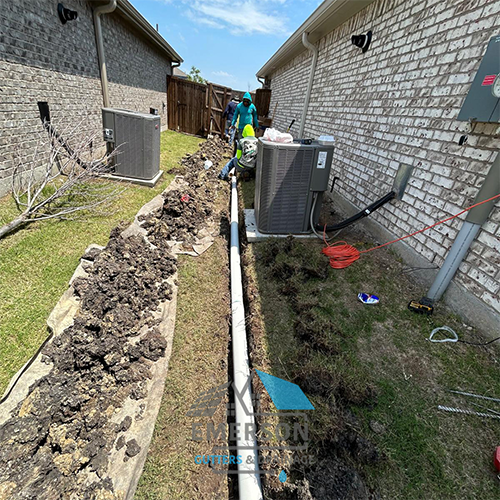
A short extension may solve a simple problem. More persistent water accumulation may require professional drainage services, such as surface drains, catch basins, French drains, or underground downspout pipes.
Cleaning Up Removed Debris
Professional service should include collecting the removed gutter debris and cleaning the work area. Leaves and mud should not be left on walkways, patios, driveways, or landscaping.
Before scheduling service, homeowners can ask whether debris removal and final cleanup are included in the quoted price.
Providing a Condition Report
After cleaning, the technician should explain any concerns discovered during the service.
The report may identify:
- Leaking joints
- Sagging sections
- Loose hangers
- Damaged downspouts
- Incorrect gutter slope
- Deteriorated fascia
- Insufficient gutter capacity
- Drainage problems
- Recommended maintenance
- Areas that may require replacement
Photos can help homeowners understand problems located above ground level. A trustworthy provider should explain which repairs are urgent and which can be monitored.
What May Not Be Included in Standard Gutter Cleaning?
Services vary by company, so homeowners should confirm what the estimate covers.
The following tasks may require separate pricing:
- Sealing leaks
- Replacing hangers
- Correcting gutter pitch
- Replacing damaged sections
- Repairing fascia boards
- Reinstalling complex gutter guards
- Cleaning underground drainage pipes
- Completing downspout repair
- Installing gutter extensions
- Providing roof repairs
- Removing large branches
- Installing new seamless gutters
A clear written estimate prevents confusion about what is included.
How Often Should Garland Gutters Be Cleaned?
Many homes benefit from professional gutter cleaning at least once or twice per year. However, the ideal schedule depends on nearby vegetation, roof condition, gutter guards, and the rate at which debris accumulates.
More frequent cleaning may be needed when:
- Mature trees surround the house
- Branches extend over the roof
- Seed pods or pine needles fall regularly
- Roof granules accumulate quickly
- Downspouts clog repeatedly
- Gutter guards collect heavy debris
- Water overflows during rain
Gutters should also be inspected after major storms, especially when wind may have deposited branches and leaves on the roof.
Why Professional Gutter Cleaning Is Worth Considering
Cleaning gutters often requires working from a ladder while handling wet, heavy debris. The risk increases on multistory homes, steep roofs, uneven ground, or properties with limited access.
Professional gutter services in Garland offer several advantages:
- Appropriate ladder and safety equipment
- Experience locating hidden blockages
- Thorough downspout cleaning
- Identification of leaks and structural problems
- Reduced risk of roof or gutter damage
- Removal and disposal of debris
- Recommendations for maintenance or repair
Homeowners should avoid climbing ladders during rain, strong wind, or when surfaces are wet.
How Cleaning Prevents Costly Repairs
Routine gutter maintenance helps prevent debris from becoming heavy enough to bend the gutters or loosen their hangers. It also gives homeowners an opportunity to address leaks before water damages the fascia or siding.
Cleaning can help reduce the risk of:
- Sagging gutters
- Clogged downspouts
- Leaking joints
- Exterior water stains
- Roof-edge deterioration
- Landscape erosion
- Foundation drainage concerns
- Premature gutter replacement
However, cleaning cannot correct gutters that are undersized, badly damaged, or improperly installed. Those systems may need professional repair or new gutter installation.
Schedule Professional Gutter Cleaning in Garland
Professional gutter cleaning should include debris removal, downspout inspection, water-flow testing, and a visual assessment of the system’s condition. This comprehensive approach helps prepare the gutters for Garland’s heavy rainfall and identifies problems before they cause costly water damage.
Emerson Pro Services provides gutter services in Garland, including cleaning, maintenance, repair, seamless installation, downspout repair, and drainage services. The team can clear your system, inspect its condition, and recommend any necessary improvements.
Contact Emerson Pro Services to schedule professional gutter cleaning for your Garland home.
For gutter guards, gutter inspections, gutter cleaning, repairs, or residential and commercial gutter installations in Garland, Texas, contact Emerson Pro Services. Visit emersonproservices.com or call
(214) 972-0811 to discuss your property’s gutter and drainage needs.
Frequently Asked Questions
Does professional gutter cleaning include downspouts?
A thorough service should check and clear accessible downspouts. Homeowners should confirm whether underground drain cleaning is included or priced separately.
Are gutter guards removed during cleaning?
Some guards may need to be lifted or removed to clean beneath them. The process depends on the guard design and installation method.
Does gutter cleaning include leak repair?
Leak repair is often a separate service. Cleaning may reveal leaking seams, damaged corners, or loose end caps that require an additional estimate.
How long does professional gutter cleaning take?
The time depends on the home’s size, number of stories, amount of debris, gutter guards, accessibility, and severity of downspout clogs.
How often should gutters be cleaned in Garland?
Many homes benefit from cleaning once or twice per year. Homes surrounded by trees or experiencing recurring clogs may need more frequent service.
Can clean gutters still overflow?
Yes. Clean gutters may overflow if they are undersized, incorrectly pitched, sagging, or connected to too few or blocked downspouts.