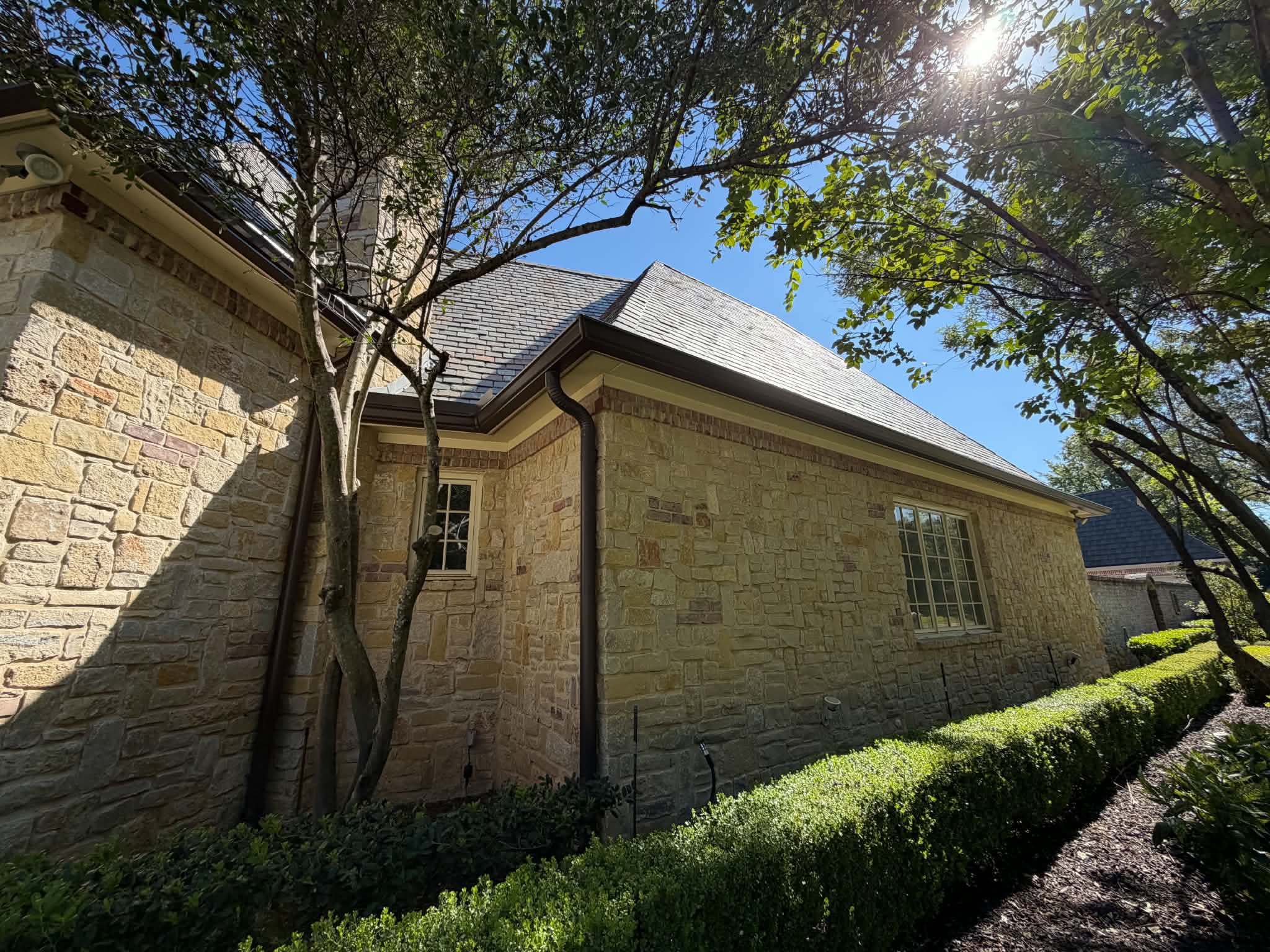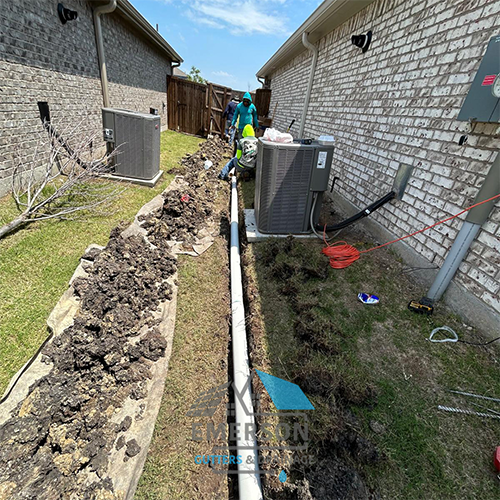


Home improvements do not always produce value in the same way. Some are primarily cosmetic, while others help reduce maintenance, protect the property, or improve everyday performance. Upgrading to seamless gutters can offer value in several of these areas by creating a cleaner roofline and a more dependable path for rainwater and melting snow.
For New Jersey homeowners, the return on investment is not limited to a future sale price. It may also include fewer leak-prone joints, improved curb appeal, reduced repair needs, and better protection for exterior surfaces and landscaping. The actual return depends on the condition of the existing system, installation quality, drainage design, materials, maintenance, and the length of time the homeowner keeps the property.
What Are Seamless Gutters?
Seamless gutters are formed from long pieces of material, usually using a machine at the property. Each straight run is measured and fabricated to fit the home’s roofline. Joints are still necessary at corners, end caps, outlets, and some complex transitions, but the long horizontal sections contain fewer seams than traditional sectional gutters.
Sectional gutters are assembled from shorter pieces connected along the roof edge. These systems can perform well when properly installed, but every additional joint creates another location that may require sealing or future gutter repair.
The reduced number of joints is one of the main reasons homeowners consider seamless systems.
Understanding ROI for a Gutter Upgrade
ROI—or return on investment—is often discussed as a percentage of the project cost recovered when a home is sold. For gutters, that narrow calculation does not tell the entire story. A functional water-management improvement may create value over time through avoided damage, reduced maintenance, better appearance, and greater buyer confidence.
The potential return from seamless gutters may include:
- Fewer horizontal joints that can develop leaks
- A custom fit for the roofline
- Improved exterior appearance
- Better coordination with roofing, siding, and trim
- More effective control of roof runoff
- Reduced need for repeated patching of an aging system
- Protection for landscaping and exterior finishes
- A well-maintained appearance for prospective buyers
These benefits are not guaranteed financial savings. The return varies by property, and even new gutters require cleaning, inspection, and occasional service.
1. Fewer Seams May Mean Fewer Leak Points
Water can escape from sectional joints when sealants age, connections loosen, or freeze-thaw cycles affect the system. Repeated leaks may lead to staining, fascia deterioration, soil erosion, or water collecting in unwanted areas.
Because seamless gutters have fewer joints along straight runs, they reduce the number of places where this type of leak can develop. Corners, outlets, and end caps still need proper sealing, but a well-installed seamless system may require fewer joint-related repairs over its service life.
The value comes from avoiding repeated patching and reducing the likelihood that unnoticed leaks will affect nearby materials.
2. Custom Fabrication Supports Better Fit
During professional gutter installation, seamless sections are measured for the home rather than assembled from standard short lengths. This tailored approach can create straighter lines, fewer transitions, and a more consistent appearance.
A custom fit also allows the installer to plan:
- Gutter size
- Proper slope
- Hanger spacing
- Corner configuration
- Outlet locations
- Downspout quantity and placement
- Connections to drainage solutions
The value of custom fabrication depends on proper planning. A seamless gutter that is too small, incorrectly pitched, or connected to inadequate downspouts can still overflow.
3. Improved Curb Appeal Can Support Perceived Value
Gutters frame the roofline and are visible from the street. Sagging, faded, leaking, or mismatched sections can make a well-maintained home appear neglected.
New seamless gutters can improve curb appeal through:
- Long, uninterrupted lines
- Coordinated colors and finishes
- Neatly positioned downspouts
- Removal of stained or corroded sections
- Better alignment with the fascia
- A more finished appearance after roofing or siding work
Buyers may not assign a specific dollar amount to new gutters, but an orderly exterior can contribute to the impression that the home has been maintained responsibly.
4. Better Water Management May Help Avoid Expensive Problems
The most important value of any gutter system is its ability to collect and redirect runoff. When water repeatedly spills over or drains beside the house, it can contribute to erosion, damaged landscaping, stained siding, deteriorated trim, slippery walkways, and moisture around the foundation.
A complete gutter and drainage strategy carries water through correctly sized gutters and downspouts to an appropriate discharge area. Depending on the property, the system may use:
- Downspout extensions
- Underground piping
- Catch basins
- Surface drains
- French drains where suitable
- Grading improvements
Seamless gutters provide only the roofline portion of this path. If the discharge design is poor, the homeowner may continue to experience pooling even after new gutters are installed.
5. Reduced Repair Frequency Can Improve Long-Term Value
An older sectional system may need recurring work at joints, brackets, corners, and downspout connections. One small repair may be reasonable, but repeated service calls can add cost without correcting broader deterioration or poor design.
Upgrading may offer better long-term value when:
- Leaks occur at multiple joints
- Several sections sag
- Corrosion or cracking is widespread
- The gutters are undersized for the roof
- Downspouts are poorly located
- Repairs no longer provide lasting results
- Replacement is already needed for an exterior renovation
When damage is isolated and the system is otherwise sound, gutter repair may remain the more economical choice. A professional inspection can help compare the near-term cost of repair with the longer-term value of replacement.
6. Seamless Gutters Can Complement Other Exterior Projects
Homeowners often replace gutters while updating the roof, siding, fascia, soffit, or exterior paint. Coordinating these projects can produce a more polished result and prevent new finishes from being undermined by leaking or overflowing gutters.
For example, installing new siding while keeping a deteriorated gutter system may expose the upgraded exterior to runoff stains or repeated splashing. New gutters in a coordinating color can help protect the renovation and complete the visual transformation.
Project timing matters. Gutters are often removed before fascia repairs or roof-edge work and installed after those surfaces are ready. Discuss the sequence with all contractors before work begins.
7. Material and Finish Choices Affect the Return
The cost and potential value of seamless gutters vary by material.
Aluminum
Aluminum is commonly used because it is lightweight, corrosion-resistant, and available in many factory-applied colors. It provides a practical balance of appearance, durability, and cost for many New Jersey homes.
Steel
Steel offers additional strength but may be heavier and more vulnerable to corrosion if its protective coating is damaged. Maintenance and coastal exposure should be considered.
Copper
Copper provides a distinctive architectural appearance and develops a natural patina over time. It usually carries a higher upfront cost, so its return may be driven more by aesthetics, longevity expectations, and suitability for the home than by direct resale recovery.
The most expensive material is not automatically the best investment. The right choice should fit the home’s architecture, exposure, budget, and expected maintenance.
8. Gutter Guards May Add Convenience—but Not Eliminate Maintenance
Gutter guards can reduce the amount of leaves and larger debris entering the gutter channel. For New Jersey properties with heavy tree coverage, this may reduce how quickly the system clogs and make routine maintenance more manageable.
Guards may contribute to the overall value of the upgrade when they:
- Match the debris conditions around the home
- Allow adequate water entry
- Remain securely attached during storms
- Are compatible with the roof and gutter profile
- Can be inspected and cleaned safely
Gutter guards do not make gutters maintenance-free. Fine debris, pollen, roof granules, and small seeds may enter the system or collect on top. Periodic gutter cleaning and inspection are still necessary.
9. Maintenance Protects the Investment
Even the best system can fail prematurely if it is ignored. Maintenance preserves flow, appearance, and attachment to the home.
A practical plan includes:
- Inspecting gutters at least seasonally
- Scheduling cleaning based on nearby trees
- Checking the system after major storms
- Removing debris from guard surfaces
- Confirming that downspouts drain freely
- Looking for standing water or incorrect slope
- Checking hangers, corners, and end caps
- Monitoring discharge areas for erosion or pooling
New Jersey homes often require particular attention after autumn leaf drop and after winter weather. Cleaning frequency should reflect the individual property rather than a universal schedule.
10. Professional Installation Is Central to ROI
The material alone does not determine performance. Poor installation can lead to overflow, standing water, loose gutters, leaks, and drainage problems regardless of whether the system is seamless.
Experienced gutter contractors should evaluate:
- Roof size and pitch
- Roof valleys and concentrated runoff
- Gutter dimensions
- Required slope
- Hanger type and spacing
- Fascia condition
- Downspout capacity
- Safe discharge locations
- Existing property drainage
Correct sizing and placement help the system manage New Jersey rain, leaves, snowmelt, and freeze-thaw conditions. Professional installation also improves the likelihood of a straight, visually consistent roofline.
Calculating the Practical Return
Homeowners can evaluate the potential ROI by comparing the installed cost with the problems the project is expected to solve.
Consider these questions:
- How often does the current system require repair?
- Are leaks staining siding or damaging fascia?
- Does overflow affect landscaping or walkways?
- Are the gutters too small or poorly positioned?
- Is exterior renovation already planned?
- How long do you expect to own the home?
- What maintenance will the new system require?
- Does the proposal include adequate downspouts and drainage?
Instead of assuming a fixed payback percentage, compare complete quotes, expected service life, maintenance obligations, and the cost of leaving existing problems unresolved.
When Seamless Gutters May Offer the Best Value
An upgrade may be particularly worthwhile when:
- The existing gutters have many leaking joints
- Repairs are becoming frequent
- The home has long roof runs
- The system is visibly sagging or mismatched
- The exterior is being renovated
- Roof runoff overwhelms the current gutters
- The homeowner plans to stay long enough to benefit from the upgrade
- A cleaner, coordinated roofline is a priority
The project may offer less immediate value when the current system is relatively new, properly sized, and only needs a small repair. An honest assessment should distinguish between necessary replacement and a repairable problem.
Choosing a Gutter Company in New Jersey
When comparing a gutter company in New Jersey, ask for more than a price per linear foot. The estimate should explain what is included and how the design addresses the home’s roof and drainage conditions.
Ask potential contractors about:
- Gutter material, size, gauge, and profile
- On-site seamless fabrication
- Hanger type and spacing
- Downspout quantity and placement
- Fascia repairs or exclusions
- Gutter guard options
- Connections to drainage solutions
- Removal and disposal of the old system
- Product and workmanship coverage
- Recommended maintenance
A detailed proposal makes it easier to compare value and avoid unexpected costs.
Improve Long-Term Performance With Emerson Pro Services
The ROI of seamless gutters comes from a combination of performance, reduced leak points, curb appeal, and protection for the surrounding property. The strongest return is achieved when the system is designed as part of a complete water-management plan rather than treated as a decorative roof accessory.
Emerson Pro Services provides seamless gutter installation, repair, cleaning, and guards, as well as gutter and drainage solutions for New Jersey homeowners. The team can evaluate the existing system, roof runoff, downspouts, and discharge areas before recommending an appropriate upgrade.
Contact Emerson Pro Services to schedule an assessment and determine whether seamless gutters are a practical investment for your New Jersey home.
Contact Details:
769 US-9 Hwy Unit 3B, Berkeley Township, New Jersey
732-913-3871 / 732-647-9850
Frequently Asked Questions
Are seamless gutters worth the investment?
They can be, especially when the current gutters have repeated joint leaks, sagging sections, poor capacity, or an outdated appearance. Their value depends on installation quality, material, drainage design, maintenance, and how long you keep the home.
Do seamless gutters increase home value?
New gutters may improve curb appeal and show buyers that the exterior has been maintained, but there is no guaranteed dollar-for-dollar increase in sale price. Their main value often comes from performance and property protection.
Are seamless gutters completely leak-proof?
No. They have fewer joints along straight runs, but corners, outlets, and end caps still require sealing and inspection. Damage or poor installation can also cause leaks.
How long do seamless gutters last?
Service life varies with material, installation quality, weather exposure, maintenance, tree coverage, and physical damage. Regular cleaning and timely repairs can help extend useful life.
Do seamless gutters need gutter guards?
Not necessarily. Guards may be helpful on properties with heavy leaf or pine-needle debris, but the correct choice depends on the roof and surrounding trees. All systems still require inspection and cleaning.
Should drainage improvements be included with gutter installation?
They should be considered whenever downspouts release water near the home, create erosion, or contribute to pooling. Gutters perform best when the discharge system carries runoff to a suitable location.