






Table of Contents
Your gutter system plays a vital role in managing rainwater and protecting your home’s foundation, siding, and landscaping. But even a well-built gutter system can fail if one critical detail is overlooked: proper slope.
The gutter slope—also called gutter pitch—is the angle at which gutters are installed to ensure water flows smoothly toward the downspouts. When the slope is incorrect, even by a fraction of an inch, water cannot drain effectively. This leads to clogs, overflow, sagging, leaks, and eventually costly water damage.
Unfortunately, improper gutter slope is one of the most common installation mistakes, especially with DIY installations or poorly trained contractors. In Texas, where heavy storms and sudden downpours are common, the consequences multiply quickly.
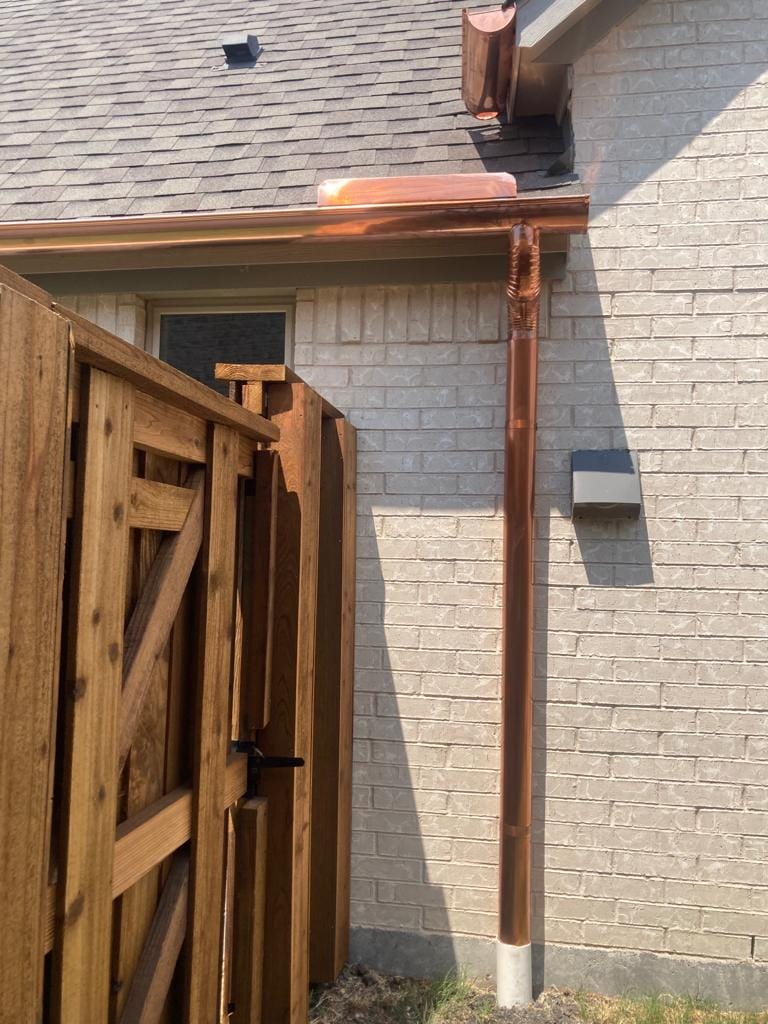
In this guide, Emerson Pro Services explains how gutter slope issues develop, the damage they cause, and how to prevent them with professional installation.
What Is Gutter Slope—and Why Does It Matter?
Gutters should never be perfectly level. Instead, they need a slight downward angle toward the nearest downspout—typically ¼ inch for every 10 feet of gutter length.
This slope allows:
- Water to flow steadily through the gutter system
- Debris to wash toward the downspouts rather than settling
- Pressure to distribute evenly throughout the gutter run
If the slope is too steep, water rushes too quickly and overflows.
If it’s too shallow—or worse, sloped in the wrong direction—water pools inside the gutter.
Either scenario leads to significant drainage problems.
Signs Your Gutter Slope Is Incorrect
Most homeowners aren’t checking gutter angles with a level—but you can spot slope issues by looking for these symptoms:
1. Standing Water in the Gutters
If water sits in your gutters after a rainstorm—or even days later—this is a clear sign the slope is incorrect.
2. Water Overflow During Moderate Rainfall
Improper slope causes water to spill over the sides because it can’t move through the system fast enough.
3. Sagging or Bowing Gutters
Pooling water is heavy. Over time, it weighs down sections and causes them to sag, making the slope even worse.
4. Water Flowing the Wrong Direction
Sometimes water flows away from the downspouts, creating puddles and leaks in the middle of the gutter run.
5. Leaks at Seams and Joints
Standing water erodes seals and metal coatings, eventually causing cracks and leaks—often mistaken for age-related gutter damage.
6. Frequent Clogs
Incorrect slope traps debris instead of directing it toward the downspouts.
If you’ve noticed any of these issues, improper slope is likely contributing.
How Improper Gutter Slope Leads to Major Drainage Problems
Poor gutter pitch doesn’t just inconvenience your home—it puts your entire property at risk. Here’s what can happen when slope issues go unaddressed.
1. Foundation Damage
The #1 danger of improper slope is water pooling near the foundation.
When gutters overflow or drain backward:
- Water saturates the soil
- Soil expands and contracts
- Pressure builds against the foundation
This leads to cracking, settling, and even basement leaks.
Texas clay soils exacerbate the issue further because they swell dramatically when wet.
2. Roof and Fascia Damage
Overflowing water often runs behind the gutter system instead of through it. This can cause:
- Rotting wood fascia
- Mold growth
- Shingle deterioration
- Ice expansion damage in colder months
Even newly installed roofing systems are vulnerable.
3. Soil Erosion and Landscaping Damage
Improper slope causes water to dump heavily in the wrong areas, washing away:
- Flower beds
- Mulch
- Decorative stone
- Fresh sod or turf
It also creates channeling, where trenches form in the soil from repeated runoff.
4. Gutter Sagging and Structural Failure
Water weighs about 8 pounds per gallon.
If your gutters retain water instead of moving it along, sagging becomes inevitable.
Once gutters sag, slope issues worsen, creating a vicious cycle.
5. Mold, Mosquitoes, and Pest Problems
Standing water attracts:
- Mosquitoes
- Ants
- Termites
- Wood-boring insects
Plus, moisture trapped around your home encourages mold and mildew—inside and outside.
Why Improper Gutter Slope Happens
Even a minor installation mistake can cause long-term slope problems. The most common causes include:
1. DIY or Unskilled Installation
Improper measuring, leveling, and hanger placement lead to gutter failure within months.
2. Natural Settling of the Home
As soil shifts, the home moves—and gutters shift with it.
3. Loose or Missing Hangers
When hangers fail, certain sections drop, disrupting the slope.
4. Heavy Debris Buildup
Weight from leaves or mud warps sections, causing dips and low points.
5. Temperature Expansion and Contraction
Texas heat causes metal gutters to expand and contract, affecting slope over time.
How to Prevent Improper Gutter Slope
Preventing slope problems starts with correct installation—something only trusted professionals provide. Here’s how to ensure your gutter system performs reliably for years.
1. Choose Professional Gutter Installation
A skilled team like Emerson Pro Services ensures:
- Correct slope (¼ inch fall per 10 feet)
- Proper downspout placement
- Secure hanger spacing
- Correct gutter size for rainfall volume
- Leak-free seams (or better, seamless gutters)
Professional installation eliminates the #1 reason slope issues occur: incorrect setup.
2. Install Seamless Gutters
Seamless gutters reduce:
- Sagging
- Leaks
- Joint failures
- Material weaknesses
Because there are fewer points of connection, slope stays more consistent over time.
3. Schedule Regular Gutter Maintenance
Routine maintenance prevents debris buildup and sagging.
Emerson Pro Services recommends:
- Twice-yearly cleanings
- Post-storm inspections
- Checking hangers and brackets
- Evaluating downspout flow
This protects your gutter slope—and your home.
4. Add Gutter Guards
Gutter guards help maintain proper slope by preventing:
- Debris accumulation
- Heavy buildup that causes sagging
- Weight-related hanger damage
Fewer blockages mean smoother water flow and fewer slope adjustments.
5. Fix Sagging Gutters Early
A sagging section can be re-pitched if caught early.
Ignoring it leads to full system failure.
Why Trust Emerson Pro Services for Proper Gutter Installation
Emerson Pro Services brings years of experience installing and repairing gutters across Texas. Their professional technicians ensure your gutter system is:
✔ Correctly sloped
✔ Strongly supported with premium hangers
✔ Designed for Texas weather
✔ Built with seamless construction
✔ Paired with effective downspouts and drainage solutions
Whether you need adjustment, repair, or full replacement, Emerson ensures your system protects your home from costly water damage.
Key Takeaway
Improper gutter slope may seem like a small issue, but it can cause significant drainage problems—from foundation damage to roof leaks and soil erosion. With proper installation, regular maintenance, seamless gutter upgrades, and professional inspections, you can prevent slope issues and keep your home safe year-round.
Call Emerson Pro Services Today
If you suspect your gutters aren’t draining like they should, don’t wait until the next storm exposes the problem.
For Fort Worth residents, Emerson Gutters & Drainage is the go-to solution for all your gutter maintenance needs. Located at 702 Houston St, Suite 128, Fort Worth, TX 76102, they are just a call away at 817-623-4668.
For a fuss-free installation, visit their website at www.emersonproservices.com to learn more about their services and schedule an appointment online.