

Cooler evenings often remind homeowners that fireplace season is approaching. Before lighting the first fire, it is important to know whether the chimney is clean, structurally sound, and properly venting smoke and combustion gases. That makes early fall one of the most practical times to arrange chimney inspections in New Jersey.
A fall inspection can identify soot or creosote buildup, animal nests, damaged masonry, missing caps, flashing leaks, and other concerns before regular fireplace use begins. It also gives homeowners time to schedule cleaning or repairs before freezing temperatures, snow, and holiday demand make service more difficult.
Why Fall Timing Makes Sense
Chimney problems can develop during any season. Spring rain, summer storms, humidity, nesting animals, and year-round temperature changes may affect the system even when the fireplace is not being used.
By scheduling an inspection in fall, homeowners can:
- Check the chimney before the heating season
- Identify damage caused by the previous winter or summer storms
- Remove certain debris or buildup before lighting a fire
- Complete repairs before snow and ice arrive
- Confirm that the cap, crown, flashing, and masonry are intact
- Reduce the chance of discovering a problem during the first cold night
- Avoid some of the scheduling pressure that occurs later in the season
Fall is not the only acceptable time for an inspection. However, it provides a useful transition between months of limited use and the beginning of frequent fireplace operation.
A Chimney Inspection Evaluates More Than Cleanliness
Many homeowners think an inspection is the same as chimney cleaning, but they are different services. Cleaning removes soot, creosote, and certain obstructions from the flue. An inspection evaluates accessible parts of the chimney, fireplace, venting system, and exterior structure for condition and proper operation.
Depending on the system and type of inspection, a professional may evaluate:
- Firebox condition
- Damper operation
- Smoke chamber and flue accessibility
- Chimney liner
- Soot and creosote accumulation
- Signs of animal or debris blockage
- Chimney crown
- Chimney cap or spark arrestor
- Exterior brick and mortar
- Flashing at the roofline
- Evidence of leaks or moisture
- Clearance and visible connection concerns
If cleaning or repair is needed, the technician should explain the findings and recommend an appropriate next step.
Fall Inspections Help Prepare for Fireplace Season
A fireplace that worked last winter should not automatically be assumed ready for the next season. Debris may have entered the chimney, moisture may have damaged masonry, and metal components may have rusted or shifted.
Before regular use begins, an inspection can help determine whether the chimney has conditions that could interfere with venting or safe operation. This is especially important if:
- The fireplace has not been used for a long time
- The home was recently purchased
- The chimney’s maintenance history is unknown
- Smoke entered the room during previous use
- The fireplace produced unusual odors
- A chimney fire may have occurred
- Roofing or remodeling work was completed nearby
Good fireplace safety starts with understanding the current condition of the system rather than relying on how it performed in the past.
Creosote and Soot Can Accumulate Over Time
Wood-burning fireplaces produce smoke containing particles and vapors that may condense inside the chimney as creosote. The amount and form of buildup depend on fuel quality, fire temperature, airflow, chimney condition, and usage.
Creosote is combustible. If enough accumulates and the temperature becomes high enough, it may ignite. A fall inspection can help determine whether professional sweeping is needed before the fireplace is used regularly.
Signs that may accompany buildup include:
- Strong smoky or tar-like odors
- Dark deposits around accessible areas
- Reduced draft
- Smoke spilling into the room
- Flaking material in the firebox
Homeowners should not attempt to judge the entire flue by looking only into the firebox. Much of the chimney is hidden from view.
Animals and Debris May Block the Flue
Birds, squirrels, raccoons, insects, leaves, and nesting material can enter an uncovered or damaged chimney during warmer months. A blockage may restrict airflow and create odors or smoke problems when the fireplace is used.
A fall inspection can identify visible obstructions before the first fire. If the chimney cap is missing, loose, corroded, or incorrectly sized, chimney cap installation may help reduce future entry of water, animals, and debris.
A cap must be appropriate for the flue and appliance. Improvised screens or poorly fitted covers may interfere with venting.
Summer Storms Can Damage Caps, Crowns, and Flashing
Wind, heavy rain, falling branches, and temperature changes may loosen chimney caps or damage exterior components. These problems are easy to overlook when the fireplace is not in use.
An exterior inspection may reveal:
- A missing or tilted cap
- Cracks in the chimney crown
- Loose or corroded flashing
- Damaged mortar joints
- Spalled bricks
- Stains suggesting water entry
- Loose roofing around the chimney
Finding these problems in early fall leaves more time for chimney repair before winter precipitation and freeze-thaw cycles worsen the damage.
Fall Is a Good Time to Address Chimney Leaks
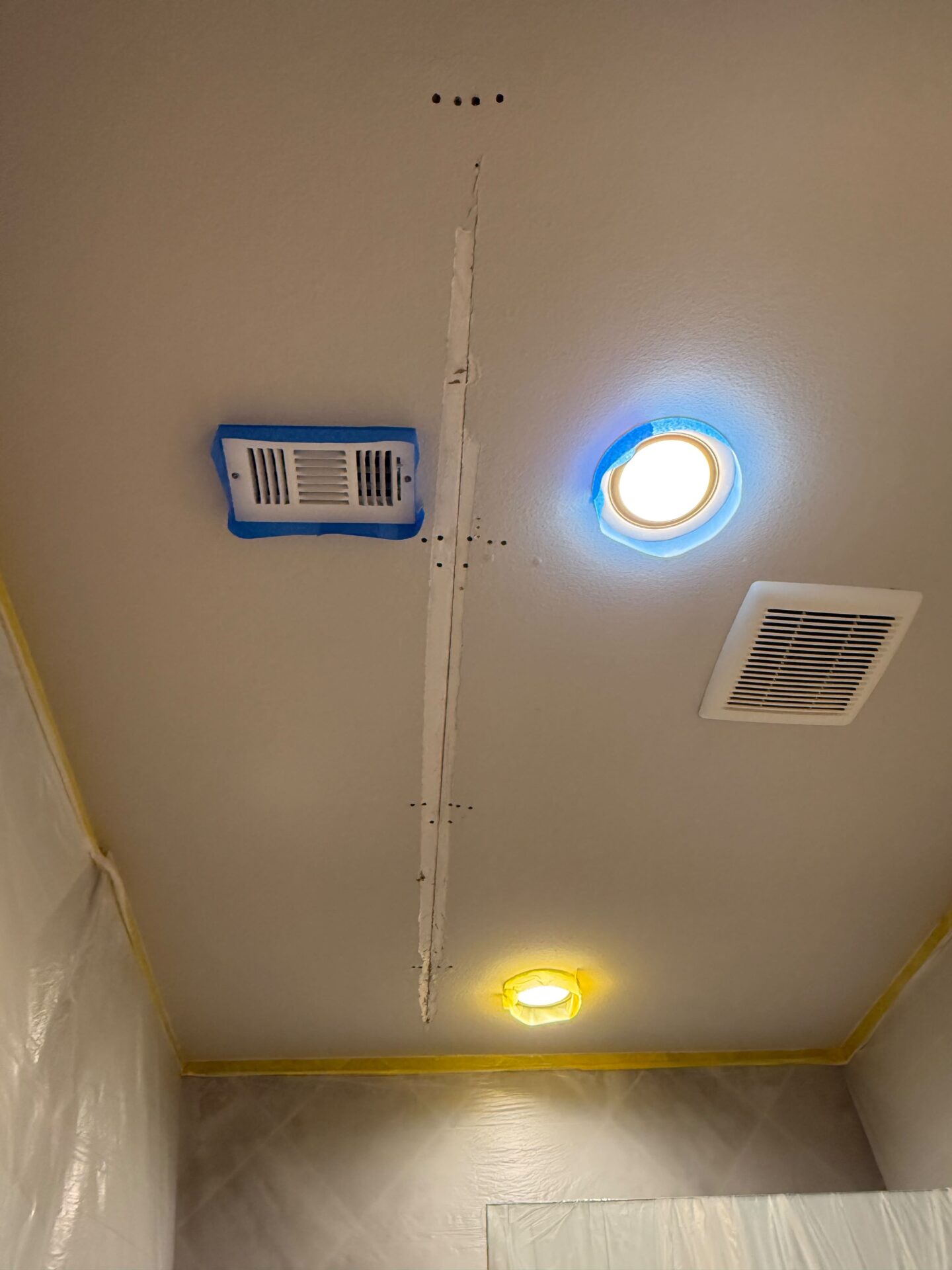
Water can enter through failed flashing, damaged crowns, open mortar joints, porous masonry, missing caps, or nearby roofing defects. A chimney leak may appear as a ceiling stain, damp attic insulation, peeling paint, rust, or musty odors.
Scheduling chimney leak repair before winter is valuable because trapped moisture can freeze and expand inside masonry cracks. Repeated freezing and thawing may widen openings and contribute to brick and mortar deterioration.
Leak repair begins with diagnosis. Applying sealant to a visible gap without confirming the source may provide only temporary relief or divert water elsewhere.
Masonry Repairs Are Easier Before Harsh Winter Conditions
Brick and mortar are exposed to rain, snow, and temperature changes. When mortar joints crumble or bricks crack, moisture can enter the chimney structure.
Early fall conditions may provide a better window for certain fireplace masonry and exterior chimney repairs than midwinter weather. Products and methods have temperature and moisture requirements, and icy roof conditions can make access unsafe.
Common masonry work may include:
- Repointing deteriorated mortar joints
- Replacing spalled or cracked bricks
- Repairing or rebuilding a damaged crown
- Correcting loose masonry near flashing
- Applying suitable water-repellent treatment after repairs
- Rebuilding unstable sections when necessary
The repair approach should address the cause of the damage and use materials compatible with the existing masonry.
Inspections Can Reveal Flashing Problems Before Snow Arrives
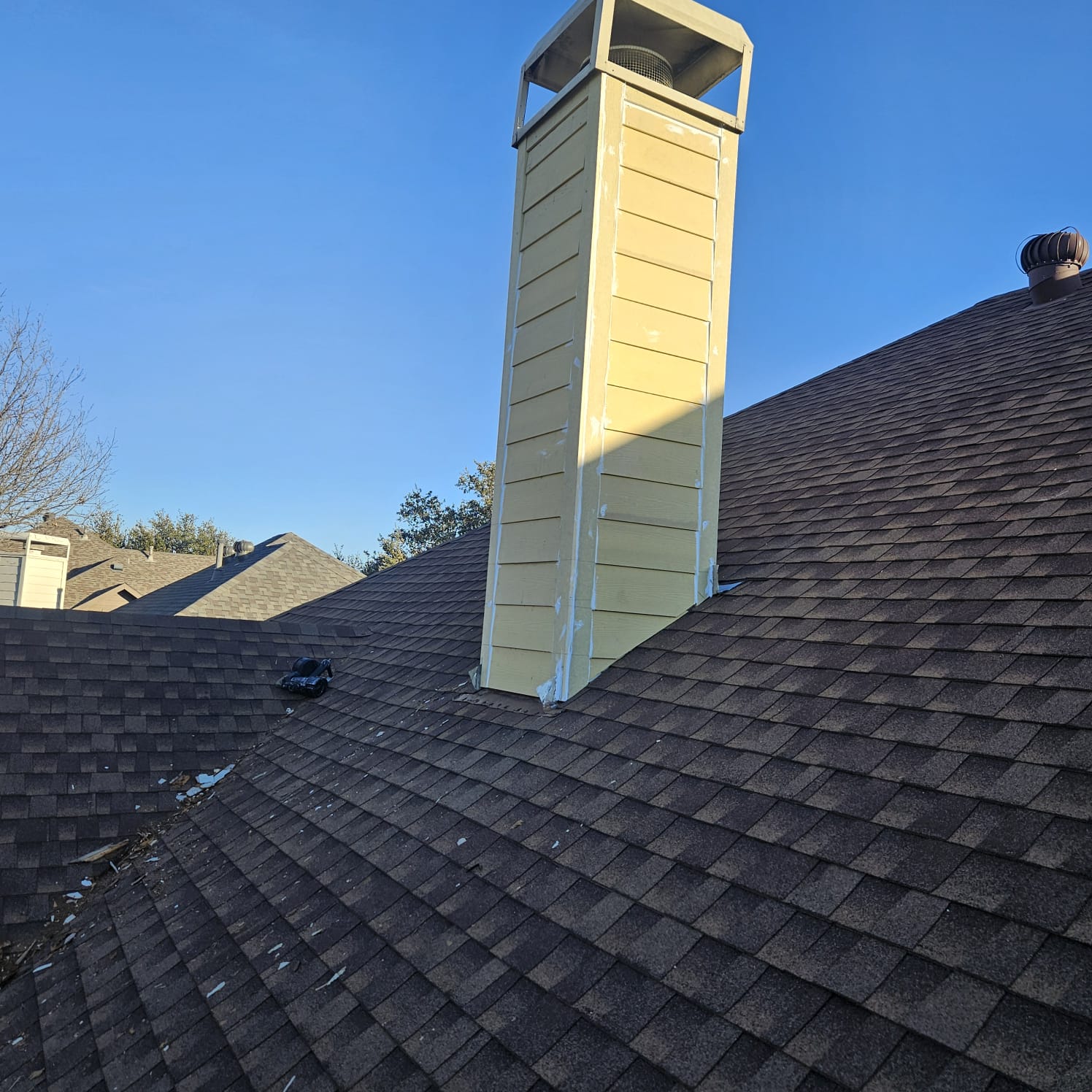
Flashing seals the intersection between the chimney and roof. Loose metal, cracked sealant, corroded sections, or damaged masonry around the counter flashing can allow rain and snowmelt into the home.
Once snow covers the roof, inspection and repair may become more difficult. Water can also freeze around existing openings and worsen separation.
During a fall inspection, professionals can check:
- Base flashing
- Step flashing
- Counter flashing
- Corners and seams
- Sealant condition
- Nearby shingles
- The uphill side of the chimney
- Interior attic areas for moisture evidence
Timely repairs help prepare the chimney-roof connection for winter precipitation.
What Fireplace Cleaning May Include
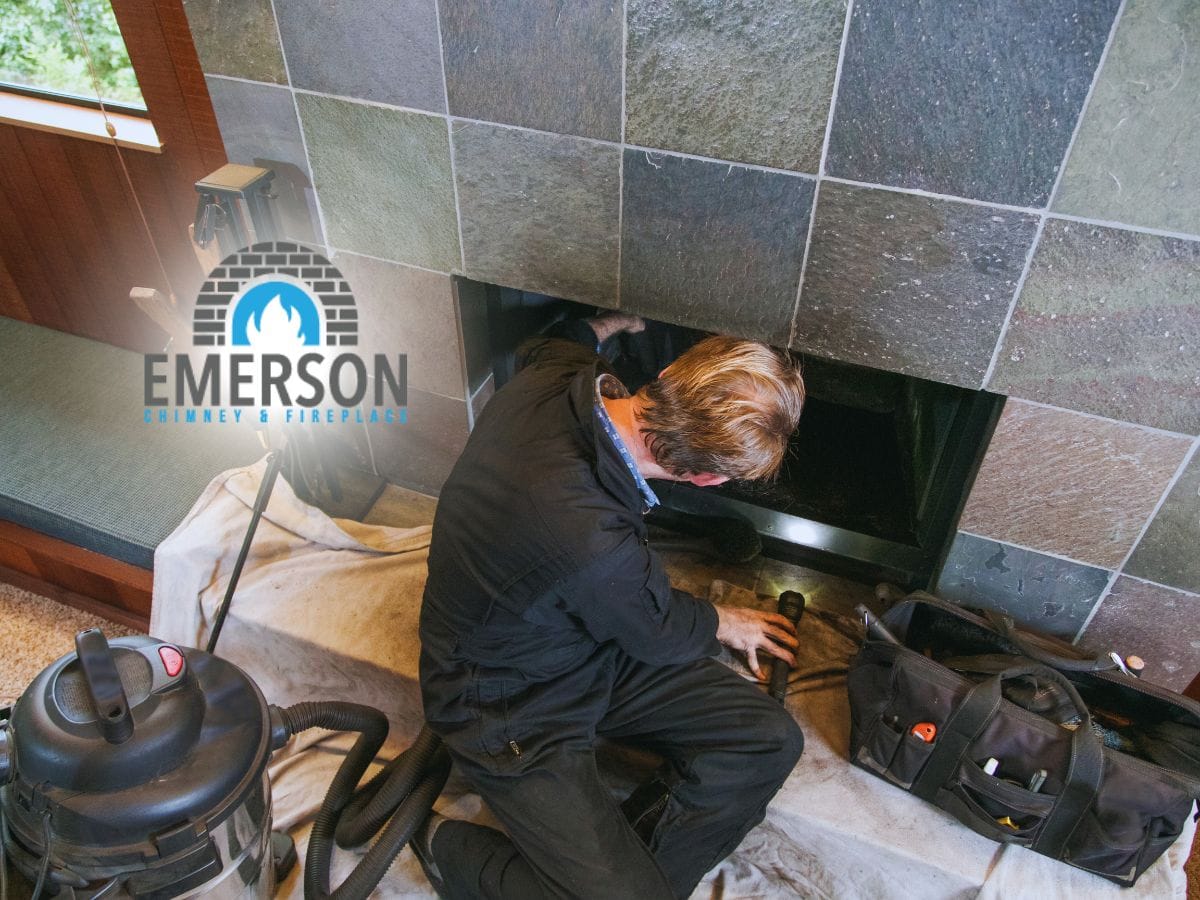
The term fireplace cleaning can mean different things. Some services focus on soot and ash in accessible areas of the firebox and hearth, while chimney sweeping addresses deposits and obstructions inside the venting system.
Before scheduling, ask what the service includes. A complete appointment may involve some combination of:
- Removing accessible ash and debris
- Protecting the surrounding room
- Sweeping the flue where appropriate
- Cleaning selected smoke chamber or firebox surfaces
- Inspecting accessible components
- Documenting visible defects
Cleaning improves appearance and removes certain deposits, but it does not repair cracked liners, damaged masonry, leaking flashing, or other structural concerns.
Signs You Should Not Wait Until Fall
Fall is a convenient time for routine service, but some conditions require prompt attention regardless of the season.
Contact a chimney professional if you notice:
- Smoke or fumes entering the room
- A carbon monoxide alarm activation
- Falling brick or mortar
- Visible leaning or separation
- Significant water entry
- A suspected chimney fire
- Loud cracking or popping followed by damage
- A blocked flue
- A damaged appliance connection
If there is smoke, fire, a strong gas odor, or an immediate safety concern, stop using the system, leave the home when appropriate, and contact emergency services or the relevant utility provider.
How Fall Chimney Service Supports Fireplace Safety
An inspection cannot replace safe fireplace habits, but it provides important information about the system’s condition before use.
Homeowners should also:
- Burn only suitable, properly seasoned firewood in wood-burning fireplaces
- Keep combustible objects away from the hearth
- Use an appropriate fireplace screen
- Never leave a fire unattended
- Dispose of ashes in a metal container after they are fully cooled
- Keep smoke and carbon monoxide alarms operational
- Follow appliance and manufacturer instructions
- Stop use if smoke does not draft properly
Gas fireplaces and other appliances also require appropriate inspection and maintenance. They may not create wood creosote, but venting, combustion, glass, ignition, and component concerns can still develop.
Benefits of Scheduling Before the Busy Season
Many homeowners think about chimneys only when temperatures drop sharply. As a result, appointment demand can rise during late fall and early winter.
Scheduling earlier may provide:
- More flexibility in appointment timing
- Additional time to obtain repair estimates
- A better opportunity to complete masonry or flashing work
- Less disruption before holidays or cold weather
- Confidence that the fireplace has been evaluated before regular use
If the inspection identifies a complex repair, the homeowner has time to plan rather than choosing between delaying fireplace use and rushing the project.
What to Expect During a Fall Chimney Inspection
The exact process depends on the chimney, appliance, accessibility, and inspection level. In general, a technician may:
- Ask about fireplace use, maintenance history, leaks, odors, and performance.
- Inspect accessible interior components.
- Evaluate visible portions of the flue or liner using appropriate methods.
- Check exterior masonry, crown, cap, and flashing where safely accessible.
- Look for soot, creosote, obstructions, moisture, and deterioration.
- Explain findings and recommend cleaning, repair, or further evaluation.
Homeowners should receive clear information about what was inspected and which areas were inaccessible.
When Chimney Cleaning Is Recommended
Cleaning needs depend on the type of fireplace or appliance, the fuel, how often it is used, and the amount of deposit present. An inspection helps determine whether sweeping is appropriate.
Cleaning may be recommended when:
- Creosote or soot has accumulated
- Debris or nesting material is present
- Draft is restricted by removable deposits
- The flue has not been serviced for an extended period
- The maintenance history is unknown
Cleaning should not be presented as a cure for all chimney problems. If the liner is cracked, masonry is loose, or water is entering, those conditions require separate repair.
Choosing Chimney Services in New Jersey
When comparing chimney services in New Jersey, ask the provider to explain the scope of the inspection, cleaning, and recommended repairs.
Useful questions include:
- What portions of the chimney will be inspected?
- Is cleaning included or quoted separately?
- Will exterior masonry and flashing be evaluated?
- How are findings documented?
- What repairs are considered urgent?
- Does chimney cap installation include correct sizing and attachment?
- Are masonry materials compatible with the existing chimney?
- What preparation or access is required?
Clear answers help homeowners understand what they are purchasing and avoid confusing inspection, cleaning, and repair as one interchangeable service.
Schedule Fall Chimney Service With Emerson Pro Services
Fall provides a practical opportunity to identify chimney problems before cold weather and regular fireplace use. An inspection can reveal creosote buildup, obstructions, leaks, damaged caps, deteriorated masonry, and flashing problems while there may still be time to complete repairs before winter.
Emerson Pro Services provides chimney inspections in New Jersey, as well as chimney cleaning, chimney repair, chimney leak repair, chimney cap installation, fireplace cleaning, and fireplace masonry services.
Contact Emerson Pro Services to schedule a fall chimney inspection and prepare your fireplace and chimney for the season ahead.
Frequently Asked Questions
Why should I schedule a chimney inspection in the fall?
Fall allows you to check for buildup, blockages, leaks, cap damage, and masonry deterioration before regular fireplace use and before winter weather makes repairs more difficult.
Is a chimney inspection the same as chimney cleaning?
No. An inspection evaluates the condition of accessible chimney and fireplace components. Cleaning removes soot, creosote, and certain debris. An inspection helps determine whether cleaning is needed.
Can I use my fireplace before it is inspected?
If the maintenance history is unknown, the fireplace has not been used recently, or you notice leaks, odors, smoke problems, or damage, arrange an inspection before use.
Do gas fireplaces need fall inspections?
Gas fireplaces do not produce wood creosote, but their venting, ignition, combustion, glass, and related components still require appropriate inspection and maintenance.
What happens if an inspection finds damaged masonry?
The professional should explain whether the chimney needs repointing, brick replacement, crown repair, leak correction, or partial rebuilding. Significant damage should be addressed before continued use.
How early in fall should I schedule chimney services?
Schedule as early as practical, especially if the chimney has a history of leaks or masonry problems. Early appointments leave more time for cleaning, estimates, materials, and repairs before winter.