






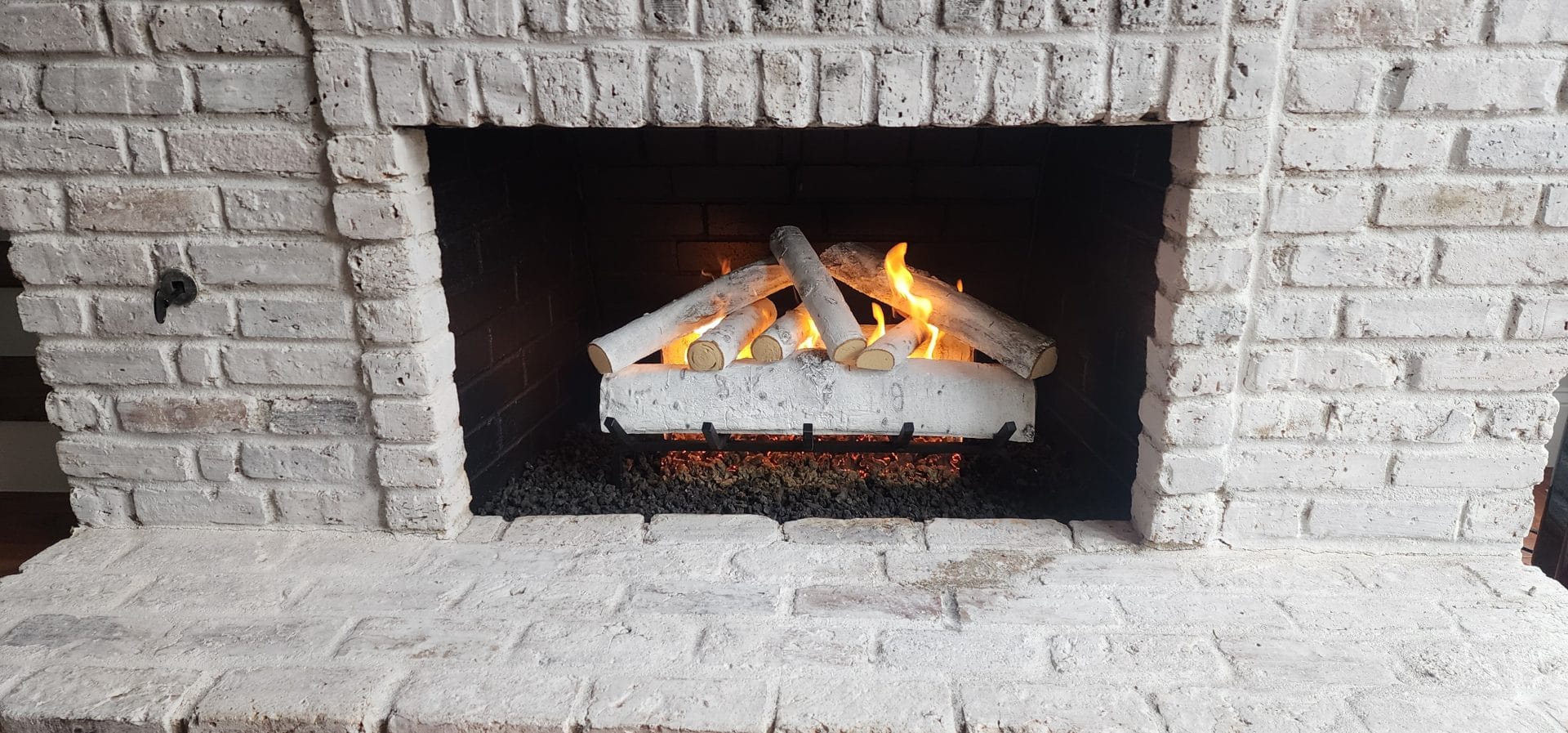
Your fireplace is meant to provide warmth, comfort, and ambiance—but without proper protection, it can also become a source of drafts, moisture damage, and safety issues. Two essential components that often get overlooked are the chimney caps and the chimney damper. Together, they play a major role in protecting your fireplace and chimney system, especially in New Jersey’s varied climate.
Understanding how these components work can help homeowners avoid costly chimney repairs and improve overall fireplace performance.
What Is a Chimney Cap and Why It Matters
A chimney cap is a protective covering installed at the top of the chimney. Its primary purpose is to prevent unwanted elements from entering the flue while still allowing smoke and gases to exit safely.
Benefits of chimney caps include:
- Blocking rain and snow from entering the chimney
- Preventing animals and birds from nesting
- Reducing downdrafts and debris buildup
- Minimizing moisture-related chimney damage
Without a chimney cap, water can seep into the chimney structure, leading to cracked masonry, rusted components, and frequent chimney repairs.
How Chimney Dampers Protect Your Home
The chimney damper is a movable plate located inside the flue that opens and closes to control airflow. When functioning properly, it improves both safety and energy efficiency.
Chimney dampers help by:
- Sealing the chimney when the fireplace is not in use
- Preventing cold air from entering your home
- Keeping heated air from escaping
- Improving fire control and smoke ventilation
A damaged or stuck damper can lead to heat loss, smoky odors, and higher energy bills—making professional chimney services essential.
Why These Components Are Especially Important in New Jersey
New Jersey homeowners experience cold winters, heavy rain, snow, and humid summers—all of which can take a toll on chimney systems.
Without proper protection:
- Moisture accelerates masonry deterioration
- Freeze-thaw cycles worsen cracks
- Drafts increase heating costs
- Debris buildup creates fire hazards
Regular chimney cleaning in New Jersey helps ensure chimney caps and dampers remain clear and functional year-round.
How Chimney Caps and Dampers Work Together
When paired together, chimney caps and dampers create a complete protection system:
- The cap keeps water, debris, and pests out
- The damper controls airflow and indoor comfort
This combination reduces the need for frequent fireplace cleaning and extends the lifespan of your chimney and fireplace system.
Signs You May Need Chimney Cap or Damper Service
Watch for these warning signs:
- Water stains near your fireplace
- Cold drafts coming from the chimney
- Animal noises or nesting debris
- Rusted damper components
- Smoky smells even when the fireplace isn’t in use
A professional chimney inspection can identify whether repairs or replacements are needed.
The Importance of Professional Chimney Services
Professional chimney services ensure that caps and dampers are properly sized, installed, and maintained. Experts can also identify hidden issues during routine fireplace services in New Jersey, helping homeowners avoid expensive future repairs.
FAQs: Chimney Caps and Dampers
Do all chimneys need a chimney cap?
Yes. Chimney caps protect against moisture, animals, and debris, making them essential for long-term chimney health.
How often should chimney caps and dampers be inspected?
They should be inspected annually during professional chimney cleaning or fireplace inspections.
Can a damaged damper affect heating efficiency?
Yes. A faulty damper allows heated air to escape and cold air to enter, increasing energy costs.
Is chimney cleaning still necessary if I have a chimney cap?
Yes. Chimney caps reduce debris but do not eliminate soot and creosote buildup inside the flue.
Should chimney caps and dampers be professionally installed?
Yes. Proper installation ensures correct airflow, weather protection, and compliance with safety standards.
Contact Details:
Address: 769 Rt.9 Unit 3A Bayville, New Jersey
Phone: 732-913-3871