






Water is one of the biggest threats to any chimney system. While many homeowners focus on visible components like bricks and flashing, one of the most important parts of the chimney often goes unnoticed—the chimney crown. Located at the very top of the chimney, the crown serves as the first line of defense against rain, snow, and moisture intrusion.
When a crown becomes cracked or damaged, water can enter the chimney structure and cause extensive deterioration over time. That’s why prompt chimney crown repair is essential for preventing costly water damage and protecting the long-term integrity of your chimney.
What Is a Chimney Crown?
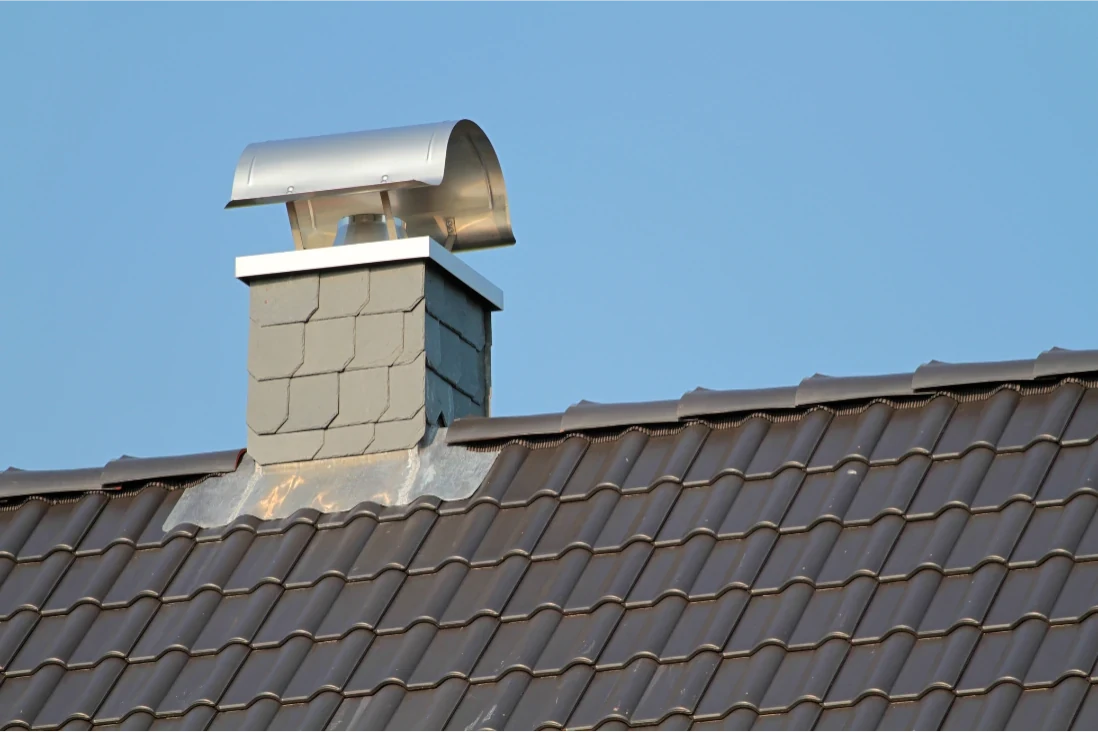
A chimney crown is the concrete or masonry slab located at the top of the chimney. It is designed to cover and protect the chimney structure while directing water away from the masonry below.
A properly constructed crown helps:
- Prevent water intrusion
- Protect chimney bricks and mortar
- Reduce freeze-thaw damage
- Extend chimney lifespan
- Improve structural stability
Without a properly functioning crown, moisture can quickly penetrate the chimney system.
Why Chimney Crowns Are Vulnerable to Damage
In New Jersey, chimneys are exposed to challenging weather conditions year-round.
These conditions include:
- Heavy rain
- Snow accumulation
- Ice formation
- Freeze-thaw cycles
- High winds
- Seasonal temperature changes
Over time, these environmental factors can cause crowns to crack, deteriorate, or separate from surrounding materials.
This is why routine chimney inspections are important for identifying crown damage before it worsens.
How Water Enters Through a Damaged Crown
When cracks develop in the crown, rainwater can seep into the chimney structure.
Once moisture enters, it may affect:
- Brick masonry
- Mortar joints
- Chimney liner
- Flashing components
- Interior walls and ceilings
Even small cracks can allow significant water penetration over time.
Prompt chimney crown repair helps prevent moisture from spreading throughout the system.
The Hidden Costs of Water Damage
Many homeowners underestimate how much damage water can cause to a chimney.
Common consequences include:
Masonry Deterioration
Moisture weakens bricks and mortar, eventually necessitating chimney brick repair.
Interior Water Damage
Water intrusion may cause:
- Ceiling stains
- Wall discoloration
- Mold growth
- Damaged insulation
Structural Instability
Long-term moisture exposure can weaken the chimney structure and increase repair costs.
Increased Repair Expenses
Small crown cracks are often inexpensive to repair compared to widespread water damage affecting multiple chimney components.
Freeze-Thaw Damage in New Jersey
One of the most damaging weather patterns for chimneys is the freeze-thaw cycle.
Here’s how it works:
- Water enters small cracks.
- Temperatures drop below freezing.
- Water expands as it freezes.
- Cracks become larger.
- More water enters the chimney.
Over time, this cycle can significantly accelerate chimney deterioration.
Annual chimney inspections help identify these issues before they become severe.
Chimney Crown Repair vs. Replacement
Not all crown damage requires complete replacement.
When Chimney Crown Repair Is Sufficient
Minor issues may be corrected through:
- Crack sealing
- Surface restoration
- Waterproof coatings
- Crown resurfacing
When Replacement May Be Necessary
Extensive damage may require crown replacement if:
- Large sections are missing
- Structural failure is present
- Severe water penetration has occurred
A professional inspection can determine the best solution.
The Relationship Between Crowns and Flashing
Many chimney leaks involve multiple components.
While the crown protects the top of the chimney, flashing protects the area where the chimney meets the roof.
During chimney inspections, technicians often evaluate both systems to determine whether:
- Chimney crown repair is needed
- Chimney flashing repair is necessary
- Water is entering from multiple locations
Addressing both issues helps prevent recurring leaks.
Why Chimney Cleaning Supports Early Detection
Regular chimney cleaning provides more than just improved fireplace performance.
During cleaning appointments, technicians often identify:
- Crown cracks
- Water intrusion
- Masonry deterioration
- Flashing concerns
This allows homeowners to address problems before they become major repairs.
Combining chimney cleaning with annual inspections is one of the best ways to maintain a healthy chimney system.
Benefits of Regular Chimney Maintenance
Routine chimney maintenance plays a critical role in preventing water damage.
Benefits include:
- Early problem detection
- Reduced repair costs
- Improved chimney performance
- Longer system lifespan
- Better moisture protection
Preventative maintenance is often far less expensive than emergency repairs.
Signs Your Chimney Crown May Need Repair
Homeowners should watch for warning signs such as:
- Visible cracks in the crown
- Water stains near the fireplace
- White staining on chimney bricks
- Loose masonry
- Damp odors
- Leaking around the chimney
If any of these symptoms appear, professional evaluation is recommended.
Why Professional Chimney Services in New Jersey Matter
Working with experienced professionals helps ensure chimney problems are diagnosed accurately.
Professional chimney services in New Jersey provide:
Comprehensive Inspections
Technicians evaluate crowns, flashing, masonry, and venting systems.
Accurate Repairs
Proper repairs help prevent recurring moisture issues.
Long-Term Protection
Preventative maintenance reduces the risk of major structural damage.
Improved Home Safety
A well-maintained chimney helps ensure safe fireplace operation.
Why Choose Emerson Pro Services?
At Emerson Pro Services, we provide expert chimney services in New Jersey, including chimney crown repair, chimney cleaning, chimney maintenance, chimney inspections, chimney flashing repair, chimney brick repair, and moisture protection solutions.
Our experienced team helps homeowners prevent water damage and maintain safe, reliable chimney systems year-round.
Final Thoughts
A damaged chimney crown may seem like a small issue, but it can quickly lead to serious water damage throughout the entire chimney system. Investing in timely chimney crown repair helps protect masonry, prevent leaks, reduce repair costs, and extend your chimney’s lifespan.
When combined with routine chimney inspections, cleaning, maintenance, flashing repair, and brick repair, crown maintenance is one of the most important steps homeowners can take to protect their property from moisture-related damage.
Frequently Asked Questions
What does a chimney crown do?
A chimney crown protects the top of the chimney by directing water away from the masonry structure below.
How do I know if I need chimney crown repair?
Common signs include visible cracks, water stains, leaking, white staining on bricks, and deteriorating masonry.
Can a cracked chimney crown cause leaks?
Yes. Even small cracks can allow water to enter the chimney and cause extensive damage over time.
How often should chimney inspections be scheduled?
Most experts recommend annual chimney inspections to identify damage and maintenance needs.
Does chimney cleaning help detect crown damage?
Yes. Chimney cleaning often reveals cracks, moisture issues, and other signs of crown deterioration.
Can chimney crown damage lead to brick repair?
Absolutely. Water entering through a damaged crown can weaken masonry and eventually require chimney brick repair.
Contact Details:
769 US-9 Hwy Unit 3B, Berkeley Township, New Jersey
732-913-3871 / 732-647-9850