






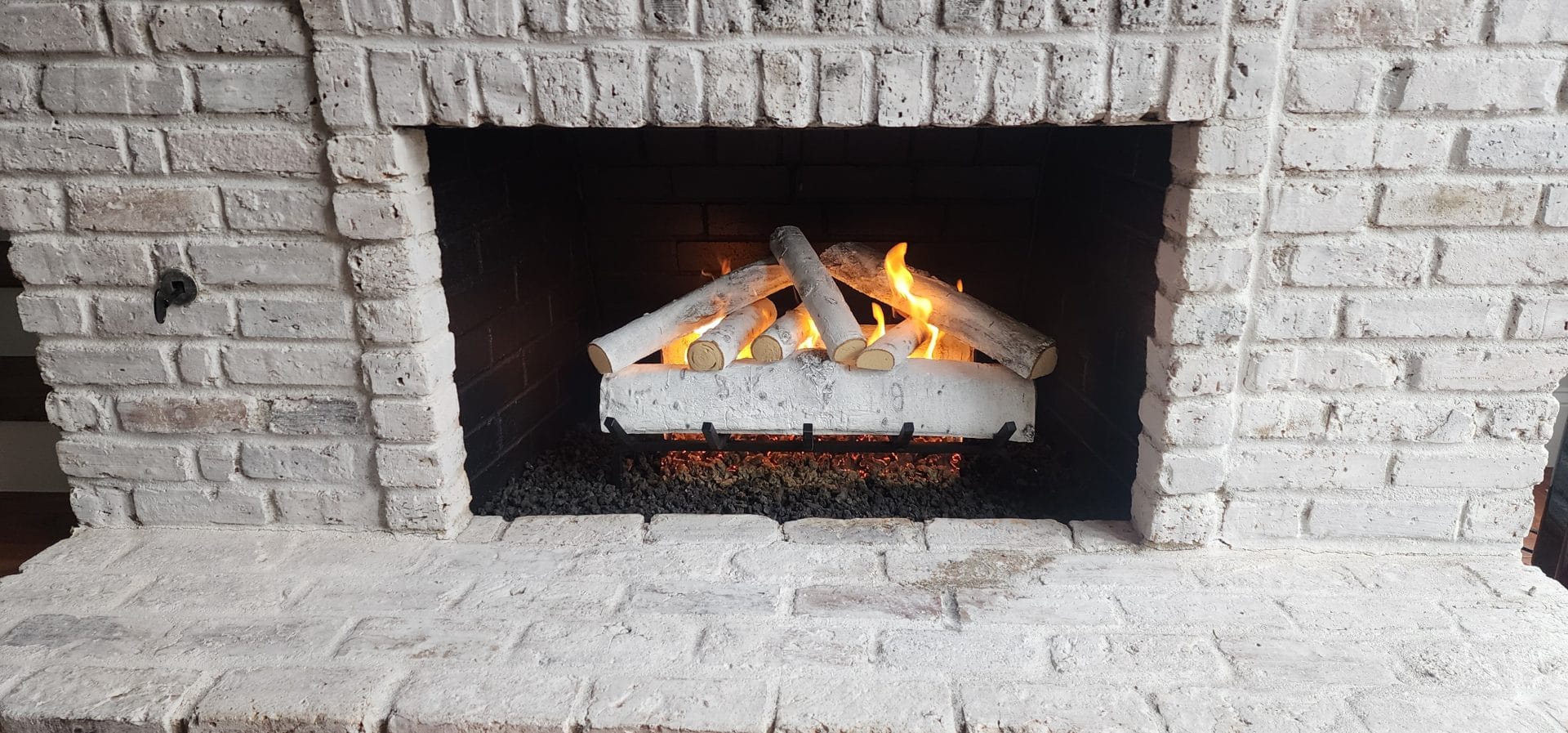
As winter ends and temperatures begin to rise across Texas, many homeowners stop using their fireplaces until the next cold season. However, spring is actually one of the best times to schedule fireplace cleaning and perform essential chimney maintenance.
Cold months can leave behind soot, creosote buildup, and hidden damage inside your chimney. Without proper care, these issues can worsen over time and lead to costly repairs. Following a spring chimney cleaning checklist helps ensure your fireplace system remains safe, clean, and ready for next winter.
This guide outlines the key steps every Texas homeowner should follow to maintain chimney health and improve overall fireplace safety.
Why Spring Is the Best Time for Chimney Cleaning
Many homeowners wait until fall to schedule maintenance, but spring offers several advantages.
Remove Creosote and Soot After Winter Use
After months of burning wood, creosote and soot accumulate inside the chimney flue. These substances are highly flammable and increase the risk of chimney fires. Professional fireplace cleaning removes these dangerous residues and improves chimney airflow.
Identify Damage Caused by Winter Weather
Texas weather can fluctuate significantly during winter. Temperature changes, moisture, and wind can damage masonry, chimney caps, or liners. A thorough chimney inspection during spring helps identify issues early before they become major structural problems.
Avoid the Fall Maintenance Rush
Scheduling chimney maintenance in spring allows homeowners to avoid the busy fall season when chimney professionals are often fully booked.
Essential Spring Chimney Cleaning Checklist
Following a simple checklist ensures that every important part of your chimney system is inspected and maintained.
Schedule a Professional Chimney Inspection
The first step in any chimney maintenance routine is a professional chimney inspection. Certified technicians examine the chimney structure, flue liner, and ventilation system to ensure everything is working properly.
During the inspection, professionals may identify issues such as cracks, blockages, or signs of creosote buildup that require attention.
Remove Ash and Debris From the Fireplace
After the final winter fire, the firebox should be cleared of leftover ash and debris.
Regular fireplace cleaning improves airflow and prevents odors from lingering inside your home during warmer months. It also prepares your fireplace for maintenance and inspection.
Check for Chimney Damage
Spring is an excellent time to check for signs of damage that may have developed over winter.
Look for the following warning signs:
- Cracked bricks or mortar
- Loose chimney caps
- Water stains around the fireplace
- Pieces of masonry falling inside the firebox
If any of these problems are present, professional chimney repair may be necessary to restore structural integrity.
Inspect the Chimney Cap and Crown
The chimney cap and crown protect the chimney from rain, debris, and animals.
A damaged cap can allow moisture and pests to enter the chimney system. A proper chimney inspection ensures these protective components remain in good condition.
Replacing damaged components early helps prevent more serious structural issues.
Check for Blockages in the Flue
Bird nests, leaves, and other debris can block the chimney flue during winter or early spring. Blockages prevent proper ventilation and create dangerous smoke buildup when the fireplace is used.
Professional chimney maintenance includes removing obstructions and ensuring the flue is clear.
Evaluate the Need for Chimney Repair
If the inspection reveals structural problems, scheduling prompt chimney repair is important. Addressing small cracks or masonry damage early prevents further deterioration.
Repairs completed in spring ensure your chimney will be ready for safe use when colder weather returns.
Consider Chimney Installation for New or Upgraded Fireplaces
Homeowners planning renovations or upgrades may also consider professional chimney installation. Proper installation ensures safe ventilation, structural durability, and compliance with building codes.
Working with experienced chimney professionals helps guarantee a reliable and efficient fireplace system.
Tips for Maintaining Fireplace Safety Year-Round
Spring cleaning is only one part of responsible fireplace care. Homeowners can maintain fireplace safety throughout the year by following a few simple practices:
- Schedule annual chimney inspection
- Keep the fireplace and chimney clean
- Use seasoned hardwood when burning fires
- Address damage quickly with professional chimney repair
- Maintain routine chimney maintenance
Consistent care helps extend the lifespan of your chimney system and reduces safety risks.
Final Thoughts
Spring is the perfect season for homeowners to focus on chimney care after months of fireplace use. By following a complete chimney cleaning checklist, Texas homeowners can remove dangerous creosote buildup, identify structural issues, and prepare their fireplaces for the future.
Routine fireplace cleaning, timely chimney inspection, and consistent chimney maintenance help ensure your fireplace remains safe, efficient, and ready when colder weather returns.
Whether you need minor chimney repair or professional chimney installation, addressing chimney care in spring helps protect your home and maintain long-term fireplace safety.
Frequently Asked Questions (FAQs)
How often should chimney cleaning be done?
Experts recommend scheduling fireplace cleaning and chimney cleaning at least once per year to remove creosote buildup and maintain proper ventilation.
Why is spring a good time for chimney maintenance?
Spring is ideal because fireplaces are used less frequently, allowing homeowners to schedule chimney inspection and maintenance before the busy fall season.
What are signs that chimney repair is needed?
Common signs include cracked bricks, loose mortar, water leaks, smoke problems, or debris falling into the fireplace.
Can chimney blockages cause safety issues?
Yes. Debris or animal nests can block the flue, preventing proper ventilation and increasing the risk of smoke buildup and chimney fires.
Do new fireplaces require professional chimney installation?
Yes. Proper chimney installation ensures safe ventilation, structural stability, and compliance with building codes.
At Emerson Chimney & Fireplace, we offer a wide range of chimney caps and professional installation services to ensure your home remains safe and efficient. Visit us at 16135 Preston Rd Ste 105, Dallas, TX 75248, or contact us at 469-212-7906 for expert advice and services tailored to your chimney and fireplace needs. For more information, visit our website at www.emersonproservices.com.