






Texas weather can be unpredictable—intense rainstorms, high winds, hail, and extreme heat all take a toll on your home. One of the most common yet overlooked sources of water damage is failing chimney flashing. When flashing is damaged or improperly installed, water can seep into your roof, attic, and walls, resulting in costly repairs. Understanding how chimney flashing works—and why timely repair matters—can save Texas homeowners thousands in avoidable damage.
What Is Chimney Flashing?
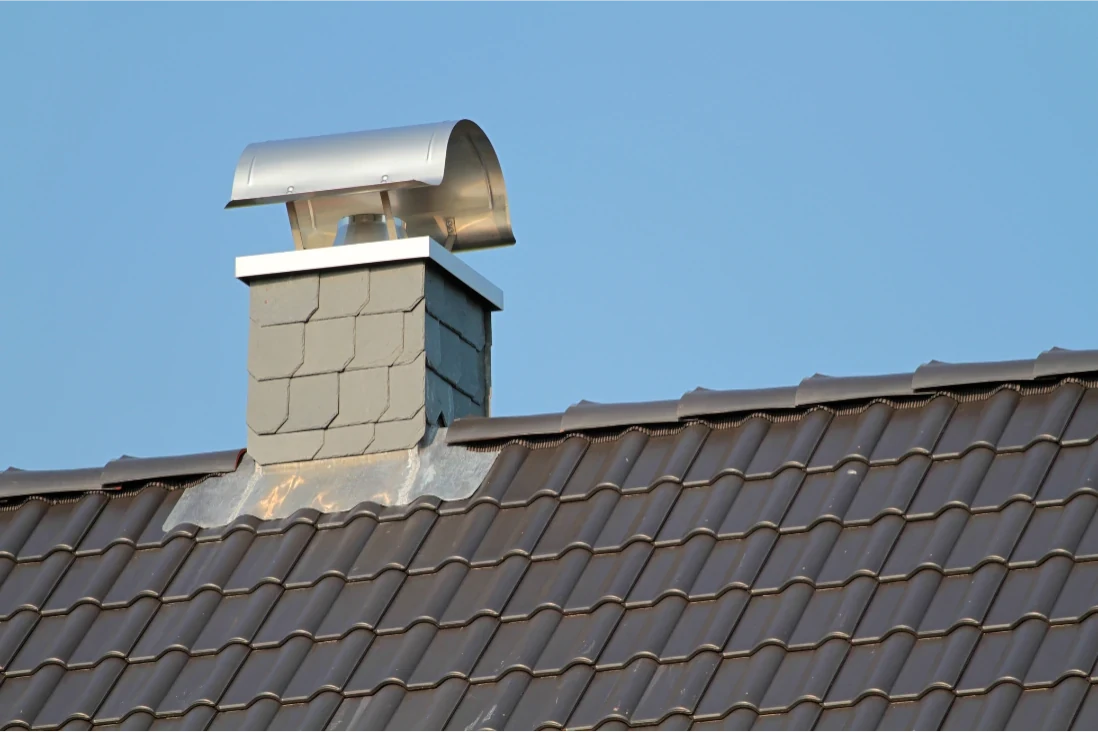
Chimney flashing is a system of metal barriers installed where the chimney meets the roof. Its purpose is to seal gaps and redirect water away from vulnerable areas. Flashing typically consists of:
- Base flashing (installed under roofing materials)
- Counter flashing (embedded into the chimney masonry)
- Step flashing (layered with shingles)
When properly installed and maintained, flashing creates a watertight seal that protects both your roof and chimney structure.
Why Chimney Flashing Fails in Texas Homes
Texas homes face unique environmental challenges that accelerate flashing damage, including:
Severe Storms and Heavy Rain
Sudden downpours and wind-driven rain can force water into even small gaps around the chimney.
Extreme Heat and UV Exposure
High temperatures cause flashing materials and roofing components to expand and contract, loosening seals over time.
Aging or Improper Installation
Older homes or poorly installed flashing may lack modern waterproofing techniques, increasing leak risk.
How Damaged Flashing Leads to Costly Water Damage
When chimney flashing fails, water intrusion can cause a chain reaction of damage throughout your home.
Roof and Decking Damage
Moisture trapped beneath shingles can rot roof decking and weaken structural components.
Attic and Insulation Issues
Leaks often go unnoticed in the attic, saturating insulation and reducing energy efficiency while encouraging mold growth.
Interior Wall and Ceiling Damage
Water can travel along framing and appear as stains, bubbling paint, or drywall damage inside your home.
Chimney and Masonry Deterioration
Persistent moisture accelerates brick cracking, mortar erosion, and long-term masonry repair needs.
Benefits of Timely Chimney Flashing Repair
Repairing chimney flashing early provides several critical advantages:
- Prevents roof leaks and hidden water damage
- Protects attic insulation and indoor air quality
- Preserves chimney masonry and brickwork
- Extends the lifespan of your roofing system
- Reduces long-term repair and restoration costs
Professional chimney flashing repair is one of the most cost-effective ways to protect your home from storm-related damage.
Warning Signs Your Chimney Flashing Needs Repair
Texas homeowners should watch for:
- Water stains near the chimney on ceilings or walls
- Rusted, cracked, or loose flashing
- Missing or crumbling mortar around flashing edges
- Mold or musty odors in the attic
- Shingles lifting or deteriorating near the chimney
If you notice any of these signs, scheduling a professional inspection is essential.
Why Professional Repair Matters
DIY fixes using caulk or roofing cement often provide only temporary relief. Professional chimney flashing repair ensures:
- Proper integration with roofing materials
- Correct sealing methods for Texas weather conditions
- Long-lasting protection against future storms
Experienced chimney and masonry professionals can also identify related issues, such as mortar damage or chimney crown cracks, before they worsen.
FAQs: Chimney Flashing Repair in Texas
How often should chimney flashing be inspected?
Chimney flashing should be inspected annually and after major Texas storms to catch damage early.
Can flashing be repaired without replacing the entire roof?
Yes. In most cases, flashing can be repaired or replaced without a full roof replacement when addressed promptly.
Is chimney flashing repair expensive?
Flashing repair is relatively affordable compared to the cost of repairing roof decking, interior water damage, or structural issues.
Does damaged flashing always cause visible leaks?
Not always. Many leaks begin inside the attic or walls and may go unnoticed for months without an inspection.
Will flashing repair protect my chimney masonry?
Yes. Proper flashing prevents moisture from penetrating brick and mortar, reducing long-term masonry deterioration.
Conclusion
Chimney flashing plays a crucial role in protecting homes in Texas from water damage. With extreme weather and seasonal storms, even minor flashing issues can lead to major repairs if left unaddressed. Investing in timely chimney flashing repair helps safeguard your roof, chimney, and interior—saving money and preserving your home’s integrity.
At Emerson Masonry & Pavers, we offer a wide range of high-quality pavers, as well as professional installation and repair services for your outdoor space. Located at 2007 N Collins Blvd #509c, Richardson, TX 75080, you can contact us today at 972-474-6524 or visit www.emersonproservices.com to get started on your project.
With our wide range of materials and design options, masonry and pavers allow you to create a home that is both visually appealing and built to withstand the test of time.