

A well-designed backyard can become much more than an open area behind the house. With the right features, it can serve as a comfortable place for dining, entertaining, relaxing, and spending time with family. Pergolas are among the most effective additions for creating a functional and inviting outdoor living environment.
By providing partial shade, visual structure, and a defined gathering area, a pergola can transform an underused patio or yard into an attractive extension of the home.
What Is a Pergola?
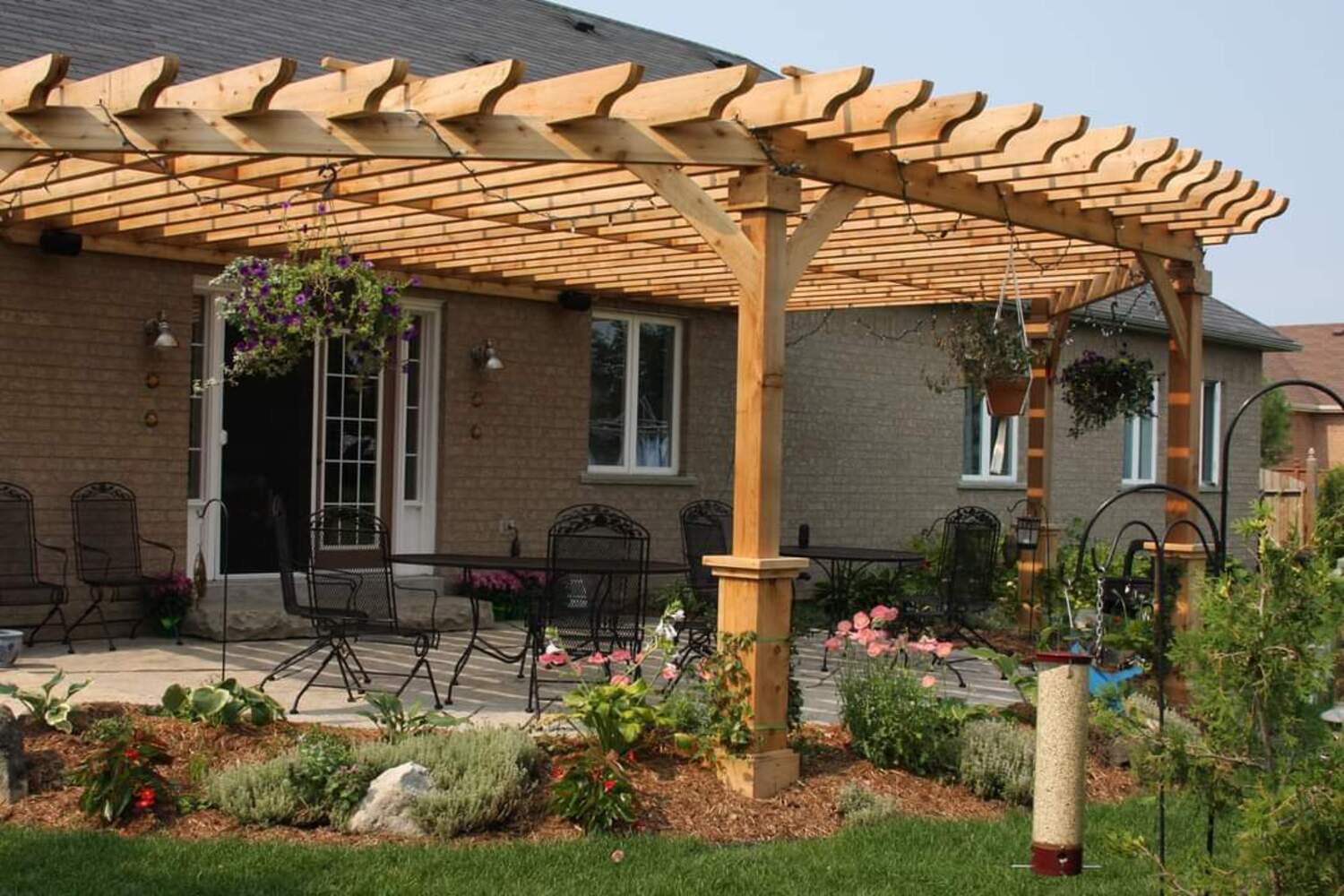
A pergola is an outdoor structure made with vertical posts supporting beams, rafters, or an open-lattice roof. It may be attached to the house or installed as a freestanding feature elsewhere in the yard.
Unlike a solid patio roof, a traditional pergola allows some sunlight and air to pass through. The amount of shade depends on the spacing and orientation of the roof slats. Some modern pergolas can also include retractable canopies, adjustable louvers, curtains, lighting, and other comfort features.
Pergolas Define an Outdoor Living Area
Large or open backyards can sometimes feel unfinished. A pergola creates a clear visual boundary without fully enclosing the area. It helps turn an ordinary patio, deck, or section of the yard into a purposeful outdoor living space.
Under a pergola, homeowners can create several types of activity zones, including:
- An outdoor dining area
- A shaded seating space
- An outdoor kitchen
- A grilling station
- A poolside lounge
- A garden retreat
- A space for entertaining guests
Thoughtful outdoor living design connects these areas with the architecture of the home and the surrounding landscape.
Pergolas Provide Comfortable Shade
Direct sunlight can make patios uncomfortable during the hottest parts of the day. A pergola filters sunlight and provides partial shade while maintaining an open, airy atmosphere.
The level of shade can be adjusted through the pergola design. Closely spaced rafters provide greater coverage, while wider spacing creates a brighter area. A shade canopy or adjustable louvered roof can offer more protection when needed.
The pergola’s orientation is also important. A professional can evaluate the path of the sun and position the rafters to improve shade during the times when the space will be used most often.
Pergolas Support Better Airflow
Covered outdoor spaces can sometimes feel warm or enclosed. Because traditional pergolas have open sides and a partially open roof, they allow air to circulate naturally.
This airflow can make an outdoor living area more comfortable while preserving views of the yard. Ceiling fans may also be installed when the structure and electrical system are designed to support them.
Combined with shade, outdoor fans, and comfortable furniture, a pergola can help make the backyard more enjoyable throughout much of the year.
Wooden Pergolas Offer Natural Beauty
Wooden pergolas are popular because they bring warmth and natural character to outdoor spaces. Wood can be stained or painted to coordinate with the home, fence, deck, or outdoor furniture.
Homeowners can choose from different styles, ranging from simple traditional structures to more decorative custom designs. Wood also works well with climbing plants, garden features, and natural landscaping.
However, wooden structures require periodic maintenance. Depending on the material and local conditions, maintenance may include cleaning, staining, sealing, painting, and inspecting for moisture or insect damage.
Aluminum Pergolas Provide Modern Durability
Aluminum pergolas are another attractive option for homeowners who prefer a clean, contemporary appearance with relatively low maintenance. Aluminum does not rot, warp, or attract wood-damaging insects.
Many aluminum systems are available with powder-coated finishes and adjustable louvers. These features can provide greater control over sunlight and rain while creating a streamlined look.
Although the initial cost may differ from that of a wood structure, reduced maintenance requirements can make aluminum appealing for long-term outdoor living projects.
Choosing Between Wooden and Aluminum Pergolas
The right material depends on the homeowner’s style, maintenance preferences, budget, and intended use.
Wooden pergolas may be ideal for homeowners who want:
- A natural or traditional appearance
- Custom stains or paint colors
- Decorative architectural details
- A structure that blends with garden landscaping
Aluminum pergolas may be preferred by homeowners seeking:
- A modern appearance
- Lower maintenance
- Resistance to rot and insects
- Adjustable roof options
- Consistent color and finish
Professional outdoor services can help homeowners compare materials and choose a structure suitable for their property.
Pergola Design Should Complement the Home
A pergola should feel like a natural extension of the property rather than an unrelated addition. Successful pergola design considers the home’s architecture, exterior colors, roofline, and existing hardscape.
Important design decisions include:
- Attached or freestanding construction
- Overall dimensions
- Post and beam proportions
- Roof-slat spacing
- Wood or aluminum materials
- Paint, stain, or finish color
- Lighting and electrical access
- Furniture placement
- Shade and privacy features
- Drainage around the structure
The pergola should also be appropriately sized. A structure that is too small may not provide enough functional space, while one that is too large can overwhelm the yard.
Enhance the Space With Lighting and Privacy
Lighting allows homeowners to enjoy a pergola after sunset. String lights, recessed fixtures, pendants, wall sconces, and landscape lighting can create different moods while improving visibility.
Privacy features can make the area feel more comfortable and secluded. Options may include:
- Outdoor curtains
- Decorative screens
- Slatted privacy walls
- Tall plants or hedges
- Trellises with climbing vines
- Outdoor shades
Electrical components and mounted accessories should be planned during the design stage so they can be installed safely and neatly.
Combine Pergolas With Artificial Turf
A pergola can be paired with artificial turf to create a comfortable and visually consistent backyard. Turf can soften the appearance of areas around patios, walkways, play spaces, or freestanding pergolas.
Professional turf installation may be especially useful in areas where natural grass struggles because of heavy foot traffic, shade, or ongoing maintenance demands. Artificial turf does not require mowing and can remain green throughout the year when properly installed and maintained.
Correct ground preparation is essential. The area needs a suitable base, secure edges, effective drainage, and properly joined turf sections. Poor installation may result in wrinkles, movement, uneven surfaces, or drainage problems.
Add Furnishings for Everyday Comfort
The right furniture makes a pergola more functional. Begin by considering how the space will be used most frequently.
A dining-focused area may need a table, durable chairs, and task lighting. A relaxation area may include sofas, lounge chairs, side tables, and an outdoor rug. For entertaining, homeowners may add a bar counter, television, fire feature, or nearby cooking area.
Choose furnishings designed for outdoor conditions. Weather-resistant fabrics and materials generally require less maintenance and hold up better over time.
Connect the Pergola to the Rest of the Yard
A pergola works best when it is connected visually and physically to other outdoor features. Pavers, concrete paths, landscape lighting, planting beds, and artificial turf can guide people between the house, pergola, pool, garden, and other gathering areas.
A coordinated plan helps avoid a pieced-together appearance. Professional outdoor living design considers the entire property, including traffic flow, drainage, shade, lighting, landscaping, and furniture placement.
Professional Installation Supports Long-Term Performance
Pergolas must be designed and anchored correctly to withstand outdoor conditions. The structure’s size, material, foundation, attachment points, and location all affect its performance.
Professional installation can help ensure:
- Stable and properly placed footings
- Secure structural connections
- Accurate measurements
- Correct alignment
- Appropriate materials and finishes
- Integration with patios and landscaping
- Compliance with applicable requirements
Homeowners should also confirm whether permits, approvals, or property restrictions apply before construction begins.
Create a More Comfortable Outdoor Living Space
A pergola can bring shade, structure, style, and purpose to a backyard. Whether you prefer the natural character of wooden pergolas or the modern durability of aluminum pergolas, the right design can turn an ordinary yard into a welcoming outdoor living destination.
Emerson Pro Services offers professional outdoor services to help homeowners plan and improve their exterior spaces. From custom pergola design to turf installation and complementary outdoor features, our team can create an area suited to your home and lifestyle. Contact Emerson Pro Services to begin planning a more comfortable and functional backyard.
For more outdoor living projects and expert advice, contact Emerson Turf & Outdoor Living in Dallas, TX. Visit our website at Emerson Turf & Outdoor Living or call us at 972-316-4259 to learn more about our services and how we can help you transform your outdoor space.
Frequently Asked Questions About Pergolas
Do pergolas provide complete shade?
Traditional pergolas provide partial shade through an open roof made of beams or rafters. Greater coverage may be created with closer slat spacing, a retractable canopy, shade fabric, or adjustable louvers.
Are wooden or aluminum pergolas better?
Neither material is best for every home. Wooden pergolas offer natural warmth and extensive customization but require periodic maintenance. Aluminum pergolas provide a modern appearance, resist rot and insects, and generally require less upkeep.
Can a pergola be attached to a house?
Yes. Pergolas may be attached to a house or constructed as freestanding structures. The right option depends on the property layout, intended use, structural conditions, and applicable construction requirements.
Can artificial turf be installed around a pergola?
Yes. Artificial turf can be installed around a pergola to create a clean, green surface and connect it with the rest of the yard. Proper base preparation and drainage are essential for successful turf installation.
How large should a pergola be?
The appropriate size depends on the available space, furniture, intended activities, and scale of the home. The design should provide enough room for comfortable movement without overwhelming the yard.
Do pergolas add value to an outdoor living area?
A well-designed pergola can improve the appearance, comfort, and functionality of a backyard. Its potential effect on property value depends on construction quality, design, condition, local preferences, and how well it complements the home.