

Brick, stone, mortar, and concrete can last for decades, but they are not immune to weather exposure, soil movement, moisture, and normal aging. Recognizing the early signs that your home needs masonry repair in Carrollton can help prevent loose materials, recurring leaks, unstable walls, and more extensive restoration work.
Small cracks or isolated mortar gaps may appear minor, but the visible damage does not always reveal the full condition of the structure. A professional inspection can determine whether the problem is cosmetic, moisture-related, structural, or connected to drainage and foundation movement.
Why Masonry Deteriorates in North Texas
Carrollton masonry is exposed to intense sunlight, high summer temperatures, heavy thunderstorms, wind-driven rain, hail, occasional freezes, and changing soil-moisture conditions.
Brick, stone, concrete, mortar, steel lintels, and sealants expand and contract at different rates. Over time, this movement can place stress on joints and transitions. Water entering through small openings may accelerate deterioration, particularly when the masonry cannot drain and dry properly.
Expansive North Texas soil can also affect foundations, patios, retaining walls, and other masonry structures. As soil moisture changes, the ground may expand, contract, settle, or shift, creating movement that appears as cracks or displacement.
1. Cracked Mortar Joints
Cracked mortar is one of the most common signs that masonry needs attention. Mortar joints bind the masonry units together while accommodating some movement and helping the wall manage moisture.
Cracks may develop because of age, thermal expansion, foundation movement, water intrusion, poor workmanship, or an unsuitable mortar mix. Once gaps form, wind-driven rain can enter more easily.
Minor mortar deterioration may be corrected through repointing. This process involves removing damaged mortar to sound material and installing a compatible replacement mix.
Simply spreading a thin layer of new mortar over a failed joint is unlikely to provide a durable repair. The loose material must be removed, and the replacement mortar should be appropriate for the brick or stone.
2. Stair-Step Cracks in Brick Walls
Stair-step cracks follow the horizontal and vertical mortar joints between bricks. These cracks may be associated with foundation movement, settlement, thermal stress, or changes around windows and doors.
A narrow, stable crack does not always indicate a major structural problem. However, cracks that widen, lengthen, reopen after repair, or appear with sticking doors and uneven floors should be professionally evaluated.
A masonry contractor can inspect the brick and mortar, but significant movement may also require assessment by a foundation professional or structural engineer. Repointing the crack without addressing continued movement may only conceal the problem temporarily.
3. Vertical or Horizontal Masonry Cracks
Vertical cracks may develop where different parts of the building move independently or where expansion joints are missing, damaged, or improperly placed.
Horizontal cracking can be more concerning, especially when accompanied by bulging, leaning, rust stains, or displaced brick. It may involve pressure, corroding steel, foundation movement, or failure around a supporting component.
The crack pattern, width, location, and rate of change all matter. Professional brick repair should begin with a diagnosis rather than an assumption that every crack requires the same treatment.
4. Crumbling or Missing Mortar
Mortar may become soft, powdery, recessed, or loose as it ages. Water exposure, inappropriate cleaning, previous repairs, and incompatible materials can accelerate the deterioration.
If mortar can be easily scraped from the joints or pieces fall away during light contact, the wall may need repointing. Missing mortar allows more water to enter and reduces the support between adjacent masonry units.
The new mortar should not be substantially harder than the surrounding brick. An overly strong repair mix can concentrate stress in the masonry units and contribute to chipped edges or cracked brick faces.
5. Spalling or Flaking Bricks
Spalling occurs when the surface of a brick begins to peel, flake, chip, or break away. It may result from repeated water absorption, temperature changes, freezing conditions, inappropriate coatings, or pressure from adjacent materials.
Once the dense outer surface has deteriorated, the softer interior of the brick may absorb moisture more easily. Damage may then progress if the underlying cause is not corrected.
Some bricks can remain serviceable with minor surface wear, while severely deteriorated or loose units may require replacement. Professional masonry repair in Carrollton should address both the damaged brick and the moisture or movement that caused it.
6. Loose or Protruding Bricks
Bricks that shift, loosen, or extend beyond the surrounding wall require prompt attention. The problem may involve failed mortar, corroding steel, poor bonding, impact damage, or movement within the structure.
Loose masonry can create a falling-material hazard, particularly above entrances, walkways, windows, and driveways. Avoid pushing the brick back into place or covering the joint with caulk before the wall has been inspected.
The surrounding area should be evaluated to determine whether the issue is isolated or part of a larger pattern.
7. Bulging or Bowing Walls
A brick or stone wall should not visibly bow or bulge. Outward movement may indicate failed wall ties, trapped moisture, pressure behind the masonry, inadequate support, or separation between the veneer and the backing wall.
Bulging masonry is more than a cosmetic defect. Sections may become unstable and require temporary safety precautions until the cause and extent of the movement are known.
Depending on the condition, repairs may involve selective rebuilding, replacement of connection components, drainage corrections, or broader structural work.
8. White Stains and Efflorescence
Efflorescence is a white, powdery deposit that appears when moisture moves through masonry, dissolves salts, and carries them to the surface. The water evaporates, leaving the salts behind.
Light, occasional efflorescence may not indicate serious damage, but recurring or widespread deposits suggest an active moisture path. Possible causes include overflowing gutters, irrigation overspray, failed flashing, damaged caps, poor grading, or rising ground moisture.
Cleaning the stain without identifying the source may provide only a temporary improvement. Harsh acids and aggressive pressure washing can also damage brick and mortar.
9. Dark Stains or Persistent Damp Areas
Masonry that remains dark long after surrounding surfaces have dried may be retaining moisture. Homeowners may also notice algae, mildew, moss, or vegetation growing in joints.
Persistent dampness can be related to roof runoff, plumbing leaks, irrigation, failed flashing, missing caps, poor drainage, or blocked weep openings.
The source should be corrected before new mortar, sealant, or coatings are applied. Otherwise, water may remain trapped and continue damaging the wall.
10. Rust Stains Above Windows and Doors
Steel lintels commonly support brick above windows, garage doors, and other openings. When water reaches the steel, corrosion may begin.
Rust expands and can place pressure on the surrounding masonry. Warning signs include rust-colored staining, horizontal cracks, lifted brick, separated mortar joints, or movement near the corners of an opening.
A surface mortar repair will not stop deterioration if the steel continues corroding. The lintel, flashing, drainage, and surrounding masonry should be evaluated together.
11. Water Leaks Around Masonry Openings
Water appearing near a window or door does not necessarily mean that the window itself has failed. Moisture may enter through cracked mortar, deteriorated sealant, missing end dams, damaged sills, or incorrect flashing above the opening.
Wind-driven rain can enter a small exterior gap and travel behind the masonry before appearing indoors. The visible stain may be some distance from the original opening.
Effective repair may require coordinated flashing repair, sealant replacement, repointing, or selective brick removal. Interior paint and drywall should not be repaired until the exterior moisture source has been addressed.
12. Damaged Chimney Masonry
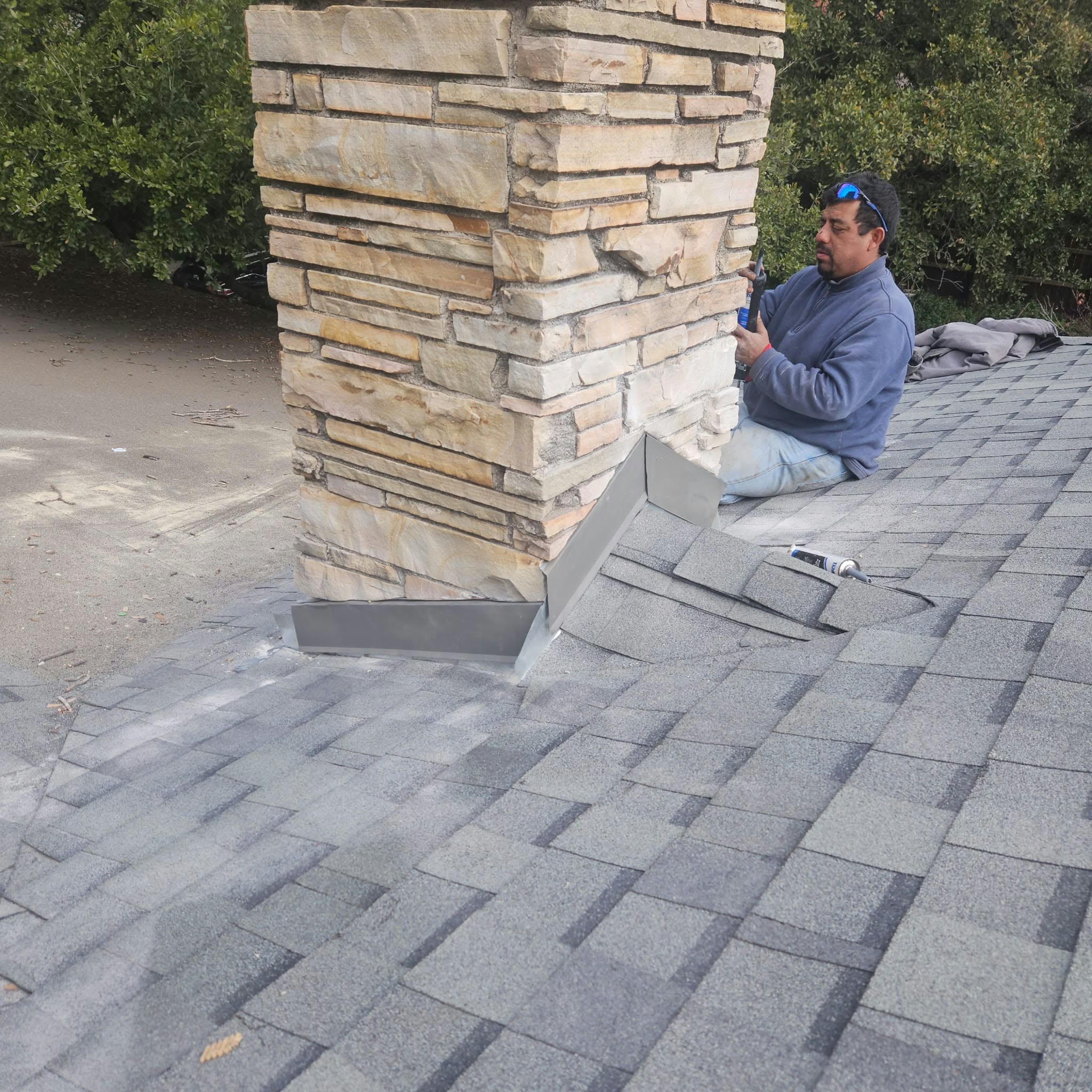
Chimneys are exposed to rain, sunlight, wind, and temperature changes on every side. Cracked crowns, missing caps, failed roof flashing, deteriorated mortar, and spalling brick can all allow water to enter.
Signs of chimney damage include loose brick, white staining, interior fireplace moisture, rusted components, cracks near the roofline, or pieces of mortar collecting on the roof.
Because chimney masonry is elevated, loose materials can pose a safety risk. Inspection and repair should be completed by professionals with suitable access equipment and experience.
13. Cracks or Movement in Retaining Walls
Retaining walls hold back soil and must resist both the weight of the earth and water pressure. When drainage behind the wall is inadequate, water can accumulate and create hydrostatic pressure.
The wall may begin to lean, bulge, crack, or separate. Soil can also wash through openings, weakening support behind or below the structure.
Lasting retaining-wall repair may require more than filling cracks. Drainage stone, filter fabric, weep openings, drainpipe, reinforcement, footings, and the final water outlet may all need to be evaluated.
A severely leaning or unstable wall should be inspected promptly.
14. Cracked or Settling Concrete
Patios, walkways, steps, slabs, and other concrete construction can crack because of soil movement, poor drainage, inadequate preparation, shrinkage, impact, or structural loading.
Some narrow cracks are related to normal curing or minor movement. Wider cracks, uneven elevations, rocking steps, sinking slabs, or recurring separation may indicate a more significant problem.
Repair options depend on the cause and condition of the concrete. Filling a crack may not provide a lasting result if water continues washing away the base or if soil movement remains active.
15. Repaired Cracks That Keep Returning
A crack that reappears after repair suggests that the original cause was not corrected or that the repair method was unsuitable.
Continued foundation movement, water intrusion, thermal stress, corroding steel, or incompatible mortar may cause the same joint to reopen. Repeatedly covering the crack can make future diagnosis more difficult without improving the wall’s performance.
A contractor should review previous repairs, surrounding crack patterns, drainage conditions, and structural movement before recommending another solution.
Cosmetic vs. Structural Masonry Damage
Cosmetic damage typically affects appearance without significantly changing the stability or performance of the structure. Examples may include minor surface staining, small isolated mortar imperfections, or slight color differences from previous repairs.
Structural or performance-related problems may involve widening cracks, leaning walls, displaced bricks, failed lintels, unstable retaining walls, interior water intrusion, or separation between parts of the building.
The distinction cannot always be made from a photograph alone. Crack location, width, direction, history, and associated symptoms must be considered during an onsite inspection.
What Happens During a Masonry Inspection?
A professional inspection begins with the visible masonry but should also consider the surrounding systems. The contractor may examine mortar joints, brick and stone units, steel lintels, wall caps, flashing, weep openings, windows, doors, roof transitions, gutters, downspouts, grading, and nearby concrete.
The goal is to determine what is damaged and why it happened. A successful repair plan should correct the source whenever practical before restoring the visible surface.
If the damage suggests significant structural or foundation movement, the masonry contractor may recommend evaluation by an engineer or another qualified specialist.
Common Masonry Repair Methods
Repointing replaces deteriorated mortar while preserving sound brick or stone. The repair mortar should be selected to match the existing material’s strength, composition, color, texture, and joint profile as closely as practical.
Individual brick replacement may be appropriate for severely cracked, spalled, loose, or impact-damaged units. Replacement bricks should match the existing size and appearance while remaining compatible with the wall.
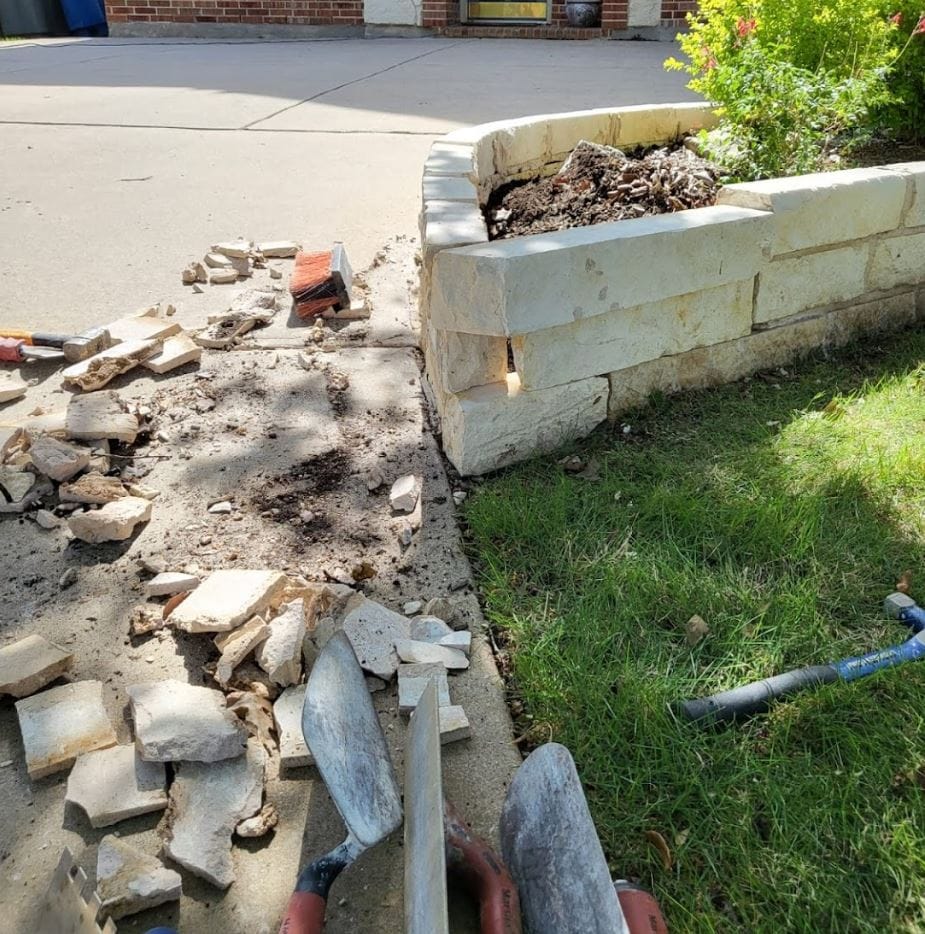
Stone repair may involve resetting loose units, replacing damaged stones, rebuilding localized sections, or restoring mortar joints.
Flashing repair may require selective masonry removal so concealed components can be reached and installed correctly. Concrete repairs can include crack treatment, partial replacement, resurfacing, or reconstruction, depending on the cause and severity.
Why Matching Mortar Matters
Mortar is not simply a decorative material between bricks. It helps distribute loads, accommodate movement, bond masonry units, and manage moisture.
Replacement mortar that is too hard, dense, or inflexible can shift stress into the surrounding brick or stone. This may contribute to cracked masonry faces even if the new mortar remains intact.
Color matching is also important, but performance should come first. The repair should consider the existing masonry’s age, strength, absorption, exposure, and condition.
Why Drainage Should Be Checked Before Repairs
Many masonry problems are connected to water. Overflowing gutters, short downspout extensions, improper grading, irrigation overspray, roof leaks, and failed flashing can repeatedly saturate brick, stone, mortar, and concrete.
Completing brick repair without correcting the water source may expose the new work to the same damaging conditions.
A coordinated plan may include gutter service, downspout improvements, grading corrections, flashing repair, retaining-wall drainage, or installation of an appropriate surface or underground drainage system.
Should Masonry Be Sealed?
A compatible breathable water-repellent treatment may be useful for certain masonry surfaces, but sealing is not automatically required after every repair.
A coating cannot correct structural cracks, missing mortar, failed flashing, clogged weeps, or poor drainage. Some products may also trap moisture or change the color and appearance of the masonry.
Before applying any treatment, the wall should be inspected and repaired. The product must be suitable for the specific brick, stone, mortar, or concrete surface.
The Risks of Delaying Masonry Repair
Small defects can become more difficult to repair when they remain exposed to rain and movement. Open mortar joints may allow additional water entry, while loose brick can become a safety concern.
Delayed repairs may also affect concealed materials such as sheathing, framing, insulation, lintels, ties, and flashing. A localized exterior problem can eventually contribute to interior stains, mold growth, damaged finishes, or more extensive reconstruction.
Not every crack is urgent, but widening cracks, bulging masonry, loose units, leaning walls, and falling materials should be evaluated promptly.
How to Choose Masonry Services in Carrollton
When comparing providers of masonry services in Carrollton, look for relevant experience with brick, stone, mortar, retaining walls, concrete, flashing, and moisture-related repairs.
The contractor should inspect the cause of the problem and provide a written scope of work. The proposal should identify the repair area, preparation methods, materials, replacement units, mortar requirements, cleanup, and related drainage or flashing work.
Ask whether surrounding sound masonry will be protected, how replacement materials will be matched, and what conditions could change the scope after work begins.
A complete assessment is more valuable than a quote based only on the number of visible cracks.
Schedule Masonry Repair in Carrollton With Emerson Pro Services
Early masonry repair can help protect the appearance, stability, and weather resistance of your home. Whether you are dealing with deteriorated mortar, cracked brick, damaged stone, a leaning retaining wall, or failing concrete, the repair should address the underlying cause as well as the visible damage.
Emerson Pro Services provides brick and stone masonry services in Carrollton. Services may include masonry inspections, mortar repair, brick repair, stonework, retaining walls, concrete construction, flashing-related solutions, and drainage improvements.
Call Emerson Pro Services at 469-398-8498 to request an inspection and estimate for your Carrollton property.
Frequently Asked Questions
How do I know whether a masonry crack is serious?
A crack may require prompt evaluation if it is widening, repeatedly reopening, running horizontally, accompanied by bulging or displaced brick, or associated with sticking doors, uneven floors, or interior water damage.
Can cracked mortar be repaired without replacing the bricks?
Yes. If the bricks remain sound, damaged mortar can often be removed and replaced through repointing. The new mortar should be compatible with the existing brick and surrounding joints.
What causes stair-step cracks in a brick wall?
Stair-step cracks may result from foundation movement, settlement, thermal expansion, moisture-related soil changes, or stress around openings. An inspection is needed to determine the cause.
Should spalling bricks be replaced?
Replacement may be appropriate when a brick has lost a substantial portion of its face, become loose, cracked deeply, or can no longer perform properly. Minor surface wear may not always require replacement.
Can a masonry contractor repair retaining walls?
Yes. Masonry contractors may repair or rebuild brick, stone, block, and concrete retaining walls. The drainage, footing, reinforcement, soil pressure, and extent of wall movement should be evaluated first.
How long does masonry repair take?
The timeline depends on the size of the repair, access, material availability, weather, curing requirements, hidden damage, and whether flashing, drainage, or structural work is involved.
Can new mortar be matched to existing mortar?
A skilled contractor can usually create a close match in color, aggregate, texture, and joint profile. Exact matching may be difficult because existing mortar changes in appearance as it ages and weathers.
Does homeowners insurance cover masonry repair?
Coverage depends on the policy and the cause of the damage. Sudden storm or impact damage may be treated differently from deterioration, maintenance issues, soil movement, or long-term water intrusion. Homeowners should review their policy and speak with their insurer.