






Many Garland homeowners want the benefits of gutter guards without replacing their entire gutter system. Fortunately, gutter guards can usually be installed on existing gutters—as long as those gutters are secure, properly aligned, and in reasonably good condition. A professional inspection can determine whether your current system is ready for guards or needs cleaning and repairs first.
Gutter guards are designed to reduce the amount of leaves, twigs, roofing debris, and other material entering the gutters. However, they cannot correct problems such as sagging sections, improper drainage, loose fasteners, or damaged fascia boards. Preparing the existing gutter system is therefore an important part of the installation process.
How Gutter Guards Work
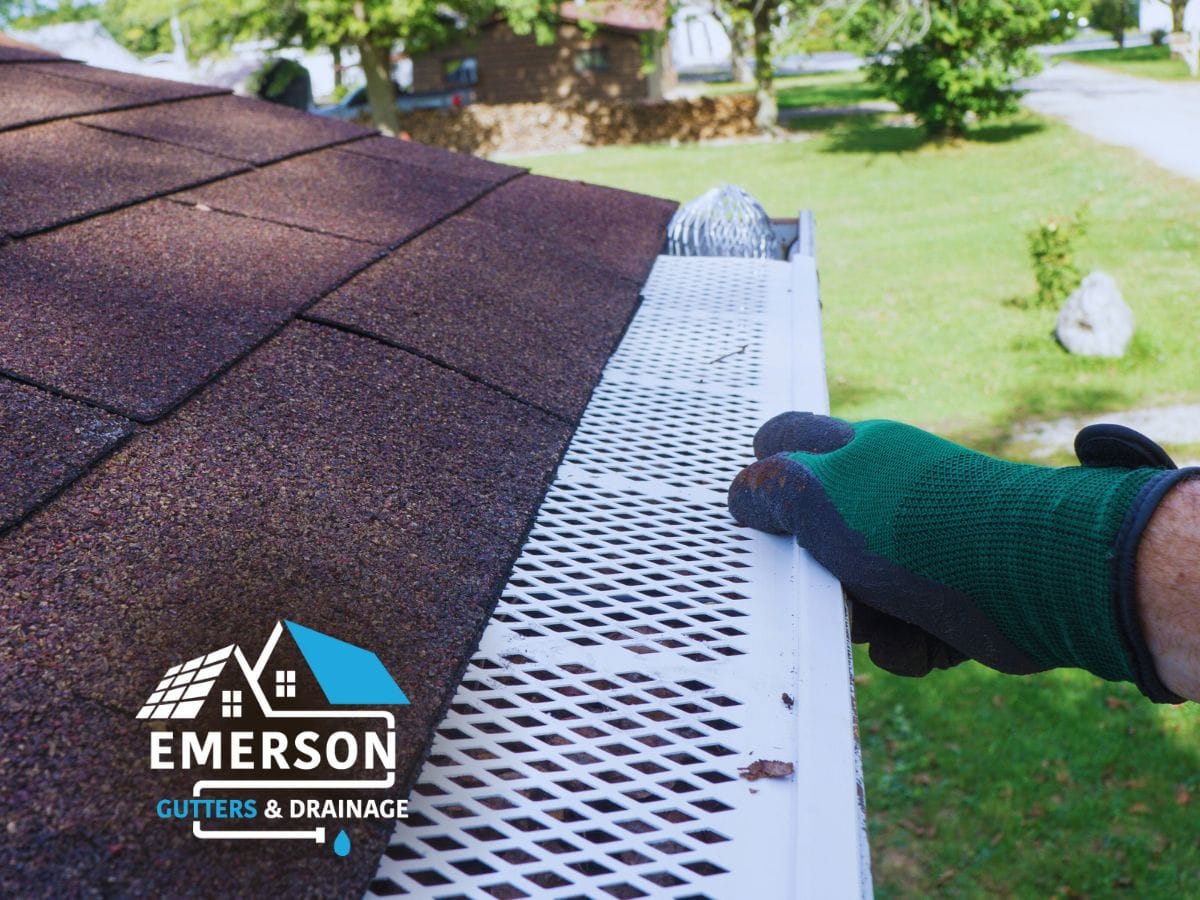
Gutter guards cover the open portion of a gutter while allowing rainwater to enter. Depending on the product, the guard may block large leaves, fine debris, insects, or roof granules.
Common types include:
- Micro-mesh gutter guards
- Metal screens
- Perforated aluminum covers
- Reverse-curve systems
- Foam inserts
- Brush-style guards
Micro-mesh and perforated metal products are popular because they can block many types of debris while maintaining water flow. However, the best option depends on the roof design, nearby trees, rainfall intensity, and existing gutter configuration.
A qualified gutter company can evaluate these factors and recommend a system suitable for the property.
Can Guards Be Added Without New Gutter Installation?
Yes. Most gutter guards are designed to be installed on existing gutters. In many cases, they attach to the gutter lip, rest beneath the first row of shingles, or connect to existing hangers.
New gutter installation may not be necessary when the current system:
- Is securely fastened to the home
- Has the correct slope toward the downspouts
- Does not leak at seams or corners
- Has no major corrosion or structural damage
- Is large enough to handle runoff from the roof
- Has clear, properly positioned downspouts
- Is compatible with the selected guard system
Even gutters that appear functional from the ground may have hidden problems. For this reason, a professional gutter inspection should take place before guards are installed.
Why an Inspection Is Necessary
Installing guards over a damaged gutter system can conceal existing problems and make them more difficult to notice. The guards may reduce debris, but they will not stop water from escaping through failed joints or overflowing from an incorrectly pitched section.
During an inspection, experienced gutter contractors in Garland may examine:
- Gutter pitch and alignment
- Loose or missing hangers
- Leaking joints and end caps
- Rust, cracks, or corrosion
- Damaged fascia boards
- Downspout placement
- Drainage near the foundation
- Roof valleys that produce concentrated runoff
- Compatibility with the proposed gutter guards
The contractor should also determine whether water is moving away from the foundation after leaving the downspouts. Extensions or additional drainage improvements may be recommended when runoff collects near the home.
Existing Gutters Should Be Cleaned First
Professional gutter cleaning should be completed before installing gutter guards. Leaves and sediment trapped underneath a new cover may block water, contribute to corrosion, and create unpleasant odors.
The preparation process commonly includes:
- Removing leaves, twigs, and accumulated debris
- Clearing downspout obstructions
- Flushing the system with water
- Checking for leaks and standing water
- Correcting minor alignment problems
- Confirming that each downspout drains properly
Installing guards over dirty gutters defeats the purpose of the upgrade. Starting with a clean system gives the guards the best opportunity to perform effectively.
When Gutter Repair Is Needed
Minor damage does not always mean the entire system must be replaced. Professional gutter repair may prepare the existing gutters for guard installation.
Common repairs include:
- Resealing leaking joints
- Reattaching loose gutters
- Replacing damaged hangers
- Correcting minor slope problems
- Repairing end caps
- Reconnecting downspouts
- Replacing isolated damaged sections
More extensive problems may require partial or complete replacement. Gutters that are severely corroded, pulling away from the roofline, incorrectly sized, or repeatedly overflowing may not be good candidates for retrofit guards.
Covering a failing system can delay necessary work, but it will not prevent the damage from getting worse.
Can Guards Be Installed on Seamless Gutters?
Yes. Seamless gutters are generally compatible with many gutter guard systems. Because seamless gutters contain fewer joints than traditional sectional gutters, they already reduce the number of areas where leaks may develop.
However, “seamless” does not mean the entire drainage system has no joints. Corners, outlets, and end caps still require connections and should be inspected before guards are added.
The gutter width also matters. Residential systems commonly use standard sizes, while certain homes and commercial buildings require larger gutters. The selected guard must match the profile and dimensions of the existing system.
Gutter Guards for Aluminum Gutters
Aluminum gutters are widely used because they are lightweight, corrosion-resistant, and available in different colors and profiles. Many gutter guard products are designed specifically for aluminum systems.
Before installation, the contractor should check for:
- Bent gutter edges
- Loose fasteners
- Separated corners
- Thin or damaged sections
- Paint or finish deterioration
- Improper slope
Metal guards are often a practical choice for aluminum gutters, but correct attachment is important. Poor installation may distort the gutter lip or place unnecessary pressure on the roof edge.
Gutter Guards for Copper Gutters
Guards can also be installed on copper gutters, but product selection requires additional attention. Copper systems are often chosen for their durability and distinctive appearance, so the guards should complement both their function and design.
The installer should use compatible metals and fasteners. Certain combinations of dissimilar metals can create conditions that contribute to galvanic corrosion. A contractor familiar with copper gutter systems can recommend compatible materials and installation methods.
Installing an inexpensive, poorly matched guard over a premium copper system may affect appearance and long-term performance.
Will Gutter Guards Stop Every Clog?
No gutter guard can guarantee a completely maintenance-free system. Guards reduce the amount of debris entering the gutters, but fine particles can still accumulate over time. Leaves may also collect on top of the guards, especially in roof valleys or areas beneath dense tree coverage.
Periodic maintenance may still include:
- Brushing debris from the guard surface
- Checking valleys after storms
- Clearing downspout outlets
- Looking for water flowing over the gutter edge
- Inspecting fasteners and seals
- Removing accumulated roof granules
The main advantage is that gutter guards can reduce the frequency and difficulty of cleaning. They should be viewed as a maintenance-reduction product rather than a substitute for all future maintenance.
How Garland Weather Affects Gutter Guard Performance
Garland homes can experience intense rain, wind, seasonal debris, and periods of dry weather. Heavy rainfall can send a large amount of water toward gutters within a short period, especially where roof valleys concentrate runoff.
A guard with openings that are too restrictive may struggle during a downpour. Meanwhile, a system with openings that are too large may allow small leaves and debris to enter.
Proper performance depends on more than the guard itself. The roof area, gutter size, downspout capacity, slope, and drainage layout must work together. A professional should evaluate the complete system instead of selecting guards based only on appearance or price.
Residential Gutter Guard Installation
During a residential gutter installation or retrofit project, the contractor should consider the home’s roof pitch, number of stories, landscaping, surrounding trees, and foundation drainage.
Gutter guards may be especially helpful for homes that:
- Are surrounded by mature trees
- Require frequent seasonal cleanings
- Have difficult-to-access rooflines
- Experience recurring downspout clogs
- Accumulate leaves in roof valleys
- Need reduced exterior maintenance
Homeowners should also ask whether the installation method could affect the roof warranty. Some products attach directly to the gutter, while others extend beneath roofing materials.
Commercial Gutter Guard Installation
Commercial gutter installation can involve larger roof areas, higher water volume, specialized drainage components, and more complex access requirements. Guards may help reduce blockages on offices, retail properties, warehouses, and other commercial buildings.
A commercial assessment should address:
- Roof drainage volume
- Gutter and downspout capacity
- Flat-roof or low-slope drainage
- Safe maintenance access
- Nearby landscaping
- Overflow risks near entrances
- Ongoing inspection requirements
Commercial systems should be inspected periodically even after guards are installed. Water overflow can damage exterior finishes, create slippery walkways, and affect areas surrounding the foundation.
When New Rain Gutter Installation Is the Better Choice
Retrofitting guards is not always the most cost-effective decision. A new rain gutter installation may be recommended when the current gutters:
- Have widespread rust or corrosion
- Sag in multiple areas
- Are too small for the roof
- Leak at numerous joints
- Pull away from deteriorated fascia
- Have an incorrect slope
- Require frequent repairs
- Are approaching the end of their useful life
Replacing an extensively damaged system before adding guards creates a more reliable foundation for long-term drainage. The homeowner may also choose seamless gutters, larger downspouts, or a more suitable material during replacement.
Choosing a Gutter Company in Garland
Not all products perform equally on every home. An experienced gutter company should inspect the current system, discuss local debris conditions, and explain the advantages and limitations of available guards.
Before hiring a contractor, ask:
- Will the gutters be inspected and cleaned first?
- Are repairs included in the estimate?
- What type of guard is recommended and why?
- Is the guard compatible with the existing gutter material?
- How will roof valleys and heavy runoff areas be handled?
- What maintenance will still be required?
- Are labor and materials covered by warranties?
- Will the installation affect the roof?
Clear answers can help homeowners avoid products that are poorly suited to their property.
Schedule Gutter Guard Installation in Garland
In most cases, gutter guards can be installed on existing gutters if the system is clean, correctly pitched, securely attached, and free from major damage. A professional evaluation will determine whether cleaning, repairs, or complete replacement should come first.
For gutter guards, gutter inspections, gutter cleaning, repairs, or residential and commercial gutter installations in Garland, Texas contact Emerson Pro Services. Visit emersonproservices.com or call
(214) 972-0811 to discuss your property’s gutter and drainage needs.
Frequently Asked Questions
Can gutter guards be installed on old gutters?
Yes, provided the old gutters remain structurally sound and drain correctly. Severely corroded, sagging, leaking, or undersized gutters should generally be repaired or replaced first.
Do gutters need to be cleaned before installing guards?
Yes. All debris should be removed, the downspouts should be cleared, and the system should be flushed before installation.
Are gutter guards compatible with seamless gutters?
Most seamless gutters can accommodate gutter guards. The guard must match the gutter’s size, profile, hanger placement, and roof configuration.
Will gutter guards eliminate gutter cleaning?
No. They can substantially reduce debris accumulation, but guards and gutters still require periodic inspection and maintenance.
Can guards be installed on copper gutters?
Yes, but the guard, fasteners, and attachment components must be compatible with copper to protect the system and avoid unwanted reactions between metals.
Should damaged gutters be repaired before adding guards?
Yes. Leaks, loose hangers, poor alignment, damaged outlets, and drainage problems should be corrected before installation.
How do I know whether my gutters need replacement?
Multiple leaks, extensive corrosion, recurring sagging, inadequate capacity, deteriorated fascia, or widespread separation may indicate that replacement is more practical than repair.