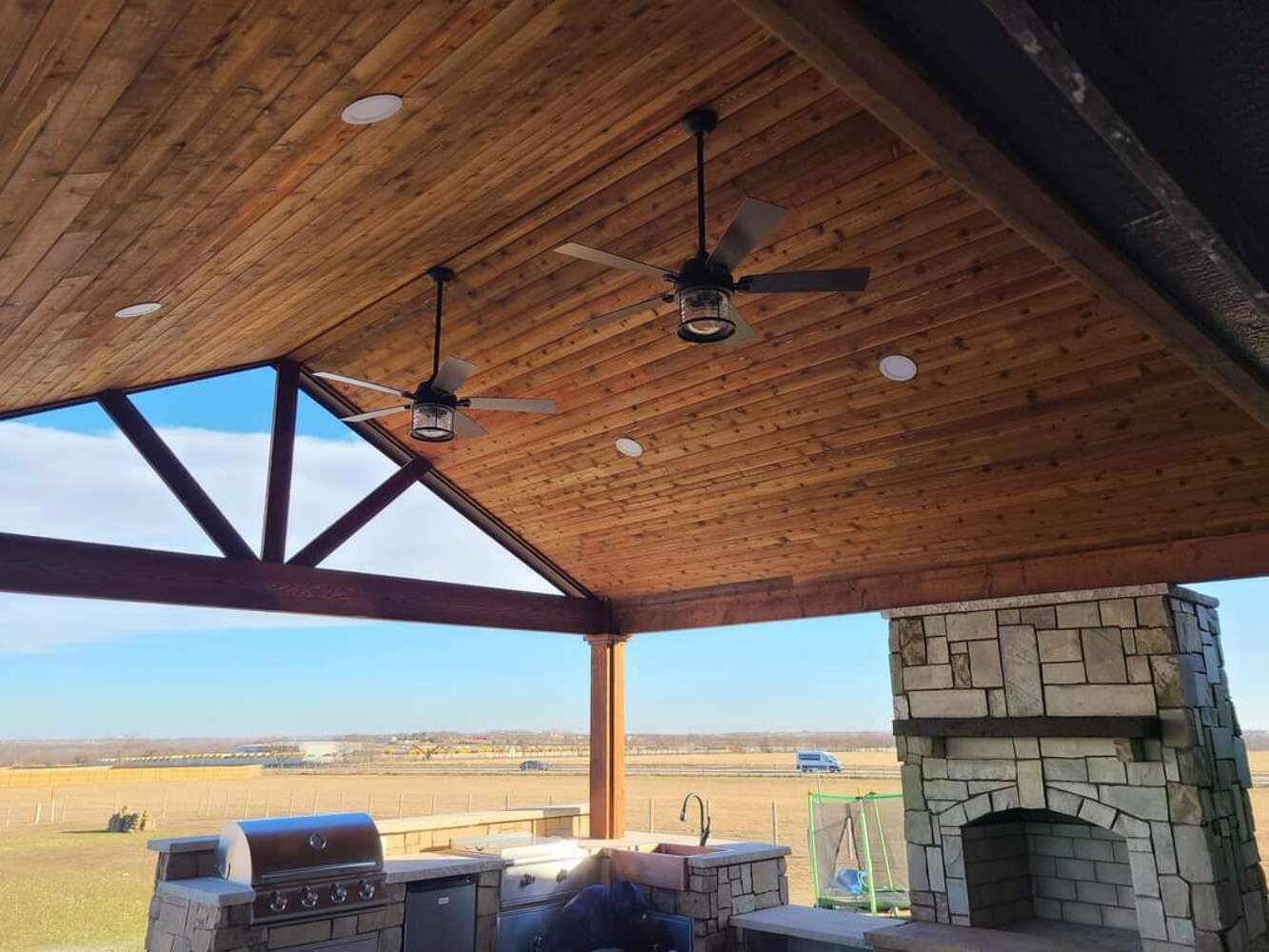







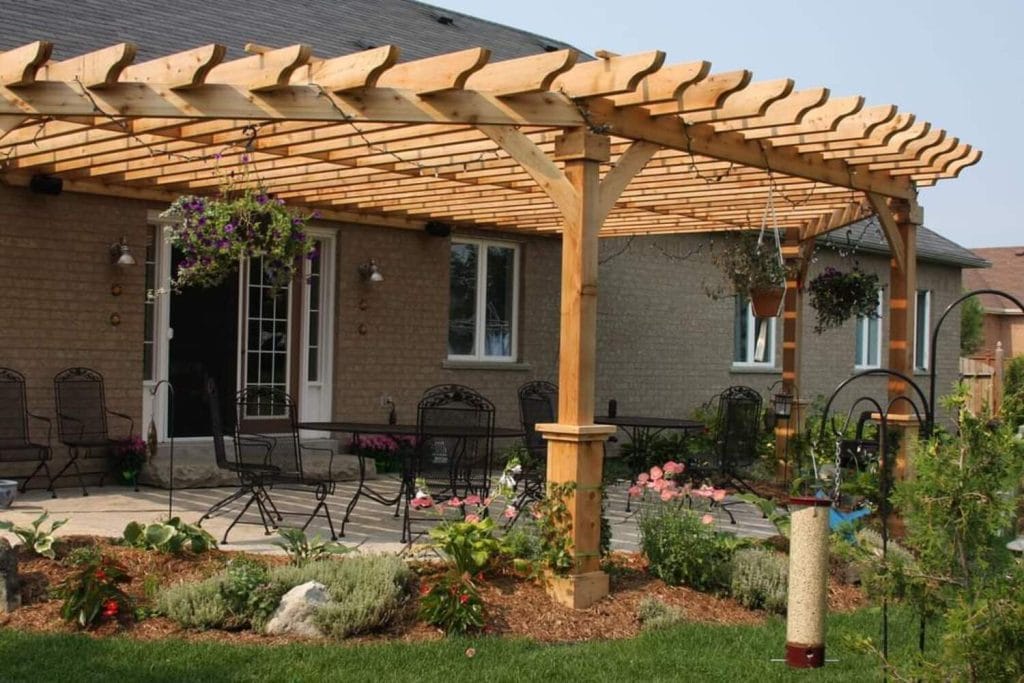
Patios and pergolas are the centerpieces of outdoor living for Texas homeowners. They provide shade, comfort, and a place to gather—especially during warm months. But constant exposure to Texas heat, storms, humidity, and shifting soil can gradually weaken these structures. What starts as a small issue can quickly turn into a safety concern or costly replacement if ignored.
At Emerson Pro Services, we help homeowners across Texas evaluate, repair, and upgrade outdoor living structures every day. Knowing whether your patio or pergola needs a simple repair—or full replacement—can help you protect your investment and avoid bigger problems down the road.
This guide walks through the most common warning signs, explains what they mean, and helps you decide the best next step for your outdoor living space.
Why Patios and Pergolas Deteriorate Faster in Texas
Texas presents unique challenges for outdoor structures, including:
- Intense UV exposure and extreme heat
- Sudden storms, wind, and heavy rain
- High humidity leading to moisture damage
- Expansive clay soil that shifts foundations
- Rapid temperature changes causing material stress
Even well-built patios and pergolas require regular inspection and maintenance in this environment.
Sign #1: Visible Cracks, Splits, or Warping
One of the most obvious signs of trouble is visible damage to structural components.
What to Look For
- Cracks in wood beams or posts
- Warped or twisted boards
- Splintering edges
- Separation at joints or seams
What It Means
Minor surface cracking may be repairable, but deep cracks or widespread warping often signal structural weakness caused by heat, moisture, or age.
Repair vs. Replacement:
- Isolated damage → repair may be sufficient
- Widespread cracking or warping → replacement is often safer and more cost-effective
Sign #2: Leaning or Shifting Structure
If your pergola or patio cover appears uneven or no longer sits level, it’s a serious red flag.
Common Causes
- Soil movement beneath posts
- Improper original installation
- Rot or deterioration at ground contact points
Why This Matters
A leaning structure can continue to shift, stressing connections and increasing the risk of collapse—especially during storms or high winds.
Repair vs. Replacement:
- Minor settling → reinforcement or leveling
- Ongoing movement or unstable posts → full replacement may be required
Sign #3: Soft, Spongy, or Rotted Wood
Wood rot is one of the most common—and dangerous—issues Texas homeowners face with outdoor structures.
Signs of Rot
- Wood that feels soft when pressed
- Dark discoloration or flaking
- Musty odors
- Paint that peels easily
Why It’s Serious
Rot weakens the structure from the inside out. Even if the surface looks fine, compromised wood can fail unexpectedly.
Repair vs. Replacement:
- Localized rot → section replacement or repair
- Rot throughout key supports → full replacement recommended
Sign #4: Loose Connections, Fasteners, or Hardware
Patios and pergolas rely on strong connections to remain stable.
Warning Signs
- Wobbling posts
- Loose bolts or screws
- Rusted or corroded hardware
- Gaps forming at joints
What It Means
Loose connections often indicate movement, material fatigue, or moisture intrusion. Over time, this can affect the entire structure.
Repair vs. Replacement:
- Loose hardware → tightening or replacement
- Repeated loosening or structural movement → replacement may be safer
Sign #5: Sagging Roof or Beams
Sagging is a clear sign that a patio cover or pergola is under stress.
Common Causes
- Water pooling or poor drainage
- Undersized or aging beams
- Long-term exposure to heat
Risks
Sagging beams can eventually fail, especially during storms or heavy rain.
Repair vs. Replacement:
- Minor sagging → structural reinforcement
- Significant sagging → replacement often required
Sign #6: Fading, Peeling, or Chipping Finishes
While fading paint may seem cosmetic, it often indicates more serious underlying issues.
What It Indicates
- UV damage breaking down protective coatings
- Moisture penetrating beneath the surface
- Exposed materials vulnerable to rot or rust
Why It Matters
Once protective finishes fail, damage accelerates quickly—especially in Texas heat.
Repair vs. Replacement:
- Surface wear → refinishing or repainting
- Repeated finish failure → underlying structure may need replacement
Sign #7: Persistent Water Pooling or Drainage Problems
Outdoor living structures should direct water away—not trap it.
Warning Signs
- Standing water on patio surfaces
- Water collecting near posts
- Soil erosion around supports
Risks
Poor drainage leads to rot, shifting foundations, and long-term instability.
Repair vs. Replacement:
- Drainage issues → grading or surface repair
- Structural damage from moisture → replacement may be necessary
Sign #8: Insect Damage or Pest Activity
Texas pests can cause serious damage to wood structures.
Signs to Watch For
- Hollow-sounding wood
- Small holes or tunnels
- Sawdust or debris near posts
Why It’s Concerning
Insect damage often spreads unseen and weakens structural integrity.
Repair vs. Replacement:
- Early damage → treatment and repair
- Extensive infestation → replacement recommended
When Repair Makes Sense
Repair is often the right option when:
- Damage is localized
- Structural integrity is intact
- The structure is relatively new
- Issues are cosmetic or minor
Professional repairs can extend the life of your patio or pergola by many years.
When Replacement Is the Better Investment
Replacement is often the smarter choice when:
- Damage is widespread or recurring
- Structural safety is compromised
- Materials are outdated or deteriorated
- Repairs would exceed long-term value
Modern materials and professional installation provide better durability and lower maintenance—especially in Texas’ climate.
Why Professional Evaluation Matters
DIY assessments can miss hidden issues. At Emerson Pro Services, we evaluate:
- Structural stability
- Material condition
- Drainage and soil impact
- Safety and code considerations
Our goal is to recommend the most cost-effective, long-lasting solution—whether that’s repair or replacement.
Why Texas Homeowners Trust Emerson Pro Services
We specialize in outdoor living solutions designed for Texas conditions.
What sets us apart:
- Expertise in patio and pergola repair
- Professional pergola installation and replacements
- High-quality, weather-resistant materials
- Honest assessments with no pressure
- Trusted service across the Dallas–Fort Worth area
Frequently Asked Questions (FAQs)
How often should patios and pergolas be inspected?
At least once a year and after major storms or extreme weather.
Can a leaning pergola be repaired?
Sometimes. Minor settling can be corrected, but ongoing movement may require replacement.
Is it cheaper to repair or replace?
Small repairs are cheaper upfront, but replacement often saves money long-term if damage is extensive.
How long should a pergola or patio cover last?
With proper installation and maintenance, 15–25 years or more, depending on materials.
Do you offer both repair and replacement services?
Yes. Emerson Pro Services provides repairs, upgrades, and full patio or pergola replacement.
Key Takeaways
- Texas weather accelerates patio and pergola wear
- Cracks, rot, sagging, and shifting are major warning signs
- Early repairs can prevent costly replacements
- Structural damage often requires full replacement
- Professional evaluation ensures safety and long-term value
Schedule a Patio or Pergola Inspection Today
If your patio or pergola is showing signs of wear, don’t wait for the problem to worsen. Emerson Pro Services provides expert repairs, replacements, and new installations designed for Texas homes.
Visit the website: www.emersonproservices.com
📞 Call 972-316-4259
📍 Dallas, TX and surrounding areas
Contact Emerson Pro Services today to protect and restore your outdoor living space.