

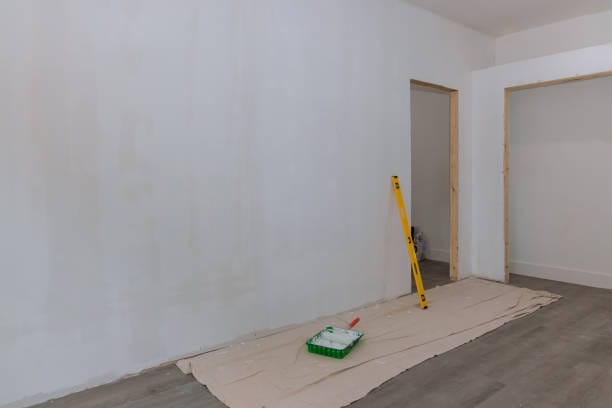
Choosing the right drywall and painting contractor is essential when you want smooth walls, consistent texture, clean paint lines, and a finish that holds up over time. Painting is only the final stage of the process. Before a new coating can be applied, damaged drywall may need to be patched, replaced, taped, finished, sanded, textured, and primed.
Homeowners should therefore compare more than prices. Relevant experience, insurance, preparation methods, materials, communication, property protection, scheduling, and warranty terms can all affect the outcome.
This guide explains what to look for when comparing contractors for drywall and painting services in Plano.
Why Hire One Contractor for Drywall and Painting?
Drywall and painting are closely connected. Paint cannot conceal poorly finished seams, raised patches, loose tape, damaged drywall paper, or mismatched texture. In some cases, a new coating can make these defects even more visible.
A coordinated project normally follows this sequence:
- Inspect the walls and ceilings
- Identify the cause of the damage
- Remove loose or weakened material
- Complete the drywall repair
- Install replacement drywall when necessary
- Tape and finish the joints
- Sand and clean the surface
- Match the existing texture
- Apply the appropriate primer
- Complete the interior or exterior painting
- Inspect and touch up the finished surfaces
Hiring one drywall and painting contractor can simplify this process. It creates one project schedule and clearer responsibility for the completed finish.
Define the Scope of Your Project
Before contacting contractors, create a list of the work you want completed. Include every room and surface that requires attention.
Your project may involve:
- Filling nail and anchor holes
- Repairing dents
- Patching large openings
- Correcting drywall cracks
- Replacing loose joint tape
- Repairing damaged corners
- Restoring water-damaged ceilings
- Matching existing texture
- Replacing complete drywall sections
- Installing drywall in a remodeled room
- Priming repaired surfaces
- Painting walls and ceilings
- Painting trim and doors
- Completing exterior painting
Take photographs of the damage and note whether cracks, stains, or other problems have changed. Tell the contractor about previous leaks, repairs, or building movement.
A clearly defined scope helps contractors provide estimates that are easier to compare.
Look for Relevant Drywall Experience
Not every painting contractor has extensive experience with drywall finishing. Likewise, a contractor who regularly installs drywall may not specialize in producing a polished painted surface.
Ask whether the contractor routinely performs:
- Small drywall patches
- Large drywall repairs
- Ceiling repairs
- Joint-tape replacement
- Corner-bead repair
- Water-damage restoration
- Texture matching
- Drywall replacement
- New drywall installation
- Primer application
- Interior painting
- Exterior painting
Relevant experience is especially important when a repaired area must blend into an existing wall or ceiling.
Ask About Similar Projects
A contractor should be able to explain how they have handled work comparable to yours.
Ask about projects involving:
- Plumbing-access holes
- Ceiling water stains
- Recurring cracks
- Loose drywall tape
- Orange-peel texture
- Knockdown texture
- Smooth-wall finishes
- High or vaulted ceilings
- Whole-room repainting
- Occupied homes
- Remodeling projects
A company may be experienced with new construction but have limited practice matching older wall texture. Another may specialize in painting but subcontract complicated drywall work.
Understanding the contractor’s actual experience can help you determine whether the company is suited to your project.
Review Photos of Completed Work
Project photos can help demonstrate the quality of a contractor’s drywall services and painting work.
Look for:
- Smooth patch transitions
- Consistent wall texture
- Straight ceiling and wall lines
- Clean edges around trim
- Even paint coverage
- Properly protected floors and furniture
- Projects similar to yours
- Clear images taken under normal lighting
Ask whether the photos show work completed by the contractor’s current team. Pictures taken from a distance may not reveal texture differences, rough seams, or uneven paint coverage.
Request an On-Site Inspection
Photographs can help a contractor understand the basic problem, but an on-site inspection is usually more reliable.
A photograph may not reveal:
- Soft drywall
- Moisture
- Loose material
- Bowed surfaces
- Sagging ceilings
- Texture depth
- Poor previous patches
- Limited access
- High ceilings
- Damage behind furniture
An inspection allows the contractor to evaluate the complete surface instead of pricing only the most visible defect.
An in-person evaluation is particularly important for water damage, recurring cracks, ceiling repairs, widespread defects, and projects involving several rooms.
Identify the Cause of Drywall Damage
A responsible drywall and painting service should consider why the damage occurred before recommending a repair.
Possible causes include:
- Plumbing leaks
- Roof leaks
- Window leaks
- Condensation
- Air-conditioning problems
- Poor bathroom ventilation
- Foundation movement
- Framing movement
- Improper drywall installation
- Loose fasteners
- Household impact
- Previous remodeling
A cosmetic patch will not stop damage caused by an active leak or structural movement. The underlying condition may need to be corrected before drywall and painting work begins.
Some problems require evaluation by a plumber, roofer, electrician, foundation specialist, structural professional, or remediation company.
Understand Drywall Repair Versus Replacement
The contractor should explain whether the damaged material can be repaired or must be replaced.
When Drywall Repair May Be Appropriate
Professional drywall repair may be suitable for:
- Small nail holes
- Minor dents
- Limited cracks
- Loose drywall tape
- Small plumbing openings
- Localized impact damage
- Damaged outside corners
- Isolated failed patches
When Drywall Replacement May Be Necessary
Replacement may be recommended when:
- Water has weakened the drywall
- The material is soft or crumbling
- A large section is missing
- Several previous repairs are failing
- The panel is severely bowed or sagging
- Contaminated material must be removed
- Remodeling has exposed the wall cavity
- The existing surface cannot support a dependable finish
The contractor should explain why the proposed method is appropriate. Severely damaged drywall should not be covered with compound simply to reduce the estimate.
Ask About Drywall Installation
If your project includes a new room, modified wall, closed opening, or complete ceiling replacement, ask what is included in the drywall installation price.
The estimate may need to cover:
- Material delivery
- Drywall panels
- Backing or framing
- Fasteners
- Corner bead
- Joint tape
- Joint compound
- Multiple finishing coats
- Sanding
- Texture
- Primer
- Cleanup
- Waste removal
Clarify whether the drywall will be left only installed, fully finished, or completely ready for paint. A low estimate may cover panel installation without texture, primer, or painting.
Evaluate Texture-Matching Skills
Texture matching is one of the most difficult parts of an invisible drywall repair.
Common finishes include:
- Smooth walls
- Orange-peel texture
- Knockdown texture
- Skip-trowel finishes
- Hand-applied texture
- Popcorn-style ceilings
- Custom decorative finishes
Ask how the contractor will identify and reproduce the existing texture. The new texture may need to extend beyond the immediate patch so it can blend into the surrounding surface.
Exact matching can be difficult when the original texture was applied many years ago or has been painted repeatedly. An experienced contractor should discuss realistic expectations rather than promise an invisible repair before examining the surface.
Examine the Preparation Process
Surface preparation has a major effect on the finished result. Ask the contractor to explain every step that will occur before painting.
Preparation may include:
- Moving or covering furniture
- Protecting floors
- Removing wall decorations
- Removing outlet covers
- Cleaning the surface
- Scraping loose paint
- Cutting out damaged drywall
- Applying joint compound
- Sanding repairs
- Removing dust
- Caulking appropriate joints
- Matching texture
- Applying primer
- Masking adjacent surfaces
A detailed preparation plan is more meaningful than a proposal that focuses only on paint colors or brand names.
Ask How Dust Will Be Controlled
Drywall sanding can produce fine dust that spreads into adjacent rooms and settles on furniture, flooring, cabinets, and electronics.
Ask how the contractor will protect:
- Furniture
- Flooring
- Cabinets
- Electronics
- HVAC returns
- Doorways
- Hallways
- Nearby rooms
- Personal belongings
Dust-control methods may include plastic barriers, protective coverings, localized containment, sanding equipment with dust collection, and careful final cleaning.
Homeowners should still remove fragile, valuable, and difficult-to-clean items from the work area before the project begins.
Confirm the Primer Requirements
Fresh joint compound and exposed drywall paper can absorb paint differently from the surrounding wall. Without proper primer, repaired areas may remain visible because of changes in color or sheen.
Depending on the surface, the contractor may recommend:
- Drywall primer
- Stain-blocking primer
- Bonding primer
- Moisture-resistant primer
- Spot priming
- Complete-wall priming
Not every project requires the same product. The contractor should explain which primer will be used and whether it will be applied only to repairs or across the entire surface.
Review the Proposed Paint Products
A written proposal should identify more than the paint manufacturer. Most manufacturers offer several product lines at different quality and price levels.
Confirm:
- Manufacturer
- Product line
- Color
- Sheen
- Number of coats
- Primer requirements
- Specialty performance features
- Whether materials are included
- Who keeps leftover paint
The correct product depends on the room, surface, expected use, and desired appearance.
Bathrooms, kitchens, children’s rooms, trim, ceilings, and exterior surfaces may require different coatings.
Interior Painting Considerations
Professional interior painting should account for appearance, durability, cleaning requirements, room use, and lighting.
The scope may include:
- Walls
- Ceilings
- Baseboards
- Crown molding
- Doors
- Door frames
- Window trim
- Closets
- Built-in shelving
- Accent walls
Confirm which surfaces are included. An estimate for walls alone should not be compared directly with one that also covers ceilings, trim, and doors.
Ask how furniture, floors, fixtures, and adjoining rooms will be protected during the project.
Exterior Painting Considerations
If the project includes exterior painting, the contractor should understand surface preparation, weather restrictions, and material compatibility.
Exterior work may require:
- Washing
- Scraping
- Sanding
- Siding repair
- Fascia repair
- Caulking
- Rust treatment
- Bare-surface primer
- Landscaping protection
- Weather monitoring
- Controlled spray application
Exterior paint should not be applied to damp, dirty, loose, or deteriorated material. Air temperature, surface temperature, sunlight, humidity, wind, and rain forecasts can affect the schedule.
Compare Detailed Written Estimates
Obtain written estimates that describe the scope in enough detail to make meaningful comparisons.
Review the following:
| Estimate category | What should be explained |
|---|---|
| Damage removal | Material being removed and disposal procedures |
| Drywall work | Repair, replacement or new installation |
| Finishing | Tape, compound, corner bead and sanding |
| Texture | Type, application area and blending method |
| Primer | Product and application areas |
| Paint | Manufacturer, product line, color and sheen |
| Coats | Number of primer and finish coats |
| Surfaces | Walls, ceilings, trim, doors and closets |
| Protection | Floors, furniture, fixtures and nearby rooms |
| Cleanup | Dust control, daily cleanup and final disposal |
| Schedule | Start date, duration and drying time |
| Payment | Deposit, progress payments and final balance |
| Warranty | Coverage, duration and exclusions |
A proposal that says only “repair drywall and paint room” does not provide enough detail.
Do Not Compare Price Alone
The lowest estimate is not always the best value. A lower price may reflect:
- Less preparation
- Limited drywall finishing
- No texture matching
- Spot painting instead of full-wall painting
- No primer
- One finish coat
- Lower-grade paint
- Limited property protection
- Excluded cleanup
- No written warranty
Compare the complete scope, materials, workmanship, and project process before choosing a contractor.
A carefully finished repair may cost more initially but reduce the risk of visible patches, recurring cracks, or repainting.
Confirm Insurance and Business Information
Before allowing a contractor to work inside or around your home, request appropriate business and insurance information.
This may include:
- General liability insurance
- Workers’ compensation information
- Business name
- Physical or mailing address
- Phone number
- Written contract
- References
- Warranty terms
- Applicable permits or registrations
Verify that the documentation is current and applies to the company performing the work.
Requirements can vary by project and location. Homeowners should confirm any applicable Plano and Texas requirements before construction begins.
Read Reviews for Specific Details
Online reviews can be useful, but the overall rating does not tell the entire story.
Look for repeated comments about:
- Communication
- Punctuality
- Drywall finishing
- Texture matching
- Surface preparation
- Paint coverage
- Cleanliness
- Furniture protection
- Schedule management
- Handling of corrections
- Final cleanup
Detailed reviews about similar work are often more helpful than short reviews that provide no information about the project.
If possible, ask previous customers whether the final cost matched the estimate and whether the contractor returned to address corrections.
Assess Communication During the Estimate
The estimating process can reveal how the contractor may communicate during the project.
Positive signs include:
- Arriving as scheduled
- Inspecting the complete problem
- Asking about previous damage
- Explaining repair options
- Discussing texture and primer
- Providing a written scope
- Answering questions directly
- Setting realistic expectations
- Following up consistently
A qualified painting contractor should be willing to explain the preparation and application process instead of relying on high-pressure sales tactics.
Review the Project Schedule
Drywall work may require several stages because joint compound, texture, primer, and paint need adequate drying time.
Ask:
- When will the project begin?
- How many working days are expected?
- Will return visits be required?
- Which rooms will be unavailable?
- What could delay the schedule?
- How will changes be communicated?
- When can furniture be moved back?
- When can the walls be cleaned?
Be cautious of a schedule that does not allow reasonable drying time between stages.
Establish a Communication Process
Before work begins, identify:
- The primary contact
- The project supervisor
- How updates will be provided
- Who can approve changes
- How hidden damage will be documented
- How additional costs will be authorized
- When walkthroughs will occur
- Who will complete the final inspection
Color selections, paint finishes, repairs, and additional work should be documented in writing.
Understand Change Orders
Hidden conditions may become visible after damaged drywall is removed. Homeowners may also decide to add rooms or surfaces after the original contract is signed.
A written change order should state:
- The revised work
- Added or removed materials
- Price adjustments
- Schedule changes
- Required approval
Avoid relying on verbal agreements. Written documentation helps the homeowner and contractor understand the updated scope.
Ask About Payment Terms
The contract should clearly explain:
- Deposit amount
- Progress payments
- Final payment
- Accepted payment methods
- Conditions for additional charges
- Change-order procedures
- Requirements for project completion
Be cautious if a contractor requests full payment before work begins. Keep copies of estimates, contracts, invoices, receipts, product information, and approved changes.
Understand the Warranty
A workmanship warranty should explain what is covered, how long coverage lasts, and what is excluded.
Ask whether the warranty covers:
- Paint adhesion
- Peeling
- Cracked patches
- Loose joint tape
- Workmanship defects
- Required touch-ups
Exclusions may apply to new leaks, structural movement, foundation movement, impact damage, homeowner alterations, or work performed by other contractors.
Written warranty terms are more reliable than a general promise to correct any future problem.
Watch for Contractor Warning Signs
Consider continuing your search if a contractor:
- Refuses to provide a written estimate
- Cannot explain the preparation process
- Will not identify paint products
- Avoids insurance questions
- Recommends painting over active water damage
- Promises perfect texture matching without inspection
- Requests full payment in advance
- Uses high-pressure sales tactics
- Provides unclear business information
- Suggests an unrealistic schedule
- Has no dust-control plan
- Changes prices without written approval
- Cannot explain cleanup or warranty terms
Several warning signs may indicate poor project management or incomplete workmanship.
Prepare Your Home for the Project
Once you select a contractor, ask what must be completed before the crew arrives.
Preparation may include:
- Removing artwork
- Moving small belongings
- Clearing shelves
- Securing valuables
- Moving furniture from the walls
- Removing curtains
- Providing access to damaged areas
- Securing pets
- Establishing safe routes for children
- Confirming parking
- Identifying material-storage areas
- Finalizing paint colors
Do not complete your own drywall patches unless the contractor approves the materials and method. Correcting a poorly finished repair can add time and cost.
Conduct a Final Walkthrough
Inspect the completed work with the contractor before the project is formally closed.
Check:
- Patched areas
- Drywall seams
- Repaired corners
- Texture consistency
- Paint coverage
- Color and sheen
- Ceiling and wall transitions
- Trim lines
- Doors and frames
- Previously identified defects
- Reinstalled outlet covers
- Floors and furniture
- Final cleanup
View the walls from different angles and under normal room lighting. Smooth and higher-sheen surfaces may reveal defects more readily.
Document incomplete work or corrections in writing and establish when they will be completed.
Questions to Ask a Drywall and Painting Contractor
Use this checklist when comparing providers:
- Do you regularly complete both drywall and painting work?
- Have you handled projects similar to mine?
- Will you inspect the damage in person?
- What caused the drywall damage?
- Should the material be repaired or replaced?
- How will you match the existing texture?
- What surface preparation is included?
- Which primer will you use?
- Which paint brand and product line are included?
- How many finish coats will be applied?
- How will you control dust?
- How will you protect floors and furniture?
- Who will supervise the project?
- How long will the work take?
- How are changes handled?
- What insurance coverage do you carry?
- Is cleanup included?
- What warranty do you provide?
Clear, specific answers can help you distinguish a carefully prepared proposal from an incomplete one.
Choose Emerson Pro Services for Drywall and Painting
Choosing a qualified drywall and painting contractor requires evaluating more than price. Homeowners should compare relevant experience, repair methods, texture matching, surface preparation, paint products, property protection, communication, and warranty terms.
Emerson Pro Services provides professional drywall and painting services in Plano and throughout the Dallas–Fort Worth Metroplex. Available services include drywall repair, drywall installation, drywall replacement, texture matching, surface preparation, interior painting, and exterior painting.
Whether you need one damaged wall restored or several rooms repainted, Emerson Pro Services can inspect the surfaces and develop a project-specific plan.
Contact Emerson Pro Services to request an estimate from a drywall and painting contractor in Plano, TX.
Contact Details:
1100 E Plano Pkwy #102, Plano, TX
972-947-5654
www.emersonproservices/plano/paint-drywall/
Frequently Asked Questions
What should I look for in a drywall and painting contractor?
Look for relevant experience, appropriate insurance, detailed written estimates, clear preparation methods, specified materials, property-protection procedures, reliable communication, references, and written warranty terms.
Is it better to hire one contractor for drywall and painting?
Hiring one contractor can improve coordination and create clearer responsibility for the final surface. Confirm that the company has experience with drywall finishing, texture matching, priming, and painting.
What should a drywall and painting estimate include?
The estimate should describe repairs, replacement, installation, finishing, sanding, texture, primer, paint products, coats, included surfaces, protection, cleanup, scheduling, payment terms, and warranty coverage.
Should drywall repair be completed before painting?
Yes. Holes, cracks, dents, loose tape, damaged corners, and uneven patches should be repaired, finished, sanded, cleaned, and primed before paint is applied.
Can a contractor match an existing wall texture?
An experienced contractor can often produce a close match. Results depend on the texture type, age, previous paint layers, repair size, and original application method.
When is drywall replacement necessary?
Replacement may be required when drywall is extensively water-damaged, soft, crumbling, contaminated, severely sagging, or too damaged to provide a stable surface.
Why is primer needed after drywall repair?
Fresh joint compound and drywall paper may absorb paint differently from the surrounding wall. Primer helps create a more uniform surface and can improve adhesion or block stains.
Should I choose the lowest estimate?
Not automatically. A lower estimate may exclude preparation, primer, texture matching, additional coats, full-wall painting, property protection, cleanup, or warranty coverage.
How long do drywall and painting projects take?
The schedule depends on the number and size of repairs, drying time, texture requirements, primer, paint coats, room access, and overall project size.
What should I inspect during the final walkthrough?
Check the repairs, seams, texture, paint coverage, color consistency, trim lines, previously identified defects, reinstalled components, property protection, and cleanup.