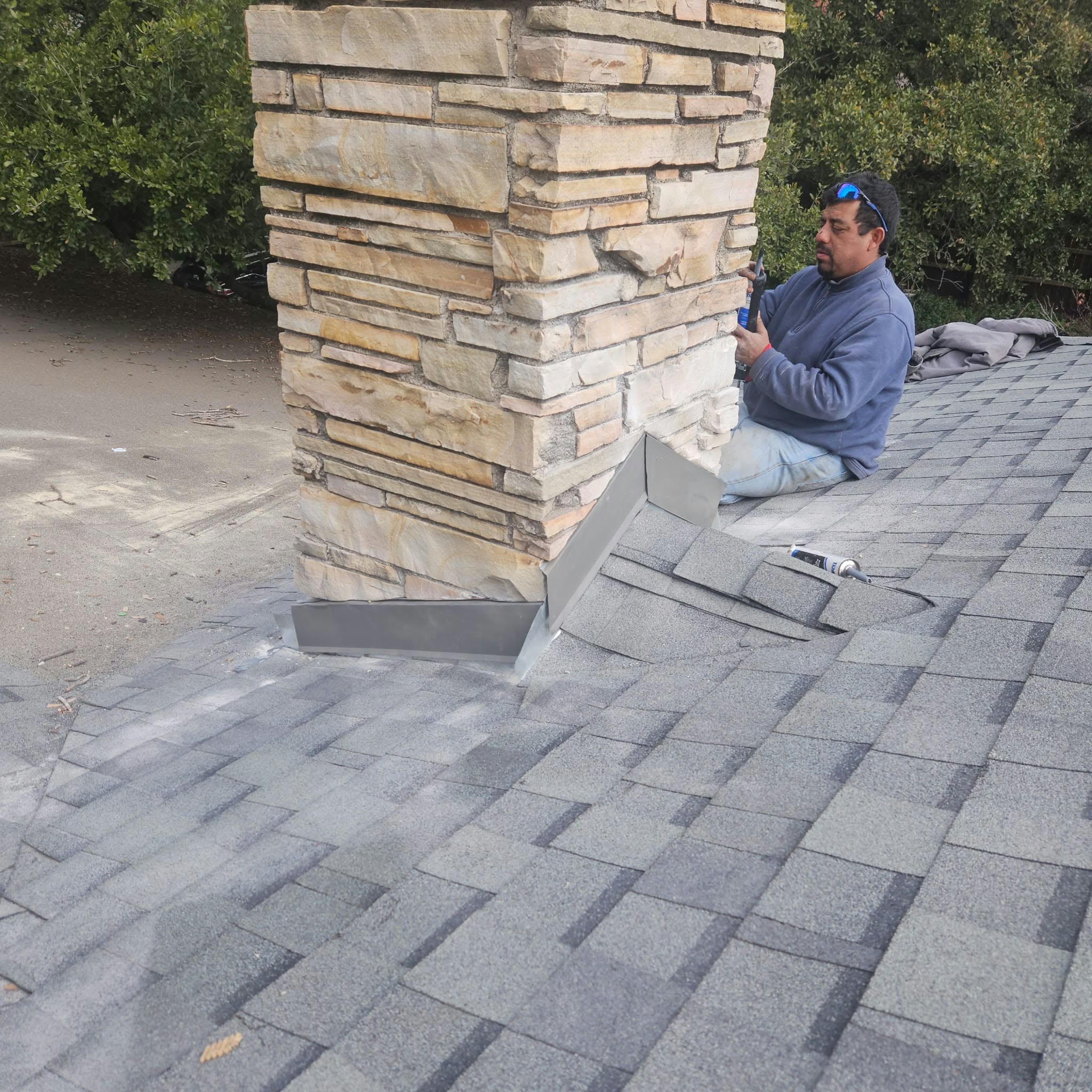


The average chimney repair cost in Dallas–Fort Worth can range from approximately $150 for a minor cap, crown, or flashing repair to $7,000 or more for extensive liner replacement, structural masonry restoration, or partial chimney rebuilding. The final price depends on the damaged component, chimney height, accessibility, materials, labor requirements, and whether hidden deterioration is discovered during inspection.
As a general planning guide, Dallas–Fort Worth homeowners may encounter the following price ranges:
- Minor crown sealing or repair: approximately $150–$400
- Chimney cap replacement: approximately $150–$600
- Flashing or localized leak repair: approximately $150–$600
- Masonry repointing: approximately $500–$2,500
- Crown rebuilding: approximately $1,000–$3,000
- Flue-liner repair or replacement: approximately $2,500–$7,000 or more
These figures are not fixed quotes. Every chimney has a different design, condition, height, and level of accessibility. A professional inspection is the best way to determine which repair is actually needed and what it will cost.
Why Chimney Repair Costs Vary So Much
A chimney is not one simple component. It may include brick or stone masonry, mortar, a crown or chase cover, flashing, a cap, one or more flue liners, dampers, smoke chambers, appliance connections, and a firebox.
A small crack in exterior sealant may require a focused repair. A damaged flue liner, leaning chimney, or widespread masonry failure may require specialized materials, scaffolding, demolition, and reconstruction.
The chimney repair cost may be influenced by:
- Type and extent of damage
- Chimney height
- Roof pitch
- Roof and chimney accessibility
- Number of flues
- Liner material
- Masonry type
- Need for scaffolding or lifts
- Required demolition
- Hidden moisture damage
- Custom fabrication
- Permit or inspection requirements
- Debris removal
- Emergency scheduling
- Seasonal demand
A price provided without inspecting the chimney should usually be treated as an initial estimate rather than a final quote.
Typical Chimney Repair Costs in Dallas–Fort Worth
The following ranges can help homeowners understand the relative cost of common projects. Actual prices may be lower or higher depending on the property and repair scope.
Chimney Cap Replacement: Approximately $150–$600
A chimney cap helps prevent rain, animals, leaves, and other debris from entering the flue. It may also include screening designed to discourage larger pests.
Cap replacement costs depend on:
- Flue size
- Number of flues
- Cap material
- Chimney dimensions
- Roof accessibility
- Custom fabrication
- Damage to the surrounding crown or chase cover
A standard single-flue cap is generally less expensive than a large custom cap covering several flues or the entire chimney top.
If a missing cap has allowed water or nesting material into the flue, the project may also require inspection and chimney cleaning.
Chimney Crown Repair: Approximately $150–$400
The crown is the concrete or masonry surface at the top of many masonry chimneys. It should direct water away from the flue and exterior walls.
Minor crown work may involve sealing appropriate hairline cracks or repairing localized defects. This is different from simply applying ordinary caulk over severely deteriorated material.
The cost may increase when:
- Cracks are wide or numerous
- Sections are loose
- Water has entered the masonry
- The crown lacks suitable slope
- Previous repairs must be removed
- Access requires additional equipment
Minor crown problems are usually less expensive to address before they develop into widespread deterioration.
Chimney Crown Rebuilding: Approximately $1,000–$3,000
A crown may need rebuilding when it is severely cracked, poorly constructed, extensively spalled, or separating from the chimney.
Reconstruction may require:
- Removing the failed crown
- Preparing the masonry
- Installing forms
- Placing reinforced material
- Creating suitable slope
- Forming an overhang or drip edge
- Sealing around flue penetrations
- Allowing proper curing time
The chimney’s width, number of flues, height, and accessibility affect the final price.
Chimney Flashing Repair: Approximately $150–$600
Flashing seals the intersection between the chimney and roof. A localized flashing repair may fall near the lower part of the range, while more extensive replacement can cost more.
Pricing depends on:
- Type of roofing
- Chimney dimensions
- Roof pitch
- Flashing material
- Existing installation
- Extent of water damage
- Need to remove roofing materials
- Accessibility
Water stains near a chimney do not always prove that flashing is the source. Rain can also enter through a damaged cap, crown, chase cover, mortar joint, or porous masonry.
Professional chimney services should identify the likely entry point before recommending repairs. Repeatedly applying roof cement or sealant may temporarily hide the symptom without correcting the underlying defect.
Masonry Repointing: Approximately $500–$2,500
Repointing, sometimes called tuckpointing, involves removing deteriorated mortar from joints and replacing it with compatible new mortar.
The fireplace masonry repair cost depends on:
- Number of damaged joints
- Chimney height
- Brick or stone type
- Mortar compatibility
- Access requirements
- Depth of deterioration
- Need for brick replacement
- Extent of cleaning and preparation
A few localized joints may require a modest repair. Widespread mortar failure across several sides of a tall chimney can cost considerably more.
Mortar should be selected for compatibility with the existing masonry. Using an unsuitable mix may contribute to additional brick damage.
Brick Replacement and Spalling Repair
Individual brick replacement may be combined with repointing when bricks have cracked, loosened, or lost their outer surfaces.
Spalling occurs when the face of a brick flakes, chips, or separates. Moisture penetration, temperature changes, incompatible repairs, and long-term weather exposure can contribute to this condition.
The price depends on:
- Number of bricks
- Availability of matching materials
- Location of the damaged area
- Condition of surrounding mortar
- Need for structural support
- Access and safety requirements
Replacing a few damaged bricks generally costs less than rebuilding an entire chimney wall. However, visible spalling may indicate a larger moisture problem that should also be addressed.
Flue-Liner Repair or Replacement: Approximately $2,500–$7,000 or More
The flue liner helps contain heat and combustion gases while protecting surrounding construction. Liner work is often one of the more expensive chimney repairs because much of the system is concealed inside the masonry.
Potential liner problems include:
- Cracked clay tiles
- Missing mortar joints
- Corroded metal
- Gaps between sections
- Improper sizing
- Heat damage
- Damage from a chimney fire
- Incompatibility with a replacement appliance
The final cost depends on:
- Chimney height
- Flue dimensions
- Number of flues
- Liner material
- Existing liner condition
- Appliance type
- Required insulation
- Need to remove obstructions
- Complexity of the flue path
A Level 2 inspection with internal video scanning may be recommended before liner repair or replacement. This helps document the condition and determine whether relining is necessary.
Firebox Repair Costs
The firebox is the area in which the fire burns. Cracked firebrick, deteriorated mortar, damaged refractory panels, and corroded metal components may require fireplace repair.
Costs vary significantly because the project could involve:
- Repairing several mortar joints
- Replacing individual firebricks
- Installing factory-approved refractory panels
- Rebuilding a large portion of the firebox
- Correcting damage around the throat or damper
- Restoring adjacent smoke-chamber surfaces
Factory-built fireplaces require components compatible with the specific system. Ordinary firebrick or generic panels should not automatically be substituted for listed parts.
Smoke-Chamber Repair Costs
The smoke chamber directs combustion gases from the firebox into the flue. Rough surfaces, gaps, deteriorated mortar, or damaged masonry may require restoration.
Smoke-chamber work can be more expensive than a visible firebox repair because access is limited. The contractor may need specialized tools and materials to reach and restore the internal surfaces.
The price depends on:
- Chamber size
- Accessibility
- Extent of deterioration
- Deposit buildup
- Required preparation
- Repair method
- Whether additional liner work is needed
Cleaning and inspection are often necessary before the full extent of damage can be assessed.
Chimney Waterproofing Costs
Appropriate masonry water-repellent treatments can help limit rain absorption while allowing vapor to escape. However, waterproofing should not be used as a substitute for repairing cracks, missing mortar, damaged crowns, or faulty flashing.
The price depends on:
- Chimney size
- Masonry material
- Surface preparation
- Number of applications
- Product type
- Accessibility
- Repairs required before treatment
A contractor should address active defects before applying a protective treatment.
Partial or Complete Chimney Rebuilding
A chimney may require partial rebuilding when upper courses are loose, severely deteriorated, or structurally unstable. A complete rebuild may be considered when damage affects much of the structure.
Rebuilding can cost several thousand dollars and may exceed the price of most routine repairs.
Cost factors include:
- Height and width
- Number of masonry courses
- Brick or stone selection
- Demolition
- Disposal
- Scaffolding
- Structural reinforcement
- Crown construction
- Flue work
- Flashing
- Roof repairs
- Permits or inspections
A qualified evaluation should determine whether localized restoration is practical or whether rebuilding provides a more dependable solution.
Does Chimney Cleaning Affect the Repair Cost?
Professional chimney cleaning may be recommended before certain repairs or inspections. Removing soot, creosote, and debris can make internal surfaces easier to evaluate.
Emerson Pro Services lists a typical Dallas chimney sweep and cleaning range of approximately $130–$380, with prices varying based on buildup, access, chimney configuration, and whether additional inspection is required.
Cleaning may cost more when the system contains:
- Heavy creosote
- Hardened glaze
- Animal nests
- Significant debris
- Multiple flues
- Difficult offsets
- Limited access
Cleaning is not a repair. It does not restore damaged liners, mortar, masonry, caps, crowns, or flashing.
How Inspection Costs Affect the Total
A chimney inspection is often the first step in developing an accurate repair plan.
A Level 1 inspection evaluates readily accessible components and is generally appropriate when the system has not changed. A Level 2 inspection normally includes internal video scanning and is more appropriate after certain events, including:
- Chimney fires
- Significant storms
- Property transfers
- Appliance changes
- Fuel conversions
- Operating malfunctions
- Suspected liner damage
- Plans to reline the chimney
Emerson Pro Services lists typical Dallas inspection prices of approximately $75–$250 for a Level 1 inspection and $150–$500 for a Level 2 inspection. Confirm whether the inspection is included in the repair estimate or billed separately.
Why Dallas–Fort Worth Weather Affects Chimney Costs
North Texas chimneys are exposed to intense sunlight, heavy rain, high winds, hail, humidity, and occasional hard freezes. These conditions can damage different parts of the system.
Storm Damage
Wind and hail may damage caps, chase covers, flashing, and exterior masonry. Falling limbs may create impact damage.
Water Absorption
Cracked crowns and open mortar joints allow water into masonry. Repeated wetting can accelerate deterioration and lead to interior staining.
Temperature Changes
Water absorbed into masonry may expand during freezing weather. Although North Texas freeze periods are shorter than those in northern states, sudden temperature drops can still affect saturated materials.
Long Periods of Inactivity
Fireplaces may remain unused for much of the year. During this time, pests, debris, corrosion, and leaks can develop without obvious signs.
Correcting moisture or maintenance problems early can help prevent a minor repair from becoming a larger structural project.
Repair or Replace: Which Is More Cost-Effective?
A targeted repair may be practical when damage is localized and the remaining system is structurally sound.
Repair may be appropriate for:
- A damaged cap
- Minor crown cracks
- Localized flashing problems
- Several failed mortar joints
- Limited firebox damage
- Individual spalled bricks
- A repairable damper
More extensive work may be necessary when:
- The chimney is leaning
- Large masonry sections are loose
- The liner has widespread damage
- Repeated repairs have failed
- The fireplace is incompatible with the chimney
- Water has damaged concealed materials
- Major portions require demolition
- The system no longer meets the needs of the connected appliance
A new chimney installation or substantial reconstruction may cost more initially but can be more practical than repeatedly repairing a severely deteriorated or unsuitable system.
Chimney Repair vs. Fireplace Repair
The terms are related but not interchangeable.
Chimney repair may address:
- Chimney caps
- Crowns
- Chase covers
- Flashing
- Exterior masonry
- Flue liners
- Mortar joints
- Structural movement
Fireplace repair may address:
- Firebrick
- Refractory panels
- Dampers
- Doors
- Gas components
- Inserts
- Hearths
- Smoke chambers
A single project may involve both. For example, water entering through a cracked crown may damage the chimney masonry, liner, damper, and firebox.
Signs You Should Request a Repair Estimate
Arrange an inspection and written estimate if you notice:
- White stains on exterior masonry
- Cracked or missing mortar
- Spalling brick
- Water inside the fireplace
- Ceiling stains near the chimney
- Rusted dampers or firebox components
- Smoke entering the room
- A strong smoky odor
- Pieces of flue tile in the firebox
- A missing chimney cap
- Cracked crown material
- Loose flashing
- Leaning masonry
- Evidence of a chimney fire
Stop using the fireplace if the chimney appears unstable, combustion gases enter the room, flue-tile pieces are falling, or a chimney fire may have occurred.
How to Compare Chimney Repair Estimates
Two estimates may have different totals because they include different materials, preparation methods, access equipment, or repair areas.
A detailed estimate should explain:
- Components being repaired
- Existing materials being removed
- Surface preparation
- Replacement materials
- Masonry or liner specifications
- Scaffolding or lift requirements
- Waterproofing
- Flashing work
- Cleanup and debris removal
- Permit responsibilities
- Project schedule
- Warranty terms
- Conditions that could change the price
Ask whether the proposal corrects the source of the problem or only covers the visible symptom.
For example, replacing stained drywall will not stop a chimney leak. Applying sealant over loose mortar will not restore the masonry. Cleaning the flue will not repair a cracked liner.
Can Chimney Repair Be Completed in Phases?
Some projects can be divided into phases, but urgent safety and water-intrusion problems should be addressed first.
A practical order may be:
- Correct immediate venting or structural hazards
- Stop active water entry
- Repair the liner or appliance connection
- Restore damaged masonry
- Complete chimney cleaning
- Apply appropriate protective treatments
- Perform cosmetic interior repairs
The contractor should explain whether delaying any portion of the work could allow deterioration to continue.
How Preventive Maintenance Can Reduce Repair Costs
Preventive maintenance cannot eliminate every repair, but it can help identify problems while they are still limited.
Useful steps include:
- Scheduling annual inspections
- Cleaning the chimney when deposits require it
- Keeping the cap in good condition
- Repairing crown cracks promptly
- Monitoring mortar joints
- Investigating water stains
- Maintaining flashing
- Using appropriately seasoned firewood
- Following appliance instructions
- Requesting an inspection after severe storms
- Avoiding unapproved fireplace modifications
A small cap or crown repair is generally less expensive than restoring masonry and interior materials after years of water exposure.
Schedule Chimney Repair in Dallas–Fort Worth
The exact chimney repair cost depends on the damaged component, extent of deterioration, chimney design, materials, and accessibility. Minor repairs may cost a few hundred dollars, while liner replacement, widespread masonry restoration, or rebuilding can cost several thousand.
Emerson Pro Services provides chimney and fireplace services in Dallas–Fort Worth, including inspections, chimney cleaning, chimney repair, fireplace repair, fireplace masonry, waterproofing, and installation.
To arrange an inspection and written repair estimate, call Emerson Pro Services at 469-212-7906.
At Emerson Chimney & Fireplace, we offer a wide range of chimney caps and professional installation services to ensure your home remains safe and efficient. Visit us at 16135 Preston Rd Ste 105, Dallas, TX 75248 for expert advice and services tailored to your chimney and fireplace needs. For more information, visit our website at www.emersonproservices.com.
Frequently Asked Questions
What is the average chimney repair cost in Dallas–Fort Worth?
Minor repairs may begin around $150–$600. Masonry repointing may range from approximately $500–$2,500, crown rebuilding from $1,000–$3,000, and flue-liner replacement from $2,500–$7,000 or more. The exact cost requires an inspection.
How much does chimney-cap replacement cost?
A typical chimney-cap replacement may cost approximately $150–$600. Custom caps, multiple flues, difficult roof access, and surrounding damage can increase the price.
How much does chimney-crown repair cost?
Minor crown sealing or localized repair may cost approximately $150–$400. Rebuilding a severely deteriorated crown may range from approximately $1,000–$3,000.
How much does chimney flashing repair cost?
Localized flashing or leak repairs may cost approximately $150–$600, although complete replacement or repairs involving roofing damage may cost more.
How much does chimney repointing cost?
Masonry repointing may range from approximately $500–$2,500. The total depends on chimney height, affected area, mortar condition, material compatibility, and access.
How much does chimney-liner replacement cost?
Flue-liner repair or replacement may cost approximately $2,500–$7,000 or more. Chimney height, flue size, liner material, appliance type, insulation, and installation complexity affect the price.
Does homeowners insurance cover chimney repair?
Coverage depends on the policy and cause of damage. Sudden storm or impact damage may be treated differently from deterioration caused by age, neglected maintenance, or long-term water entry. Homeowners should review their policy and speak with their insurer.
Is chimney cleaning included with a repair?
Not always. Cleaning, inspection, and repair may be priced separately. Ask the contractor to specify which services are included in the written estimate.