

A fireplace can make a living room feel warmer and more inviting, but the experience varies significantly depending on the fuel. Gas fireplaces offer quick ignition and convenient controls, while a wood-burning fireplace provides natural flames, crackling sounds, and the traditional process of building a fire.
Neither option is automatically best for every Dallas home. The right choice depends on how often you expect to use the fireplace, the available venting and fuel source, the amount of maintenance you are willing to perform, and whether your priority is convenience, atmosphere, supplemental heat, or architectural character.
This guide compares gas and wood systems so you can make a practical decision before scheduling fireplace or chimney installation in Dallas.
Gas vs. Wood-Burning Fireplace at a Glance
| Consideration | Gas Fireplace | Wood-Burning Fireplace |
|---|---|---|
| Startup | Switch, remote, thermostat, or ignition control | Fire must be built and managed |
| Fuel storage | No firewood storage | Dry, seasoned wood requires storage |
| Cleanup | Usually limited | Ash and wood debris must be removed |
| Chimney deposits | No wood creosote, but vents still need inspection | Soot and creosote require monitoring and cleaning |
| Ambiance | Consistent flame and log appearance | Natural flame, sound, and wood aroma |
| Emissions at the home | Combustion gases require proper venting | Smoke contains gases and fine particles |
| Operation during outages | Depends on model and controls | May operate without electricity if the system is designed for it |
| Maintenance | Appliance and vent service | Fireplace, chimney, and creosote maintenance |
| Fuel handling | Utility or tank supply | Purchase, season, carry, and store firewood |
| Control | Usually precise and immediate | Heat and flame vary with wood and airflow |
The comparison changes depending on the specific appliance. An open masonry fireplace, EPA-certified wood stove, gas insert, direct-vent fireplace, and vent-free gas appliance do not perform in the same way.
What Is a Wood-Burning Fireplace?
A traditional wood fireplace burns logs inside a masonry or factory-built firebox. Smoke and combustion gases travel through a smoke chamber and flue before exiting through the chimney.
Common wood-burning options include:
- Open masonry fireplaces
- Factory-built wood fireplaces
- Wood-burning inserts
- Freestanding wood stoves
Open fireplaces are often chosen for ambiance, while inserts and stoves are generally designed to provide more controlled combustion and useful heat. Appliance performance, emissions, clearances, and venting requirements differ, so the system should be selected before the chimney is designed.
What Is a Gas Fireplace?
A gas fireplace burns natural gas or propane. Depending on the product, it may use a traditional masonry chimney, a direct-vent system, another listed venting arrangement, or no exterior vent where permitted and appropriate.
Common options include:
- Direct-vent gas fireplaces
- Gas fireplace inserts
- Gas-log sets
- Built-in gas fireplaces
- Vent-free gas fireplaces
Direct-vent systems use a sealed combustion arrangement that typically draws air from outdoors and exhausts gases through a listed vent. A gas insert can sometimes be installed within an existing masonry fireplace after the chimney and liner are evaluated.
Advantages of a Wood-Burning Fireplace
Traditional Ambiance
For many homeowners, the appeal of wood is emotional as much as practical. The changing flame, crackling sound, and process of tending a fire create an experience that manufactured log sets cannot fully duplicate.
Independence From Gas Service
A wood-burning system does not require a natural-gas connection. Certain models may also function during a power outage, although fans, controls, or other accessories may still require electricity.
Fuel Choice and Local Availability
Homeowners can select suitable, seasoned firewood rather than relying on a utility connection. The wood must be stored off the ground, protected from rain, and allowed to dry properly.
Architectural Character
A masonry chimney and fireplace can become a major design feature. Brick, stone, tile, mantels, and custom hearths can be tailored to traditional or modern homes.
Compatibility With High-Efficiency Wood Appliances
Homeowners who want more useful heat than an open fireplace provides may consider a listed wood insert or stove designed for controlled combustion. The chimney must be evaluated and may require a compatible liner.
Disadvantages of a Wood-Burning Fireplace
More Work to Operate
Wood must be purchased or cut, seasoned, stored, carried indoors, arranged, ignited, and monitored. Ash must be removed only after it has cooled completely.
Creosote and Chimney Cleaning
Wood smoke can deposit soot and creosote inside the flue. Creosote is combustible and can contribute to a chimney fire. The fireplace and chimney should be inspected annually, with chimney cleaning performed when deposits require removal.
Wood Smoke and Air Quality
Wood smoke contains gases and fine particles. EPA information notes that fine-particle exposure can aggravate heart and lung conditions and can be especially concerning for children, older adults, and people with asthma or other respiratory problems.
Burning dry, seasoned wood and using a cleaner-burning appliance can reduce smoke, but it does not eliminate emissions.
Less Precise Heat Control
Flame and heat output depend on wood species, moisture content, log size, draft, airflow, and fire-management practices. A wood fire cannot be turned off instantly.
Greater Housekeeping Needs
Ash, bark, wood chips, and occasional smoke odors require more attention than most gas systems. Firewood can also bring moisture and insects indoors if stored improperly.
Advantages of a Gas Fireplace
Fast, Convenient Operation
Many gas fireplaces start with a switch, remote, thermostat, or electronic ignition. There is no need to carry logs, build a fire, or remove ash after every use.
Consistent Flame and Heat
Gas systems generally provide predictable operation and adjustable flame settings. Some models include blowers, thermostatic controls, and multiple heat-output options.
Less Routine Cleanup
Gas does not produce wood ash or creosote. The firebox and glass may still need cleaning, and soot on a gas unit can indicate improper combustion, log placement, or venting that requires professional attention.
Flexible Installation Options
Depending on the product and home, a direct-vent gas fireplace may be installed without a full masonry chimney. Gas inserts can update some existing fireplaces after a professional assessment.
Practical for Frequent Use
Homeowners may use a gas fireplace more often because startup and shutdown are simple. This can make it practical for short periods when a full wood fire would be inconvenient.
Disadvantages of a Gas Fireplace
Less Traditional Atmosphere
Modern gas logs and burners can look realistic, but the flames, sound, and smell differ from actual wood combustion. Homeowners seeking an authentic open-hearth experience may prefer wood.
Fuel and Utility Dependence
Gas operation depends on a natural-gas line or propane supply. Electronic ignition, blowers, remotes, or control systems may also rely on household power or batteries.
Mechanical Components Require Service
Burners, pilots, igniters, valves, sensors, fans, glass seals, and electronic controls can wear or fail. Repairs should be handled by qualified professionals familiar with the appliance.
Carbon Monoxide and Venting Concerns
Gas is a fuel, and improper combustion or blocked venting can produce dangerous carbon monoxide conditions. The appliance, chimney, flue, and vent should be professionally inspected each year.
Restrictions on Modification
Logs, glass, vents, decorative media, and replacement parts must remain compatible with the listed appliance. Substituting components or rearranging media without following manufacturer instructions can affect combustion and safety.
Which Fireplace Is Easier to Install?
The answer depends on the property and selected system.
A traditional masonry wood fireplace and chimney may require:
- A substantial foundation
- Firebox and smoke-chamber construction
- A compatible flue liner
- Masonry through and above the roof
- Roof flashing and weather protection
- Required clearances from combustible materials
- A cap and crown
- Interior hearth and surround work
A direct-vent gas fireplace may use a shorter listed vent route and lighter construction, but it still requires correct framing, clearances, termination placement, gas service, and sometimes electrical work.
If an existing fireplace is being converted, the chimney, liner, firebox, damper, and gas-routing plan must be evaluated. A conversion should never involve simply placing gas logs into an uninspected fireplace.
Professional chimney installation in Dallas should follow the appliance listing, manufacturer instructions, approved plans, and applicable local requirements.
Which Option Costs Less?
Costs vary too widely for one fuel type to be declared universally less expensive.
Wood-Fireplace Cost Factors
- Foundation and structural support
- Masonry firebox and chimney
- Liner system
- Brick, stone, tile, and mantel finishes
- Roof access and flashing
- Chimney height
- Wood storage
- Inspection and cleaning
- Future masonry and liner repairs
Gas-Fireplace Cost Factors
- Appliance and venting system
- Gas-line installation or modification
- Electrical work
- Framing and finishes
- Chimney liner for an insert
- Remote, thermostat, or blower upgrades
- Annual service
- Replacement controls and components
The initial estimate should be compared with long-term fuel, inspection, cleaning, maintenance, and repair costs.
Which Fireplace Requires More Maintenance?
A wood-burning fireplace generally requires more hands-on care because combustion creates ash, soot, and creosote. The chimney must be monitored and swept when deposits reach an unsafe level.
Gas fireplaces require less cleaning but still need annual inspection and manufacturer-recommended service. Their vents can become blocked, metal components can corrode, and burners or controls can malfunction.
Wood-Fireplace Maintenance
- Annual chimney and fireplace inspection
- Chimney cleaning as needed
- Ash removal
- Firebox and damper inspection
- Crown, cap, liner, and flashing checks
- Masonry evaluation
- Dry-firewood storage
Gas-Fireplace Maintenance
- Annual appliance and vent inspection
- Burner and ignition checks
- Log or media-position review
- Glass and gasket inspection
- Gas-connection and control evaluation
- Vent and termination checks
- Battery replacement where applicable
“Low maintenance” should never be interpreted as “no maintenance.”
Which Option Is Better for Fireplace Safety?
Both can be used safely when properly installed, operated, and maintained. Both can also become hazardous when ignored.
Key fireplace safety concerns for wood include:
- Chimney fires caused by creosote
- Sparks and escaping embers
- Smoke spillage
- Burning wet wood or inappropriate materials
- Cracked liners or masonry
- Improper ash disposal
Key concerns for gas include:
- Gas leaks
- Carbon monoxide
- Blocked or separated vents
- Delayed ignition
- Damaged glass or seals
- Incorrect log or media placement
- Unauthorized appliance modifications
The CPSC advises annual professional inspection of fuel-burning heating systems, including fireplaces, chimneys, flues, and vents. Homes should also have working smoke and carbon monoxide alarms in appropriate locations.
Which Is Better for Indoor Air Quality?
At the point of use, a properly operating sealed direct-vent gas fireplace generally introduces less particulate pollution into the room than an open wood-burning fireplace. Wood smoke contains fine particles and other pollutants, and smoke entering the home can affect indoor air quality.
However, gas combustion can still create carbon monoxide if the appliance or vent malfunctions. A gas system must not be treated as risk-free.
Households with asthma, chronic lung disease, heart conditions, young children, or older adults should consider the health implications of wood smoke carefully.
Which Provides Better Heat?
The answer depends on the appliance—not only the fuel.
An open masonry fireplace may create strong radiant warmth near the fire while drawing heated indoor air up the chimney. A well-designed wood insert or stove can provide more controlled combustion and useful heat.
A direct-vent gas fireplace can deliver consistent, adjustable heat and may use a blower to distribute warm air. Decorative gas logs in an open fireplace may perform differently from a sealed heating appliance.
Compare tested appliance ratings, room size, installation conditions, and intended use rather than assuming all gas or wood systems perform alike.
Which Is Better for Dallas Weather?
Dallas has relatively short periods of cold weather compared with northern climates. For homeowners who want quick warmth on cool mornings or evenings, gas may be more convenient because it can run for a short period without fire preparation.
Wood may appeal to homeowners who value occasional traditional fires and already have suitable wood storage. Firewood must be protected from rain and allowed to dry thoroughly despite periods of humidity.
Both exterior chimneys are exposed to intense sun, wind, hail, temperature changes, and heavy rain. Annual inspection should include the cap, crown, flashing, liner, and masonry.
Chimney and Masonry Considerations
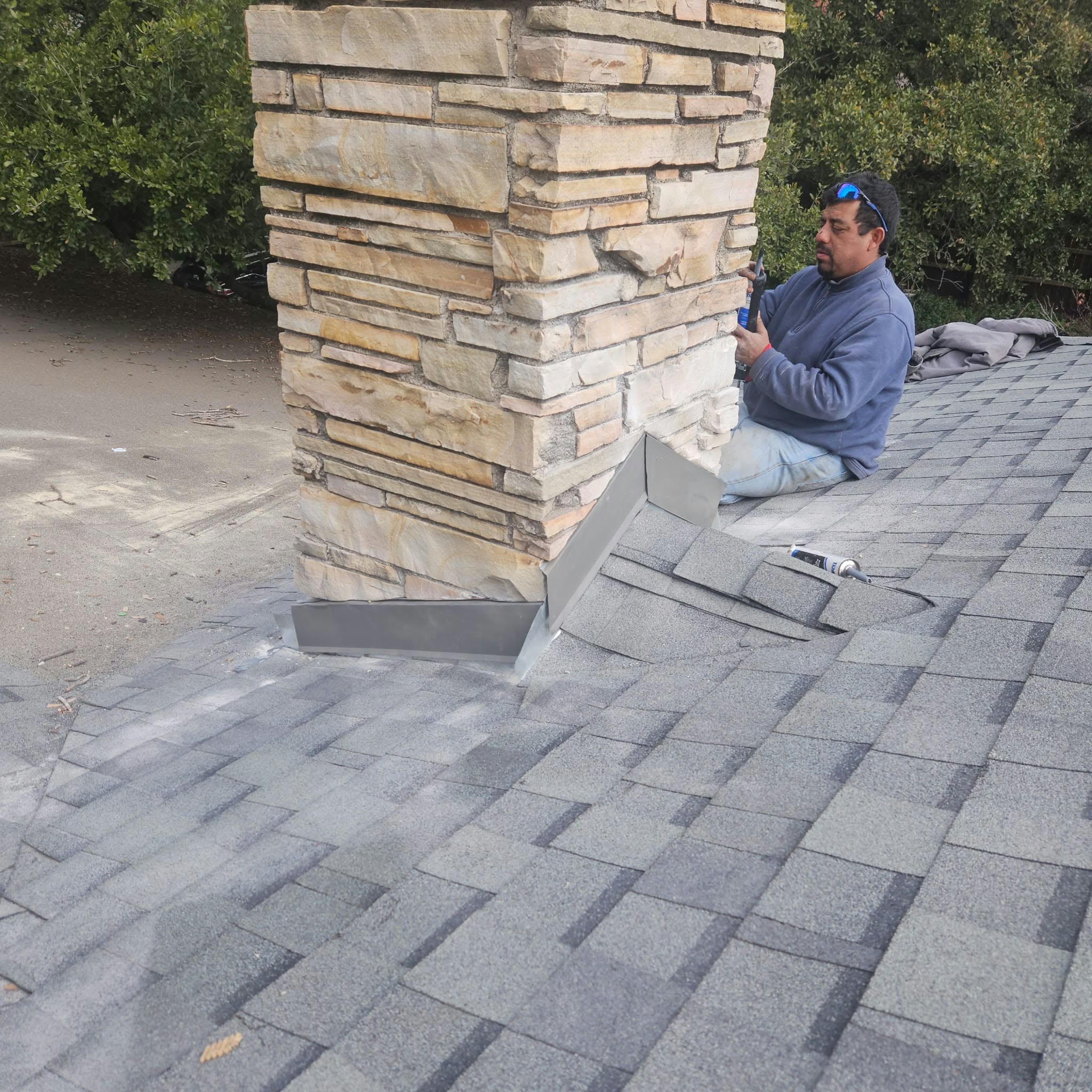
A masonry chimney adds architectural character but requires water management and periodic care. Professional fireplace masonry services may include:
- Firebox repair
- Smoke-chamber repair
- Mortar-joint repointing
- Brick replacement
- Crown repair
- Hearth and surround construction
- Partial or complete chimney rebuilding
Signs that may require chimney repair include spalling brick, cracked mortar, damaged flue tiles, rusted caps, failed flashing, water stains, leaning, or debris falling into the firebox.
Changing from wood to gas does not eliminate existing masonry defects. The chimney should be inspected before a new insert or gas-log system is installed.
Can You Convert a Wood Fireplace to Gas?
Many wood fireplaces can be converted, but the correct approach depends on the existing system and desired appliance.
Possible options include:
- A vented gas-log set
- A compatible gas insert
- A new gas fireplace installed within a remodeled opening
The project may require chimney inspection, cleaning, liner work, gas piping, electrical work, damper provisions, and masonry modifications. The selected product must be approved for the intended installation.
Homeowners should also understand whether the conversion is reversible and whether the existing chimney will remain usable for wood afterward. Do not burn wood in a system converted to gas unless it has been professionally restored and approved for wood use.
Questions to Ask Before Choosing
Ask yourself:
- Do I want authentic wood-fire ambiance or push-button convenience?
- How often will I use the fireplace?
- Do I have natural-gas or propane service?
- Can I safely store dry firewood?
- Am I willing to remove ash and schedule chimney cleaning?
- Does anyone in the household have respiratory or heart concerns?
- Is supplemental heat or decoration the main goal?
- What type of chimney or vent can the home support?
- What are the installation and long-term maintenance costs?
- Will the system still meet my needs during a power outage?
A site assessment can answer questions about vent routing, structural support, gas access, clearances, and the condition of an existing chimney.
Gas or Wood: Which Is Better?
Choose a gas fireplace if you value:
- Quick, convenient operation
- Consistent heat control
- Minimal ash and wood handling
- Short, frequent use
- Remote or thermostat features
Choose a wood-burning fireplace if you value:
- Traditional flames and sound
- The ritual of building a fire
- Independence from gas service
- Architectural masonry character
- Access to properly seasoned firewood
For many Dallas households, gas offers greater convenience. For homeowners who value atmosphere and do not mind additional maintenance, wood remains appealing. The best choice is the one that fits the home, lifestyle, safety needs, and maintenance expectations.
Fireplace and Chimney Services in Dallas
Choosing between gas and wood begins with the condition and design of the home. Emerson Pro Services provides chimney services in Dallas, including fireplace and chimney installation, inspections, cleaning, repair, and masonry services.
Whether you are planning a new wood-burning fireplace, considering a gas insert, or updating an existing chimney and fireplace, professional evaluation can help identify compatible options and necessary repairs.
Contact Emerson Pro Services to discuss your Dallas fireplace project and determine which system best fits your property.
At Emerson Chimney & Fireplace, we offer a wide range of chimney caps and professional installation services to ensure your home remains safe and efficient. Visit us at 16135 Preston Rd Ste 105, Dallas, TX 75248, or contact us at 469-212-7906 for expert advice and services tailored to your chimney and fireplace needs. For more information, visit our website at www.emersonproservices.com.
Frequently Asked Questions
Is a gas fireplace cheaper to operate than a wood-burning fireplace?
It depends on local fuel prices, appliance efficiency, usage, and the cost or availability of seasoned firewood. Compare the specific appliance and expected use rather than fuel type alone.
Does a gas fireplace need a chimney?
Not always. Some use a traditional chimney, while direct-vent models use a listed wall or roof vent. Vent-free models do not use a chimney but have specific installation and operating requirements.
How often should a wood-burning chimney be cleaned?
The chimney should be inspected annually and cleaned when deposit levels or obstructions make it necessary. Frequency depends on use, fuel quality, appliance type, and system condition.
Can I convert my wood-burning fireplace to gas?
Often, yes, after the fireplace, chimney, liner, and gas-routing options are evaluated. The new appliance must be compatible with the existing structure and installed according to its listing.
Which fireplace is safer for children and pets?
Both have hot surfaces and require supervision. Gas-fireplace glass can remain extremely hot, while wood fires can release sparks or embers. Use approved barriers or screens and keep children and pets away.
Do gas and wood fireplaces both need annual inspections?
Yes. Wood systems need checks for creosote, liner damage, and masonry issues. Gas systems need inspection of burners, controls, gas connections, venting, and chimney components where applicable.