

Masonry and pavers can improve a property’s appearance, function, and structural performance. From repairing cracked brickwork to installing an attractive patio or paver driveway, professionally completed exterior projects can provide lasting benefits for Carrollton homeowners.
However, outdoor surfaces and masonry structures are continually exposed to intense sunlight, temperature changes, rain, soil movement, and everyday wear. Understanding the available masonry and paver services can help you maintain existing features and plan new improvements that complement your property.
What Are Masonry and Paver Services?
Masonry and paver services include the construction, installation, maintenance, and repair of features made from brick, stone, concrete, stucco, and manufactured pavers.
These services may include:
- Brick and mortar repair
- Stucco repair
- Chimney and flashing repair
- Retaining-wall construction
- Retaining-wall repair
- Concrete patios and walkways
- Paver patios
- Paver driveways
- Outdoor steps
- Decorative masonry
- Stone veneers
- Paver replacement and leveling
Experienced professionals evaluate the project site, recommend suitable materials, prepare the surface or foundation, and complete the installation or repair according to the feature’s intended use.
Why Masonry Maintenance Matters in Carrollton
Exterior masonry is durable, but it is not indestructible. Weather exposure, moisture, drainage problems, and shifting soil can gradually affect brick, mortar, stucco, concrete, and paver surfaces.
Common warning signs include:
- Cracked or missing mortar
- Loose bricks or stones
- Stair-step cracks in brick walls
- Flaking or crumbling masonry
- Cracked stucco
- Uneven or sunken pavers
- Leaning retaining walls
- Water stains
- Gaps around windows and doors
- Cracks in concrete surfaces
Scheduling masonry repair when problems first appear may help prevent more extensive deterioration. The cause should also be identified so that the repair addresses more than the visible symptom.
Brick and Mortar Repair
Brick walls, mailboxes, columns, fireplaces, and exterior accents add character to many Carrollton properties. While bricks can remain durable for many years, mortar joints often show wear first.
Mortar may crack, crumble, or separate because of moisture, age, movement, or improper previous repairs. Damaged joints can allow additional water to enter the masonry system.
Professional brick masonry repair may involve:
- Removing deteriorated mortar
- Repointing mortar joints
- Replacing damaged bricks
- Repairing cracks
- Rebuilding loose sections
- Matching new materials with existing masonry
- Correcting water-entry points
Matching mortar is important. A replacement mortar that differs significantly in strength, composition, texture, or color can affect both performance and appearance.
Stucco Repair
Stucco creates a clean exterior finish, but cracks and damaged areas should not be ignored. Some small surface cracks may be cosmetic, while wider or recurring cracks can indicate movement or moisture-related problems.
Stucco repair may include removing loose material, preparing the damaged area, installing repair materials, and blending the finish with the surrounding wall.
Signs that professional repair may be needed include:
- Widening cracks
- Bulging or loose stucco
- Discoloration
- Soft areas
- Crumbling edges
- Stains beneath windows or rooflines
- Cracks that return after patching
Professional masonry services in Carrollton can evaluate the damage and determine whether the problem is limited to the finish or affects the materials underneath.
Chimney and Flashing Repair
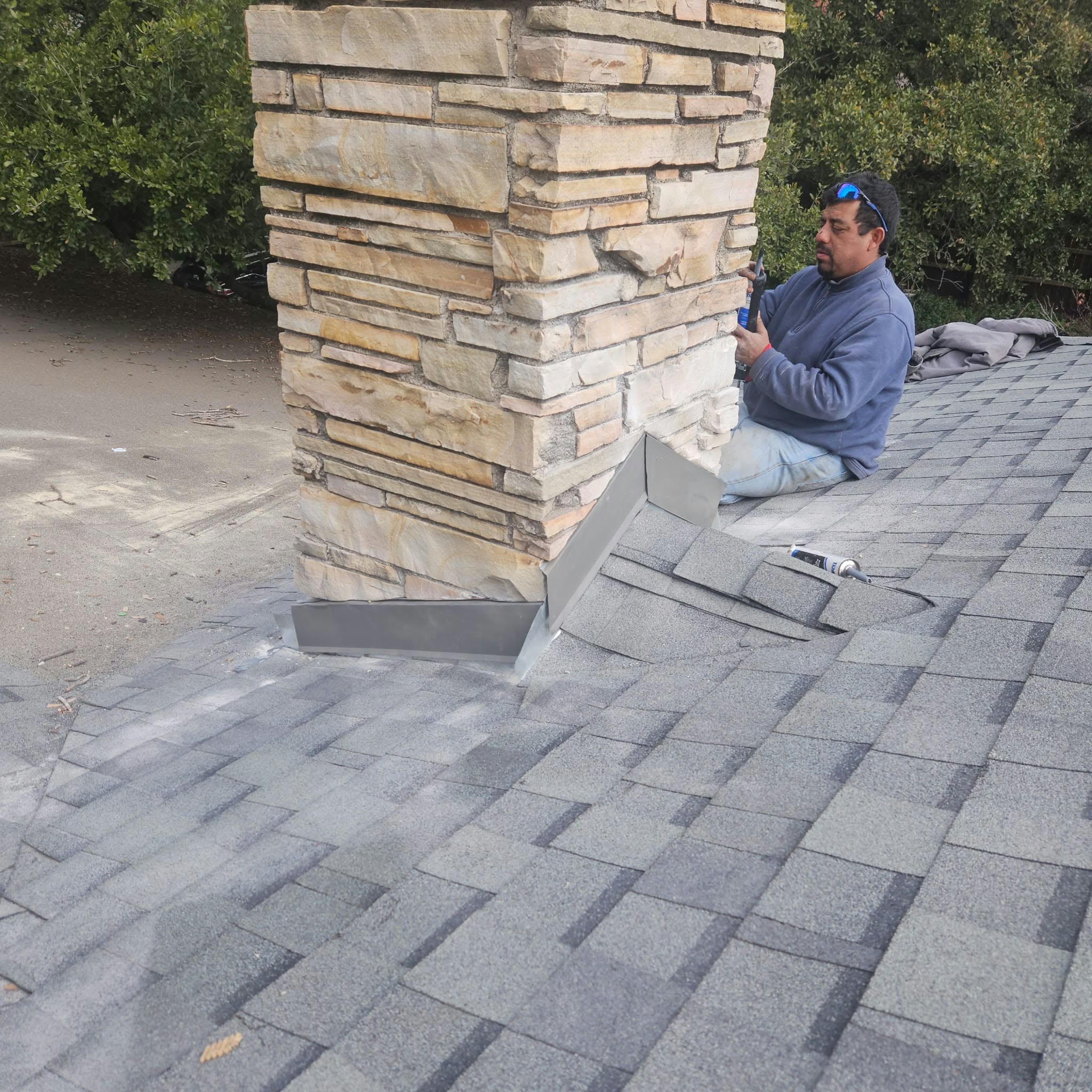
A masonry chimney is one of the most exposed structures on a home. Rain, heat, wind, and temperature changes can affect its bricks, mortar joints, crown, and flashing.
Flashing seals the area where the chimney meets the roof. Damaged, loose, or poorly installed flashing can allow water to enter the roof system or walls.
Possible signs of chimney or flashing problems include:
- Water stains near the fireplace
- Dampness in the attic
- Loose or missing mortar
- Cracked chimney bricks
- White staining on masonry
- Rusted or separated flashing
- Cracks in the chimney crown
- Moisture odors after rain
Chimney repairs may involve repointing mortar, replacing damaged bricks, repairing the crown, resealing vulnerable areas, or replacing flashing. Because chimney and roof work involves height and fall risks, it should be handled by qualified professionals.
Retaining-Wall Construction and Repair
Retaining walls hold back soil and can help manage changes in yard elevation. They may also define planting beds, improve landscaping, control erosion, and create more usable outdoor areas.
A properly constructed retaining wall requires more than stacking blocks. Its performance depends on:
- Site preparation
- A stable base
- Appropriate materials
- Correct wall alignment
- Reinforcement when required
- Drainage behind the wall
- Proper backfill
- The wall’s height and load
Poor drainage is a frequent cause of retaining-wall problems. Water pressure can build behind the structure and contribute to leaning, cracking, bulging, or movement.
If a wall shows significant movement or structural damage, professional evaluation is important. Cosmetic patching alone may not correct the underlying drainage or foundation problem.
Concrete Construction Services
Professional concrete works in Carrollton can support a wide range of residential and commercial improvements. Concrete is commonly used because it is versatile, durable, and suitable for both structural and decorative applications.
Typical concrete projects include:
- Patios
- Driveways
- Walkways
- Steps
- Slabs
- Curbs
- Outdoor foundations
- Equipment pads
- Retaining-wall footings
- Decorative concrete surfaces
Long-term concrete performance begins with site preparation. The ground must be evaluated, graded, compacted, and prepared with a suitable base. The project must also account for drainage, thickness, reinforcement, joints, finishing, and curing.
Skipping these details may contribute to premature cracking, settlement, or surface deterioration.
Understanding Paver Services
Professional paver services include the installation, repair, cleaning, leveling, and maintenance of surfaces made from individual paving units.
Pavers are commonly used for:
- Driveways
- Patios
- Walkways
- Courtyards
- Pool surrounds
- Garden paths
- Fire-pit areas
- Outdoor seating spaces
Because individual pavers are available in different shapes, colors, sizes, textures, and laying patterns, homeowners can create surfaces that complement traditional or modern properties.
Benefits of Concrete Pavers
Concrete pavers are manufactured in consistent shapes and sizes, making them suitable for many outdoor projects. They are available in finishes designed to resemble brick, stone, or other materials.
Potential benefits include:
- Numerous design options
- Individual-unit replacement
- Defined laying patterns
- Compatibility with patios, walkways, and driveways
- Easier access to certain underground areas
- Flexibility under normal ground movement
Although pavers can accommodate limited movement better than one continuous slab, correct preparation remains essential. A weak or poorly compacted base can still cause sinking, separation, or uneven areas.
Installing a Paver Driveway
A professionally installed paver driveway can create an attractive entrance and add distinctive curb appeal. Because driveways carry vehicle loads, their construction requires more extensive preparation than a basic garden path.
Important installation steps include:
- Evaluating the site and drainage
- Excavating to the required depth
- Preparing and compacting the subgrade
- Installing an appropriate aggregate base
- Adding and leveling the bedding layer
- Laying the pavers in the selected pattern
- Cutting edge pieces accurately
- Installing secure edge restraints
- Filling the joints
- Compacting and inspecting the surface
The pavers and base must be appropriate for vehicular use. Proper drainage is also critical because standing water can affect the surface and underlying materials.
Paver Patio and Walkway Installation
Paver patios can define outdoor dining, seating, and entertainment areas. Walkways can connect entrances, gates, patios, gardens, and other parts of the property.
When planning these features, homeowners should consider:
- Surface dimensions
- Furniture placement
- Traffic flow
- Drainage
- Nearby landscaping
- Paver color and pattern
- Edge treatment
- Accessibility
- Future maintenance
Professional paver services can help ensure the finished surface is level, stable, and visually coordinated with the home.
Repairing Sunken or Uneven Pavers
Pavers may become uneven because of base settlement, erosion, drainage problems, tree roots, or poor initial installation. Raised or sunken units can create puddles and tripping hazards.
One benefit of segmental pavers is that affected sections can often be lifted and reset. Repair may involve removing the units, correcting the base, restoring the bedding layer, and reinstalling the pavers.
The underlying cause should be addressed. Simply adding material beneath a low paver may provide only a temporary improvement if drainage or soil movement continues.
Pavers vs. Poured Concrete
Both materials can create attractive, durable outdoor surfaces, but they offer different benefits.
Pavers
- Available in many patterns and colors
- Individual units can often be replaced
- May accommodate limited movement
- Create a detailed, customized appearance
- Require secure edges and stable base preparation
Poured Concrete
- Creates a continuous surface
- Works well for many patios, slabs, and walkways
- Can include decorative colors or finishes
- May be faster for certain large installations
- Can develop cracks that are difficult to conceal
The best choice depends on the project, budget, desired appearance, maintenance expectations, and site conditions.
How to Choose a Masonry or Paver Contractor
Quality workmanship begins with choosing an experienced service provider. Before hiring a contractor, ask about:
- Experience with similar projects
- Site-preparation procedures
- Drainage planning
- Materials being recommended
- Repair methods
- Project timing
- Cleanup
- Warranty information
- Applicable permits or approvals
- A written estimate and scope of work
Be cautious of solutions that address visible damage without investigating its cause. Effective masonry repair or paver restoration should account for moisture, drainage, soil movement, and structural conditions when relevant.
Maintain Your Masonry and Paver Features
Regular maintenance can preserve the appearance and function of exterior improvements.
Homeowners should:
- Remove leaves and surface debris
- Keep drainage routes clear
- Watch for growing cracks
- Replace missing joint material when appropriate
- Control weeds around paver edges
- Address loose bricks or pavers
- Clean stains with material-appropriate products
- Avoid harsh chemicals that may damage finishes
- Schedule professional inspections when movement appears
Prompt attention can help keep minor deterioration from spreading to adjacent materials.
Choose Emerson Pro Services in Carrollton
From brick and stucco restoration to retaining walls, concrete construction, patios, and driveways, the right masonry and paver services can improve the function and appearance of your property.
Emerson Pro Services provides professional masonry services in Carrollton, including masonry repair, paver services, and concrete work. Whether you need to restore damaged brickwork, repair a chimney, build a retaining wall, or install a paver driveway using durable concrete pavers, our team can help develop a solution suited to your property. Contact Emerson Pro Services to schedule an evaluation and discuss your next exterior project.
Contact Emerson Pro Services for Masonry and Paver Services in Carrollton
Whether you need brick restoration, chimney and flashing repair, concrete construction, a new paver driveway, or another exterior improvement, Emerson Pro Services is ready to help. Our team provides dependable masonry and paver services designed for Carrollton properties and North Texas conditions.
Contact us to request an evaluation or discuss your project:
Emerson Masonry & Pavers
Phone: 469-398-8498
Address: 2201 Midway Rd, Ste F, Carrollton, TX 75006
Website: Emerson Pro Services – Masonry & Pavers in Carrollton
Call today to learn more about our paver services, masonry repair, concrete construction, retaining walls, chimney repairs, and other professional masonry services in Carrollton.
Frequently Asked Questions
What services does a masonry contractor provide?
Masonry contractors may construct and repair brick, stone, stucco, block, and concrete features. Services can include chimney repair, retaining walls, brick restoration, stucco repair, patios, walkways, and decorative masonry.
What are the signs that masonry repair is needed?
Common signs include cracked or missing mortar, loose bricks, stair-step cracks, flaking surfaces, water stains, bulging walls, and visible separation around openings.
Are concrete pavers suitable for driveways?
Yes, concrete pavers manufactured for vehicular applications can be used for driveways. The surface requires appropriate pavers, sufficient base preparation, proper compaction, edge restraints, and effective drainage.
Can uneven pavers be repaired without replacing the entire surface?
In many cases, affected pavers can be lifted, the underlying base corrected, and the original units reinstalled. The cause of movement or settlement must also be addressed.
What causes retaining walls to lean?
Retaining walls may lean because of inadequate drainage, soil pressure, weak foundations, poor construction, erosion, or insufficient reinforcement. A professional inspection can identify the likely cause.
How do I choose between pavers and poured concrete?
Consider the intended use, budget, preferred appearance, maintenance requirements, site conditions, and repair expectations. A contractor can evaluate the property and explain which material is more appropriate.