






Water accumulation around your home can lead to a host of problems, from flooding to foundation damage. If you’re dealing with excess water in your yard, basement, or near your foundation, a French drain might be the solution you need. French drains are an efficient and relatively simple way to direct water away from problem areas, keeping your home safe and dry.

In this article, we’ll explore what French drains are, how they work, and the benefits they provide for homeowners.
What Is a French Drain?
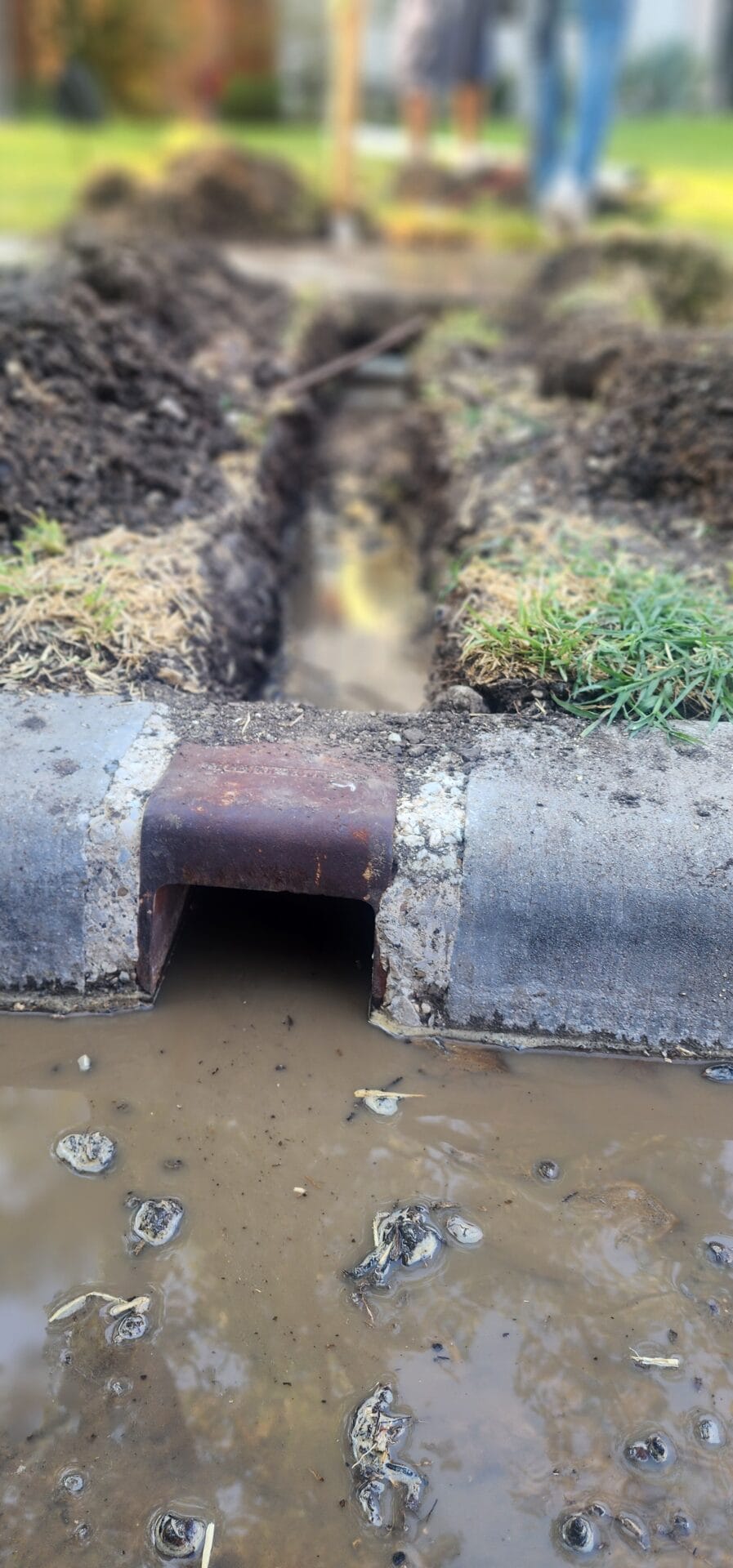
A French drain is a type of drainage system that uses a perforated pipe and gravel to direct water away from areas where it can cause damage. The system is designed to collect and channel water into a designated outlet, such as a ditch, storm drain, or dry well, preventing it from pooling around your home or landscaping.
The basic components of a French drain include:
- Trench: A sloped trench dug in the problem area to allow gravity to guide water away.
- Gravel: A layer of gravel is placed in the trench to filter water and provide a stable base for the pipe.
- Perforated Pipe: The perforated pipe, laid within the trench, collects the water and channels it away from your home or yard.
- Fabric Lining (optional): Some French drains include a geotextile fabric lining to prevent soil from clogging the system.
- Gravel or Soil Cover: Once the pipe is laid, the trench is filled with more gravel and sometimes topped with soil or sod for aesthetic purposes.
How Does a French Drain Work?
The principle behind a French drain is simple: it uses gravity to move water away from areas prone to flooding or excessive moisture. Here’s how it works:
- Water Collection: When it rains or the ground becomes saturated, water naturally flows toward the lowest point, which is the trench of the French drain.
- Filtering Water: As water enters the trench, it passes through the gravel, which helps filter out debris and soil before it reaches the perforated pipe.
- Water Transport: The water enters the perforated pipe, which is sloped downward to promote drainage. Gravity moves the water along the pipe to an exit point, typically away from your home or garden.
- Water Disposal: The water is discharged into a safe area like a storm drain, ditch, or dry well, preventing it from pooling in your yard or seeping into your foundation.
Where Are French Drains Used?
French drains can be installed in a variety of locations where drainage is a concern. Common areas where French drains are used include:
- Basements and Foundations: To prevent water from seeping into your basement or damaging your home’s foundation.
- Yards and Landscaping: To prevent water from pooling in low spots in your yard, causing soil erosion or damage to plants.
- Driveways and Patios: To redirect runoff water that could cause flooding or damage to paved areas.
- Retaining Walls: To alleviate pressure from water buildup behind retaining walls, which can cause cracking or collapse.
Benefits of Installing a French Drain
Installing a French drain can offer several advantages for homeowners facing drainage problems. Here are some of the key benefits:
1. Prevents Water Damage to Your Foundation
Excess water pooling near your home’s foundation can lead to cracks, leaks, and structural damage over time. A French drain directs water away from your foundation, helping to prevent costly repairs down the line.
2. Eliminates Yard Flooding
If your yard tends to flood after heavy rains, a French drain can help divert water to a safer location, reducing the risk of waterlogged soil, erosion, and damage to your lawn or garden.
3. Reduces Basement Leaks and Flooding
Basement flooding is a common problem in homes with poor drainage. By installing a French drain around your foundation or in your basement, you can minimize the risk of water intrusion and avoid expensive water damage.
4. Prevents Soil Erosion
Standing water can erode soil, especially on sloped landscapes. French drains help keep soil in place by channeling water away, preserving your yard’s appearance and stability.
5. Protects Landscaping and Hardscaping
Excess water can damage plants, trees, and hardscaping features like patios and walkways. A French drain helps maintain a balanced moisture level, ensuring that your landscaping and outdoor spaces stay intact.
6. Cost-Effective Solution
Compared to other drainage solutions, French drains are relatively affordable and straightforward to install. They require minimal maintenance once installed, making them a cost-effective option for long-term water management.
How to Improve or Maintain a French Drain
Once installed, French drains generally require little maintenance, but there are a few steps you can take to keep them functioning efficiently:
- Keep Gutters Clear: Ensure that your home’s gutters and downspouts are properly directing water into the French drain, rather than allowing it to pool near your foundation.
- Inspect for Clogs: Periodically check your French drain for any blockages, such as leaves or debris that might obstruct water flow.
- Monitor Water Flow: After heavy rains, check the exit point of your French drain to make sure water is draining as expected. If the water is not flowing, it may indicate a clog or slope issue.
- Install a Drainage Cover: Consider adding a drainage cover at the exit point of the drain to prevent animals or debris from entering and clogging the pipe.
When to Hire a Professional
While French drains can sometimes be installed as a DIY project, more complex drainage problems or large-scale installations often require professional expertise. If you’re unsure about the scope of your drainage issue or the proper slope for your drain, hiring a professional can ensure the system is installed correctly and functions efficiently.
Conclusion
A French drain is an excellent solution for managing water around your home, preventing flooding, foundation damage, and landscaping issues. Whether you’re dealing with a wet basement, yard flooding, or soil erosion, a French drain can effectively direct water away from your home, protecting your property from water damage. By understanding how French drains work and maintaining them properly, you can ensure that your home stays dry and secure, no matter how much it rains.
At Emerson Gutters & Drainage, we specialize in gutter installation, repair, and maintenance services. If you need professional assistance with your gutters, we are located at 16135 Preston Rd #140, Dallas, TX 75248 or contact us at 469-414-919. You can also visit our website at https://emersonproservices.com/gutters-drainage-dallas/. Our experienced team is dedicated to providing top-notch service to homeowners in Dallas, TX, ensuring your gutters remain functional and efficient year-round.
For other home services, visit our page at Emerson Pro Services for Chimney and Fireplace, Air duct and Dryer services, Roofing and Siding, Masonry, and Outdoor Living Installation. Let us help you keep your home experience in top shape