

If you only light your fireplace a few times each year, it is easy to assume that it needs little attention. Less use can mean fewer new combustion deposits, but it does not stop weather exposure, animal activity, or deterioration.
Yes—a chimney inspection still matters even if you rarely use your fireplace. Annual inspection is the standard recommendation for chimneys that remain in service, with cleaning performed as needed. An inspection helps determine what condition the system is in before you rely on it again.
For homeowners in Plano, TX, a quiet fireplace should still be part of the home maintenance plan. Emerson Pro Services offers chimney and fireplace services to help homeowners assess condition, address problems, and prepare for future use.
Why an Unused Fireplace Can Still Develop Problems
A chimney remains exposed even when there is no fire below it. Rain can reach defective components, an unsecured opening can admit debris, and existing damage can worsen unnoticed.
An occasional fire is not a reliable test of chimney condition. A system may appear to work while having defects that cannot be seen from the hearth.
Rain Can Enter Through Exterior Defects
A damaged cap, cracked crown, deteriorated mortar, or faulty flashing can allow moisture into parts of the chimney or surrounding construction.
Watch for fresh ceiling stains, damp brick, peeling finishes, or rust on visible fireplace components. These symptoms deserve investigation whether you burned one fire last winter or used the fireplace every weekend.
If you notice rainwater near the fireplace, learn more about what causes chimney leaks during heavy rain, then arrange an assessment of the entry point.
Animals and Debris Can Affect Venting
A missing or damaged chimney cap may leave an opening for nesting animals or windblown debris. A blockage can develop while the fireplace sits unused.
Do not light a fire to test whether an obstruction will clear. If you hear animal activity or see nesting material, leave the fireplace unused and contact a professional. Active wildlife may require appropriate specialist handling.
Old Deposits Do Not Disappear During Downtime
Soot and creosote left by earlier wood fires remain until removed. Not using the fireplace does not clean it, and a new homeowner may not know how the previous owner operated or maintained it.
A professional chimney inspection helps determine whether deposits or other conditions require attention before the next fire.
Existing Masonry Damage Can Progress
Cracked joints, loose material, and deteriorated fireplace masonry may need evaluation even when they appear unchanged from the room.
Exterior brickwork and high-heat areas have different repair requirements. A decorative surface patch does not establish that the firebox or chimney is suitable for use.
How Often Should You Schedule a Chimney Inspection?
For a chimney that remains available for use, plan on an inspection at least annually. Schedule it before the season when you expect to use the fireplace, so there is time to complete recommended work.
The Chimney Safety Institute of America recommends yearly inspections and cleaning as needed. Inspection frequency and cleaning frequency are separate decisions: an annual inspection does not automatically mean an annual sweep is necessary.
Arrange an additional assessment if something changes, including:
- Water entering the fireplace or new stains nearby.
- Smoke spilling into the room.
- Falling masonry or visible damage.
- Suspected damage after a significant storm or other event.
- A change to the appliance, fuel, or venting arrangement.
- A suspected chimney fire.
- Plans to use a fireplace with an unknown service history.
A fireplace that has been formally decommissioned is a different situation. If you want to retire the system permanently, ask a qualified professional how to do that properly and what ongoing exterior maintenance remains necessary. Simply deciding not to light fires does not decommission a chimney.
Chimney Inspection vs. Chimney Cleaning: What Is the Difference?
| Service | Main purpose | When it may be needed |
|---|---|---|
| Chimney inspection | Evaluates the condition of the chimney, fireplace, and venting components within the inspection’s scope | Annually and when symptoms or changes warrant further evaluation |
| Chimney cleaning | Removes soot, creosote, and other deposits or debris as appropriate | When use and observed condition indicate cleaning is needed |
| Chimney repair | Corrects identified defects, such as deteriorated masonry or damaged components | When an assessment identifies a problem requiring repair |
Chimney cleaning cannot replace an inspection, and an inspection does not remove deposits. When comparing chimney services in Plano, ask which services are included in the appointment and how any additional work will be explained.
This is especially useful for occasional fireplace users. You need a recommendation based on the actual condition of the system rather than an assumption that every visit requires the same work.
What Happens During a Professional Chimney Inspection?
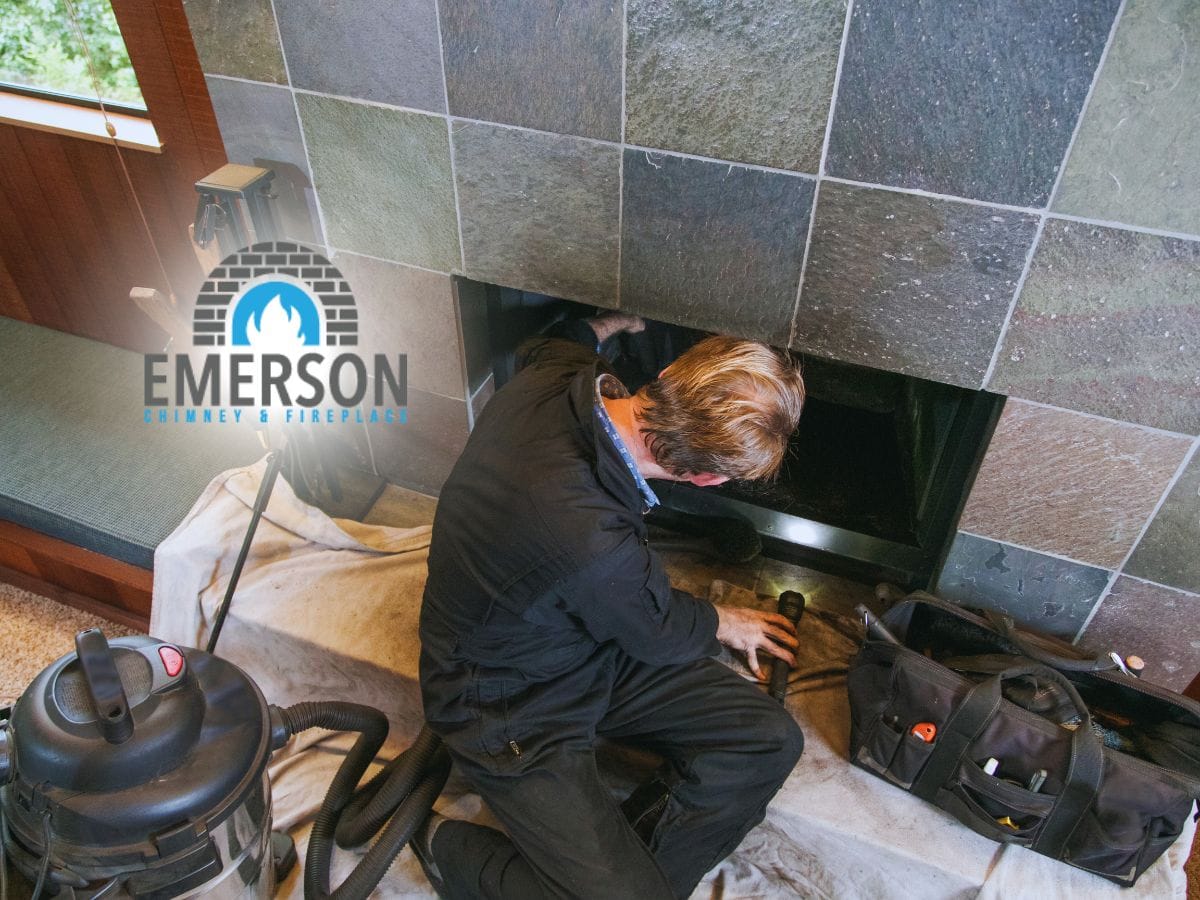
The scope depends on the fireplace type, service history, symptoms, and inspection level. Accessible areas may include the firebox, damper, venting components, visible masonry, and exterior chimney features.
Before booking, tell the technician:
- How often you use the fireplace.
- When it was last inspected or cleaned.
- Whether it burns wood or uses a gas appliance.
- Whether you have noticed odors, leaks, smoke, or debris.
- Whether any appliances or venting components have changed.
Ask what access will be needed and whether the proposed inspection includes an internal camera evaluation. A basic visual inspection and a more extensive examination are not interchangeable.
Which Inspection Level Is Appropriate?
A Level 1 inspection is generally associated with routine maintenance when the system will continue operating under the same conditions.
A Level 2 inspection provides a more detailed evaluation, including internal video scanning or equivalent means. It is associated with situations such as property transfer, certain system changes, or events likely to have caused damage.
A Level 3 inspection may be needed when a suspected hazard cannot be evaluated without access to concealed areas. This can involve removing building or chimney components.
Your technician should explain the recommended scope and any limitations. No inspection should be described as a guarantee that every concealed defect has been found.
Do Gas Fireplaces Need Inspection Too?
Gas fireplaces also need maintenance, although their service needs differ from those of wood-burning fireplaces.
A vented gas appliance still depends on suitable venting and properly functioning components. The manufacturer’s instructions should guide servicing, and the technician should understand the particular system.
A direct-vent gas fireplace, a gas log set in a masonry fireplace, and a vent-free appliance are different arrangements. Not all have a conventional chimney to sweep. When arranging fireplace services in Plano, describe your appliance so the company can recommend the appropriate service.
When Should You Stop Using the Fireplace?
Leave the fireplace unused and arrange evaluation if smoke enters the room, masonry falls into the firebox, you suspect an obstruction, or active water entry accompanies visible deterioration.
Do not attempt a trial fire to prove that everything is fine.
Keep working smoke and carbon monoxide alarms in the home according to their instructions. If a carbon monoxide alarm sounds, leave the building and contact emergency services from outside.
An inspection supports safer operation, but it does not replace proper use, required repairs, or functioning alarms.
Make Fireplace Maintenance Practical for Occasional Use
A simple fireplace maintenance routine can keep a rarely used system from being overlooked.
Keep inspection reports and repair records together. Check accessible areas for new stains or debris without dismantling components. Observe the chimney from ground level after storms, and report noticeable changes.
Complete recommended chimney repair before using the fireplace again. The appropriate repair may involve exterior water protection, masonry, or internal components; the written proposal should identify what is wrong and how the work addresses it.
Avoid climbing onto the roof or installing makeshift vent covers. If you want to reduce drafts or close an unused fireplace, first confirm which closure method is compatible with the appliance and venting system.
Schedule a Chimney Inspection in Plano, TX
Rare use does not tell you whether a chimney is ready for its next fire. An inspection provides a clearer basis for deciding whether the system needs cleaning, repair, or routine monitoring.
Emerson Pro Services serves Plano homeowners with inspection, cleaning, and repair services. Whether your fireplace has been idle for one season or several years, start with an assessment before returning it to use.
Visit Emerson Pro Services in Plano to request chimney services in Plano, or explore the company’s chimney and fireplace services.
Frequently Asked Questions
Do I need a chimney inspection if I only use my fireplace once or twice a year?
Yes. Annual inspection is recommended for chimneys that remain in service. Limited use does not prevent moisture damage, obstructions, or deterioration.
Does a rarely used chimney need cleaning every year?
Not necessarily. Cleaning should be based on deposits, use, and observed condition. An annual inspection helps determine whether chimney cleaning is needed.
Should I inspect a fireplace that has not been used for several years?
Yes, before returning it to use. Tell the technician how long it has been idle and whether its service history is known so they can recommend an appropriate inspection scope.
Can I inspect my chimney myself?
You can watch for visible changes, but a ground-level or hearth-level check cannot replace a professional chimney inspection. Important areas may require specialist access or inspection equipment.
Does a gas fireplace need a chimney inspection?
Vented gas fireplaces need appropriate inspection and maintenance, but the work depends on the appliance and venting design. Follow manufacturer guidance and book service suited to the system.
What if my chimney inspection identifies damage?
Ask for a written explanation, photographs where available, and repair recommendations. Confirm whether the fireplace must remain unused until the chimney repair is complete.
Is a chimney inspection included in a general home inspection?
Do not assume that it is. A general home inspection may provide a limited visual review rather than a dedicated chimney evaluation. Ask about the scope and arrange a specialist inspection when needed.
Can I skip inspections if I permanently stop using the fireplace?
If the system is formally decommissioned, ask a qualified professional about ongoing maintenance needs. An unused chimney can still admit water or develop exterior defects, and it may serve other appliances.