


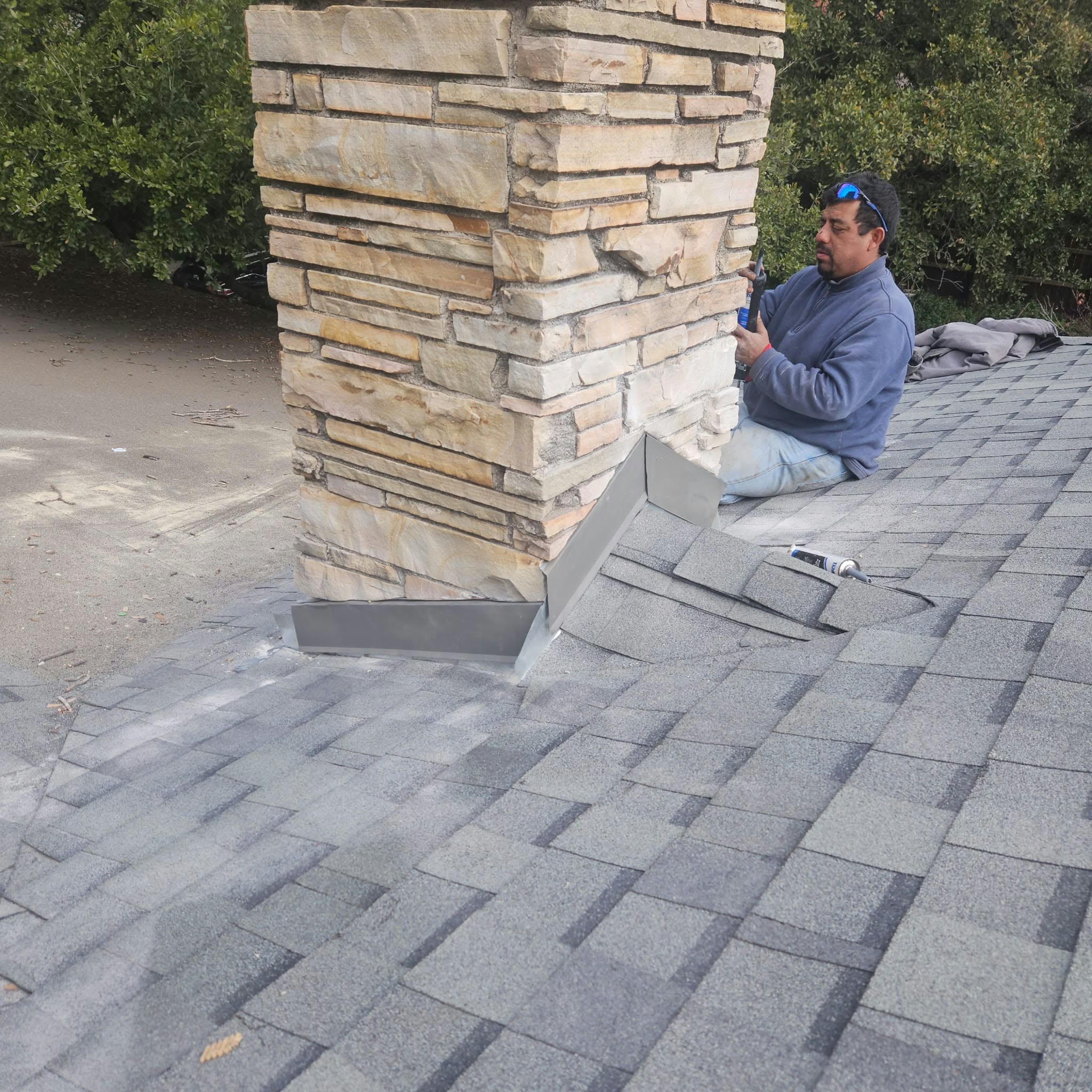
Rain should stay outside your home—not drip into your fireplace or leave stains on the ceiling. If you notice moisture around your chimney after a downpour, the problem may involve damaged flashing, cracked masonry, or a failing chimney crown.
Chimney leaks can have several entry points, and the place where water appears is not always where it enters. For homeowners in Plano, TX, finding the source is the first step toward an effective repair.
Here is what can cause a chimney to leak during heavy rain, which warning signs deserve attention, and how Emerson Pro Services can help.
Why Chimney Leaks Become Noticeable During Heavy Rain
A chimney passes through the roof and extends above it, creating several areas that must manage rainwater. Its exposed surfaces, roof connections, and top components work together to direct moisture away.
During prolonged or wind-driven rain, water can reach openings that remain unnoticed during lighter showers. It can also travel along roof decking or framing before appearing indoors.
A leak that happens only during a strong storm still needs attention. Waiting for it to become a constant drip can allow hidden damage to grow.
Common Causes of Chimney Leaks
Damaged or Incorrectly Installed Flashing
Flashing is the metal system that helps keep water out where the chimney meets the roof. Gaps, corrosion, loose sections, or installation defects can allow rain to move beneath the roofing.
Water stains on ceilings near a chimney may point to a flashing problem, although nearby roof damage can produce similar symptoms. Effective chimney leak repair requires checking how the flashing connects with both the chimney and the roof, rather than relying on a surface application of caulk.
A Cracked Chimney Crown
The crown is the sloped masonry or concrete surface at the top of a masonry chimney, surrounding the flue opening. It helps direct water away from the chimney structure.
Cracks, deterioration, or poor drainage at the crown can let moisture reach the masonry below. Depending on its condition, chimney crown repair may involve a suitable repair system or replacement of a badly damaged crown.
The crown and chimney cap serve different purposes, so repairing one will not necessarily correct a defect in the other.
A Missing or Damaged Chimney Cap
A chimney cap helps limit rain entry through the flue opening while allowing the chimney to vent. A missing, loose, damaged, or unsuitable cap may allow more water into the system.
The correct replacement depends on the chimney and venting arrangement. A professional should confirm that the cap is compatible and does not interfere with operation.
Deteriorated Brick and Mortar
Open mortar joints and damaged bricks can provide routes for rainwater. On an aging chimney, moisture problems may involve several areas rather than one obvious crack.
A professional assessment can determine whether the chimney needs repointing, individual brick replacement, or more extensive chimney repair. Simply coating over deteriorated joints does not restore missing mortar or correct structural movement.
Problems With a Chase Cover
Some factory-built fireplaces have a framed chimney enclosure, or chase, topped by a metal cover. This is different from the crown on a traditional masonry chimney.
A rusted cover, failed seams, or areas that hold water can contribute to leaks. Identifying your chimney type helps ensure that the repair addresses the right component.
Damage to the Surrounding Roof
The chimney may appear to be leaking when the actual entry point is nearby roofing. Damaged shingles or another roof defect can allow water to travel toward the chimney before it becomes visible inside.
This is why an inspection should consider the surrounding roof as well as the chimney.
Signs Your Chimney May Have a Moisture Problem
Watch for these changes during or after rain:
- Water dripping into the firebox.
- Damp patches around a brick fireplace.
- Brown or yellow stains on nearby walls or ceilings.
- Peeling paint or bubbling finishes near the chimney.
- Rust on visible fireplace components.
- Crumbling mortar or flaking brick surfaces.
- A persistent damp or musty smell.
White deposits on brick, called efflorescence, can indicate moisture moving through the masonry. They do not identify the leak source on their own.
Take photographs and note whether the problem happens during all rainfall or only when wind blows from a particular direction. These details can help guide an inspection.
Can Chimney Cleaning Stop a Leak?
Chimney cleaning removes soot, creosote, and other deposits or debris as appropriate to the system. It does not repair cracked crowns, replace flashing, or restore damaged mortar.
Cleaning and leak repair address different maintenance needs. An inspection can help determine which services are appropriate and whether water has affected internal components.
For homeowners comparing chimney services in Plano, ask whether the proposed work includes leak diagnosis, cleaning, masonry repairs, or a combination. A clear scope helps you understand what the service is intended to resolve.
How Professional Chimney Leak Repair Works
A useful repair plan begins with evidence of where water is entering.
Depending on the chimney and symptoms, a professional may assess accessible portions of the cap, crown or chase cover, brickwork, mortar joints, flashing, and adjacent roofing. Interior staining and attic conditions may also help trace the water path.
When the source remains unclear, additional evaluation or controlled water testing may be appropriate.
The recommended work could include:
- Repairing or replacing defective flashing.
- Completing chimney crown repair.
- Installing a compatible chimney cap.
- Repointing deteriorated mortar joints.
- Replacing damaged bricks.
- Repairing or replacing a failing chase cover.
- Coordinating repairs to nearby roofing.
Where suitable, a vapor-permeable masonry water repellent may provide added protection after defects are addressed. It is not a substitute for repairing cracks, missing mortar, or faulty flashing.
Ask for a written explanation of the suspected entry point and how the proposed repair addresses it.
When Is Fireplace Masonry Repair Necessary?
Moisture damage can affect the chimney exterior and the fireplace itself. Loose masonry, deteriorated joints, or damaged firebox materials may require fireplace masonry repair.
Materials used in high-heat areas must be appropriate for that location. Cosmetic patching around a brick fireplace does not establish that the firebox or venting system is safe to use.
If you discover active water entry, loose bricks, or visible deterioration, leave the fireplace unused until it has been evaluated. Do not light a fire to try to dry out a leaking chimney. Addressing both moisture damage and operating condition supports fireplace safety.
What Plano Homeowners Can Do After Finding a Leak
Start by documenting the moisture and protecting nearby belongings when you can do so safely. Observe the chimney from ground level and arrange a professional assessment.
Avoid climbing onto a wet roof or covering the flue opening yourself. Temporary coverings can interfere with venting, and roof access during bad weather creates unnecessary risk.
After repairs, monitor the affected area during later rainfall. Existing stains may remain after the entry point has been fixed, so check for fresh dampness before repainting or restoring interior finishes.
Get Help With Chimney Leaks in Plano, TX
Recurring chimney leaks deserve more than repeated patching. Identifying whether the problem involves flashing, the crown, masonry, or another component helps homeowners choose repairs that address the cause.
Emerson Pro Services serves Plano homeowners with chimney inspection, cleaning, and repair services. If rain is entering your fireplace or staining nearby surfaces, request an assessment and discuss the appropriate next steps.
Visit Emerson Pro Services in Plano to request chimney services in Plano and learn more about repair options.
Frequently Asked Questions
Why does my chimney leak only during heavy rain?
Heavy or wind-driven rain can expose gaps in flashing, crown cracks, damaged caps, or deteriorated masonry that do not produce visible leaks during lighter showers. An inspection helps identify the actual entry point.
Is a chimney leak always caused by the roof?
No. Water can enter through chimney components such as the crown, cap, brickwork, or chase cover. Roof defects and flashing problems are also possible, so both areas may need evaluation.
Will a new chimney cap stop all chimney leaks?
A cap can help when rain is entering through an exposed or inadequately protected flue opening. It will not repair defective flashing, cracked masonry, or a damaged crown.
What is the difference between chimney crown repair and flashing repair?
Chimney crown repair addresses the top surface of a masonry chimney around the flue. Flashing repair addresses the metal water-management system where the chimney meets the roof.
Can I use my fireplace if the chimney is leaking?
Leave it unused until a professional evaluates the leak and any related damage. A small amount of visible water does not show the full condition of the chimney or venting system.
Does chimney cleaning include chimney leak repair?
Not automatically. Chimney cleaning and chimney leak repair are different services. Ask your contractor to explain which inspections and repairs are included in the estimate.
How much does chimney leak repair cost in Plano?
The cost depends on the entry point, chimney type, access, materials, and extent of damage. A localized repair and extensive masonry restoration involve different scopes, so an inspection is needed for a meaningful estimate.
Can waterproofing fix cracked chimney bricks or mortar?
A masonry water repellent does not replace missing mortar or repair damaged bricks. Any underlying defects should be addressed before a professional determines whether a compatible treatment is appropriate.