

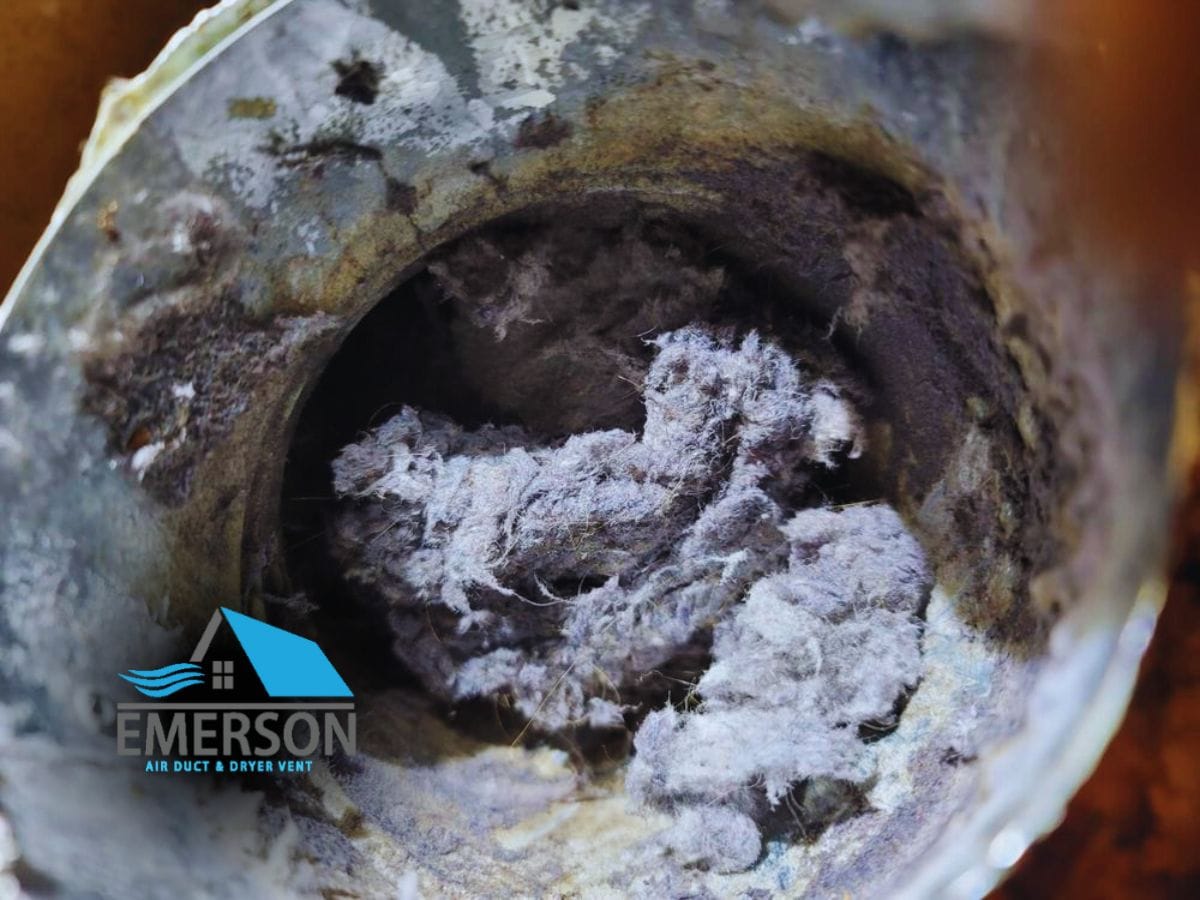
If your dryer needs more than one cycle to dry a normal load, the appliance may not be the only problem. Lint and debris can restrict the exhaust vent, reducing airflow and forcing the dryer to operate longer. Professional cleaning can restore that airflow—but how much should Dallas homeowners expect to pay?
The typical dryer vent cleaning cost in Dallas is approximately $100 to $210 for a standard residential service. A straightforward, easily accessible vent may cost less, while a long vent run, rooftop termination, severe blockage, bird nest, or difficult access can raise the total. Some complex projects can exceed $300.
These figures are general Dallas-area market estimates, not a guaranteed quote from Emerson Pro Services. The most accurate price comes from evaluating the vent’s length, location, condition, and accessibility.
Average Dryer Vent Cleaning Cost in Dallas
Recent Dallas pricing guides place many routine residential jobs within the following broad ranges:
| Type of service | Estimated Dallas cost |
|---|---|
| Simple, accessible vent | $80–$125 |
| Typical residential cleaning | $100–$210 |
| Long, rooftop, or heavily blocked vent | $200–$350+ |
Treat these numbers as planning estimates. Companies structure their prices differently: some use a flat service rate, while others calculate charges according to vent length, access, blockage severity, inspection needs, or time on site. Repairs and replacement parts generally cost extra.
Before scheduling dryer vent services in Dallas, ask what the quoted price includes. A low advertised rate may cover only a basic cleaning and exclude rooftop access, moving the dryer, cleaning the transition duct, removing an obstruction, or testing airflow.
What Determines Dryer Vent Cleaning Cost?
Two homes with similar dryers can receive different estimates because the exhaust systems may be completely different. The following factors have the greatest effect on price.
1. Vent length
A short, straight vent that exits through the wall behind the appliance is typically easier to clean. A dryer located in the center of a home may have a much longer duct extending through a wall, ceiling, or attic. Longer runs require additional tools and labor.
2. Number of bends
Every turn makes it more difficult to move cleaning equipment through the entire duct. Elbows also create areas where lint can collect. A long route with several bends will generally cost more than a direct run of the same basic type.
3. Location of the exterior termination
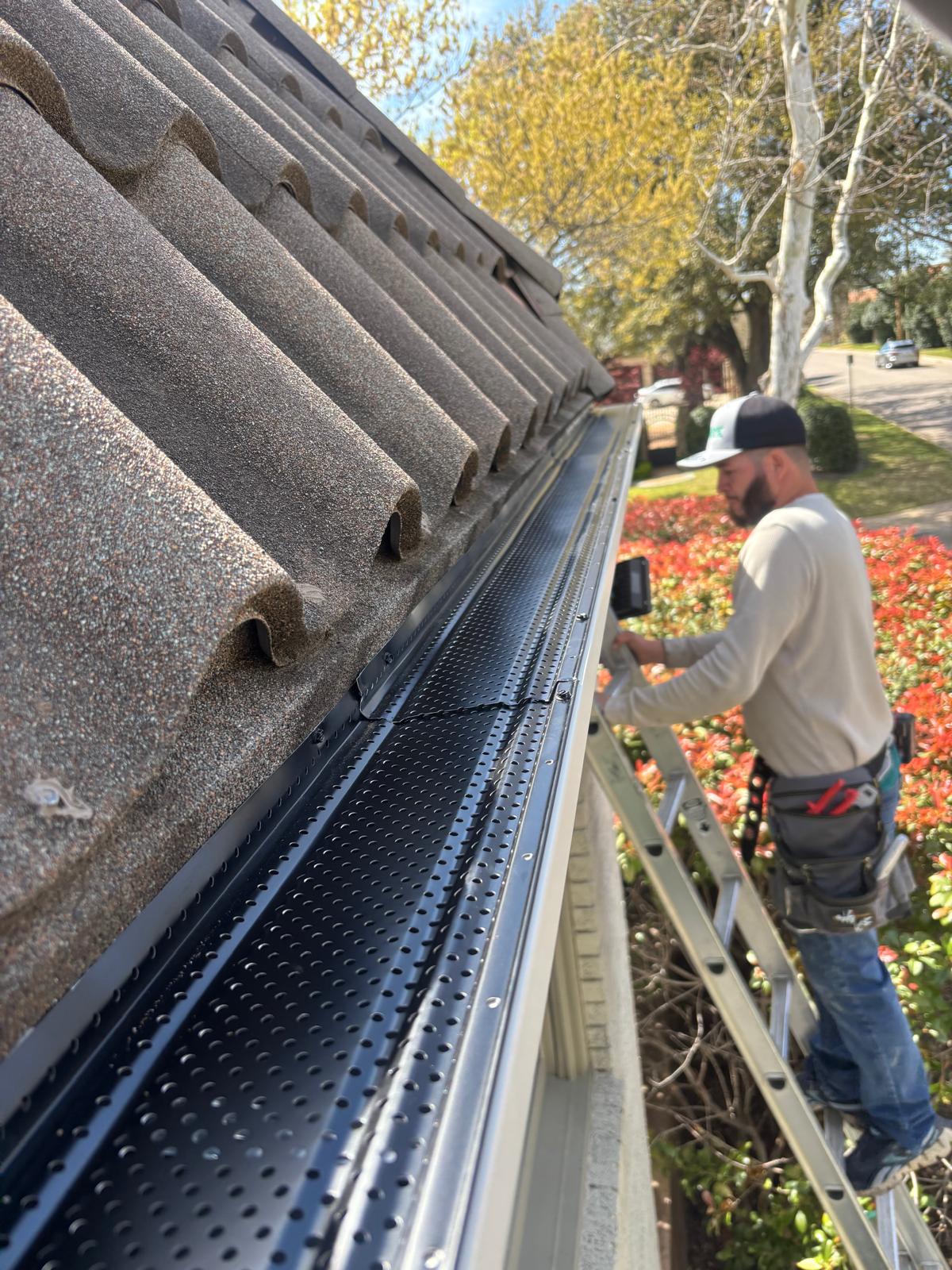
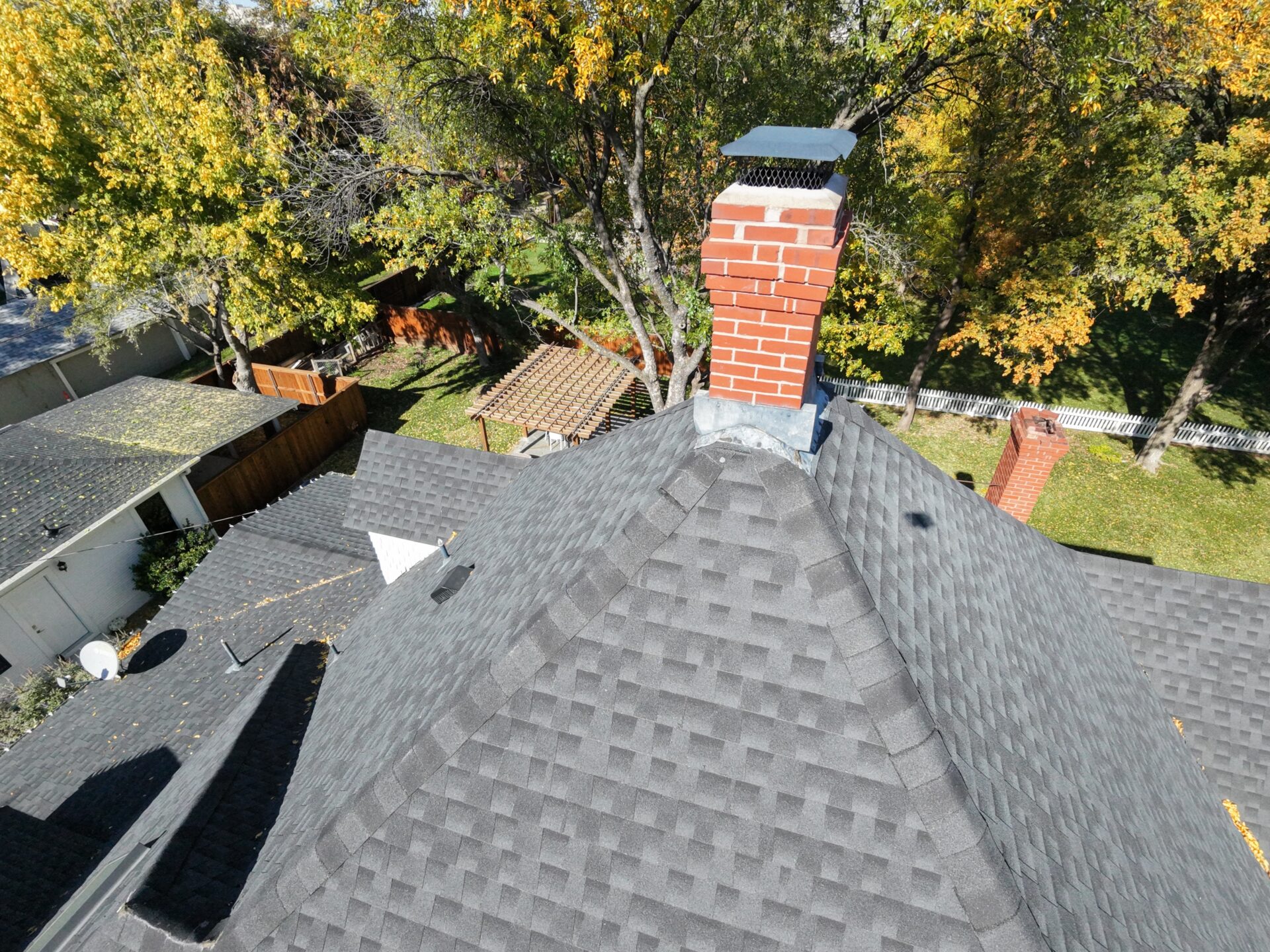
A ground-level wall vent is usually more accessible than a second-story or rooftop outlet. Roof access may require added setup, safety equipment, and time. Steep roofs or difficult exterior conditions can further affect the estimate.
4. Severity of the blockage
Routine lint buildup may be removed during a standard visit. A dense clog, compacted debris, animal nest, or object lodged in the duct may require more extensive work. The technician may need to approach the obstruction from both ends or use inspection equipment to confirm that it has been cleared.
5. Dryer accessibility
The dryer normally must be moved far enough to reach and disconnect the transition duct. Appliances located in tight closets, stacked laundry areas, or built-in cabinets can take more time to access safely. Gas dryers also require extra care around the gas connection.
6. Vent condition
Cleaning removes lint and debris, but it does not correct every vent problem. Crushed transition hoses, disconnected joints, damaged ducts, unsuitable materials, missing exterior covers, or poor routing may require repair or replacement. Those services should appear separately on the estimate.
7. Inspection and testing
Some providers include a visual inspection and basic airflow check in their standard rate. Camera inspection, diagnostic testing, or documentation may be an additional charge. Ask what is included before comparing bids.
8. Residential versus commercial service
Commercial laundry equipment and multifamily properties may have multiple vents, longer runs, heavier usage, and specialized access requirements. These projects are usually priced after an on-site evaluation rather than according to a single residential rate.
What Should Professional Dryer Vent Cleaning Include?
A professional service should address the complete accessible exhaust path—not simply vacuum the area behind the appliance. The exact process varies by system, but a standard visit may include:
- Inspecting the dryer connection and accessible ductwork
- Disconnecting the transition duct when appropriate
- Using professional brushes, air tools, or vacuum equipment to loosen and remove lint
- Cleaning the accessible interior and exterior vent openings
- Checking the exterior flap for normal movement
- Reconnecting the dryer and confirming that the transition duct is not crushed
- Testing the dryer or checking airflow after cleaning
- Identifying visible damage, poor routing, or repair needs
- Removing loosened lint and leaving the work area clean
Ask whether the company cleans from one end or both ends and how it confirms the full vent path is clear. The method should match the layout and condition of the system.
Possible Add-On Costs
The quoted dryer vent cleaning cost may increase if the technician discovers conditions outside routine cleaning. Potential add-ons include:
- Removing a bird or rodent nest
- Replacing a damaged exterior vent hood
- Replacing a crushed or unsafe transition connector
- Repairing separated or damaged duct sections
- Rerouting an excessively long or inefficient vent
- Accessing a rooftop termination
- Providing video inspection or detailed diagnostic testing
- Cleaning more than one dryer vent
These items should be explained and approved before the additional work begins. A clear written estimate makes it easier to distinguish cleaning from repair, installation, and related dryer vent maintenance.
Is Dryer Vent Cleaning Worth the Cost?
For many households, yes. A restricted vent can cause the dryer to run longer because heat and moisture cannot exit efficiently. Removing lint buildup may improve airflow and help ordinary loads dry more normally. It can also reduce unnecessary wear caused by repeated or extended cycles.
Cleaning is also an important safety measure. Lint is combustible, and blocked vents can contribute to excessive heat. Regular service cannot eliminate every appliance or fire risk, but it addresses a preventable source of restriction.
Professional cleaning is particularly useful when the duct is long, concealed, routed to the roof, or difficult to reach with consumer tools. It also provides an opportunity to identify damaged connectors and installation problems that cleaning alone cannot solve.
Signs You Should Schedule Dryer Vent Cleaning
Do not rely only on a calendar. Watch for changes in how the dryer operates. Common warning signs include:
- Clothes take longer than usual to dry
- A normal load requires a second cycle
- The appliance or laundry room feels unusually hot
- Clothes remain damp or feel excessively hot after a cycle
- The exterior vent flap barely opens while the dryer runs
- There is a burning or overheated odor
- Lint collects behind the dryer or around the exterior outlet
- The dryer stops during a cycle or displays an airflow warning
- It has been a long time since the entire exhaust path was cleaned
Stop using the appliance and seek qualified help if you smell burning, see smoke, notice scorching, or suspect damage to a gas or electrical connection.
How Often Should Dryer Vents Be Cleaned?
Many households use an annual inspection and cleaning as a practical baseline, but the right schedule depends on actual use and vent design. More frequent dryer vent maintenance may be appropriate for:
- Large families that run the dryer often
- Homes with pets and substantial hair or dander
- Long vent systems or routes with several bends
- Roof-terminated dryer vents
- Households that frequently dry towels, blankets, or heavy fabrics
- Multifamily or commercial laundry rooms
- Systems with a history of airflow restrictions
Clean the lint screen after every load and check the outside termination periodically. The lint screen captures much of the debris, but it does not prevent all lint from entering the exhaust duct.
Dryer Vent Cleaning Versus Air Duct Cleaning
These services are sometimes confused, but they address different systems. Dryer vent cleaning removes lint and debris from the exhaust path serving a clothes dryer. Air duct cleaning addresses the supply and return ductwork connected to a home’s heating and cooling system.
One service does not replace the other. If a company offers both, request separate descriptions and prices so you know exactly which ducts will be serviced. This is especially important when comparing bundled promotions.
How to Compare Dryer Vent Service Quotes
Price matters, but the lowest number does not always represent the same scope. When comparing dryer vent services, ask each provider:
- Is the price flat-rate or based on vent length and access?
- Does the estimate include both the dryer connection and exterior termination?
- Is rooftop or second-story access included?
- Are airflow testing and inspection included?
- What conditions could increase the quoted price?
- Are repairs performed only after homeowner approval?
- Will the technician explain any installation or safety concerns found?
- Is cleanup included?
A reputable provider should be able to explain the work in plain language and distinguish a routine cleaning from repair or replacement.
Can Homeowners Reduce the Cost of Future Service?
Simple habits can slow buildup and make it easier to spot problems early:
- Clean the lint screen before or after every load
- Avoid overloading the dryer
- Keep the area behind the appliance free of loose lint
- Confirm that the transition duct is not crushed when the dryer is moved
- Check that the exterior flap opens while the dryer operates
- Address longer drying times promptly
- Keep a record of inspections, cleaning, and repairs
Home maintenance cannot correct a poorly designed or damaged vent. If airflow problems return soon after cleaning, have the system evaluated for excessive length, sharp bends, disconnected sections, or other installation issues.
Schedule Dryer Vent Services in Dallas
For most Dallas homeowners, budgeting approximately $100 to $210 for a standard professional cleaning is a reasonable starting point. The final dryer vent cleaning cost depends on the vent’s layout, access, condition, and any repair needs.
Emerson Pro Services can inspect the system, explain the scope, and provide a project-specific estimate. Professional service helps ensure that the entire accessible exhaust path—not just the lint screen or area behind the dryer—receives attention.
Contact Emerson Pro Services to inquire about dryer vent services in Dallas and receive pricing based on your home’s specific vent configuration.
Frequently Asked Questions
How much does dryer vent cleaning cost in Dallas?
Many standard residential cleanings in Dallas cost approximately $100 to $210. Simple vents may cost less, while long routes, rooftop terminations, severe clogs, difficult access, or repair needs can raise the total above $300. Request an estimate for your specific system.
Why does rooftop dryer vent cleaning cost more?
Rooftop access may require additional time, setup, and safety precautions. The vent may also be longer and more difficult to clean than a short wall-terminated system.
Does the price include dryer vent repair?
Not necessarily. Cleaning removes lint and debris, while repair addresses damaged ducts, disconnected joints, crushed transition hoses, or broken exterior covers. Ask the provider to list repairs separately.
How long does professional dryer vent cleaning take?
Many routine residential appointments take about 45 to 90 minutes. Long vents, heavy blockages, difficult access, or repair work can extend the visit.
Can cleaning lower my energy bill?
If a blockage is making the dryer run longer, restoring airflow may reduce unnecessary drying time and related energy use. The amount saved varies with the appliance, usage, vent condition, utility rates, and laundry habits.
Is annual dryer vent maintenance necessary?
Annual inspection and cleaning is a useful baseline for many homes, but heavy use, pets, long vent runs, and rooftop outlets may justify more frequent service. Warning signs such as extended drying time should be addressed rather than waiting for a scheduled date.
Is dryer vent cleaning the same as cleaning the lint trap?
No. The lint screen should be cleaned after every load, but some lint passes into the exhaust duct. Professional cleaning addresses buildup along the vent path between the dryer and the exterior outlet.