


Hailstorms can leave behind damage that is difficult to recognize from the ground. A roof may appear intact after a storm while shingles, panels, flashing, vents, and other components have sustained impact damage. These seemingly minor defects can reduce roof performance and increase the risk of leaks or premature material failure.
For Dallas homeowners, understanding how hail affects different roofing materials can make it easier to recognize warning signs, schedule a timely inspection, and prevent hidden damage from worsening.
What Determines the Severity of Hail Damage?
Not every hailstorm affects every roof in the same way. The amount of damage depends on several variables, including:
- Hailstone size
- Hail density and hardness
- Wind speed and direction
- Length of the storm
- Roof slope
- Roofing material
- Material age and condition
- Temperature during impact
- Tree or building protection
- Previous roof damage
Hail falls in irregular patterns, so one home may sustain damage while a neighboring property does not. The absence of obvious neighborhood damage does not guarantee that an individual roof is unaffected.
How Hail Affects Asphalt Shingles
Asphalt shingles have a protective layer of granules embedded in their surface. These granules help protect the underlying asphalt from sunlight and weather exposure.
Hail impacts may cause:
- Circular or irregular impact marks
- Bruising
- Cracks
- Granule loss
- Exposed asphalt
- Splits visible from beneath the shingle
- Loosened or broken edges
- Damage around the shingle seal
Granule loss can reduce protection from ultraviolet exposure. A damaged area may not leak immediately, but it can become more vulnerable as sunlight, heat, wind, and rain continue affecting the exposed material.
Hail Can Bruise Shingles Without Creating Holes
A hailstone does not have to puncture a shingle to affect roof performance. The impact may bruise or fracture the material beneath the visible surface.
Bruised areas can weaken over time as the roof continues expanding and contracting in the Texas heat. Later storms may worsen the damage or allow water to enter.
Because bruising can be difficult to distinguish from normal wear, blistering, or installation scuffs, assessment should be performed by an experienced professional.
Granule Loss Can Accelerate Aging
Some granules naturally loosen as asphalt shingles age. Hail damage may create concentrated areas of granule loss that expose the asphalt coating below.
Exposed asphalt can deteriorate more quickly under direct sunlight. Over time, this may contribute to:
- Brittleness
- Cracking
- Reduced weather resistance
- Premature material aging
- Increased leak vulnerability
A professional roof inspection can help determine whether granule loss appears consistent with normal aging or storm-related impact.
How Hail Affects Metal Roofing
Metal roofing responds differently to hail. Impacts may create dents or surface deformation without immediately causing a leak. However, more severe impacts can affect seams, fasteners, protective coatings, flashing, or penetrations.
Possible damage includes:
- Cosmetic dents
- Scratched coatings
- Damaged seams
- Loose fasteners
- Cracked sealants
- Distorted flashing
- Punctures in severe cases
- Damage around vents and roof openings
Cosmetic denting and functional damage are not always the same. A professional should evaluate whether the hail affected the roof’s ability to shed water or maintain its protective coating.
Flashing and Roof Accessories Can Be Damaged
Roofing materials are only one part of the system. Hail can also affect:
- Metal flashing
- Roof vents
- Pipe boots
- Skylights
- Ridge caps
- Gutters
- Downspouts
- Chimney caps
- HVAC components
- Solar equipment
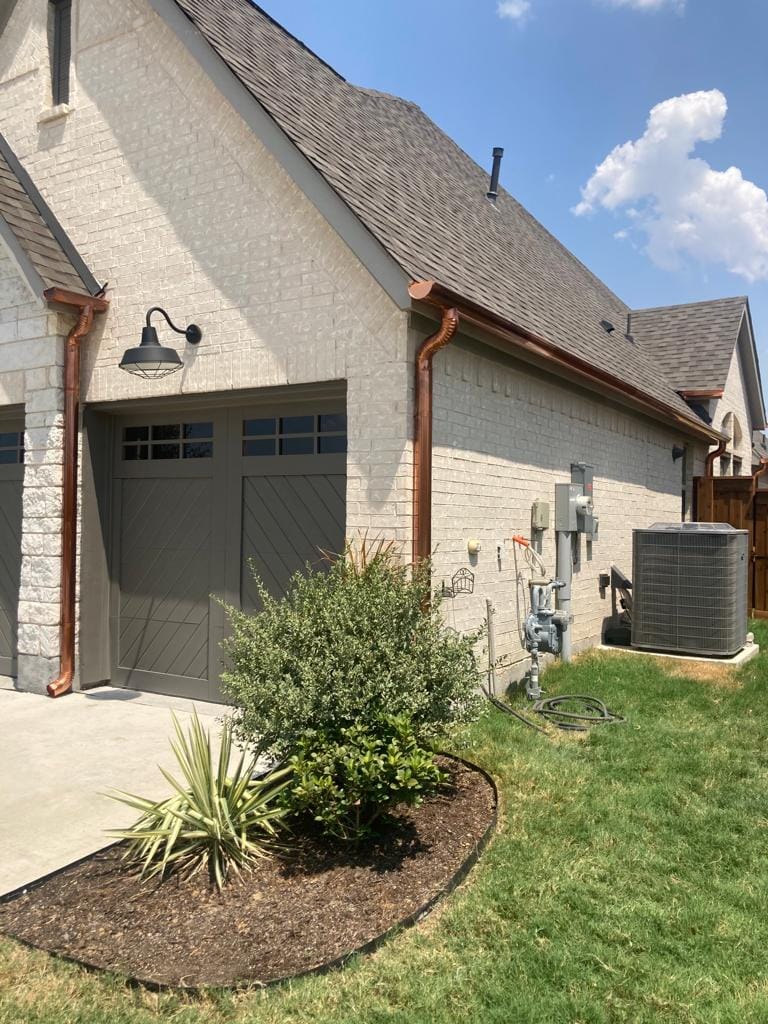
Dents in softer metal components can help indicate the storm’s intensity. Cracked vents, damaged flashing, or loosened connections may create water-entry points even when the main roofing surface appears serviceable.
Hail Damage Can Reduce Water Resistance
One of the roof’s primary functions is directing rainwater away from the building. Hail can reduce this capability by damaging shingles, seams, flashing, sealants, or other water-shedding components.
Water may then reach:
- Underlayment
- Roof decking
- Attic insulation
- Rafters
- Ceilings
- Walls
- Electrical components
- Interior finishes
Leaks may not appear during the hailstorm itself. Damage may become noticeable only during a later period of wind-driven or prolonged rain.
Insulation and Energy Efficiency May Be Affected
Hail damage can indirectly affect energy-efficient roofing when subsequent water intrusion reaches attic insulation or ventilation components.
Wet or compressed insulation may perform less effectively. Moisture can also affect decking and contribute to elevated attic humidity.
Overall energy performance depends on:
- Roofing condition
- Insulation
- Attic ventilation
- Air sealing
- Reflective roofing properties
- HVAC efficiency
- Moisture control
Repairing the exterior damage without evaluating wet insulation or attic moisture may leave part of the problem unresolved.
Damage Can Shorten the Roof’s Service Life
A roof does not need to fail immediately for hail to affect its long-term performance. Impact damage may weaken materials and make them more vulnerable to future sunlight, temperature changes, wind, and rain.
The effect depends on:
- Damage severity
- Roofing material
- Roof age
- Location of impacts
- Previous deterioration
- Speed of repairs
- Future weather exposure
Prompt evaluation can help homeowners understand whether localized roof repairs are sufficient or broader work is required.
Signs of Hail Damage Around Your Property
You may be able to identify storm evidence without climbing onto the roof.
Look for:
- Dents in gutters or downspouts
- Damaged window screens
- Dents on vehicles
- Broken outdoor lights
- Damage to air-conditioning units
- Shredded leaves
- Damaged patio furniture
- Shingle granules near downspouts
- Roofing material on the ground
These signs do not prove that the roof has functional damage, but they support scheduling a closer inspection.
Interior Signs of a Roof Problem
After a hailstorm, monitor the home for:
- Ceiling stains
- Active dripping
- Damp attic insulation
- Musty odors
- Peeling paint
- Soft drywall
- Increased attic humidity
- Water around vents or chimneys
- Daylight entering the attic
Do not wait for an interior leak before arranging an inspection. Some performance-related damage can remain hidden until another storm occurs.
Why Homeowners Should Not Walk on the Roof
Walking on a storm-damaged roof can be dangerous. Wet or loose materials may create unstable footing, and hail damage may not be visible before weight is placed on it.
Foot traffic can also:
- Dislodge additional granules
- Crack weakened shingles
- Scratch metal coatings
- Disturb loose components
- Complicate damage evaluation
Homeowners can document visible conditions from the ground and leave the rooftop evaluation to a qualified roofing contractor in Dallas.
What Happens During a Hail-Damage Inspection?
A professional inspection may evaluate:
- Shingles or metal panels
- Ridge and hip areas
- Valleys
- Flashing
- Roof vents
- Skylights
- Chimneys
- Gutters and downspouts
- Fasteners
- Sealants
- Roof penetrations
- Accessible decking
- Attic insulation
- Interior water stains
The contractor may photograph damage and explain whether it appears cosmetic, functional, repairable, or extensive enough to consider replacement.
Repair vs. Roof Replacement After Hail
Not every hail-damaged roof requires a complete roof replacement. Localized damage may be repaired when matching materials are available and the rest of the roofing system remains serviceable.
Repairs may be appropriate when:
- Damage is limited to a small area
- The roof is otherwise in good condition
- Decking remains sound
- Compatible materials are available
- Flashing or accessories can be replaced separately
Replacement may be considered when:
- Damage is widespread
- Shingles are extensively bruised or fractured
- Multiple roof components are affected
- The roofing is already near the end of its service life
- Repairs would not restore reliable performance
- Decking damage is extensive
The contractor should explain the evidence supporting the recommendation.
Should You File an Insurance Claim?
Insurance coverage varies by policy, deductible, roof age, type of damage, and other conditions. Some policies also distinguish between cosmetic and functional damage.
Before making decisions:
- Review your policy
- Document the date of the storm
- Photograph visible property damage
- Schedule a professional inspection
- Keep written estimates
- Contact your insurer promptly
- Ask how temporary repairs should be handled
A roofing contractor can document roof conditions, but the insurance company determines coverage. Never assume a repair or replacement will automatically be covered.
Can Impact-Resistant Roofing Prevent Hail Damage?
Impact-resistant roofing materials are designed and tested to withstand greater impact than standard products, but they are not hail-proof. A severe storm can still damage roofing, flashing, vents, gutters, and other components.
Impact-resistant asphalt shingles may help:
- Reduce certain forms of impact damage
- Improve resilience during moderate hail
- Limit premature shingle failure
- Provide options for hail-prone regions
Some insurers may offer discounts for qualifying materials, but availability and eligibility vary. Homeowners should contact their insurance provider before choosing a product.
Protecting Roof Performance Before the Next Storm
You cannot prevent hail from falling, but regular maintenance can help keep the roof prepared.
Recommended steps include:
- Schedule annual inspections
- Arrange post-storm evaluations
- Repair loose materials promptly
- Maintain flashing and sealants
- Keep gutters clear
- Trim vulnerable branches
- Protect attic ventilation
- Keep records of inspections and repairs
- Consider impact-resistant products during replacement
A complete roofing system also depends on correct underlayment, flashing, ventilation, drainage, and professional roof installation.
Schedule Hail-Damage Service With Emerson Pro Services
Hail can affect roof performance even when damage is not visible from the ground. Bruised shingles, granule loss, dented metal, cracked vents, and damaged flashing can leave a home more vulnerable to future leaks and premature deterioration.
Emerson Pro Services provides professional roofing services in Dallas, including hail damage inspections, maintenance, roof repairs, roof installations, and roof replacements. Whether your property has asphalt shingles, metal roofing, or an energy-efficient roofing system, our team can evaluate its condition and explain the available options.
Contact Emerson Roofing & Siding
Phone: 972-573-5854
Address: 2911 Turtle Creek Blvd, Suite 300, Dallas, TX 75219
Website: Emerson Pro Services Roofing & Siding
Contact Emerson Pro Services to schedule a professional roof inspection after a Dallas hailstorm.
Frequently Asked Questions
Can hail damage a roof without causing an immediate leak?
Yes. Hail can bruise shingles, loosen granules, damage coatings, or affect flashing without producing an immediate leak. Later weather may expose the weakness.
What does hail damage look like on asphalt shingles?
Possible signs include dark impact marks, bruises, cracks, divots, missing granules, exposed asphalt, or splits that may be visible only from beneath the shingle.
Are dents in a metal roof always a performance problem?
Not necessarily. Some dents may be cosmetic, while others may affect seams, coatings, flashing, or water-shedding performance. A professional evaluation is needed.
Should a roof be inspected after every hailstorm?
An inspection is advisable after significant hail, particularly when vehicles, gutters, air-conditioning units, plants, or other exterior items show impact damage.
Do impact-resistant shingles prevent all hail damage?
No. Impact-resistant shingles are designed to provide greater resistance, but no roofing material is guaranteed to withstand every hailstorm without damage.
Can hail damage require a complete roof replacement?
Yes, if damage is widespread or the roofing system cannot be reliably restored through localized repairs. Limited damage may require only repair.