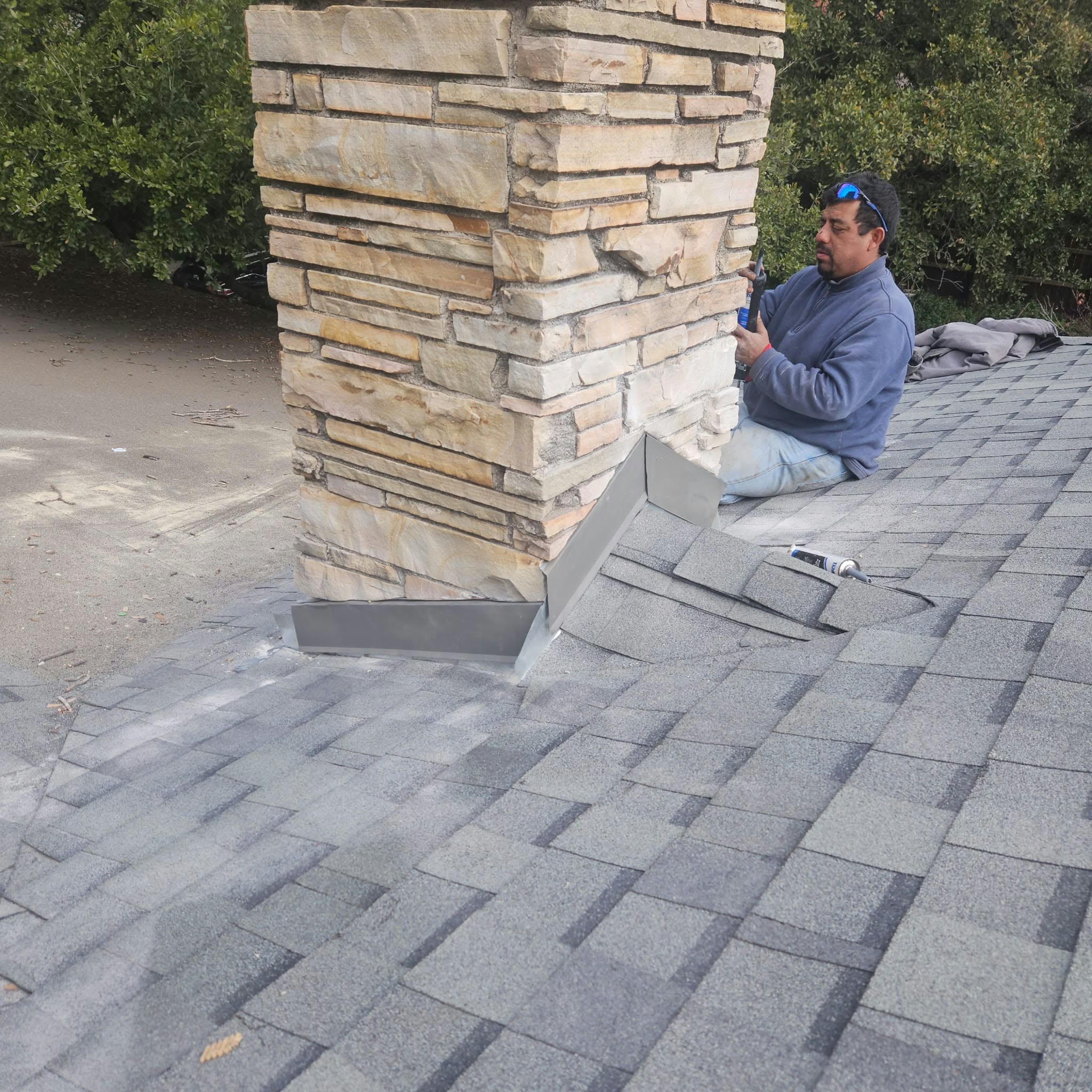


Gas fireplaces are often considered cleaner and easier to maintain than traditional wood-burning fireplaces. They do not produce the same amount of ash or creosote, and many can be started with a switch or remote. However, cleaner operation does not mean inspection-free operation.
Gas fireplaces are fuel-burning appliances. Their burners, controls, gas connections, safety components, venting systems, firebox, chimney, and surrounding materials must remain in suitable condition. A hidden obstruction, damaged vent, deteriorating masonry, or combustion problem can affect performance and safety even when the fireplace appears to work normally.
For most homes, an annual professional inspection is a sensible safety practice. The U.S. Consumer Product Safety Commission advises having heating systems—including chimneys and vents—inspected and serviced annually by a trained technician. Chimney safety guidance also calls for chimneys, fireplaces, and vents to be inspected at least once a year and cleaned or repaired as needed.
Here is what Dallas homeowners should know about inspections, cleaning, maintenance, and repairs for gas fireplace and chimney systems.
Why Gas Fireplaces Still Need Regular Inspection
Gas burns more cleanly than wood, but it still produces combustion gases. Depending on the appliance, those gases must be directed outdoors through a chimney, direct vent, or other listed venting system.
An annual inspection can identify conditions such as:
- Bird nests, leaves, or debris blocking the vent
- Corrosion or separation in vent connections
- Cracked or deteriorated chimney liners
- Damaged chimney caps or chase covers
- Moisture intrusion
- Soot or unusual residue
- Burner or ignition problems
- Damaged logs, glass, gaskets, or refractory panels
- Improper clearances near combustible materials
- Deteriorating brick, mortar, crown, or flashing
- Signs of previous overheating or incorrect operation
Many of these problems are not obvious from the living room. A flame can appear normal while a hidden section of the vent or chimney has begun to deteriorate.
Does Every Gas Fireplace Use a Chimney?
No. The inspection process depends on the type of appliance and venting arrangement.
Natural-Draft Gas Fireplaces
Some gas fireplaces and gas-log sets vent through a traditional masonry chimney. These systems rely on draft to carry combustion gases out of the home. The chimney, liner, damper arrangement, cap, and masonry may all require inspection.
Direct-Vent Gas Fireplaces
Direct-vent units use a sealed system that typically draws combustion air from outdoors and exhausts gases through a listed vent. The vent may terminate through a wall or roof rather than a traditional masonry chimney.
These appliances still require inspection. The technician may check the vent connections, termination, glass seal, gaskets, burner, pilot or ignition components, and signs of corrosion or blockage.
Vent-Free Gas Fireplaces
Vent-free units release combustion products into the room and rely on specific design, room-volume, ventilation, and operating requirements. They do not use a chimney, but they still require manufacturer-directed inspection and service.
Local requirements and product restrictions may apply. Homeowners should never convert, relocate, or modify a vent-free appliance without qualified guidance.
Annual Inspection Does Not Always Mean Annual Cleaning
Inspection and cleaning are different services.
An inspection evaluates the accessible parts of the appliance, chimney, or venting system for condition, deposits, clearances, correct connections, and proper operation. Chimney cleaning removes soot, creosote, debris, nests, and other material when buildup or blockage is present.
A gas-only system may not require sweeping every year because it does not produce wood creosote. However, it should still be inspected annually. Cleaning may be recommended if the technician finds:
- Animal nesting material
- Leaves or other debris
- Soot caused by improper combustion
- Flaking liner material
- Corrosion products
- Construction debris
- Residue from a previous wood-burning setup
The condition of the system—not an automatic calendar rule—should determine whether cleaning is necessary.
Why a Gas Chimney Can Become Unsafe
Gas is often described as a clean-burning fuel, but its exhaust contains water vapor. As gases cool, moisture can condense inside a chimney. In an older, oversized, exterior, or unlined masonry chimney, repeated condensation may contribute to deterioration.
Potential concerns include:
- Corrosion of metal liners or connectors
- Damaged clay flue tiles
- Mortar-joint deterioration
- Moisture stains or efflorescence
- Rust around the appliance or vent
- Loose or disconnected vent sections
- Reduced draft
A chimney originally built for a wood fireplace is not automatically suitable for every gas appliance or insert. Appliance listings, liner sizing, vent design, and installation instructions matter. Professional evaluation is important when converting fuels or updating equipment.
What Is Checked During a Gas Fireplace Inspection?
The exact scope depends on the appliance and the level of inspection, but a service visit may include the following areas.
Appliance Condition
The technician looks for visible damage, overheating, corrosion, soot, and deterioration. Decorative logs, media, refractory panels, glass, screens, doors, and gaskets are checked according to the appliance design.
Logs and media must remain in the manufacturer’s specified positions. Incorrect placement can interfere with flame patterns and combustion.
Burner and Ignition System
The burner, pilot, thermocouple, thermopile, igniter, and related controls may be inspected and tested as applicable. Dust, corrosion, blocked ports, or component wear can contribute to delayed ignition, unreliable operation, or unusual flame appearance.
Gas Connections and Controls
Accessible valves, connectors, and controls are evaluated for condition and operation. Gas leaks require immediate professional attention. Homeowners should not tighten, disassemble, or test gas fittings with an open flame.
Venting and Draft
The vent path is checked for visible blockage, disconnection, damage, and improper termination. Natural-draft systems may also be evaluated for draft and signs of spillage.
Chimney and Liner
When the appliance vents through a chimney, the accessible flue, liner, cap, crown, flashing, and masonry may be examined. The inspection may identify cracks, gaps, corrosion, moisture damage, or an improperly sized liner.
Safety Components
The technician may verify applicable shutoffs, sensors, switches, screens, glass barriers, and manufacturer-required clearances. Nearby combustible materials and modifications should also be reviewed.
Carbon Monoxide Protection
Carbon monoxide alarms are an important additional safeguard, but they do not replace appliance and vent maintenance. Homeowners should install, test, and replace alarms according to manufacturer instructions and applicable requirements.
Warning Signs That Should Not Wait for the Annual Visit
Stop using the fireplace and arrange professional service when you notice:
- A gas odor
- Soot on the glass, logs, walls, or mantel
- Delayed ignition or a small explosion-like “whoosh”
- Frequent pilot outages
- Unusual flame color or pattern
- Headaches, dizziness, nausea, or fatigue during use
- A carbon monoxide alarm
- Rust, water streaks, or moisture near the fireplace or chimney
- Debris falling into the firebox
- Cracked glass or damaged gaskets
- Loose or separated vent connections
- Visible masonry cracks or leaning
- Birds or animals entering the chimney
If you smell gas, follow the fuel supplier’s emergency instructions, avoid creating sparks or flames, leave the area, and call for assistance from a safe location. If a carbon monoxide alarm sounds or anyone experiences possible exposure symptoms, move to fresh air and contact emergency services.
Gas Fireplace Inspection vs. Wood Fireplace Inspection
Both systems need professional attention, but inspectors look for different primary risks.
| Inspection Area | Gas Fireplace | Wood Fireplace |
|---|---|---|
| Combustion residue | Soot may indicate a problem | Soot and creosote are expected byproducts |
| Cleaning frequency | Based on condition and debris | Often driven by creosote and use |
| Burner and controls | Yes | Not usually applicable |
| Gas connections | Yes | No |
| Firebox condition | Yes | Yes |
| Chimney or vent | Yes, when vented | Yes |
| Liner condition | Important | Important |
| Animal or debris blockage | Possible | Possible |
| Masonry condition | Important when present | Important when present |
A chimney used by a wood fireplace may need cleaning more frequently because creosote is combustible. Gas systems avoid that particular buildup but introduce appliance, control, condensation, and vent-compatibility concerns.
How Dallas Weather Can Affect Chimneys
Dallas homes experience intense heat, strong sunlight, wind, thunderstorms, and periods of heavy rain. These conditions can affect exterior chimney components even when the fireplace is used only occasionally.
Weather-related problems may include:
- Cracked crowns
- Failed flashing
- Deteriorated mortar joints
- Rusted chase covers or caps
- Water entering the flue or firebox
- Masonry expansion and contraction
- Wind-driven debris at the termination
An annual inspection can identify exterior damage before moisture reaches interior walls, ceilings, framing, or fireplace components.
When Chimney Repair Is Needed
Professional chimney repair may be recommended when the inspection reveals:
- Cracked or missing mortar
- Spalling bricks
- Damaged flue tiles
- Corroded or improperly sized liners
- Crown cracks
- Failed flashing
- A damaged chimney cap
- Rusted metal chase covers
- Loose masonry
- Water intrusion
- Incorrect vent connections
The repair should address the source of the problem rather than only covering the visible symptom. For example, staining inside the firebox may come from a failed cap, crown, flashing, liner, or another water-entry point.
What Fireplace Masonry Services May Include
Professional fireplace masonry services can address damage to the firebox, surround, hearth, smoke chamber, exterior chimney, and related masonry components. Depending on the system, work may include:
- Repointing deteriorated mortar joints
- Replacing damaged bricks
- Repairing a chimney crown
- Correcting cracks in the firebox
- Restoring a masonry surround or hearth
- Repairing water-damaged exterior masonry
- Rebuilding unstable chimney sections
Materials exposed to heat must be appropriate for their location and use. Ordinary mortar or decorative materials should not be substituted where heat-rated products or listed components are required.
Inspection After Chimney Installation or Fireplace Conversion
New chimney installation or a fireplace conversion should follow the appliance manufacturer’s instructions, listed system requirements, and applicable local codes. After installation, the system should be tested and the homeowner should receive operating and maintenance instructions.
Additional inspection is especially important when:
- A wood-burning fireplace is converted to gas
- A gas insert is installed in an existing masonry fireplace
- A new liner is added
- A vent route is modified
- The appliance is replaced with a different model
- The home is remodeled around the fireplace
Changes in fuel, appliance efficiency, vent temperature, or flue size can affect how the chimney performs.
When Is a More Detailed Chimney Inspection Needed?
A basic annual inspection is appropriate when the system has not changed and there are no known problems. A more detailed evaluation may be recommended after:
- A chimney fire
- A severe storm or lightning strike
- An earthquake or structural movement
- A property transfer
- A fuel-type conversion
- A new appliance connection
- A building fire
- Significant water damage
- A suspected hidden defect
- A major system malfunction
The appropriate inspection level depends on the history, condition, and planned changes to the chimney and fireplace system.
Fireplace Safety Tips for Gas Systems
Good fireplace safety continues between professional visits:
- Follow the appliance manufacturer’s operating instructions.
- Keep combustible items away from the fireplace.
- Use the required safety screen or glass barrier.
- Keep children and pets away from hot glass and surfaces.
- Do not rearrange logs or decorative media unless instructed.
- Never block vents or termination openings.
- Replace remote and ignition batteries as recommended.
- Test carbon monoxide alarms regularly.
- Do not use a fireplace with cracked glass or damaged gaskets.
- Stop operation when soot, gas odors, or unusual ignition occurs.
- Never attempt gas-valve, burner, or vent repairs without proper training.
Even after the flame is turned off, glass and metal surfaces may remain hot for a considerable period.
How Often Should Gas Fireplaces Be Serviced?
Annual inspection is a sound general safety practice, but appliance-service intervals should also follow the manufacturer’s instructions. Frequency may need to increase when the fireplace:
- Is used heavily
- Has a history of ignition or venting problems
- Operates in a dusty environment
- Shows soot or corrosion
- Was recently installed or converted
- Shares a chimney with other approved equipment
- Has been exposed to water, storm, or impact damage
The technician should explain which maintenance tasks are required now and which components should be monitored.
Do You Need Chimney Cleaning for a Gas Fireplace?
Not necessarily every year, but the chimney should be inspected annually. Cleaning is performed when the inspection finds material that could interfere with safe operation or damage the system.
If a chimney previously served a wood fireplace, confirm that old soot and creosote were properly addressed before relying on it for a gas appliance. A conversion does not make old deposits disappear.
Never assume that a clear-looking firebox means the entire flue is unobstructed.
Schedule Chimney Services in Dallas
Annual inspections help ensure that gas fireplaces, chimneys, and vents remain free from dangerous obstruction, visible damage, and connection problems. They also provide an opportunity to identify masonry deterioration, water entry, corrosion, or combustion concerns before the next heating season.
Emerson Pro Services provides chimney services in Dallas, including fireplace and chimney inspections, cleaning, repair, and masonry services. Whether your home has a gas appliance, traditional wood fireplace, existing masonry chimney, or a newly installed system, professional evaluation can help you understand its condition and maintenance needs.
Contact Emerson Pro Services to schedule an inspection and keep your Dallas fireplace and chimney system ready for safe seasonal use.
At Emerson Chimney & Fireplace, we offer a wide range of chimney caps and professional installation services to ensure your home remains safe and efficient. Visit us at 16135 Preston Rd Ste 105, Dallas, TX 75248, or contact us at 469-212-7906 for expert advice and services tailored to your chimney and fireplace needs. For more information, visit our website at www.emersonproservices.com.
Frequently Asked Questions
Do gas fireplaces need annual inspections if they are rarely used?
Yes. Limited use reduces operating wear but does not prevent animal nests, debris, corrosion, moisture damage, deteriorated seals, or vent problems. Annual inspection remains a sensible safety practice.
Does a gas fireplace chimney need to be cleaned every year?
Not automatically. Gas does not create wood creosote, but the chimney may still contain debris, soot, corrosion products, or old deposits. Cleaning should be performed when inspection shows it is needed.
Can a gas fireplace produce carbon monoxide?
Yes. Any fuel-burning appliance can produce carbon monoxide, particularly if combustion or venting is improper. Maintain the appliance and vent, and use functioning carbon monoxide alarms.
What does soot on gas fireplace glass mean?
Soot may indicate improper log placement, blocked burner ports, incomplete combustion, venting problems, or another malfunction. Stop using the fireplace and arrange professional inspection.
Can a wood-burning chimney be used for a gas fireplace?
Sometimes, but the chimney and liner must be evaluated for the specific gas appliance. Correct sizing, condition, compatibility, and installation requirements are essential.
What time of year is best for a fireplace inspection in Dallas?
Spring, summer, or early fall can be convenient because problems can be corrected before colder weather. However, warning signs such as gas odors, soot, water entry, or vent damage require immediate attention.