

Texas summers bring intense heat, high energy demands, and long periods of continuous air-conditioning use. In Dallas, temperatures can climb quickly, forcing cooling equipment to work harder to keep homes comfortable. Preparing your HVAC system before the hottest weather arrives can improve efficiency, reduce the risk of unexpected breakdowns, and help control monthly energy costs.
From replacing filters to scheduling professional air duct services, a few preventive steps can make a meaningful difference in your home’s comfort throughout the summer.
Why Summer HVAC Preparation Is Important
Your HVAC system works harder during a Texas summer than during most other times of the year. If the equipment is dirty, damaged, or poorly maintained, it may struggle to remove heat and humidity from your home.
Neglected systems can lead to:
- Higher electricity bills
- Uneven indoor temperatures
- Weak airflow from vents
- Excessive indoor humidity
- Frequent cycling
- Unexpected equipment failures
- Reduced indoor air quality
Completing seasonal maintenance before temperatures peak gives technicians time to identify problems that could affect cooling performance.
Replace or Clean the Air Filter
Checking the air filter is one of the easiest ways to prepare your HVAC system for summer. A dirty filter restricts airflow and forces the equipment to work harder to circulate cooled air.
Filters should be checked regularly and replaced according to the manufacturer’s instructions. Homes with pets, allergy concerns, recent construction, or high levels of dust may need more frequent filter changes.
Make sure the replacement filter is the correct size and efficiency rating for your system. A filter that is too restrictive may reduce airflow, even when it is clean.
Schedule a Professional HVAC Inspection
A professional inspection can uncover minor issues before they develop into expensive repairs. During a seasonal visit, a technician may inspect electrical connections, refrigerant lines, safety controls, coils, drains, and other important components.
A summer preparation visit may include:
- Testing the thermostat
- Checking system airflow
- Inspecting electrical connections
- Examining the indoor and outdoor coils
- Checking the condensate drain
- Listening for unusual noises
- Looking for signs of refrigerant problems
- Evaluating overall cooling performance
Preventive service cannot guarantee that a breakdown will never occur, but it can reduce avoidable problems and support more reliable operation.
Clean the Outdoor Condenser Area
The outdoor unit needs adequate airflow to release heat removed from inside the home. Grass, leaves, dirt, and landscaping can accumulate around the condenser and interfere with performance.
Remove loose debris around the unit and trim nearby plants while leaving sufficient clearance on all sides. Avoid placing furniture, storage items, or decorative screens too close to the equipment.
Homeowners can clean the surrounding area, but internal coil cleaning and mechanical repairs should be handled by a qualified professional.
Check Your Thermostat Settings
Your thermostat controls how often the cooling system operates. Before summer, confirm that it responds correctly and displays an accurate indoor temperature.
Choose a comfortable, consistent setting instead of making extreme adjustments. Setting the thermostat much lower does not cool the home faster. It may simply cause the equipment to run longer.
A programmable or smart thermostat can automatically adjust temperatures based on your household schedule. Reducing unnecessary cooling while the house is empty may help lower energy consumption without sacrificing comfort when you return.
Inspect Air Vents and Registers
Blocked supply vents can reduce airflow and create uneven temperatures. Walk through your home and make sure that furniture, rugs, curtains, and storage items are not covering the registers.
Keep vents open unless an HVAC professional recommends otherwise. Closing several vents can create pressure problems within the duct system and may not provide the energy savings homeowners expect.
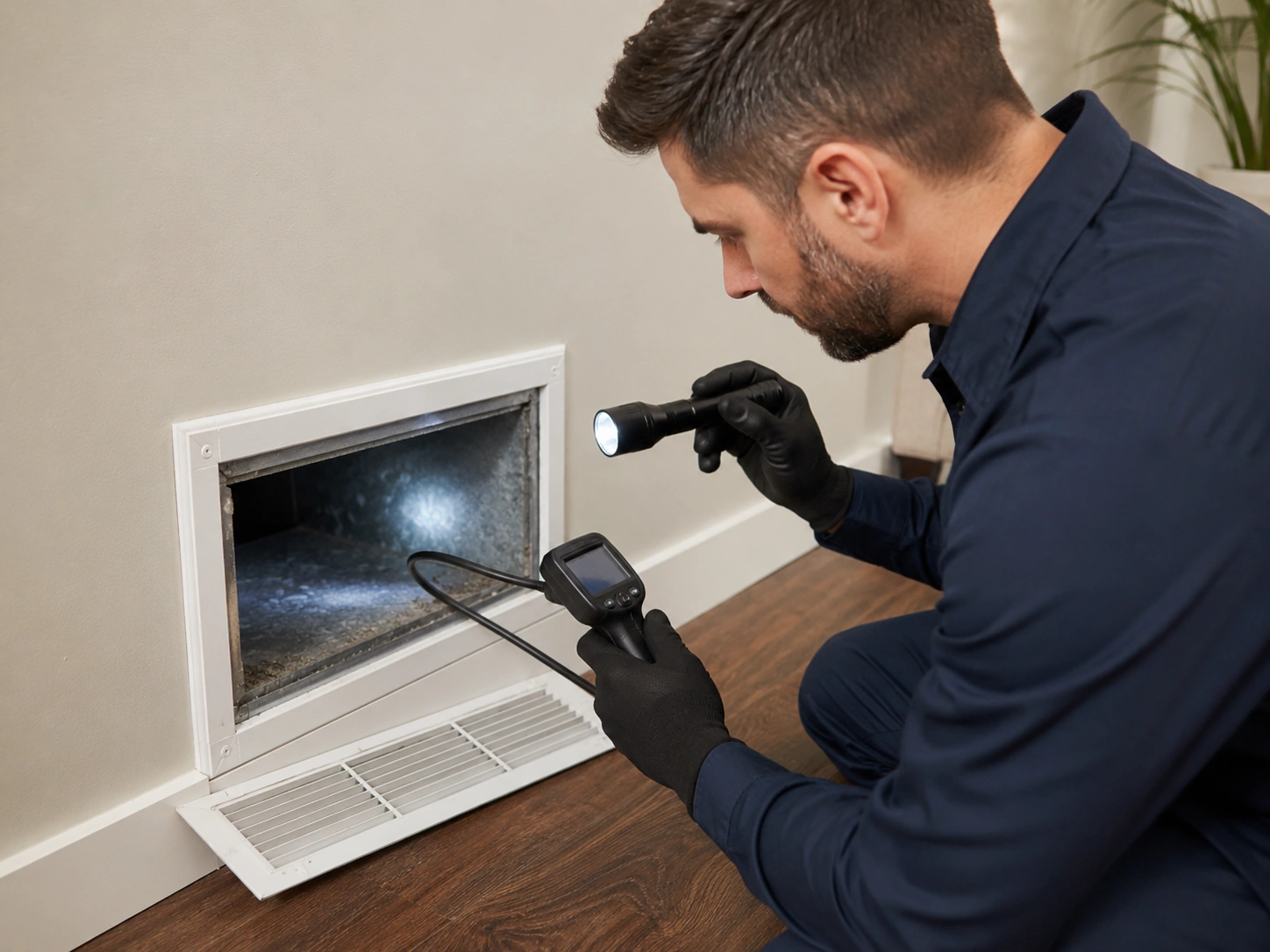
Dust on vent covers can be removed during regular cleaning. However, recurring buildup or visible debris inside the ducts may indicate a need for professional air duct cleaning or further inspection.
Schedule Air Duct Cleaning When Necessary
Dust and debris can accumulate inside ductwork over time. In appropriate situations, professional air duct cleaning can remove significant buildup and help keep the ventilation system cleaner.
You may want to consider air duct cleaning in Dallas if:
- Visible debris is coming from the vents
- The ducts contain substantial dust buildup
- Pests have entered the duct system
- The home has recently undergone renovation
- Contamination is suspected inside the ducts
- Household members experience irritation when the system operates
Cleaning is not a solution for every HVAC problem. If weak airflow is caused by leaks, crushed ducts, or improper sizing, additional repairs may be required.
Look for Duct Leaks and Damage
Even a well-maintained air conditioner can waste energy when damaged ductwork allows cooled air to escape. Leaks commonly occur around joints, connections, and deteriorated sections.
Possible signs of ductwork problems include:
- Rooms that remain warmer than others
- Weak airflow from certain vents
- Rising cooling bills
- Excessive dust
- Whistling or rattling noises
- Long cooling cycles
- Visible tears or disconnected ducts
Professional air duct services can identify air leaks, damaged insulation, airflow restrictions, and pressure problems. Sealing or repairing affected areas can help more conditioned air reach your living spaces.
Know When Duct Replacement Is Needed
Minor leaks and loose connections may be repairable, but severely damaged or outdated ductwork may require duct replacement. Replacement may be recommended when ducts are crushed, deteriorated, poorly insulated, extensively leaking, or incorrectly sized for the home.
Properly designed and installed ductwork can improve airflow, reduce energy loss, and create more consistent temperatures. It may also reduce unnecessary strain on the HVAC system during the hottest part of the year.
An inspection can help determine whether cleaning, sealing, partial repair, or complete duct replacement is the most practical solution.
Keep Up With Air Duct Maintenance
Routine air duct maintenance helps protect the efficiency of your cooling system. Maintenance may include inspecting connections, checking insulation, sealing accessible leaks, cleaning vent covers, and evaluating airflow.
Ductwork should also be inspected after remodeling or construction. Renovation activities can damage flexible ducts or introduce large amounts of dust into the system.
Addressing duct problems early can help prevent cooled air from being lost in the attic or other unconditioned areas.
Check the Condensate Drain
Your air conditioner removes moisture from indoor air, and that moisture exits through a condensate drain. If the drain becomes clogged, water may back up around the equipment and cause leaks, water damage, or system shutdowns.
Watch for standing water, musty odors, or moisture near the indoor unit. If you suspect a blockage, arrange for professional service. A technician can inspect and clear the drainage system safely.
Use Ceiling Fans Correctly
Ceiling fans do not lower the actual room temperature, but they create air movement that can help occupants feel cooler. This may allow you to maintain a slightly higher thermostat setting without sacrificing comfort.
During summer, most ceiling fans should rotate counterclockwise when viewed from below. Turn fans off when no one is in the room because they cool people rather than empty spaces.
Reduce Heat Entering Your Home
Your HVAC system will operate more efficiently when less outdoor heat enters the home. Simple improvements can reduce the cooling load during hot afternoons.
Consider these steps:
- Close blinds or curtains on sun-facing windows
- Seal gaps around exterior doors and windows
- Use exhaust fans when cooking or showering
- Avoid using heat-producing appliances during peak afternoon hours
- Check attic insulation
- Replace worn weatherstripping
- Use shaded outdoor areas to protect exposed windows where practical
These measures work alongside HVAC and duct maintenance to support better indoor comfort.
Include Dryer Vent Cleaning in Summer Maintenance
Your air duct and dryer vent systems serve different purposes, but both contribute to household efficiency. The HVAC ducts distribute conditioned air, while the dryer vent carries heat, moisture, and lint outdoors.
A clogged dryer vent can increase drying times and cause the appliance to operate longer. It can also allow excess heat to build up around the dryer. Professional dryer vent cleaning can improve airflow and remove accumulated lint.
Including both air duct and dryer vent inspections in your maintenance plan can help prepare your home for a demanding Texas summer.
Benefits of Preparing Your HVAC System Early
Summer preparation can provide several benefits for Dallas homeowners:
- More dependable cooling
- Improved airflow
- More consistent room temperatures
- Better humidity control
- Lower risk of preventable breakdowns
- Reduced strain on HVAC equipment
- Improved energy efficiency
- A more comfortable indoor environment
Scheduling service early also makes it easier to address repairs before prolonged heat places maximum demand on the system.
Prepare Your Dallas Home With Emerson Pro Services
Do not wait until the first major heat wave to find out that your cooling system or ductwork has a problem. Emerson Pro Services provides professional air duct services, including inspections, cleaning, maintenance, and replacement for homeowners in Dallas.
Our team can evaluate your ductwork, identify airflow issues, and recommend services tailored to your home’s condition. Contact Emerson Pro Services today to prepare your HVAC system for the Texas summer and enjoy more reliable comfort throughout the hottest months.
Choosing the right air duct cleaning service involves careful consideration of certification, reviews, equipment, and adherence to guidelines. Emerson Air Duct & Dryer Vent meets all these criteria and more. We are committed to providing high-quality air duct cleaning services to ensure our clients have a healthy home environment.
Location: 2043 Empire Central Pl Ste 109, Dallas, TX 75235
Contact: 972-433-9632
Website: www.emersonproservices.com
Frequently Asked Questions
When should I prepare my HVAC system for summer?
Spring is generally a convenient time to inspect and prepare your system. Scheduling service before temperatures peak provides time to address airflow, drainage, electrical, or ductwork problems before cooling demand increases.
How often should I replace my HVAC filter?
The correct schedule depends on the filter, system, household conditions, and manufacturer’s instructions. Check it regularly and replace it when dirty. Homes with pets, significant dust, or allergy concerns may require more frequent changes.
Can air duct cleaning improve HVAC efficiency?
Air duct cleaning can help when substantial debris is restricting airflow or contaminating the system. However, it will not repair leaks, damaged insulation, crushed sections, or poorly designed ductwork.
What are the signs that my ductwork needs replacement?
Common signs include visible damage, weak airflow, uneven temperatures, unusual duct noises, rising energy bills, and extensive air leaks. A professional inspection can determine whether repair or duct replacement is appropriate.
Why is my HVAC system running constantly during summer?
Constant operation may be related to extreme outdoor temperatures, a dirty filter, duct leaks, low refrigerant, dirty coils, insulation problems, incorrect equipment sizing, or mechanical issues. A professional evaluation is the best way to identify the cause.
Should air ducts and dryer vents be cleaned at the same time?
They do not have to be cleaned together because they are separate systems. However, including both in a seasonal maintenance plan can support efficient airflow, appliance performance, and household safety.