

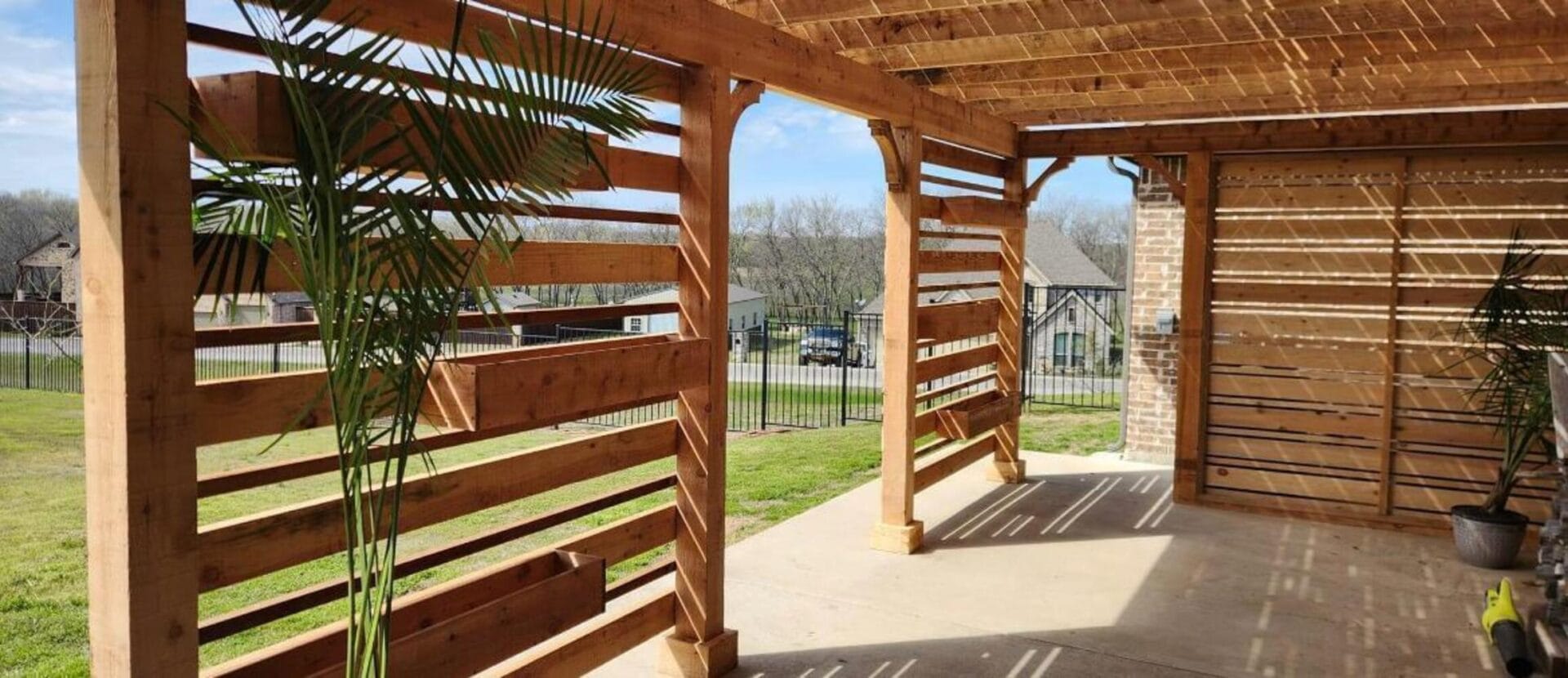
A pergola can define a patio, create an inviting place to gather, and add architectural character to a backyard. However, the right lighting and shade features are what make the structure comfortable and functional throughout the day. By incorporating these elements into the initial pergola design, homeowners can create an outdoor area that remains enjoyable during sunny afternoons and after dark.
From adjustable roof systems to string lights and outdoor curtains, there are many ways to improve a pergola’s comfort without losing its open, airy appearance.
Why Lighting and Shade Matter
Traditional pergolas have open or partially covered roofs. This design allows natural light and air to pass through, but it may not provide enough shade during the hottest parts of the day. The area can also become difficult to use after sunset without proper lighting.
Adding shade and illumination can make a pergola suitable for:
- Outdoor dining
- Evening gatherings
- Reading and relaxing
- Grilling and food preparation
- Poolside seating
- Family activities
- Entertaining guests
A thoughtful pergola design considers how the area will be used, when it receives direct sunlight, and how much illumination is needed at night.
Evaluate the Sun’s Direction
Before selecting a shade system, observe how sunlight moves across the yard. A pergola that feels comfortable in the morning may receive intense direct sun in the afternoon.
The direction of the roof slats affects how much sunlight enters the space. Closely spaced rafters generally create more shade, while wider spacing produces a brighter, more open appearance.
The location and orientation of the structure should be planned carefully. Professional outdoor living design can account for the home’s position, the path of the sun, surrounding trees, and nearby structures.
Choose the Right Pergola Roof
The roof is one of the most important elements in creating comfortable shade. Homeowners can choose from several options based on their preferred appearance, budget, and desired level of weather protection.
Traditional Open Rafters
An open-rafter roof creates the classic pergola appearance. It filters sunlight but does not provide complete coverage from the sun or rain.
The shade level can be adjusted through the size, angle, orientation, and spacing of the rafters. This option works well for homeowners who want an airy structure and do not require full protection.
Fixed Shade Panels
Fixed panels may be installed above or between the rafters to create greater coverage. Depending on the material, panels can block sunlight while allowing some natural light to enter.
The structure must be designed to support the selected panel system. Drainage and wind resistance should also be considered during installation.
Retractable Canopies
A retractable canopy gives homeowners greater control over shade. It can be extended during sunny conditions and opened when more natural light is preferred.
Outdoor-rated canopy fabric should be selected for its durability, colorfastness, and resistance to moisture. The canopy also needs to be secured properly to prevent damage during windy conditions.
Adjustable Louvered Roofs
Adjustable louvers can rotate to control sunlight, airflow, and, with certain systems, rain exposure. These systems are commonly associated with modern aluminum pergolas.
A louvered roof offers flexibility but requires careful design and professional installation. Motorized systems may also need weather-rated electrical components and proper drainage channels.
Add Shade Curtains or Screens
Outdoor curtains and retractable screens can block low-angle sunlight that enters through the sides of a pergola. They can also improve privacy and make the space feel more like an outdoor room.
Available options include:
- Weather-resistant curtains
- Roll-down solar shades
- Retractable privacy screens
- Slatted side panels
- Decorative outdoor screens
- Trellises with climbing plants
Side shade should be positioned where it provides the most benefit without unnecessarily restricting airflow or views.
Use Plants for Natural Shade
Climbing vines can add greenery and natural beauty to wooden pergolas. As the plants grow across the structure, they may provide additional filtered shade.
Before adding plants, consider their growth habits, weight, maintenance needs, and potential effect on the pergola material. Some vines grow aggressively or retain moisture against wood, increasing maintenance requirements.
Plants should be selected carefully so they complement the structure without damaging it or creating excessive debris.
Plan Lighting During the Design Stage
Lighting is easier to install when electrical access and fixture placement are included in the original pergola design. Planning early helps conceal wiring and prevents fixtures from appearing like an afterthought.
Consider the activities that will take place beneath the pergola. A dining area may need warm overhead lighting, while an outdoor kitchen requires brighter task lighting. Steps and pathways need enough illumination for safe movement.
Professional electrical work should follow applicable requirements and use components rated for outdoor exposure.
String Lights Create a Relaxed Atmosphere
String lights are a popular choice for pergolas because they provide soft illumination and a welcoming appearance. They can be installed along beams, around the perimeter, or in a pattern across the roof.
Choose outdoor-rated lights and secure them properly. Avoid hanging them loosely where they may be damaged by wind or interfere with fans and other accessories.
Warm-colored bulbs generally create a cozy environment, while brighter bulbs may be more appropriate for active entertainment areas.
Pendant Lights Define Dining Areas
Pendant fixtures can create a visual focal point above an outdoor dining table, bar, or seating area. They work particularly well with large pergolas that have enough overhead clearance.
The fixture should be rated for the pergola’s level of weather exposure. Its size must also match the scale of the furniture and structure. An oversized pendant can overwhelm a small pergola, while a fixture that is too small may not provide sufficient light.
Recessed Lighting Offers a Clean Appearance
Recessed lights may be incorporated into certain solid or louvered roof systems. They provide a streamlined appearance and can distribute light evenly across the outdoor area.
This option is more common with modern aluminum pergolas or structures that include solid ceiling sections. The roof system must be designed to safely accommodate the fixtures and wiring.
Add Task Lighting for Outdoor Kitchens
An outdoor kitchen or grilling area needs focused lighting for food preparation and cooking. Decorative lighting alone may not provide enough visibility for these activities.
Task lights can be placed above:
- Grills
- Countertops
- Sinks
- Food-preparation areas
- Serving stations
- Storage cabinets
Fixtures should be positioned to reduce shadows without creating uncomfortable glare.
Use Accent Lighting to Highlight the Structure
Accent lighting emphasizes the pergola’s architecture and contributes to the atmosphere of the entire backyard. Small fixtures can illuminate posts, beams, nearby plants, or decorative walls.
Downlights mounted on posts may cast light toward the floor, while uplights can highlight the height and shape of the structure. Low-voltage landscape lighting can visually connect the pergola to pathways, planting beds, artificial turf, and other outdoor features.
Include Lighting Controls
Lighting controls can make the pergola more convenient and energy-efficient. Depending on the electrical system, homeowners may add:
- Dimmer switches
- Timers
- Motion sensors
- Remote controls
- Separate lighting zones
- Smart lighting controls
Separate zones allow task, accent, and decorative lighting to be adjusted independently. This flexibility helps create the right environment for different activities.
Coordinate Lighting With the Pergola Material
Lighting should complement the material and style of the structure. Wooden pergolas pair naturally with warm fixtures, lantern-inspired designs, and subtle string lights. Modern aluminum pergolas often work well with recessed lighting, integrated LED strips, and streamlined fixtures.
Fixture finishes can coordinate with outdoor furniture, door hardware, railings, and other exterior details. Consistency helps the entire area feel planned and cohesive.
Connect the Pergola With the Surrounding Landscape
The pergola should not feel isolated from the rest of the yard. Pathway lighting, plant beds, pavers, and artificial turf can create a visual connection between the structure and other areas.
Professional turf installation can provide a clean, low-maintenance surface around a freestanding pergola or between the structure and the home. Proper drainage and edging are essential, especially where the turf meets pergola posts, patios, and walkways.
Combining coordinated lighting, landscaping, and ground surfaces can make the entire backyard feel like one complete outdoor living environment.
Balance Comfort With an Open Design
Adding too many screens, curtains, panels, or fixtures can make a pergola feel crowded. The goal is to improve comfort while preserving the openness that makes pergolas appealing.
An effective design balances:
- Sun protection
- Natural airflow
- Privacy
- Nighttime visibility
- Weather exposure
- Architectural style
- Maintenance requirements
- Available space
Professional outdoor services can help homeowners select compatible features and position them correctly.
Work With Emerson Pro Services
Lighting and shade can transform a basic pergola into a comfortable space for dining, entertaining, and relaxing. The best results begin with a coordinated pergola design that considers the sun’s direction, the structure’s material, electrical access, drainage, and the homeowner’s intended use.
Emerson Pro Services provides professional outdoor services for creating functional and attractive exterior spaces. Whether you are considering wooden or aluminum pergolas, custom lighting, additional shade, or artificial turf for the surrounding area, our team can help develop an outdoor living design suited to your property. Contact Emerson Pro Services to begin planning your pergola project.
For more outdoor living projects and expert advice, contact Emerson Turf & Outdoor Living in Dallas, TX. Visit our website at Emerson Turf & Outdoor Living or call us at 972-316-4259 to learn more about our services and how we can help you transform your outdoor space.
Frequently Asked Questions About Pergola Lighting and Shade
What is the best way to add shade to a pergola?
The best option depends on the amount of coverage and flexibility desired. Common choices include closely spaced rafters, fixed panels, retractable canopies, adjustable louvers, curtains, and roll-down screens.
Can lights be installed on a wooden pergola?
Yes. Outdoor-rated string lights, pendants, sconces, and other fixtures can be installed on wooden pergolas. Wiring and mounting methods should be appropriate for outdoor conditions and should not damage the structure.
What lighting works best under a pergola?
Layered lighting usually provides the most flexibility. Ambient lighting illuminates the general area, task lighting supports cooking or dining, and accent lighting highlights the structure and landscaping.
Do aluminum pergolas support integrated lighting?
Many aluminum pergola systems can accommodate integrated LED or recessed lighting. Compatibility depends on the specific structure and roof system, so lighting should be planned before installation.
Can a pergola provide protection from rain?
Traditional open-roof pergolas provide little rain protection. Certain fixed-panel, canopy, and louvered-roof systems may offer greater coverage when properly designed and installed.
Should pergola lighting be installed professionally?
Professional installation is recommended when the project requires new wiring, permanent fixtures, controls, or connections to the home’s electrical system. Outdoor electrical components must be suitable for exposure to moisture and changing weather.