







Air Duct Sanitizing in Dallas: What the Service Includes and Who Needs It
Air duct sanitizing is often mentioned alongside duct cleaning, but it is a distinct service with its own purpose, process, and ideal use cases. If you have heard that air duct sanitizing is available and are trying to figure out whether your Dallas home actually needs it, this guide explains what the service involves, who typically benefits from it, and how the decision to sanitize should be made.
Quick Answer
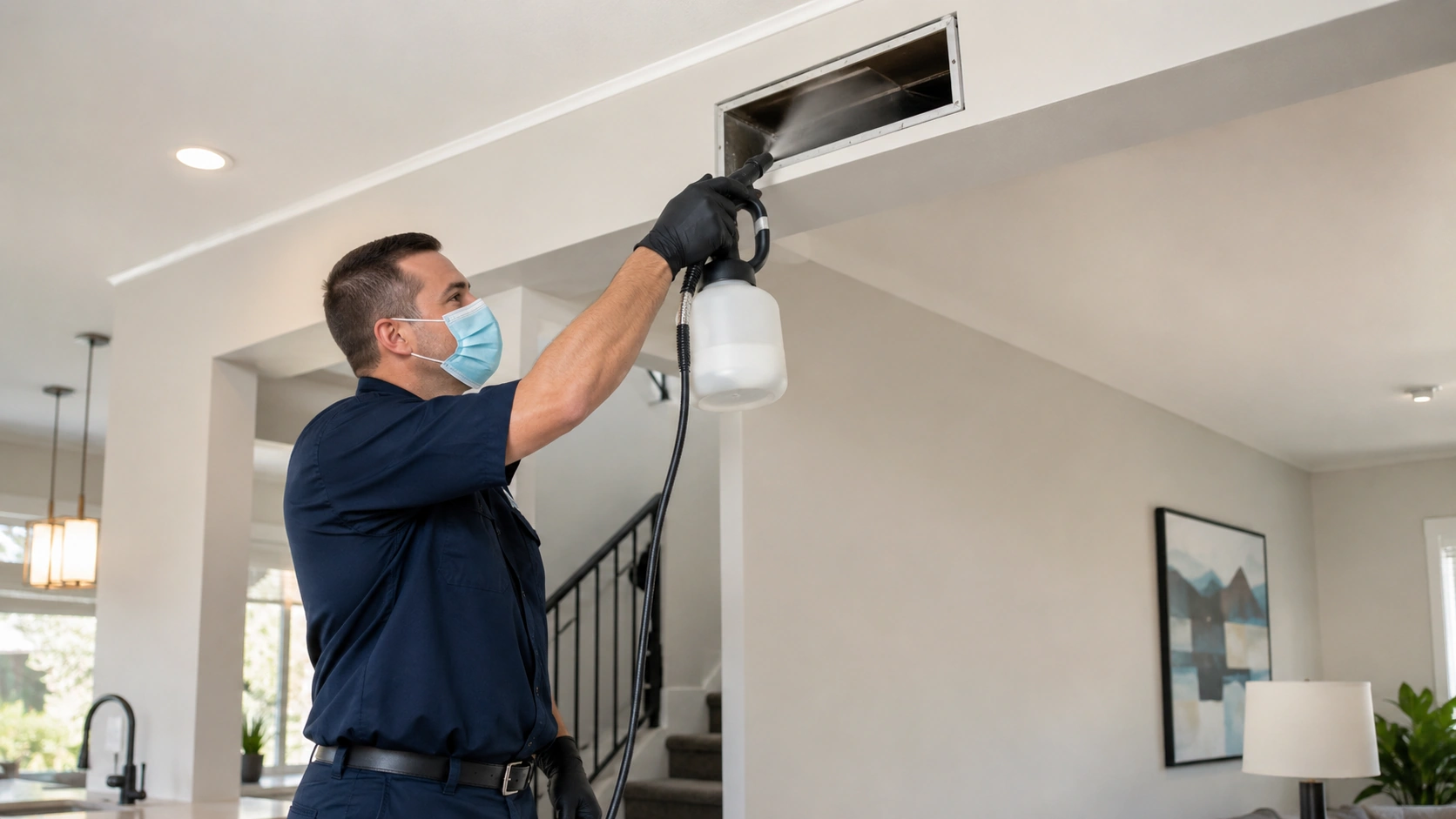
Air duct sanitizing is a treatment applied to the interior surfaces of a duct system to address biological contaminants such as mold, bacteria, or odor-causing residue. It is not a routine step in every duct cleaning and is generally recommended after an inspection or cleaning reveals conditions that warrant it — not applied automatically to every home.
Key Takeaways
- Air duct sanitizing treats biological contaminants on duct surfaces and is a separate service from standard duct cleaning, which removes dust and debris.
- Sanitizing may be recommended after an inspection or cleaning depending on what is found — it is not a default add-on for every home.
- Homes with documented mold, persistent musty odors, recent water intrusion, or household members with respiratory sensitivities are among the more common candidates for sanitizing.
- The sanitizing process involves applying an antimicrobial treatment to accessible duct surfaces after cleaning has removed loose debris.
- A professional inspection is the most reliable way to determine whether sanitizing is appropriate for your specific duct system.
Air Duct Sanitizing vs. Air Duct Cleaning: Why They Are Not the Same Service
Duct cleaning and duct sanitizing address different problems. Cleaning removes physical debris — dust, lint, pet hair, and other particulate matter that accumulates on duct surfaces over time. Sanitizing addresses biological contamination on those surfaces, such as mold growth, bacteria, or microbial residue that cleaning alone does not eliminate.
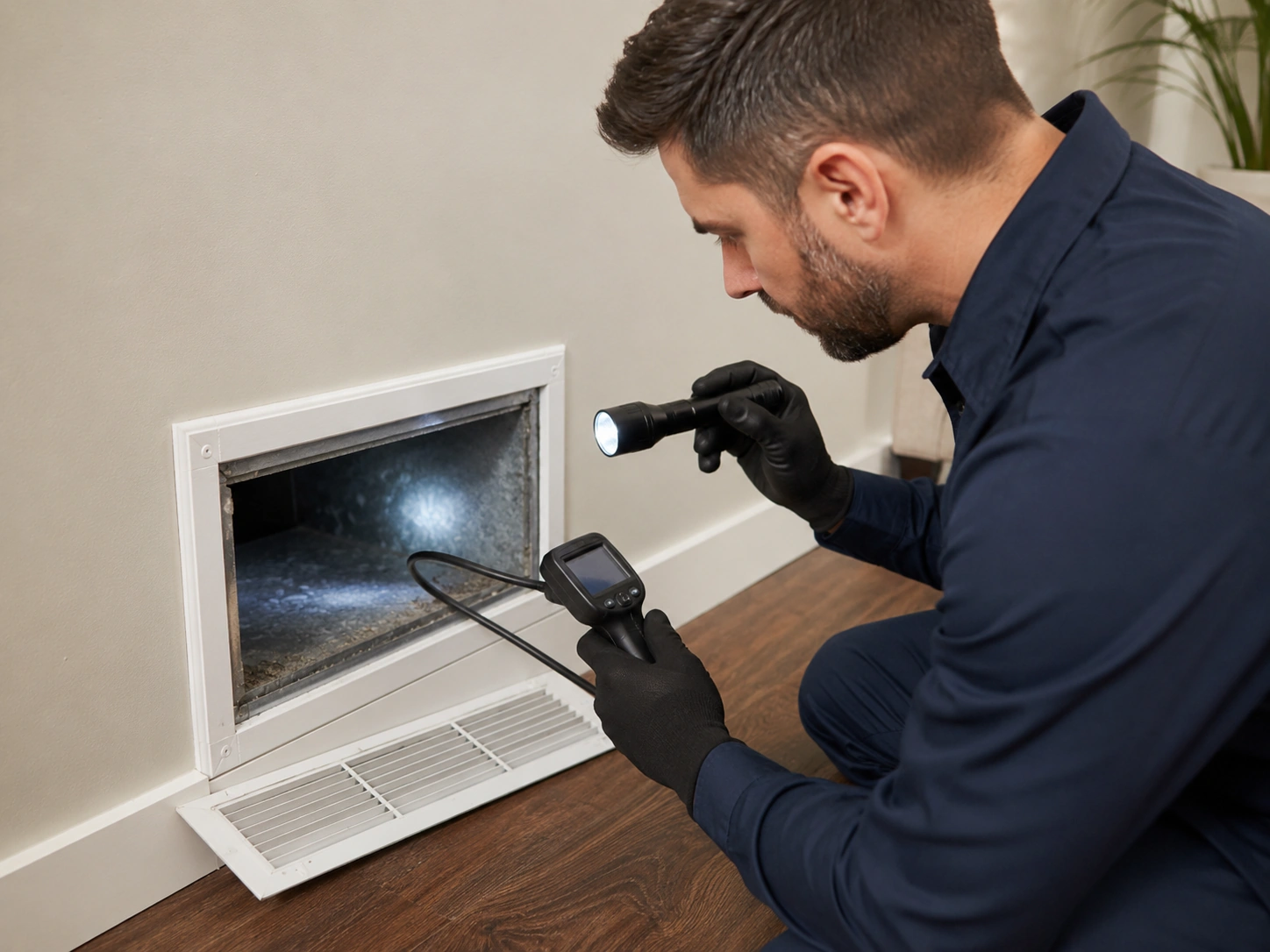
This distinction matters because sanitizing is sometimes marketed as a default upgrade added to every cleaning appointment, regardless of whether the duct system shows any sign of biological contamination. A more accurate approach treats sanitizing as a targeted response to specific findings. If an inspection or cleaning reveals visible mold, persistent moisture, or other conditions consistent with microbial growth, sanitizing may be recommended at that point. If no such conditions are present, a standard cleaning may be sufficient on its own.
For a deeper comparison of what each service includes, see the Emerson guide to air duct cleaning vs. sanitizing.
Who Typically Benefits from Air Duct Sanitizing
Because sanitizing is a targeted service rather than a routine one, certain household conditions make it more likely to be recommended after an inspection. The following situations are among the more common reasons a Dallas homeowner might consider air duct sanitizing.
Homes with a History of Water Intrusion or Moisture Problems
Roof leaks, plumbing failures, or HVAC condensate issues that have introduced moisture near the duct system create conditions favorable to microbial growth. If your home has experienced any of these events, particularly near ductwork or the air handling unit, an inspection to check for resulting contamination is a reasonable step before deciding on sanitizing.
Persistent Musty or Stale Odors When the HVAC System Runs
An odor that appears specifically when the heating or cooling system cycles on, rather than being present throughout the home generally, often points to something inside the duct system itself. This is one of the more common reasons homeowners request an inspection that leads to a sanitizing recommendation.
Visible Mold or Suspected Mold Near Vents or Registers
Discoloration, dark spotting, or visible growth around supply or return registers can indicate mold within the accessible portion of the duct system. This is among the clearest indicators that an inspection — and likely sanitizing as part of remediation — is warranted. For more on how mold develops in duct systems, see the Emerson guide to mold in air ducts.
Households with Respiratory Sensitivities or Allergies
While sanitizing is not a guaranteed solution for allergy or asthma symptoms, households where a member has documented respiratory sensitivities sometimes choose a more thorough service approach as part of broader indoor air quality efforts, particularly when combined with the findings of a duct inspection. Related context is available in the Emerson guide to air duct cleaning and allergies in Dallas homes.
Homes Purchased with an Unknown HVAC Maintenance History
Buyers of existing homes in Dallas, particularly older properties, often have no documentation of when the duct system was last cleaned or whether any biological contamination has ever been addressed. An inspection shortly after move-in establishes a baseline and identifies whether sanitizing should be part of the first service.
What the Air Duct Sanitizing Process Involves
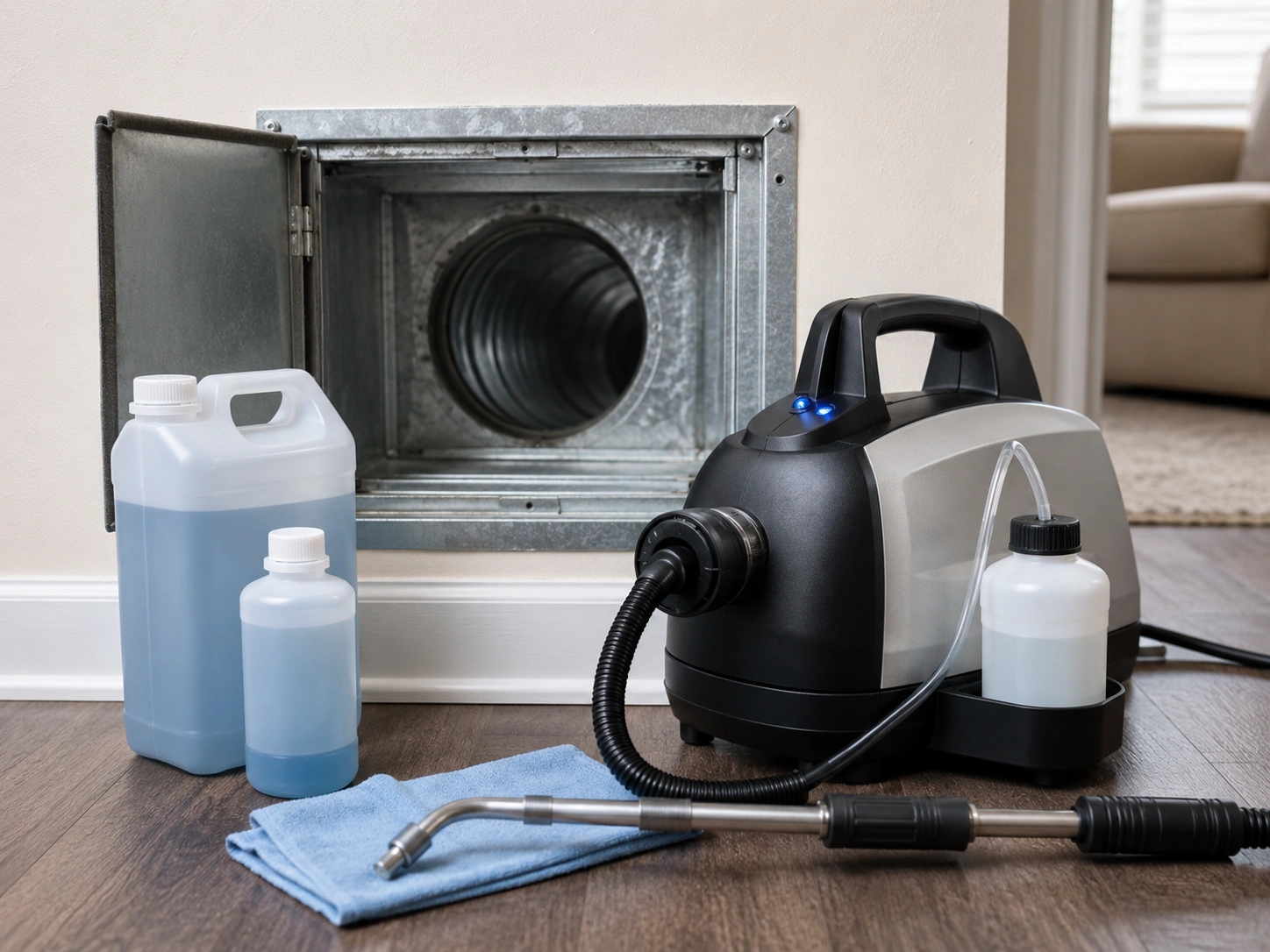
When sanitizing is recommended following an inspection or cleaning, the process generally follows a defined sequence.
Cleaning Comes First
Sanitizing treatments are applied to duct surfaces, not to loose debris. For the treatment to be effective, accumulated dust and particulate matter should be removed through cleaning first. Applying a sanitizing product over a layer of debris does not address the underlying surface and reduces the effectiveness of the treatment. See the Emerson guide to what happens during professional air duct cleaning for more on this first step.
Application of an Antimicrobial Treatment
Once duct surfaces are clean, a technician applies an antimicrobial or sanitizing solution to accessible duct interior surfaces, typically using a sprayer or fogging applicator designed to reach throughout the duct run. The product is selected to be appropriate for use in occupied living spaces and HVAC systems.
Drying and Reassembly
After application, treated surfaces are allowed to dry according to the product’s requirements before registers and access panels are reassembled. The system should not be returned to active use until this step is complete.
Documentation of Findings and Work Completed
A responsible contractor will note what conditions prompted the sanitizing recommendation, what areas were treated, and any follow-up considerations — particularly if the original contamination was related to an ongoing moisture source that has not yet been resolved. Sanitizing addresses the duct surfaces; it does not fix a leaking roof or a failing condensate line. If the underlying moisture source is not corrected, contamination can recur.
When Sanitizing Is Not Necessary
Not every duct cleaning needs to be paired with sanitizing. A duct system with no history of moisture intrusion, no visible mold, no persistent odor, and no inspection findings suggesting biological contamination generally does not require sanitizing as part of a routine cleaning. Treating sanitizing as a default add-on for every appointment, regardless of findings, adds cost without a corresponding benefit in many cases. The more reliable approach is to have the system inspected, let the findings determine whether sanitizing is appropriate, and proceed accordingly.
The EPA’s guidance on duct cleaning decisions for homeowners notes that there is no evidence that sanitizing agents reduce dust or particle levels in homes when used alone, and that they should be paired with proper cleaning when used. You can review the EPA’s full guidance at epa.gov/indoor-air-quality-iaq.
Schedule an Air Duct Inspection or Sanitizing Service in Dallas
Emerson Air Duct & Dryer Vent serves homeowners throughout Dallas and the surrounding DFW area from the Dallas location at 2043 Empire Central Pl Ste 109, Dallas, TX 75235. If you are experiencing musty odors, have a history of moisture near your duct system, or simply want a professional assessment of whether sanitizing is appropriate for your home, contact the Dallas team at (972) 433-9632 or visit the Emerson Air Duct & Dryer Vent service page to schedule an inspection.
Frequently Asked Questions: Air Duct Sanitizing in Dallas
Is air duct sanitizing the same as air duct cleaning?
No. Cleaning removes physical debris like dust and lint from duct surfaces. Sanitizing applies an antimicrobial treatment to address biological contamination such as mold or bacteria. They address different problems, and sanitizing typically follows cleaning rather than replacing it.
Does every duct cleaning need to include sanitizing?
No. Sanitizing may be recommended after an inspection or cleaning depending on what is found, such as evidence of mold, moisture intrusion, or persistent odor. A duct system with no signs of biological contamination generally does not require sanitizing as part of a routine cleaning.
How do I know if my home needs air duct sanitizing?
Common indicators include a musty odor that appears when the HVAC system runs, visible mold or discoloration near vents, a known history of water intrusion near the ductwork, or an unknown maintenance history after purchasing an existing home. A professional inspection is the most reliable way to confirm whether sanitizing is appropriate.
Will sanitizing my air ducts get rid of a musty smell in my house?
If the odor is coming from biological growth inside the duct system, sanitizing the affected surfaces can address that source. However, if the odor is caused by an ongoing moisture problem outside the duct system, such as a roof leak or plumbing issue, that underlying source needs to be resolved as well, or the odor and contamination may return.
How long does air duct sanitizing take?
Sanitizing is typically performed after a cleaning has been completed, and the application and drying process adds time to that appointment. The exact duration depends on the size of the duct system and the product used. A technician can provide a more specific estimate after inspecting your system.
Is air duct sanitizing safe for homes with children or pets?
Professional sanitizing products used in HVAC applications are selected for use in occupied living spaces. Specific safety information, including any temporary precautions during application or drying, should be confirmed with the technician performing the service for the specific product being used.
Can I sanitize my own air ducts without professional help?
Reaching the full interior surface of a duct system safely and effectively requires professional equipment and access most homeowners do not have. DIY sanitizing attempts typically only reach accessible register openings and do not treat the full duct run, which limits effectiveness compared to a professional service.
Should I get my ducts inspected before requesting sanitizing?
Yes. An inspection is the most reliable way to determine whether sanitizing is actually needed for your specific situation, rather than paying for a treatment that may not address an existing problem. A professional can assess your duct system and base the recommendation on what is actually found.