




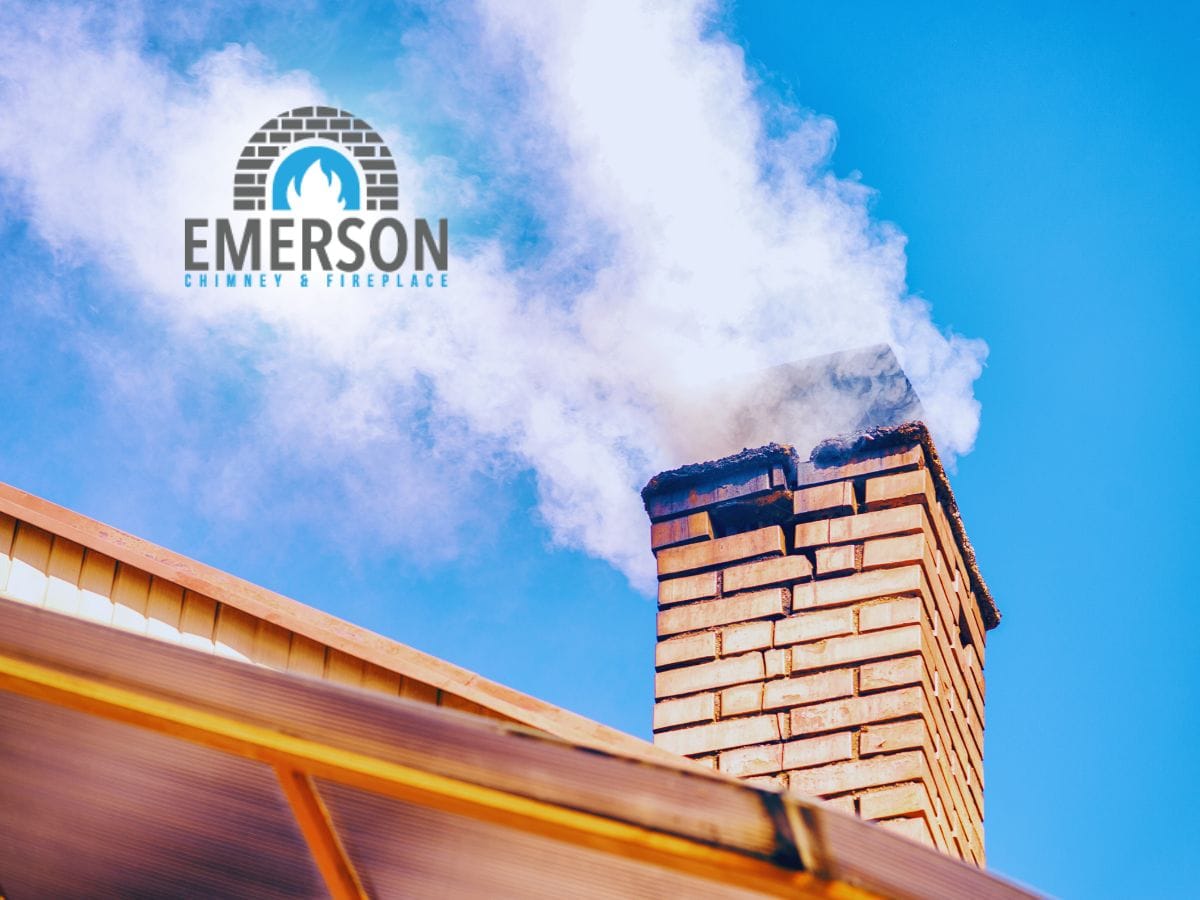
A chimney liner plays a critical role in keeping your fireplace safe, efficient, and long-lasting. While many homeowners focus on visible chimney components, the liner inside the flue is just as important—especially for homes that rely on fireplaces during colder months. Understanding the benefits of installing a chimney liner can help you protect your home and get the most out of your chimney system.
What Is a Chimney Liner?
A chimney liner is a protective layer installed inside the chimney flue. It acts as a barrier between heat, combustion gases, and the chimney’s masonry. Modern liners are typically made of stainless steel, clay, or cast-in-place materials, each designed to improve safety and performance.
Professional chimney services in New Jersey often recommend liner installation for older homes or systems showing signs of wear.
Key Benefits of Chimney Liner Installation
Improved Home Safety
One of the biggest advantages of chimney liner installation is increased safety. Liners contain heat and prevent sparks, smoke, and toxic gases from escaping into the walls of your home. This significantly reduces the risk of chimney fires and carbon monoxide exposure.
Better Fireplace Efficiency
A properly sized chimney liner helps your fireplace vent smoke more effectively. Improved airflow allows fires to burn cleaner and more efficiently, reducing smoke buildup and improving indoor air quality.
Protection Against Chimney Damage
Without a liner, heat and acidic byproducts from combustion can slowly break down brick and mortar. Installing a liner protects the chimney structure and extends its lifespan, helping you avoid costly fireplace repair later.
Supports Modern Fireplace Upgrades
If you’ve upgraded your fireplace or heating appliance, a chimney liner ensures compatibility. Many newer systems require specific liner types to operate safely and meet building codes.
Easier Fireplace Cleaning and Maintenance
Smooth chimney liners reduce creosote buildup, making routine fireplace cleaning and chimney sweep services more effective. Less buildup means fewer blockages and lower maintenance costs over time.
Signs You May Need a Chimney Liner
You may benefit from chimney liner installation if you notice:
- Poor draft or excessive smoke indoors
- Cracked flue tiles or deteriorating mortar
- Strong odors coming from the fireplace
- Frequent creosote buildup despite regular cleaning
- An older chimney that has never been relined
A professional chimney inspection can confirm whether a liner is needed.
Chimney Liners and New Jersey Building Codes
Many older homes in New Jersey were built before modern chimney safety standards. Today, chimney liners are often required during major fireplace repairs, appliance upgrades, or home renovations. Hiring licensed chimney services in New Jersey ensures your installation meets local codes and safety requirements.
Why Professional Installation Matters
Chimney liner installation is not a DIY project. Improper sizing or installation can reduce efficiency and create safety hazards. Certified professionals assess your chimney, recommend the correct liner, and ensure proper installation for long-term performance.
FAQs: Chimney Liner Installation
What does a chimney liner do?
A chimney liner protects your home by containing heat, smoke, and gases while improving ventilation and fireplace efficiency.
Is chimney liner installation required?
In many cases, yes—especially when installing new fireplaces, repairing damaged chimneys, or updating heating systems.
How long does a chimney liner last?
Stainless steel liners can last 15–25 years or longer with proper fireplace maintenance and regular inspections.
Can a chimney liner improve heating efficiency?
Yes. A properly installed liner improves draft and allows your fireplace to burn fuel more efficiently.
Does a chimney liner reduce the need for cleaning?
While cleaning is still necessary, liners reduce creosote buildup, making fireplace cleaning and chimney sweep services easier and safer.
Contact Details:
Address: 769 Rt.9 Unit 3A Bayville, New Jersey
Phone: 732-913-3871