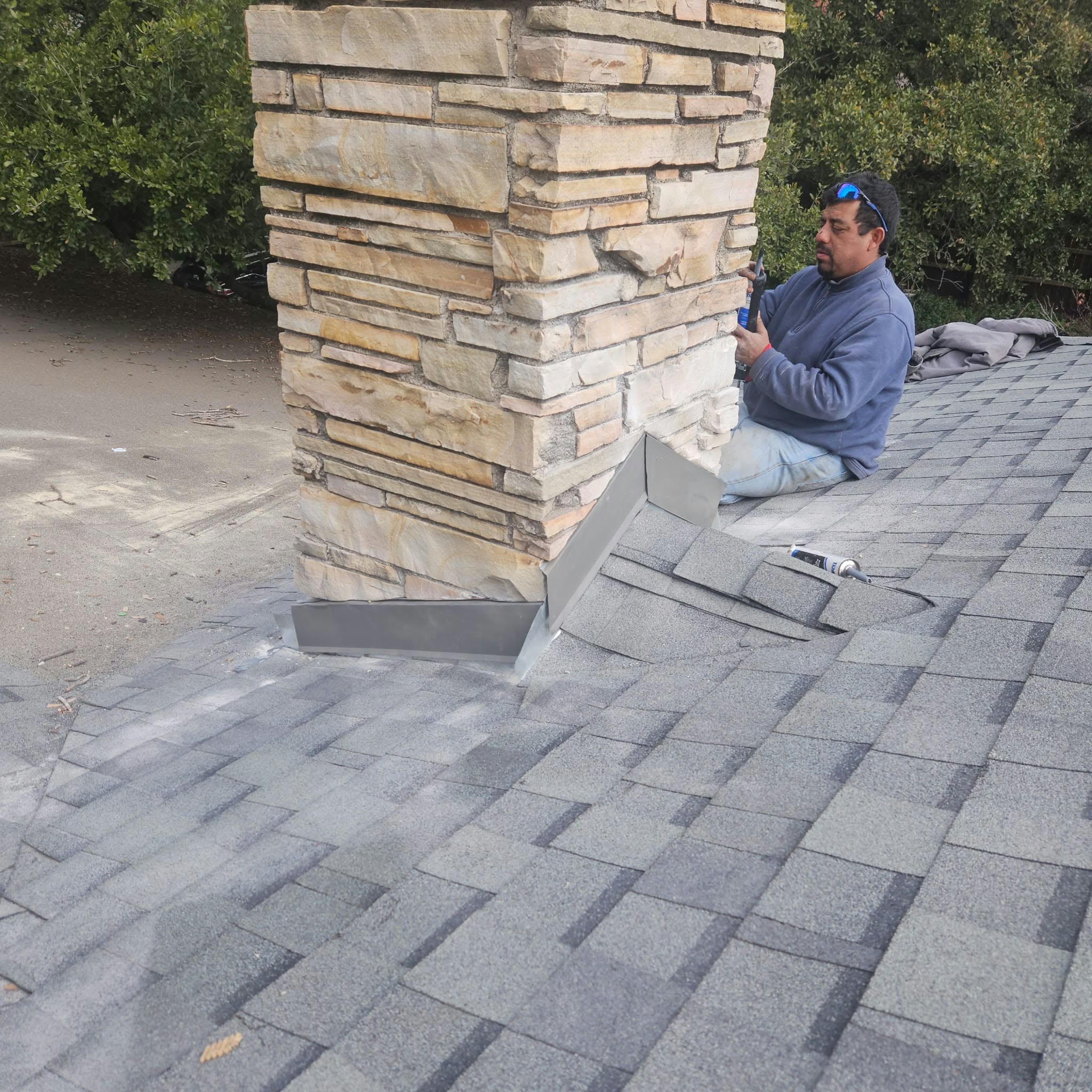


Professional chimney waterproofing can be a worthwhile investment for many Dallas–Fort Worth homes because masonry chimneys are repeatedly exposed to intense sunlight, heavy rain, high winds, hail, humidity, and occasional freezing temperatures. A suitable water-repellent treatment may reduce the amount of rain absorbed by brick, mortar, stone, or stucco while allowing trapped water vapor to escape.
However, waterproofing is not a universal solution for every chimney leak. It cannot replace damaged flashing, rebuild a cracked crown, close missing mortar joints, restore spalling bricks, or substitute for chimney cap installation. The chimney should be inspected and necessary repairs completed before a protective treatment is applied.
When used on suitable masonry as part of a complete moisture-control plan, waterproofing may help slow deterioration and reduce the likelihood of recurring water-related damage.
Why Water Is a Major Problem for Texas Chimneys
Chimneys extend above the roof, leaving them exposed on several sides. Unlike exterior walls protected by roof overhangs, chimney masonry may receive direct rain during storms.
Brick, stone, mortar, concrete, and some stucco systems are porous. They can absorb moisture through small openings within the material. If water repeatedly enters and evaporates, it may contribute to staining, mineral deposits, deterioration, and corrosion of nearby metal components.
Dallas–Fort Worth weather may affect chimneys through:
- Heavy thunderstorms
- Wind-driven rain
- Hail
- Intense summer sunlight
- Repeated heating and cooling
- High humidity
- Occasional freezes
- Sudden temperature changes
Water absorbed during a storm may remain within the masonry. If temperatures later fall below freezing, expansion may place additional pressure on weakened materials.
Although North Texas does not experience continuous winter freezing, a few severe weather events can still affect a saturated chimney.
What Is Chimney Waterproofing?
Chimney waterproofing typically involves applying a masonry-compatible water-repellent treatment to suitable exterior surfaces. The goal is to reduce liquid-water absorption without completely sealing the masonry against vapor movement.
A professional process may include:
- Inspecting the chimney
- Identifying the source of any active leaks
- Cleaning appropriate exterior surfaces
- Repairing damaged brick and mortar
- Completing necessary crown, cap, or flashing work
- Allowing repairs to cure
- Applying a compatible water-repellent product
- Checking that the surface has been treated evenly
The product and application method should match the chimney material. A treatment suitable for brick may not automatically be appropriate for painted stucco, manufactured stone, metal panels, or factory-built chimney components.
Waterproofing vs. Sealing: What Is the Difference?
The terms are sometimes used interchangeably, but not every “sealer” is suitable for chimney masonry.
A breathable or vapor-permeable water repellent is designed to limit rain absorption while allowing internal moisture vapor to escape. A film-forming coating may create a surface layer that traps moisture within the masonry.
Trapped moisture can contribute to:
- Blistering
- Peeling
- Spalling
- Mortar deterioration
- Interior staining
- Efflorescence
- Freeze-related damage
Ordinary exterior paint, clear glossy coatings, roof cement, or general-purpose caulk should not be applied over an entire masonry chimney as a substitute for proper repairs and compatible waterproofing.
When Is Chimney Waterproofing Worth It?
Waterproofing may be worthwhile when the chimney:
- Is made from absorbent masonry
- Receives significant wind-driven rain
- Has been properly repaired
- Shows evidence of moisture absorption
- Has recurring efflorescence
- Is exposed above the roof on several sides
- Has experienced previous weather-related deterioration
- Is located in an open or highly exposed area
- Has a sound crown, cap, and flashing system
- Needs additional protection after repointing
The treatment is most effective as preventive maintenance or as the final step after appropriate chimney leak repair.
It is less likely to provide good results when active defects remain unrepaired.
Signs Your Chimney May Be Absorbing Water
Visible changes can indicate that rainwater is entering or moving through chimney materials.
Common signs include:
- White staining on exterior brick
- Darkened masonry after rainfall
- Spalling brick
- Crumbling mortar
- Rust on the damper
- Water inside the firebox
- Musty fireplace odors
- Ceiling stains near the chimney
- Peeling paint or wallpaper
- Damp attic materials
- Loose firebrick
- Cracks in the crown
- Rusted metal components
- Mortar fragments in the firebox
These symptoms do not all have the same cause. A professional inspection should determine whether water is entering through porous masonry, the crown, flashing, cap, chase cover, roof, or another opening.
What Chimney Waterproofing Can Help Prevent
A properly selected and applied treatment may help reduce:
- Rain absorption
- Moisture-related masonry deterioration
- Efflorescence
- Premature mortar erosion
- Some forms of brick spalling
- Water migration through porous surfaces
- Repeated saturation
- Weather-related surface damage
Waterproofing does not make masonry indestructible. The chimney still requires inspection and maintenance, especially after severe storms.
What Chimney Waterproofing Cannot Fix
Waterproofing should not be presented as a cure for every leak.
It cannot properly correct:
- A missing chimney cap
- A severely cracked crown
- Rusted or missing flashing
- Open mortar joints
- Loose bricks
- A punctured chase cover
- A damaged flue liner
- Structural chimney movement
- Roofing defects
- Improper chimney construction
- Condensation inside the flue
- Plumbing or HVAC leaks near the chimney
These conditions require targeted chimney repair, roof work, masonry restoration, or another appropriate service.
A contractor should identify and repair the actual entry point before applying a water-repellent treatment.
Chimney Crown Repair Comes Before Waterproofing
The chimney crown covers the top of a masonry chimney and directs rain away from the flue and exterior walls.
A damaged crown may have:
- Hairline cracks
- Large open cracks
- Missing sections
- Poor slope
- Deteriorated concrete
- Separation around the flue
- Insufficient overhang
- Failed previous patches
Minor defects may be suitable for focused chimney crown repair. Severe deterioration may require rebuilding the crown.
Applying waterproofing to the chimney walls will not stop water entering through an open crown crack. Crown repairs should be completed and allowed to cure before the surrounding masonry receives treatment.
Chimney Cap Installation May Be Necessary
A chimney cap helps keep direct rain, animals, leaves, and other debris out of the flue. A damaged or missing cap can allow water to enter even when the exterior brick has been waterproofed.
Professional chimney cap installation should account for:
- Flue dimensions
- Number of flues
- Cap material
- Required clearances
- Screen design
- Attachment method
- Exposure to wind
- Chimney configuration
A cap is not the same as a crown. The crown protects the top of the masonry chimney, while the cap covers the flue opening.
Some chimneys need both cap replacement and crown repair before waterproofing is appropriate.
Flashing Must Also Be Inspected
Flashing seals the connection between the chimney and roof. If the flashing is loose, rusted, missing, or improperly installed, water can enter around the chimney base.
Potential flashing problems include:
- Open seams
- Missing counterflashing
- Loose metal
- Corrosion
- Failed sealant
- Improper overlap
- Repeated surface patching
- Roofing damage
A stain on the ceiling near the chimney may be caused by flashing, but the location of an interior stain does not always identify the exact exterior entry point.
Effective chimney leak repair begins with diagnosis rather than applying sealant to every visible joint.
Repair Damaged Mortar Before Applying Waterproofing
Mortar joints help hold masonry units together and limit direct water entry. Cracked, missing, or powdery mortar should be repaired before waterproofing.
Repointing may involve:
- Removing deteriorated mortar to a suitable depth
- Cleaning the joints
- Selecting compatible replacement mortar
- Filling and finishing the joints
- Allowing the repair to cure
- Applying water repellent when appropriate
Waterproofing over open joints does not restore structural or weather-resistant performance. The treatment may temporarily reduce absorption while leaving the underlying defect unresolved.
Spalling Bricks Need More Than Surface Treatment
Spalling occurs when the surface of a brick flakes, chips, or separates. It may result from repeated exposure to moisture, temperature changes, incompatible coatings, or unsuitable prior repairs.
A severely spalled brick may no longer provide a reliable surface for treatment. Damaged units may need to be replaced as part of professional fireplace or chimney masonry restoration.
The contractor should also investigate why the brick deteriorated. Replacing brick without correcting the moisture source may allow the problem to return.
Can Waterproofing Stop an Existing Chimney Leak?
It depends on the source.
Waterproofing may help when wind-driven rain is being absorbed through otherwise sound, porous masonry. It will not reliably stop a leak caused by an open crown crack, missing cap, failed flashing, loose mortar, or roofing defect.
A complete leak evaluation may include:
- Chimney cap
- Crown or chase cover
- Exterior masonry
- Mortar joints
- Flashing
- Roofing
- Flue liner
- Attic areas
- Interior walls and ceilings
- Gutters and roof drainage
Some homes have more than one leak source. For example, porous masonry and damaged flashing may both contribute to interior moisture.
Benefits of Professional Chimney Waterproofing
When applied to a suitable, properly repaired chimney, professional waterproofing may offer several benefits.
Reduced Rain Absorption
A water-repellent treatment can reduce how much wind-driven rain enters porous masonry.
Better Protection for Mortar
Limiting repeated saturation may help slow weather-related erosion of compatible mortar joints.
Reduced Risk of Spalling
Preventing excessive water absorption may help protect sound brick from certain forms of moisture-related deterioration.
Lower Chance of Interior Staining
Reducing exterior water penetration can help protect nearby walls, ceilings, and fireplace components when porous masonry is the source.
Protection After Masonry Repair
Waterproofing may be used after repointing or brick replacement to provide additional weather protection once the repair has properly cured.
Longer Service Life
A complete maintenance plan involving repairs, moisture control, inspections, and cleaning may extend the useful life of the chimney system.
Risks of Using the Wrong Waterproofing Product
A product that creates an impermeable surface film can trap moisture within brick and mortar. Some coatings may also discolor masonry, create a glossy finish, peel, or make future repairs more difficult.
Potential problems include:
- Trapped moisture
- Peeling coatings
- Blistering
- Uneven appearance
- Darkened masonry
- Reduced vapor movement
- Accelerated surface deterioration
- Poor adhesion
- Incompatibility with previous treatments
The contractor should identify the chimney material and select a product intended for that surface and exposure.
A small test area may be appropriate when appearance is a concern.
Is DIY Chimney Waterproofing a Good Idea?
Applying a liquid product may appear simple, but the most important part of the job is determining whether the chimney is an appropriate candidate.
DIY work may miss:
- Crown cracks
- Loose flashing
- Open mortar joints
- Hidden spalling
- Structural movement
- Previous incompatible coatings
- Liner problems
- Multiple leak sources
Roof access also creates a fall hazard. Chimney height, roof slope, weather, and surface condition can make application difficult.
If a homeowner applies waterproofing before necessary repairs, the leak may continue and the treatment may complicate later restoration.
How Long Does Chimney Waterproofing Last?
Product service life depends on:
- Masonry type
- Surface preparation
- Product quality
- Number of applications
- Sun exposure
- Storm exposure
- Previous coatings
- Chimney condition
- Application method
- Manufacturer requirements
Some professional treatments may provide protection for several years, but no universal schedule applies to every chimney.
The chimney should continue to receive annual inspection. Reapplication should be based on the product, surface condition, and observed water absorption rather than an arbitrary timeline.
How Much Does Chimney Waterproofing Cost?
The cost varies according to chimney size, height, accessibility, material, surface preparation, and repairs required before treatment.
Pricing may include:
- Inspection
- Masonry cleaning
- Minor crack repair
- Repointing
- Brick replacement
- Crown repair
- Flashing repair
- Cap installation
- Water-repellent application
- Lift or scaffolding access
A low quote for spraying an unrepaired chimney is not necessarily a better value. The proposal should explain how the leak source was identified and which surfaces will be treated.
Waterproofing and Chimney Cleaning Solve Different Problems
Professional chimney cleaning removes soot, creosote, animal nests, and other debris from the flue and fireplace system.
Waterproofing treats appropriate exterior masonry to reduce water absorption.
One does not replace the other. A chimney may need:
- Interior cleaning
- Exterior masonry repairs
- Crown repair
- Cap installation
- Flashing correction
- Waterproofing
Combining these services in a coordinated maintenance plan helps address both venting and moisture concerns.
Does a Gas Fireplace Chimney Need Waterproofing?
Gas systems do not create wood creosote, but their chimneys and exterior masonry remain exposed to rain.
Water entry may contribute to:
- Corrosion
- Damaged vent components
- Rusted dampers
- Deteriorated mortar
- Interior stains
- Odors
- Appliance problems
Gas fireplaces and vents should still receive professional inspection. Waterproofing may protect suitable exterior masonry, but gas components require their own maintenance and repair procedures.
Waterproofing After Chimney Installation
A new chimney installation should include proper design for managing water. Important components may include:
- A correctly constructed crown
- Proper chimney cap
- Suitable flashing
- Compatible masonry materials
- Appropriate joints
- Adequate roof drainage
- Correct termination
- Manufacturer-approved components
Waterproofing may be appropriate after masonry has cured, depending on the material and installation specifications. It should not be used to compensate for improper construction.
A properly installed chimney still needs inspections because caps, flashing, sealants, masonry, and roof materials change over time.
When Fireplace Repair Is Also Needed
Water entering through the chimney can affect the fireplace below.
Professional fireplace repair may be needed when moisture causes:
- Rusted dampers
- Damaged refractory panels
- Loose firebrick
- Deteriorated mortar
- Staining
- Corroded doors
- Damaged gas components
- Debris falling into the firebox
Exterior waterproofing will not restore already damaged interior materials. Both the entry point and resulting damage should be addressed.
When Waterproofing May Not Be Worth It
Waterproofing may not be the correct immediate investment when:
- The chimney is structurally unstable
- Large sections require rebuilding
- Masonry is severely spalled
- The crown has major damage
- Flashing has failed
- A chase cover is rusted through
- The leak comes from the roof
- The chimney is scheduled for removal
- An incompatible coating covers the masonry
- The surface has not cured after repair
- The material is not suitable for the proposed product
In these situations, repairs or reconstruction should take priority.
Questions to Ask a Chimney Contractor
Before approving waterproofing, ask:
- What is causing the moisture problem?
- Is the leak coming through the masonry?
- Does the crown need repair?
- Is chimney cap installation recommended?
- Is the flashing functioning properly?
- Are mortar joints or bricks damaged?
- What product will be used?
- Is it vapor-permeable?
- Is it compatible with my chimney material?
- What surface preparation is included?
- How long must repairs cure before application?
- What areas will be treated?
- What maintenance will be needed afterward?
- Is there a product or workmanship warranty?
A professional contractor should explain why waterproofing is appropriate rather than presenting it as an automatic solution for every leak.
How to Protect a Chimney From Water Damage
A comprehensive moisture-control plan may include:
- Annual chimney inspections
- Chimney cap installation or replacement
- Chimney crown repair
- Flashing inspection and repair
- Masonry repointing
- Replacement of spalled bricks
- Repair of damaged stucco
- Suitable chimney waterproofing
- Roof and gutter maintenance
- Prompt investigation of interior stains
Addressing several smaller problems early may help prevent extensive masonry and interior damage.
Is Chimney Waterproofing Worth It in Dallas–Fort Worth?
For a sound masonry chimney that has been properly inspected and repaired, chimney waterproofing can be a valuable preventive measure. North Texas storms, sunlight, humidity, and temperature changes expose chimneys to substantial weathering, and reducing water absorption may help protect brick and mortar.
However, the treatment delivers the greatest value when it is part of a complete repair plan. Crown cracks, damaged flashing, missing caps, open joints, and deteriorated brick should be addressed first.
Schedule Chimney Waterproofing in Dallas–Fort Worth
Emerson Pro Services offers chimney and fireplace services in Dallas–Fort Worth, including chimney inspections, waterproofing, chimney leak repair, chimney crown repair, chimney cap installation, chimney cleaning, fireplace repair, and masonry restoration.
The team can evaluate the source of water entry and recommend whether repairs, waterproofing, or a combination of services is appropriate.
To schedule an inspection, call Emerson Pro Services at 469-212-7906.
At Emerson Chimney & Fireplace, we offer a wide range of chimney caps and professional installation services to ensure your home remains safe and efficient. Visit us at 16135 Preston Rd Ste 105, Dallas, TX 75248 for expert advice and services tailored to your chimney and fireplace needs. For more information, visit our website at www.emersonproservices.com.
Frequently Asked Questions
Is chimney waterproofing necessary in Texas?
It may be beneficial for porous masonry chimneys exposed to North Texas rain, wind, sunlight, and temperature changes. The chimney should first be inspected and any crown, flashing, cap, mortar, or brick defects repaired.
Will waterproofing stop a chimney leak?
Waterproofing may help when rain is being absorbed through sound but porous masonry. It will not repair failed flashing, open crown cracks, missing caps, damaged mortar, or roofing defects.
Should chimney repairs be completed before waterproofing?
Yes. Loose mortar, spalled brick, crown cracks, flashing defects, and other damage should generally be corrected before the water-repellent treatment is applied.
Does a chimney cap waterproof the chimney?
No. A cap helps keep direct rain and debris out of the flue, but it does not protect all exterior masonry surfaces. A complete moisture-control plan may require a cap, sound crown, proper flashing, masonry repairs, and waterproofing.
Can I use regular masonry sealer on a chimney?
Not every sealer is suitable. Film-forming products may trap moisture. The selected treatment should be compatible with the chimney material and allow appropriate vapor movement.
How often should chimney waterproofing be reapplied?
The schedule depends on the product, masonry, preparation, exposure, and manufacturer guidance. Continue annual inspections and reapply treatment when its condition and performance indicate that it is necessary.
Can chimney waterproofing prevent spalling bricks?
Reducing water absorption may help lower the risk of certain moisture-related spalling. It cannot restore bricks that are already severely damaged or correct incompatible materials and structural movement.
Does chimney waterproofing replace chimney cleaning?
No. Waterproofing reduces exterior water absorption, while chimney cleaning removes soot, creosote, debris, and obstructions from the interior system. A chimney may need both services.