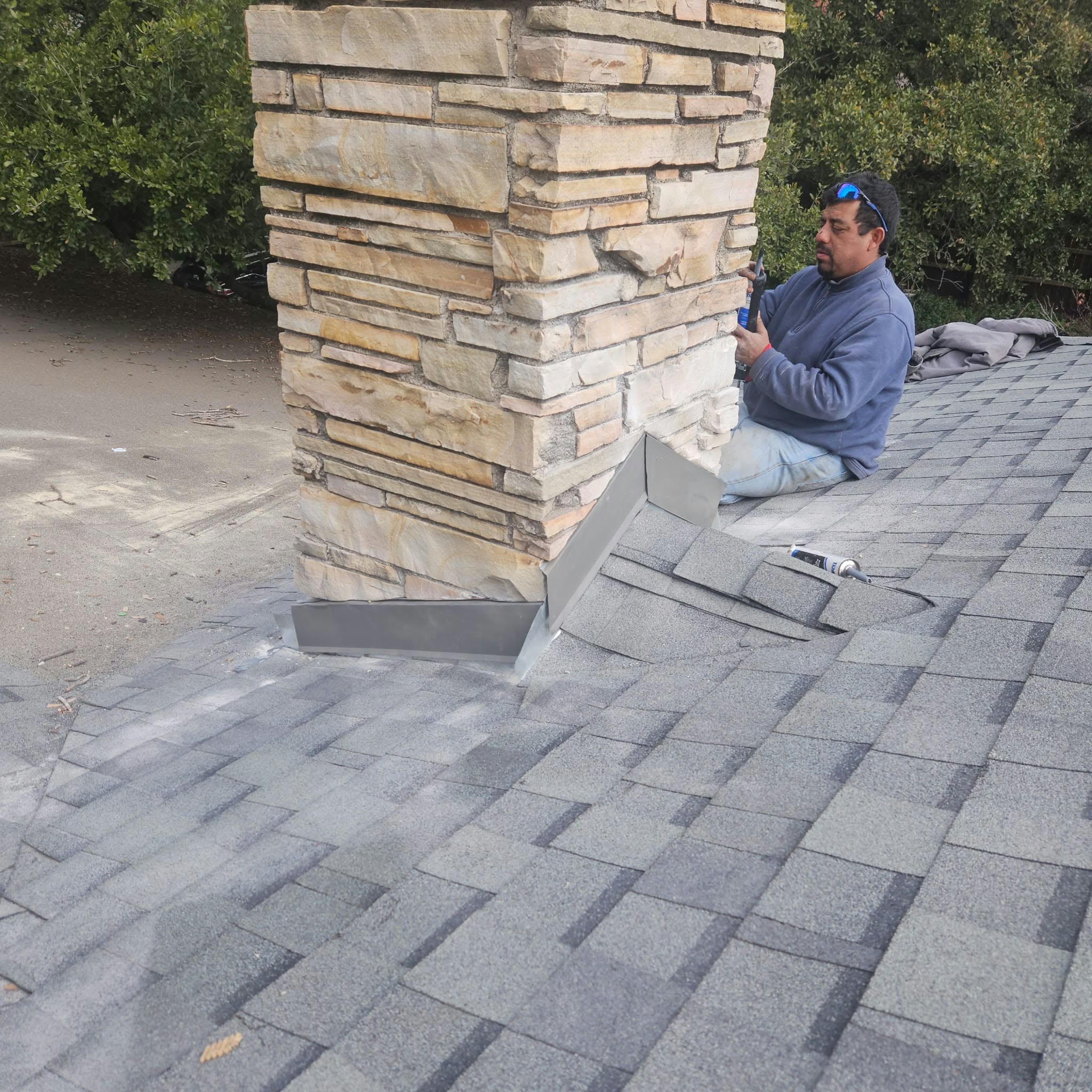


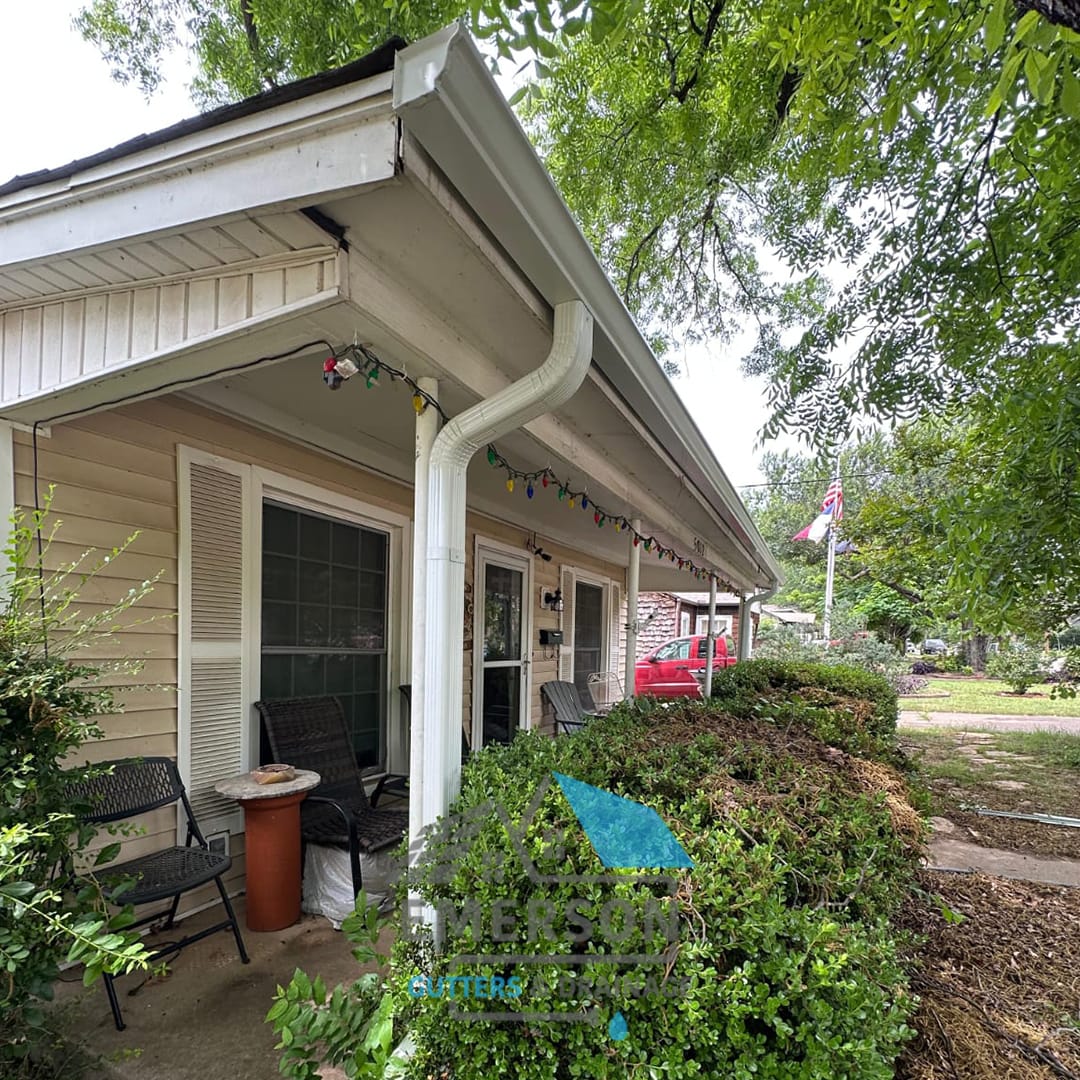
Winter gutter maintenance helps New Jersey homes manage melting snow, freezing rain, winter storms, and repeated freeze-thaw cycles. Gutters that remain clogged, loose, or poorly pitched may trap water and ice, placing additional weight on the system and allowing runoff to overflow near siding, walkways, landscaping, and foundations.
Preparing gutters before winter—and inspecting them again when conditions permit—can reduce avoidable drainage problems. Maintenance is especially important for homes surrounded by mature trees, properties with underground downspout drains, and gutter systems that have previously sagged or overflowed.
Why New Jersey Winters Are Hard on Gutters
New Jersey winter weather may include snow, sleet, freezing rain, strong winds, periods of thawing, and sudden temperature drops. Gutters must continue collecting roof runoff whenever snow or ice melts.
Winter conditions may contribute to:
- Frozen debris inside gutters
- Ice-filled downspouts
- Excess weight
- Loose hangers
- Separated joints
- Sagging sections
- Cracked sealant
- Bent gutters
- Icicle formation
- Foundation pooling during thaws
- Slippery walkways near outlets
- Damage from falling branches
Routine gutter maintenance helps ensure that water has a clear route from the roof to an appropriate discharge area.
How Gutters Work During Winter
Gutters do not stop functioning simply because the weather becomes cold. Snow may remain on the roof for days and then melt when sunlight, attic heat, or warmer air raises the roof-surface temperature.
Meltwater should flow through:
- The roof edge
- Gutter channels
- Downspout outlets
- Vertical downspouts
- Extensions or underground pipes
- A safe discharge area
A restriction anywhere along this route can cause water to back up, refreeze, or spill over.
Effective gutter and drainage planning should account for both liquid water and winter conditions.
Leaves Left Behind Can Freeze Into Solid Blockages
Autumn leaves are one of the most common sources of winter gutter problems. Wet leaves can compact inside the channel and freeze into a dense obstruction.
Frozen debris may:
- Prevent meltwater from reaching downspouts
- Add weight to the gutter
- Hold moisture against metal surfaces
- Block outlets
- Contribute to overflow
- Make later cleaning more difficult
- Encourage ice buildup
Homes surrounded by trees may require more than one fall cleaning. An early-season service may remove initial debris, while a later cleaning after most leaves have dropped can prepare the system for winter.
Professional gutter services can also flush the downspouts and confirm that underground connections accept water.
Snow and Ice Add Significant Weight
Gutters are designed to collect water, but they may not be able to support heavy ice combined with wet leaves and standing water.
Excessive weight may cause:
- Hangers to loosen
- Fasteners to pull away
- Gutters to bend
- Low sections to develop
- Seams to separate
- Fascia boards to deteriorate
- Downspout connections to shift
A gutter that already sags before winter is more vulnerable once snow and ice accumulate.
Professional gutter repair may include tightening or replacing hangers, correcting alignment, resealing joints, repairing outlets, or replacing localized damaged sections.
Freeze-Thaw Cycles Can Enlarge Existing Damage
Water expands as it freezes. When water enters small gaps, seams, or deteriorated materials and repeatedly freezes and thaws, existing defects may become more noticeable.
Freeze-thaw activity can affect:
- Gutter seams
- Sealant
- End caps
- Downspout joints
- Fascia boards
- Underground pipes
- Concrete around discharge areas
- Foundation materials
Gutters should be inspected for minor leaks and loose components before prolonged freezing begins. A small opening may become a larger winter problem when ice repeatedly forms inside it.
Clogged Downspouts Can Freeze
Even when the gutter channel appears relatively clear, leaves and sediment may remain inside downspout elbows. Meltwater can collect behind the obstruction and freeze.
Signs of a frozen or clogged downspout may include:
- Water backing up into the gutter
- Ice surrounding the outlet
- Leaking downspout joints
- Bulging or separated sections
- Overflow near one corner
- Little water leaving the bottom during a thaw
- Ice forming where the downspout meets the ground
Professional downspout repair may be needed if freezing has split, dented, loosened, or disconnected the downspout.
Do not strike frozen downspouts with hammers or heavy tools. This can dent metal, crack plastic, loosen fasteners, or damage the outlet.
Underground Drainage Lines Need Attention
Some New Jersey homes direct downspouts into underground pipes. These systems can improve appearance and carry water farther from the foundation, but they must remain open and properly sloped.
Winter problems may occur when underground pipes:
- Contain leaves or sediment
- Have collapsed
- Hold standing water
- Have separated at a joint
- Discharge to a blocked outlet
- Lack sufficient slope
- Are obstructed by roots
- Freeze near shallow sections
If water backs up from the downspout connection during a winter thaw, the obstruction may be underground.
Professional drainage services in New Jersey can evaluate the buried line, outlet, grading, and other components rather than assuming the visible downspout is the only problem.
Gutter Overflow Can Affect the Foundation
During a thaw or winter rainstorm, a clogged gutter may release water directly beside the house. Saturated soil near foundation walls and footings can contribute to basement moisture and other drainage concerns.
Warning signs include:
- Water pooling beside the foundation
- Damp basement walls
- Water entering window wells
- Soil erosion
- Mud around downspout outlets
- Ice forming near exterior walls
- Persistent wet areas after a thaw
Downspouts should release water at an appropriate distance from the foundation. Extensions and underground drains should have clear outlets that do not create another problem elsewhere.
Icicles May Indicate Drainage Problems
Icicles can form whenever meltwater reaches a cold roof edge, so their presence does not automatically prove that the gutter is clogged.
However, large or concentrated icicles may be associated with:
- Frozen gutter debris
- Blocked downspouts
- Overflow
- Roof-edge freezing
- Heat loss through the roof
- Ice dams
- Poor drainage
Icicles can fall unexpectedly and may be heavy enough to cause injury or property damage. Keep people, pets, and vehicles away from affected areas.
Do not stand below icicles or pull them down from a ladder.
Gutter Maintenance Does Not Prevent Every Ice Dam
An ice dam forms when snow melts on a warmer area of the roof and refreezes near a colder eave. Additional water may then collect behind the frozen ridge.
Clean gutters are important for drainage, but they do not eliminate all causes of ice dams.
Ice-dam formation may also be affected by:
- Attic insulation
- Air leakage
- Roof ventilation
- Roof shape
- Snow depth
- Sun exposure
- Outdoor temperature
- Indoor heat loss
Installing larger gutters or gutter guards will not automatically correct an attic or roof-temperature problem.
If ice dams recur, the home may need a broader evaluation involving the roofing system, attic, insulation, ventilation, and gutters.
Winter Storms Can Damage Gutter Components
Snow is not the only winter threat. Strong winds and falling branches may damage gutters and downspouts.
After a storm, look from the ground for:
- Hanging gutter sections
- Loose downspouts
- Bent corners
- Missing end caps
- Detached extensions
- Damaged gutter guards
- Branches resting on the roof
- Water spilling behind the gutter
- Sections pulling away from the fascia
Do not climb onto an icy roof. Professional inspection is safer when access is slippery, unstable, or high above the ground.
Why Pre-Winter Gutter Cleaning Is Essential
The most useful winter maintenance often happens before freezing temperatures arrive.
A complete pre-winter service may include:
- Removing leaves and twigs
- Clearing roof-valley debris
- Flushing downspouts
- Checking underground drain acceptance
- Inspecting seams
- Tightening loose hangers
- Correcting minor alignment problems
- Checking outlets
- Examining discharge areas
- Inspecting gutter guards
- Looking for fascia deterioration
The system should be tested with water when temperatures and conditions allow. This can reveal slow drainage, leaks, and outlet restrictions before ice complicates the problem.
Inspect the Gutter Slope
Gutters require a slight slope toward the downspouts. If a section is level or tilted away from the outlet, water may remain inside it.
Standing water can freeze and add weight to the system. Low spots may also collect sediment and encourage recurring clogs.
Signs of poor slope include:
- Water remaining after rain
- Discoloration inside one section
- Ice concentrated in a low area
- Overflow far from the downspout
- Sagging between hangers
Correcting the pitch may be part of professional gutter repair. Severe distortion or widespread sagging may make replacement more practical.
Check Gutter Hangers and Fasteners
Hangers secure the gutter to the fascia or roof structure. Loose, bent, corroded, or widely spaced hangers may not provide adequate support under winter loads.
A contractor may inspect for:
- Loose screws
- Pulled fasteners
- Broken brackets
- Excessive hanger spacing
- Damaged fascia
- Misaligned sections
- Previous improper repairs
Simply adding fasteners may not solve the problem if the fascia has rotted or the gutter is permanently bent.
Examine Seams, Corners, and End Caps
Seams and corners are common leak points. Sealant may shrink, crack, or separate as the system ages.
Winter water can enter these openings and refreeze, making existing damage worse.
Professional repair may include:
- Removing failed sealant
- Cleaning and preparing the area
- Realigning components
- Applying compatible sealant
- Replacing damaged corners
- Securing end caps
- Repairing outlets
Seamless gutters contain fewer joints along straight runs, but they still have seams at corners, end caps, and downspout outlets.
Check the Fascia Behind the Gutters
Fascia boards provide the mounting surface for many gutter systems. Repeated overflow may cause wood deterioration, paint failure, staining, or rot.
Possible warning signs include:
- Peeling paint
- Dark stains
- Soft wood
- Loose gutters
- Visible gaps
- Insect damage
- Water behind the gutter
New hangers will not remain secure in badly deteriorated fascia. The damaged material may need repair before the gutter is reattached.
Maintain Gutter Guards During Winter
Gutter guards can reduce the amount of leaves and larger debris entering gutters, but they do not eliminate winter maintenance.
Snow, ice, pine needles, roof granules, and small organic debris may collect on or beneath the guards.
Before winter, inspect guards for:
- Loose panels
- Bent sections
- Gaps
- Debris accumulation
- Blocked openings
- Damaged fasteners
- Incorrect alignment
- Material concentrated below roof valleys
Avoid using sharp tools that may puncture or deform the guard system.
The correct maintenance process depends on the guard design and manufacturer instructions.
When Gutter Repair Is Enough
Repair may be appropriate when most of the system remains structurally sound and the damage is limited.
Potentially repairable conditions include:
- A few loose hangers
- Localized leaks
- One separated joint
- A damaged end cap
- A short bent section
- Minor pitch problems
- A disconnected downspout
- Limited storm damage
Completing these repairs before winter can help the system withstand snow, ice, and meltwater.
When Gutter Replacement Is More Practical
Gutter replacement may be a better long-term solution when the system has widespread problems.
Replacement may be appropriate when gutters are:
- Severely corroded
- Sagging in multiple places
- Pulling away from the house
- Repeatedly leaking
- Incorrectly sized
- Poorly configured
- Crushed or twisted
- Beyond practical repair
- Attached to extensively damaged fascia
A new gutter installation can be designed around the roof area, local rainfall, snow exposure, valley runoff, downspout placement, and safe discharge route.
Benefits of Seamless Gutters in Winter
Seamless systems are fabricated in longer continuous sections, reducing the number of joints along straight gutter runs.
Potential advantages include:
- Fewer straight-run leak points
- Custom sizing for the roofline
- A clean exterior appearance
- Reduced maintenance around sectional joints
- Coordinated downspout placement
- Several material and color options
However, seamless gutters can still clog, sag, or overflow. They require adequate hangers, correct slope, functional downspouts, and routine maintenance.
Safe Winter Gutter Maintenance
Winter gutter work presents additional hazards. Roofs, ladders, walkways, and gutter surfaces may be wet or icy.
Homeowners should avoid:
- Climbing onto a snow-covered roof
- Leaning ladders against loose gutters
- Working during freezing rain
- Pulling heavy ice from below
- Striking gutters or downspouts
- Using open flames to melt ice
- Pouring boiling water onto frozen components
- Standing beneath large icicles
- Using roof salt without confirming material compatibility
Professional service may be the safer choice when gutters are high, frozen, damaged, or difficult to access.
Should You Use Heat Cables?
Roof and gutter heating cables may be considered for selected properties, but they are not substitutes for cleaning, repair, insulation, or correct drainage design.
A heat-cable system must be:
- Suitable for the roof and gutter material
- Installed according to manufacturer instructions
- Connected to an appropriate electrical supply
- Positioned correctly
- Inspected for damage
- Used only as intended
Incorrect installation may damage roofing or create electrical concerns. A qualified contractor or electrician should evaluate whether heat cables are appropriate.
A Winter Gutter Maintenance Checklist
Before winter:
- Remove leaves, twigs, and sediment
- Clear roof valleys
- Flush downspouts
- Test underground drainage lines
- Tighten loose hangers
- Repair leaking seams
- Correct minor slope problems
- Inspect fascia boards
- Secure downspout extensions
- Clean and inspect gutter guards
- Check discharge areas
- Trim hazardous tree branches
During winter, when conditions are safe:
- Watch for overflow
- Look for sagging
- Check for detached downspouts
- Keep people away from large icicles
- Monitor foundation pooling
- Inspect the system after storms
- Avoid unsafe roof or ladder access
After winter:
- Check for bent sections
- Look for new leaks
- Inspect fasteners
- Remove remaining debris
- Test water flow
- Examine underground outlets
- Schedule repairs before spring storms
How Gutter and Drainage Systems Work Together
Winter runoff must be transported beyond the gutter itself. The downspout, extension, underground pipe, grading, and final outlet all influence whether water is safely managed.
A complete gutter and drainage assessment may consider:
- Roof runoff volume
- Gutter capacity
- Downspout number
- Downspout placement
- Underground pipe condition
- Property grading
- Foundation drainage
- Walkway icing
- Yard pooling
- Safe discharge locations
If gutters drain correctly but water still collects beside the home, additional drainage services in New Jersey may be needed.
Signs You Need Professional Gutter Service
Contact a gutter professional when you notice:
- Gutters pulling away from the fascia
- Heavy ice causing visible sagging
- Persistent overflow
- Frozen downspouts
- Water backing up from underground drains
- Interior or basement moisture near exterior walls
- Broken hangers
- Split downspouts
- Large icicles over entrances
- Repeated pooling near the foundation
- Water flowing behind the gutter
- Storm-related damage
Prompt attention may prevent a localized defect from becoming widespread damage.
Prepare Your New Jersey Gutters for Winter
New Jersey winter weather requires gutters to manage snowmelt, winter rain, freezing temperatures, and repeated thaws. A clear, secure, correctly pitched system can move water away from the roof and foundation more reliably.
Emerson Pro Services provides gutter and drainage services in New Jersey, including gutter cleaning, gutter repair, gutter replacement, seamless gutters, gutter guards, downspout repair, and drainage improvements.
Call Emerson Pro Services at 732-647-9850, visit emersonproservices.com, or request service at 769 Route 9, Unit 3A, Bayville, New Jersey 08721.
Frequently Asked Questions
When should New Jersey gutters be cleaned before winter?
Gutters should generally be cleaned after most autumn leaves have fallen and before prolonged freezing begins. Homes surrounded by trees may need an earlier cleaning followed by another late-fall service.
Can clogged gutters freeze?
Yes. Wet leaves and standing water can freeze inside gutters and downspouts, creating blockages and adding weight to the system.
Do clean gutters prevent ice dams?
Clean gutters support drainage but cannot prevent every ice dam. Roof temperature, insulation, ventilation, air leakage, snowfall, and outdoor conditions also affect ice-dam formation.
Should I remove ice from my gutters myself?
Avoid climbing onto icy roofs or striking gutters with tools. Large ice accumulations and difficult-to-reach systems should be evaluated by a professional.
Do gutter guards help during winter?
Gutter guards can reduce leaves entering the gutter, but snow, ice, and fine debris may still collect. Guards require periodic inspection and maintenance.
Why does my downspout overflow during a winter thaw?
The downspout may contain frozen debris, an internal clog, a damaged elbow, or a blocked underground connection. An inspection can identify where the restriction occurs.
Should sagging gutters be repaired before winter?
Yes. Snow, ice, and standing water add weight, which may worsen existing sagging or cause hangers to fail.
When should gutters be replaced instead of repaired?
Replacement may be more practical when gutters are severely corroded, repeatedly leaking, sagging in several areas, improperly sized, or pulling away from damaged fascia.