






Table of Contents
A warm fireplace is one of the coziest features in any home—but behind the crackling flames and relaxing atmosphere, your chimney may be hiding a serious danger. Soot and creosote buildup is one of the leading causes of chimney deterioration, fire hazards, and poor indoor air quality in Dallas homes.

If you use your fireplace regularly—or even just a few times a year—it’s essential to understand how soot and creosote form, why they’re hazardous, and how professional chimney inspection and cleaning services can safeguard your home.
At Emerson Pro Services, we specialize in professional chimney sweep services, including chimney cleaning in Dallas, maintenance, and repair, to keep your home safe and your fireplace performing at its best.
What Are Soot and Creosote?
Before you can prevent chimney damage, it helps to know what you’re dealing with.
Soot
Soot is a fine, black powder that forms when wood doesn’t burn completely. It coats the interior walls of your chimney and fireplace, accumulating quickly over the winter.
Problems soot can cause:
- Reduced airflow
- Dirty smoke stains
- Strong odors
- Increased risk of blockage
Creosote
Creosote is far more dangerous. It’s a thick, tar-like substance that forms when smoke cools as it rises through the chimney.
There are three stages (or “degrees”) of creosote buildup:
1st-Degree Creosote:
Loose, flaky soot—easy to clean.
2nd-Degree Creosote:
Crunchy, harder deposits that require specialized tools.
3rd-Degree Creosote:
Hard, glossy, highly flammable—very dangerous and extremely difficult to remove.
3rd-degree creosote is a major cause of chimney fires.
How Soot and Creosote Damage Your Chimney
Ignoring chimney buildup can lead to expensive repairs—or serious safety hazards. Here’s how soot and creosote quietly harm your chimney and your home.
1. Increased Risk of Chimney Fires
Creosote is highly flammable. Even a small spark or intense heat can ignite creosote deposits inside the flue, causing a chimney fire that may spread to the home.
Chimney fires often occur silently, with no dramatic flames—leaving homeowners unaware of the damage until it’s too late.
A professional chimney sweep is the safest way to prevent this.
2. Structural Damage to the Chimney Liner
Soot and creosote are corrosive. Over time, they can break down:
- Clay flue liners
- Metal liners
- Masonry walls
- Mortar joints
This deterioration weakens the chimney’s ability to contain heat and smoke safely.
Once the flue is compromised, your home becomes vulnerable to hidden fires inside walls or the attic.
3. Blocked Airflow and Poor Ventilation
Excessive buildup restricts smoke from traveling safely up and out of the home. This can cause:
- Heavy smoke in living areas
- Soot stains
- Unpleasant odors
- Increased wear on your fireplace
Blockages can also force dangerous gases back into the home.
4. Carbon Monoxide Exposure
Improper ventilation caused by creosote buildup can trap harmful gases, such as carbon monoxide.
Symptoms of carbon monoxide exposure include:
- Headaches
- Dizziness
- Confusion
- Nausea
A chimney clogged with soot or creosote is a major safety risk.
5. Moisture Damage Inside the Chimney
Creosote absorbs moisture. Once moisture enters the chimney system, it can cause:
- Rusting metal components
- Cracking masonry
- Deteriorating flue liners
- Mold and mildew growth
Moisture + creosote creates a highly acidic environment that accelerates chimney decay.
How Professional Chimney Services Prevent Damage
The best way to protect your chimney—and your home—is with regular chimney maintenance from a qualified expert.
Here’s how professional chimney services in Dallas help.
1. Detailed Chimney Inspections
A certified chimney technician examines:
- The flue
- Chimney cap
- Firebox
- Damper
- Masonry structure
- Airflow performance
This identifies soot buildup, creosote levels, structural damage, or safety hazards.
Annual chimney inspection is recommended for all Dallas homeowners.
2. Professional Chimney Sweep Services
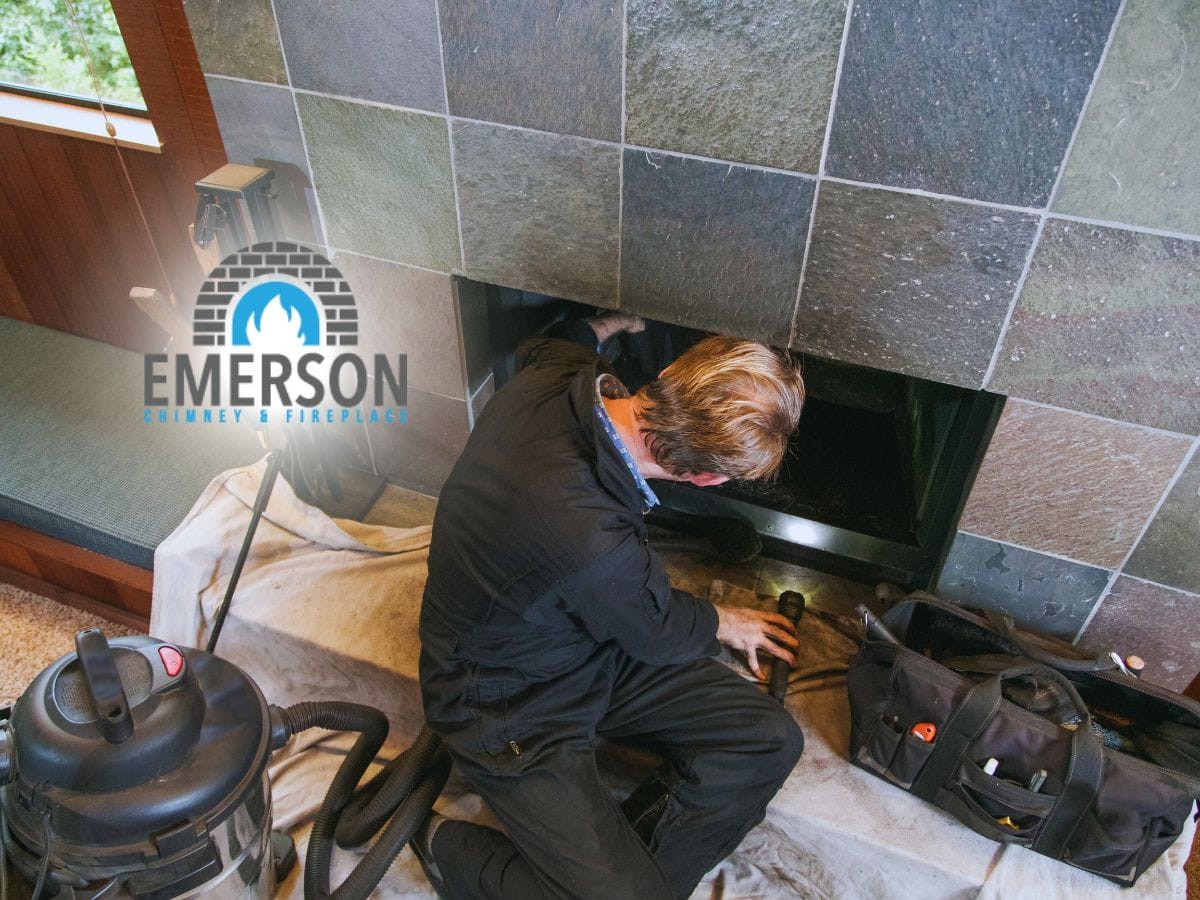
Using specialized brushes, HEPA vacuums, and high-powered tools, technicians remove all levels of soot and creosote—including stubborn 3rd-degree buildup when possible.
Benefits include:
- Reduced fire risk
- Improved airflow
- Cleaner indoor air
- Longer chimney lifespan
3. Chimney Repair and Maintenance Solutions
If your chimney has already suffered damage, experts can restore it with:
- Chimney liner repair
- Masonry restoration
- Smoke chamber repair
- Chimney cap installation
- Waterproofing treatments
Proactive care prevents future problems and protects your investment.
How Often Should You Clean Your Chimney?
Dallas homeowners should schedule:
✔ Chimney Inspection — Once Per Year
Even if you don’t use your fireplace often.
✔ Chimney Cleaning — Annually or Every 50 Burns
More frequently if you burn wood regularly.
✔ After Any Chimney Fire or Heavy Creosote Buildup
Immediate inspection is required.
Tips to Reduce Soot and Creosote Formation
You can help slow buildup with these habits:
- Burn only seasoned hardwoods
- Avoid pine, softwoods, and wet wood
- Never burn trash or cardboard
- Ensure proper airflow to the fire
- Keep the damper fully open during use
- Schedule annual inspections
While these tips reduce buildup, they don’t eliminate it—professional sweeping is still required.
Key Takeaway
Soot and creosote buildup is silent but dangerous. Without routine chimney inspections and cleaning, your home is at risk of fire, airflow issues, structural damage to the chimney, and carbon monoxide exposure. With professional chimney sweep services and maintenance, Emerson Pro Services keeps Dallas homes safe, efficient, and ready for every season.
Protect your home and family with professional chimney services from Emerson Pro Services.
We provide expert chimney inspections, chimney cleaning in Dallas, and comprehensive chimney and fireplace maintenance, as well as chimney repair solutions tailored to Texas homes.
📞 Call 469-414-9195 to book your chimney service today!
📍 Serving Dallas, Fort Worth, Plano, Carrollton & surrounding Texas communities
🌐 Visit EmersonProServices.com to schedule online.
FAQ
1. What causes soot and creosote to build up in a chimney?
Burning wood, especially unseasoned wood, produces smoke that cools and condenses into soot and creosote.
2. Can creosote buildup cause chimney fires?
Yes—creosote is highly flammable and a leading cause of chimney fires.
3. How do I know if my chimney needs cleaning?
Look for: reduced airflow, strong odors, black residue, poor fireplace performance, or 1+ years since last cleaning.
4. How often should Dallas homeowners schedule chimney inspections?
At least once a year, even if your fireplace is used infrequently.
5. Can I clean soot or creosote myself?
No—professional tools and expertise are required to safely remove creosote, especially 2nd and 3rd-degree buildup.