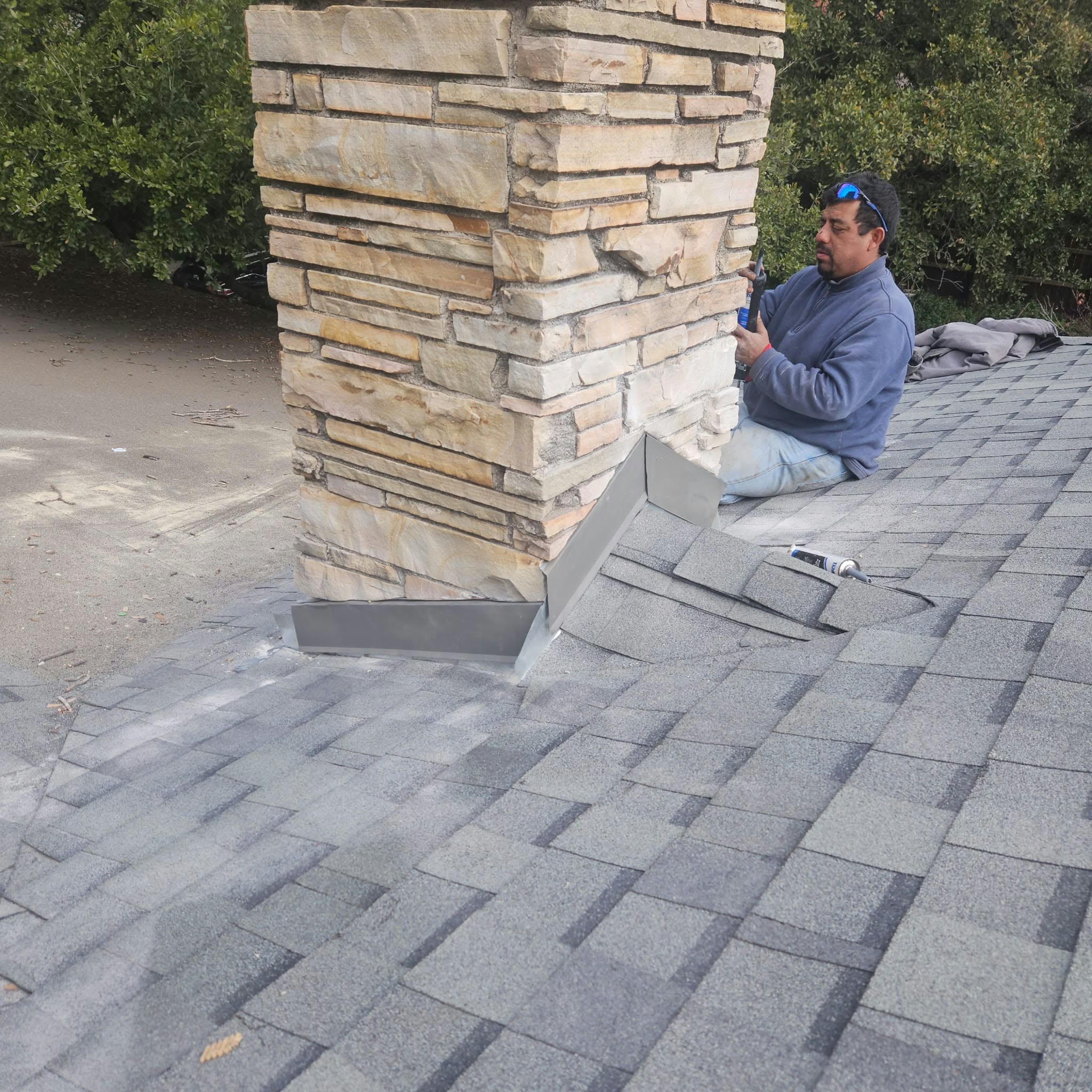


Professional chimney repair helps protect a home from water intrusion, masonry deterioration, ventilation problems, and potential fire hazards. Although a chimney may appear solid from the ground, its masonry, flashing, crown, cap, liner, and other components are continually exposed to moisture and temperature changes.
New Jersey’s rain, snow, wind, coastal conditions, and repeated freeze-thaw cycles can accelerate chimney damage. Understanding the warning signs and available repair options can help homeowners address problems before they affect the fireplace, roof, or surrounding structure.
Why New Jersey Chimneys Require Regular Attention
A chimney extends above the roof, where it receives little protection from the weather. Brick and mortar are durable, but they are porous and can absorb moisture. When absorbed water freezes, it expands, placing pressure on the masonry.
Repeated freezing and thawing may eventually contribute to:
- Cracked mortar joints
- Loose or missing mortar
- Spalling brick surfaces
- Deteriorated chimney crowns
- Water penetration
- Rusted metal components
- Damaged flue liners
- Leaning or unstable masonry
- Interior ceiling and wall stains
Coastal areas may also expose chimney components to wind-driven rain, salt air, and severe storms. Routine chimney maintenance is therefore especially important for New Jersey properties.
Understanding the Main Parts of a Chimney
A chimney is a system of connected components rather than a single masonry structure. A complete inspection should evaluate each part.
Chimney Cap
The cap covers the top of the flue while allowing smoke and combustion gases to escape. It helps keep out rain, snow, leaves, animals, and larger debris. Many caps also include mesh screening that helps contain sparks.
Chimney Crown
The crown is the sloped masonry or concrete surface at the top of a masonry chimney. It directs water away from the flue openings and chimney walls.
Flue Liner
The liner provides a passage for smoke and combustion gases. Depending on the chimney and appliance, it may be made from clay tile, metal, or another approved lining system.
Flashing
Flashing seals the area where the chimney passes through the roof. Damaged or incorrectly installed flashing can allow water to enter the roof assembly.
Brick and Mortar
The chimney’s masonry structure supports the system and protects the flue. Cracked bricks and deteriorated mortar can allow water to enter and weaken the chimney.
Smoke Chamber and Firebox
The firebox contains the fire, while the smoke chamber helps direct smoke from the firebox into the flue. Both areas must remain in suitable condition for safe operation.
Damper
The damper controls airflow through the chimney. A damaged or rusted damper may become difficult to operate or fail to seal correctly.
Common Signs That Chimney Repair Is Needed
Some chimney problems are visible from the ground, while others can only be found during a professional inspection.
1. Cracked or Spalling Bricks
Spalling occurs when the surface of a brick flakes, chips, or breaks away. Moisture absorption and freeze-thaw cycles are frequent causes.
A small number of damaged bricks may be replaced individually. Widespread deterioration may require partial rebuilding or more extensive masonry work.
2. Missing or Deteriorated Mortar
Mortar joints may crack, erode, or separate from the surrounding bricks. Damaged joints create openings where water can enter.
Repointing removes deteriorated mortar to an appropriate depth and replaces it with compatible new mortar. The replacement material should suit the existing masonry because mortar that is too hard may damage older bricks.
3. White Staining on the Masonry
White deposits on a chimney are often efflorescence, which forms when moisture carries dissolved salts to the masonry surface. The visible deposit can usually be cleaned, but the underlying moisture source should also be investigated.
Persistent staining may indicate problems involving the crown, cap, flashing, masonry, or condensation inside the flue.
4. Water in the Firebox
Water, dampness, or staining inside the firebox may originate from several places, including:
- A missing chimney cap
- A damaged chimney crown
- Cracked masonry
- Failed flashing
- Condensation
- Roof leaks near the chimney
- Gaps around the flue
Effective repair begins with identifying the entry point. Applying sealant to a random crack may temporarily hide the symptom without correcting the source.
5. Rusted Dampers or Fireplace Components
Rust is a strong indication that moisture has entered the chimney or fireplace system. A rusted damper may become difficult to open, close, or seal.
Metal fireboxes, chimney caps, chase covers, and connectors should also be inspected for corrosion.
6. Damaged or Missing Chimney Cap
A loose, rusted, bent, or missing cap can expose the flue to rain, snow, animals, and debris. Professional chimney cap repair may involve securing the existing cap, replacing damaged screening, correcting mounting problems, or installing a new cap.
The replacement should fit the flue configuration and remain securely attached during strong winds.
7. Cracks in the Chimney Crown
Small crown cracks can admit water, which may enlarge the damage during freezing conditions. Depending on the crown’s condition, repair may involve sealing minor cracks, applying an appropriate crown coating, or rebuilding the crown.
A severely deteriorated crown should not be covered with a superficial patch that fails to address loose or unstable material.
8. Leaks Near the Chimney
Ceiling stains or dampness near a chimney may be caused by flashing, masonry, the crown, or another part of the roof. Water can travel along framing before becoming visible indoors, so the location of a stain does not always identify the exact entry point.
A coordinated roof and chimney evaluation may be necessary.
9. Smoke Entering the Room
Smoke entering the home may indicate:
- A flue obstruction
- Heavy soot or creosote
- An improperly operating damper
- An unsuitable flue size
- A damaged liner
- Negative indoor air pressure
- A poorly designed smoke chamber
- Insufficient chimney height
- Weather-related drafting conditions
Because smoke may contain hazardous combustion products, the fireplace should not be used until the cause has been evaluated.
10. Pieces of Flue Tile in the Firebox
Fragments of clay tile may indicate a cracked or deteriorated liner. Liner damage can expose nearby building materials to excessive heat or allow combustion gases to escape through openings.
A professional inspection may use a specialized camera to assess areas that are not visible from the fireplace or roof.
11. A Leaning or Unstable Chimney
A chimney that appears to lean, separate from the house, or develop widening structural cracks requires prompt attention. Possible causes include foundation movement, deteriorated masonry, inadequate support, or long-term water damage.
Structural movement is different from a minor surface crack and should be professionally evaluated before the fireplace is used.
12. Persistent Fireplace Odors
Strong smoky, damp, or musty odors may result from creosote, moisture, animal nesting, debris, or poor airflow. Cleaning may remove deposits, but recurring odors can indicate an unresolved ventilation or moisture problem.
Common Types of Chimney Repair
The appropriate repair depends on the damaged component and the extent of deterioration.
Chimney Cap Repair or Replacement
A contractor may repair or replace a chimney cap when it is loose, corroded, incorrectly sized, or missing. A correctly fitted cap can reduce direct water entry and help prevent animals from nesting in the flue.
Chimney Crown Repair
Minor crown cracks may be repairable when the underlying structure remains sound. Extensive cracking, poor slope, exposed masonry, or loose material may require crown rebuilding.
A properly formed crown should direct water away from the chimney and include appropriate detailing around the flue.
Masonry Repointing
Repointing replaces deteriorated mortar while preserving serviceable bricks. It can restore weather resistance and help stabilize the masonry when damage is limited primarily to the joints.
Brick Replacement
Individual spalled, cracked, or severely deteriorated bricks may need to be removed and replaced. Replacement units should be reasonably compatible with the surrounding masonry.
Flashing Repair
Chimney flashing typically includes metal components integrated with both the roof and chimney. Repair may involve replacing damaged sections, correcting installation defects, or resealing appropriate joints.
Roofing cement alone is not always a dependable long-term solution for failed flashing.
Flue Liner Repair or Relining
Liner repair depends on the liner material, extent of damage, fireplace or appliance type, and applicable installation requirements. In some cases, a new approved lining system may be installed inside the existing chimney.
The liner must be suitable for the connected appliance and intended fuel.
Firebox Repair
Loose mortar, cracked firebrick, and damaged firebox components may require fireplace repair. Firebox materials must be appropriate for repeated exposure to high temperatures.
Cosmetic patching should not be used where substantial heat-related or structural damage exists.
Smoke Chamber Repair
The smoke chamber may contain cracks, gaps, rough transitions, or deteriorated surfaces. Repairs may improve the condition of this area, but the method should match the chimney’s construction and identified defects.
Damper Repair or Replacement
A damaged damper may sometimes be adjusted or repaired. Severe corrosion, warping, or missing components may make replacement more practical.
Chimney Repair vs. Chimney Cleaning
Chimney cleaning and chimney repair perform different functions.
Cleaning removes soot, creosote, nesting material, and other debris from accessible areas of the system. Repair corrects damaged masonry, metal components, liners, flashing, crowns, caps, or fireplace components.
Cleaning may be necessary when:
- Creosote has accumulated
- Soot restricts the flue
- Animals or debris have entered
- The fireplace produces excessive odors
- An inspection identifies deposits that should be removed
Repair may be necessary when:
- Bricks or mortar are deteriorating
- Water enters the chimney
- The cap or crown is damaged
- The liner is cracked
- Flashing has failed
- Fireplace components are loose or damaged
Cleaning cannot correct cracked masonry or a failed liner. Likewise, repairing exterior brickwork does not remove combustible creosote from the flue. Some chimneys require both services.
Why Chimney Waterproofing May Be Recommended
Professional chimney waterproofing is intended to reduce the amount of liquid water absorbed by suitable exterior masonry while allowing water vapor to escape.
This is different from coating the chimney with ordinary exterior paint or a non-breathable sealant. An unsuitable coating can trap moisture inside the masonry and contribute to further deterioration.
Waterproofing may be appropriate after:
- Damaged mortar has been repaired
- Spalled bricks have been replaced
- Crown problems have been corrected
- Flashing leaks have been addressed
- The masonry has been evaluated for suitability
- The chimney has had adequate time to dry
Waterproofing is a preventive treatment, not a substitute for structural repairs. Cracks, missing mortar, and unstable bricks should be corrected before a water-repellent treatment is applied.
How Chimney Maintenance Supports Fireplace Safety
Routine chimney maintenance helps identify developing problems before they become extensive. It may include:
- Periodic professional inspections
- Cleaning when deposits require removal
- Monitoring the cap and crown
- Checking the flashing
- Looking for cracked bricks and mortar
- Watching for indoor water stains
- Confirming that the damper operates
- Keeping combustible materials away from the fireplace
- Testing smoke and carbon monoxide alarms
- Using the fireplace only as intended
Good fireplace safety also depends on proper fuel and operation. Wood-burning fireplaces should use suitable, adequately seasoned firewood. Household trash, treated lumber, and painted materials should not be burned.
Screens or approved doors can help control sparks, but they do not correct chimney defects.
When Should a Chimney Be Inspected?
A chimney should be inspected regularly and whenever there is reason to suspect damage. An inspection is particularly important:
- Before the heating season
- After a chimney fire
- After a severe storm
- After a lightning strike
- When buying a home
- Before reconnecting an unused fireplace
- After changing the appliance or fuel type
- When water stains appear
- When masonry begins to crack or flake
- When smoke enters the room
- After an animal enters the chimney
The required inspection depth depends on the condition of the system and the concerns identified during the initial evaluation.
When Should You Stop Using the Fireplace?
Discontinue use and arrange an inspection if you notice:
- Smoke repeatedly entering the home
- A carbon monoxide alarm
- A strong gas odor
- Visible liner fragments
- A chimney fire or roaring sound in the flue
- Flames or sparks emerging from the chimney
- A leaning chimney
- Loose masonry falling from the structure
- Major cracks in the firebox
- A blocked flue
- Signs of structural instability
If a carbon monoxide alarm activates or a gas odor is present, leave the affected area and follow emergency guidance from the appropriate utility or emergency service. Do not relight the appliance until it has been cleared for use.
Chimney Repair vs. Partial Rebuilding
Targeted repairs may be practical when the damage is limited and most of the chimney remains structurally sound.
Repair may be suitable for:
- Localized mortar deterioration
- A small number of damaged bricks
- Minor crown cracks
- A damaged cap
- Limited flashing defects
- Repairable firebox damage
Partial rebuilding may be necessary when:
- Several masonry courses are unstable
- The chimney top has widespread deterioration
- Bricks are extensively spalled
- Mortar joints have failed throughout a large area
- The chimney has shifted or become structurally unsound
- Previous repairs are separating from the original masonry
The goal should be to correct the cause and restore dependable performance—not simply cover visible damage.
When Is New Chimney Installation Necessary?
A complete chimney installation is different from routine repair. New installation or extensive reconstruction may be considered when:
- A chimney is structurally beyond practical repair
- A new fireplace or heating appliance is being installed
- The existing flue cannot safely support the proposed appliance
- The chimney has been removed during a major renovation
- The building design requires a new venting solution
Installation must account for the appliance, fuel type, clearances, flue sizing, structural support, roof penetration, weather protection, and applicable local requirements.
A new chimney should not be designed solely around appearance. It must function as part of the complete venting system.
Factors That Affect Chimney Repair Costs
The cost of chimney work varies significantly because every system has a different height, design, access condition, and level of damage.
Important cost factors include:
- Chimney height
- Roof pitch
- Access and safety requirements
- Number of damaged bricks
- Depth of mortar deterioration
- Crown condition
- Flashing complexity
- Liner type and size
- Fireplace or appliance type
- Extent of water damage
- Need for scaffolding or lift equipment
- Material compatibility
- Required permits or inspections
- Whether partial rebuilding is necessary
Homeowners should request a written estimate that identifies the damaged areas, proposed work, materials, exclusions, and warranty terms.
Does Homeowners Insurance Cover Chimney Repair?
Coverage depends on the policy and cause of damage. A policy may treat sudden storm or impact damage differently from gradual deterioration, neglected maintenance, or normal aging.
Homeowners should:
- Document the damage with photographs
- Note when the problem was discovered
- Take reasonable steps to prevent additional damage
- Review the policy
- Contact the insurer before making assumptions about coverage
- Keep inspection reports and written estimates
A chimney contractor can describe the physical condition, but the insurance company determines whether the loss is covered.
How to Compare Chimney Repair Estimates
Two estimates may have different prices because they include different scopes of work. Before selecting a contractor, compare:
- Components being repaired
- Amount of masonry being removed
- Mortar and brick specifications
- Crown repair or rebuilding method
- Flashing details
- Cap size and material
- Waterproofing product and application area
- Liner repair method
- Access equipment
- Debris removal
- Permit responsibility
- Schedule
- Warranty coverage
- Exclusions and assumptions
Ask whether the estimate addresses the source of the damage or only the visible symptom. A clear scope makes it easier to compare proposals fairly.
Choosing Chimney Services in New Jersey
When comparing providers of chimney services in New Jersey, homeowners should look for:
- Experience with masonry and fireplace systems
- Appropriate insurance
- Detailed inspections
- Written repair recommendations
- Clear photographs of damaged areas
- Understandable estimates
- Suitable materials for the existing chimney
- Safe roof-access procedures
- Defined warranty information
- References or verified reviews
- A clear process for unexpected conditions
Be cautious of immediate recommendations for major work without a clear explanation of the observed defects. The contractor should be able to show where the chimney is damaged and explain why the proposed repair is appropriate.
Schedule Chimney Repair in New Jersey
A damaged chimney can affect the roof, fireplace, masonry, and indoor living space. Addressing cracks, leaks, damaged caps, and deteriorated mortar early may reduce the likelihood of more extensive work later.
Emerson Pro Services provides chimney services in New Jersey, including chimney repair, chimney cleaning, chimney maintenance, fireplace repair, chimney cap repair, masonry work, and chimney waterproofing.
Call Emerson Pro Services at 732-647-9850, visit emersonproservices.com, or request service at 769 Route 9, Unit 3A, Bayville, New Jersey 08721.
Frequently Asked Questions
What are the most common signs that chimney repair is needed?
Common signs include cracked bricks, missing mortar, water stains, rusted fireplace components, a damaged cap, crown cracks, loose flue tiles, persistent odors, and smoke entering the home.
How often should a chimney be inspected?
A chimney should be inspected regularly and whenever there is evidence of a leak, obstruction, chimney fire, storm damage, drafting problem, or structural movement. Fireplaces used frequently may require more frequent attention.
Is chimney cleaning the same as chimney repair?
No. Chimney cleaning removes soot, creosote, debris, and obstructions. Chimney repair corrects physical damage involving masonry, crowns, caps, flashing, liners, dampers, fireboxes, and other components.
Can a leaking chimney be repaired without rebuilding it?
Sometimes. A localized leak caused by flashing, a cap, minor crown cracks, or limited mortar deterioration may be repairable. Extensive masonry or structural damage may require partial rebuilding.
Does chimney waterproofing stop every chimney leak?
No. Waterproofing can reduce water absorption through suitable masonry, but it cannot correct failed flashing, missing caps, large cracks, deteriorated crowns, or structural damage. Necessary repairs should be completed first.
What does chimney cap repair involve?
Chimney cap repair may involve securing loose fasteners, replacing damaged screening, correcting fit problems, or replacing a rusted or severely damaged cap. The correct solution depends on the cap and flue configuration.
Can I use my fireplace if the chimney liner is cracked?
A damaged liner can create serious safety concerns. Stop using the fireplace and have the system evaluated before lighting another fire.
When is chimney installation better than repair?
New installation or extensive reconstruction may be appropriate when the chimney is structurally beyond practical repair, a new appliance requires a different venting system, or a renovation includes a completely new fireplace.