

When monthly electricity costs rise during a Dallas summer, many homeowners immediately blame the air conditioner. The equipment may be part of the problem, but it is only one component of a larger system. Filters, coils, blowers, vents, and air ducts all influence how effectively conditioned air reaches each room.
Dust inside ductwork does not automatically mean that professional cleaning will lower energy bills. However, heavy debris, blocked components, damaged ducts, air leaks, poor insulation, and restricted airflow can force an HVAC system to run longer to maintain the thermostat setting. Understanding the difference helps homeowners choose the right service instead of paying for a solution that does not address the actual problem.
How Your Air Duct System Affects HVAC Performance
The air duct system carries cooled or heated air from the HVAC equipment to supply vents throughout the home. Return ducts bring indoor air back to the system for another cycle.
For this process to work efficiently, the ductwork should be:
- Properly sized
- Securely connected
- Reasonably airtight
- Adequately insulated where required
- Free from significant obstructions
- Correctly routed
- Supported without severe sagging or crushing
- Balanced to deliver appropriate airflow
When these conditions are not met, some rooms may receive too little air while conditioned air escapes into an attic, wall cavity, crawl space, or other unintended area.
Do Dirty Air Ducts Always Increase Energy Bills?
Not necessarily. A light layer of settled household dust inside a duct does not automatically create meaningful airflow resistance or justify cleaning. Energy use is more likely to be affected when contamination or related HVAC problems restrict airflow, cover important system components, or occur alongside duct leaks and physical damage.
Examples include:
- A severely clogged air filter
- Heavy buildup on the blower or evaporator coil
- Construction debris obstructing a duct
- A closed or blocked damper
- Crushed or collapsed flexible duct
- Disconnected duct sections
- Significant leakage at joints and plenums
- Wet or deteriorated internal duct insulation
This is why inspection should come before service. Professional air duct services can evaluate whether the system needs cleaning, sealing, repair, balancing, or replacement.
Restricted Airflow Can Increase HVAC Runtime
An HVAC system is designed to move a certain volume of air. When airflow is restricted, the equipment may take longer to cool or heat the home. Longer cycles can increase electricity consumption and place additional stress on system components.
Possible signs of restricted airflow include:
- Weak airflow from several vents
- Rooms that remain warmer or cooler than the thermostat setting
- An HVAC system that runs for long periods
- Unusual whistling at vents or doors
- A filter that becomes dirty very quickly
- Temperature differences between floors or rooms
- Frozen evaporator coils
These symptoms can have several causes. A technician should check the filter, blower, coil, dampers, duct condition, equipment sizing, and refrigerant-related performance rather than assuming dirty ductwork is responsible.
Dirty Filters May Matter More Than Dusty Duct Walls
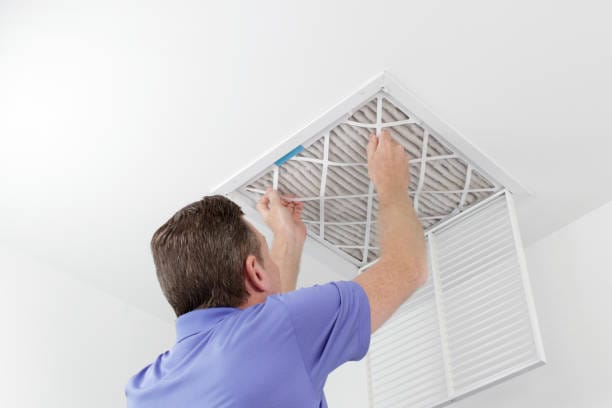
The air filter is designed to capture particles before they reach sensitive HVAC components. When it becomes excessively loaded, airflow can drop. The blower may work against greater resistance, and the system may struggle to maintain comfort.
Homeowners should:
- Check the filter regularly
- Use the size specified for the system
- Install it in the correct direction
- Replace or clean it according to its type and actual condition
- Avoid choosing a filter that is too restrictive for the equipment
A higher filter rating is not automatically better for every system. The filter must balance particle capture with the airflow requirements specified by the equipment manufacturer or HVAC professional.
Dust on Coils and Blower Components Can Reduce Performance
Even when most duct surfaces contain only light dust, buildup on the evaporator coil, blower wheel, or other HVAC components may interfere with heat transfer or airflow.
The evaporator coil must exchange heat effectively, while the blower must move air through the system. Dirt on these components may contribute to longer runtime, reduced capacity, and comfort problems.
Professional HVAC maintenance can include inspection of these areas and cleaning when needed. Cleaning only the ducts while ignoring a dirty coil or blower may leave the primary performance problem unresolved.
Leaky Air Ducts Can Waste Conditioned Air
Duct leakage is often a more direct energy concern than a normal amount of settled dust. Gaps, loose joints, disconnected sections, and damaged flexible ducts can release cooled air into unconditioned spaces.
Return-side leaks may pull hot, dusty, or humid attic air into the HVAC system. This can increase the cooling load and introduce particles or moisture.
Signs of possible duct leakage include:
- High energy bills without a clear change in usage
- Weak airflow in distant rooms
- Excessive dust near specific vents
- Hot or cold spots
- Visible gaps or disconnected ducts
- Whistling or rushing sounds near duct joints
- Rooms that take a long time to reach the thermostat setting
Leaks should be located and sealed with methods suitable for the duct material. Cloth-backed household tape is generally not a durable professional repair for HVAC duct joints.
Dallas Attic Heat Makes Duct Problems More Costly
Many Dallas homes have ductwork routed through hot attics. During summer, the temperature difference between cooled air inside the ducts and the surrounding attic can be substantial.
If duct insulation is missing, compressed, damaged, or wet, conditioned air may gain heat before reaching the rooms. Leaks can also release cooled air directly into the attic.
An inspection may evaluate:
- Insulation condition
- Torn vapor barriers
- Disconnected or loose joints
- Crushed flexible ducts
- Excessively long or poorly supported runs
- Air leakage around plenums and boots
- Condensation or moisture damage
Cleaning will not correct failed insulation or a disconnected duct. Those conditions require repair or duct replacement.
Damaged Flexible Ducts Can Restrict Airflow
Flexible ductwork must be supported and routed correctly. Excessive sagging, sharp bends, crushing, and kinks can increase resistance and reduce airflow.
Damage may occur from:
- Age and material deterioration
- Foot traffic in the attic
- Pest activity
- Improper installation
- Stored items pressing against ducts
- Water or condensation
- Previous repair work
Minor defects may be repairable, while widespread deterioration or poorly designed runs may make replacement more practical. A professional should inspect the system before recommending a complete replacement.
When Air Duct Cleaning May Be Appropriate
Professional air duct cleaning may be considered when inspection finds conditions such as:
- Substantial visible debris inside the system
- Construction or renovation dust in the ducts
- Evidence of pest infestation that has been resolved
- Debris being released from supply vents
- Certain contamination associated with an addressed moisture problem
- Obstructions that interfere with airflow
Cleaning should address the entire relevant system rather than only visible registers. If contamination originated from a dirty coil, moisture issue, damaged return, or pest entry point, that source must also be corrected.
Homeowners should be cautious of companies promising a guaranteed percentage reduction in energy bills from routine duct cleaning. Actual savings depend on what is wrong with the system and whether the service corrects that problem.
Dirty Air Ducts and Indoor Air Quality
The relationship between ducts and indoor air quality depends on what is present and whether it is entering the occupied space. Ordinary settled dust is different from active moisture, pest contamination, construction debris, or visibly damaged insulation.
Possible warning signs include:
- Particles blowing from vents
- Persistent musty odors when the system runs
- Visible moisture or condensation
- Signs of pests in ductwork
- Wet or deteriorating internal insulation
- Dust entering through a damaged return duct
Duct cleaning alone cannot solve every indoor air issue. Source control, moisture management, appropriate filtration, ventilation, HVAC maintenance, and repairs may all be part of the solution.
Moisture Can Turn a Duct Problem Into a Larger Issue
Dust by itself is different from dust combined with moisture. Condensation, plumbing leaks, roof leaks, or humid air entering through return-side gaps can wet duct insulation and nearby materials.
If internally insulated ductwork becomes wet or mold-damaged, cleaning may not be sufficient. A professional may recommend removing and replacing affected porous material after the moisture source has been corrected.
Signs of moisture problems include:
- Water stains around vents
- Damp or musty odors
- Condensation on ducts or registers
- Wet insulation
- Rust or corrosion
- Repeated biological growth near HVAC components
Do not apply chemical treatments or sealants inside ducts without understanding the product, its intended use, and the cause of contamination.
Why Routine Air Duct Maintenance Matters
Regular air duct maintenance is broader than cleaning. It includes inspecting the physical condition and performance of the distribution system.
A maintenance visit may include:
- Checking accessible ducts for leaks and damage
- Inspecting insulation and vapor barriers
- Confirming vents are open and unobstructed
- Looking for loose registers and boots
- Assessing visible dust or debris
- Checking for moisture or pest evidence
- Evaluating airflow complaints
- Inspecting filter fit and condition
Finding a loose joint or torn flex duct early may prevent conditioned air from being wasted for months.
When Duct Replacement Makes More Sense Than Cleaning
Cleaning cannot restore ductwork that is physically damaged, poorly designed, contaminated beyond practical cleaning, or deteriorated by age and moisture.
Duct replacement may be considered when:
- Flexible ducts are torn, crushed, or collapsing
- Internal insulation is wet or mold-damaged
- Multiple sections are disconnected or severely leaking
- The duct design creates chronic airflow problems
- The system is incorrectly sized
- Materials are extensively deteriorated
- Previous repairs have not lasted
Replacement should be based on inspection and system design, not simply on the age of the home. A new duct system must still be sized, sealed, insulated, supported, and balanced correctly.
Signs Your Energy Problem May Involve the Duct System
Schedule an evaluation if you notice several of these conditions:
- Energy bills rising without a clear rate or usage change
- Uneven temperatures between rooms
- Weak airflow from specific vents
- Long HVAC cycles
- Excessive attic dust entering the home
- Visible duct damage
- Whistling at joints or registers
- Condensation on ductwork
- Recurring filter problems
- A recent renovation that produced heavy dust
These signs do not prove that cleaning is necessary, but they justify a closer look at the ductwork and HVAC equipment.
How to Reduce HVAC Energy Waste
A complete strategy may include:
- Replace or clean the filter when needed.
- Schedule HVAC maintenance before peak cooling season.
- Keep supply and return vents unobstructed.
- Inspect accessible ducts for damage or disconnection.
- Seal verified air leaks properly.
- Repair damaged insulation.
- Clean ducts when inspection identifies a valid need.
- Replace ductwork that cannot be repaired effectively.
- Address moisture and pest sources.
- Evaluate airflow balance and equipment performance.
The goal is to correct the actual restriction, leakage, contamination, or equipment issue rather than treating every high bill as a duct-cleaning problem.
Professional Air Duct Services in Dallas
An effective assessment should consider both the ducts and the HVAC equipment. The contractor may need to distinguish among contamination, leakage, insulation failure, poor design, damaged components, and normal seasonal electricity use.
Ask the service provider:
- What evidence shows that cleaning is needed?
- Are there duct leaks or damaged sections?
- Will the coil and blower be inspected?
- Is the filter appropriate for the system?
- Are moisture or pests involved?
- Would repair or replacement provide a better result?
- Which parts of the system are included in the service?
Clear answers help homeowners avoid unnecessary work and focus the budget on improvements likely to address comfort and operating costs.
Improve HVAC Performance With Emerson Pro Services
Dirty air ducts can contribute to higher energy bills when buildup or debris restricts airflow, but dust is only one possible factor. Leaks, crushed ducts, damaged insulation, dirty equipment components, and neglected filters may have a greater impact on system performance.
Emerson Pro Services provides air duct services in Dallas, including air duct cleaning, maintenance, inspection, repair, replacement, and related HVAC solutions.
Contact Emerson Pro Services to schedule an inspection and identify what is actually affecting airflow, comfort, indoor air quality, and energy use in your home.
Choosing the right air duct cleaning service involves careful consideration of certification, reviews, equipment, and adherence to guidelines. Emerson Air Duct & Dryer Vent meets all these criteria and more. We are committed to providing high-quality air duct cleaning services to ensure our clients have a healthy home environment.
Location: 2043 Empire Central Pl Ste 109, Dallas, TX 75235
Contact: 972-433-9632
Website: www.emersonproservices.com
Frequently Asked Questions
Can dirty air ducts increase electricity bills?
They can when heavy debris or contamination restricts airflow, but light settled dust does not automatically cause a meaningful increase. Leaks, damaged ducts, dirty filters, and neglected HVAC components may be more important factors.
Does air duct cleaning guarantee lower energy costs?
No. Cleaning may help when it removes a genuine obstruction or significant buildup, but it cannot correct air leaks, failed insulation, damaged ductwork, or inefficient equipment.
How do I know whether my ducts are leaking?
Possible signs include uneven temperatures, weak airflow, high bills, visible gaps, disconnected sections, and whistling near joints. Professional testing or inspection may be needed to confirm leakage.
Should ducts be cleaned or replaced?
Cleaning may be appropriate for substantial removable debris. Replacement may be better when ducts are torn, crushed, poorly designed, extensively leaking, or lined with wet or damaged insulation.
Can duct problems affect indoor air quality?
Yes. Damaged return ducts may pull in attic dust, while moisture, pests, debris, or deteriorated insulation may introduce contaminants. The source should be corrected along with any cleaning.
How often should air ducts be inspected?
There is no single schedule for every home. Inspection is useful when airflow changes, bills rise unexpectedly, odors or moisture appear, renovations create heavy dust, or visible duct damage is present.