

A fireplace can become the architectural center of a living room, patio, or outdoor entertaining area. The right finish can make it feel sleek and modern, warm and rustic, or timeless and traditional. Appearance is only one part of the decision, however. Fireplace materials must also suit the heat exposure, appliance type, installation method, maintenance requirements, and Texas climate.
Materials used inside the firebox are different from those used on the surround, mantel, hearth, exterior chimney, or decorative wall. A product that works beautifully several feet from a sealed gas fireplace may not be suitable next to the opening of a wood fireplace.
This guide compares popular fireplace materials for Dallas homes and explains where each option works best.
Start With the Fireplace Type
Before selecting stone, tile, brick, or concrete, identify the appliance and its required clearances. The material plan will differ for:
- A site-built masonry wood-burning fireplace
- A factory-built wood fireplace
- A direct-vent gas fireplace
- A gas insert installed in existing masonry
- An electric fireplace
- An outdoor masonry fireplace
Listed appliances include manufacturer instructions specifying approved facing materials, mantel clearances, ventilation openings, and installation details. These instructions are part of the safety design and should guide every finish decision.
For masonry fireplaces, applicable construction and clearance requirements still matter. Decorative finishes cannot reduce required clearances or conceal damaged structural components.
Fireplace Material Zones Matter
A complete chimney and fireplace system contains several distinct material zones.
Firebox
The firebox contains the flame. It requires materials intended for direct heat exposure, such as firebrick, refractory panels, refractory mortar, or listed factory-built components.
Hearth
The hearth is the noncombustible area at the base of the fireplace. Its dimensions, thickness, and construction depend on the fireplace design and applicable requirements.
Surround and Facing
The surround frames the opening. Stone, brick, tile, concrete, and certain metal finishes may be used when approved for the location and installed with a compatible setting system.
Mantel and Overmantel
Mantels may be wood, stone, concrete, or metal. Combustible mantels must remain outside required clearance zones.
Chimney and Exterior Finish
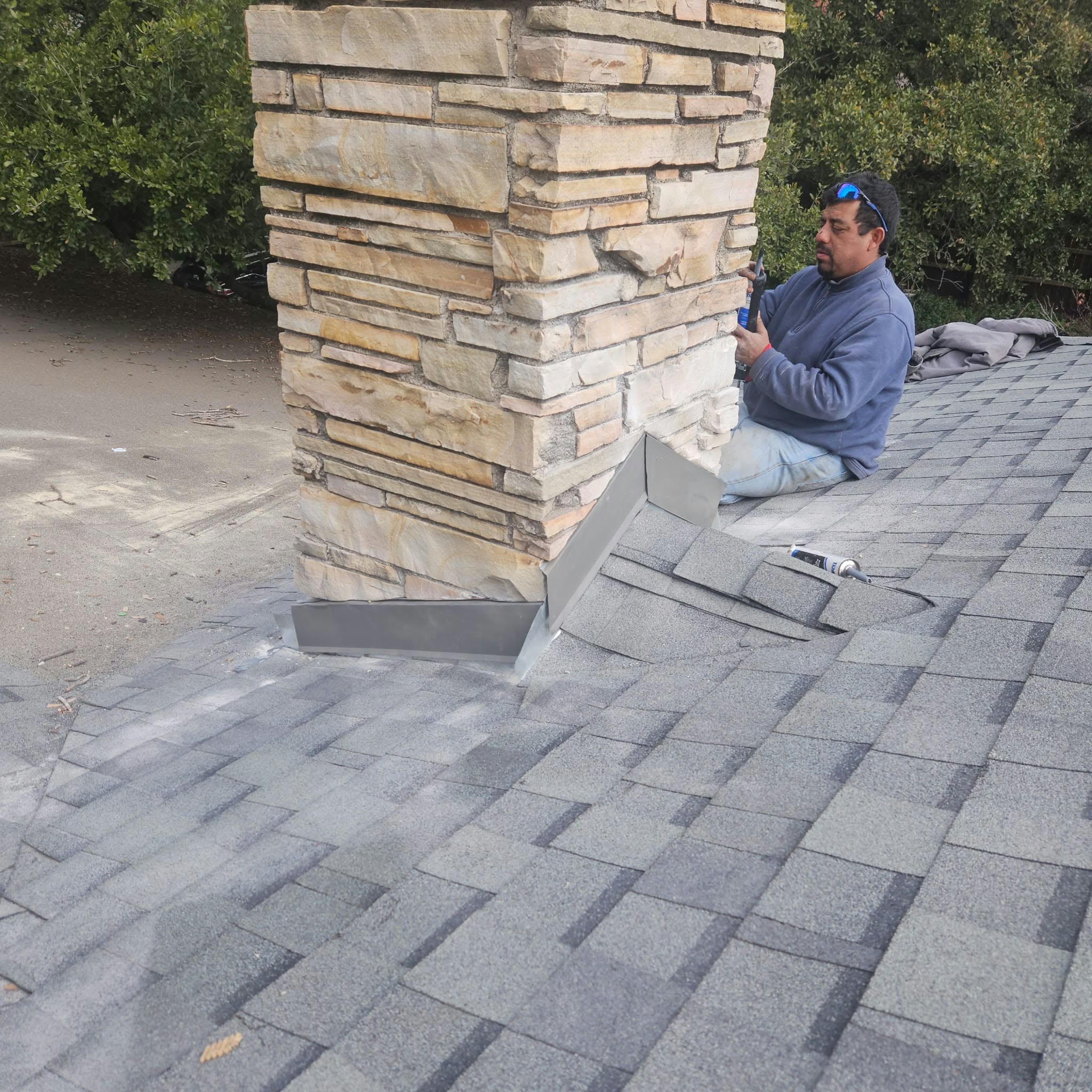
The chimney may use structural masonry, veneer, stucco, metal panels, or a listed factory-built enclosure. Exterior products must also tolerate rain, sunlight, wind, and temperature changes.
Understanding these zones prevents a common mistake: choosing a material based on appearance without confirming that it is appropriate for the specific heat and weather exposure.
1. Firebrick and Refractory Materials
Firebrick is designed to withstand the repeated heating and cooling that occurs inside a masonry firebox. Refractory mortar is used where high-temperature performance is required. Factory-built fireplaces may instead use proprietary refractory panels that must match the appliance.
Advantages
- Designed for high-heat applications
- Traditional appearance
- Available in several colors and patterns
- Repairable by experienced masonry professionals
- Suitable for many wood-burning fireboxes
Disadvantages
- Can crack from impact, movement, or thermal stress
- Requires correct joints and installation
- Should not be replaced with ordinary decorative brick
- Factory-built refractory panels may be model-specific
Firebox cracks should be evaluated before use. Small surface lines and deeper structural cracks do not have the same significance, and the correct repair depends on the system.
2. Traditional Clay Brick
Brick remains one of the most versatile fireplace materials for Texas homes. It works with traditional architecture but can also create a modern look when installed in clean patterns or finished in muted colors.
Popular contemporary approaches include:
- Thin brick in a stacked or running-bond pattern
- White, charcoal, tan, or gray brick
- Floor-to-ceiling brick walls
- Minimal mortar joints
- Herringbone accents
- Mixed brick and wood features outside required clearances
Advantages
- Durable and widely available
- Complements many architectural styles
- Individual damaged units can sometimes be replaced
- Works indoors and outdoors when the product is suitable
- Coordinates naturally with masonry chimneys
Disadvantages
- Mortar joints require inspection and occasional repair
- Porous surfaces can stain
- Paint may conceal rather than correct masonry deterioration
- Heavy full-depth masonry needs suitable support
Standard facing brick should not automatically be used inside a firebox. Heat-exposed areas need appropriate refractory materials.
3. Natural Stone
Natural stone gives a fireplace depth, texture, and a high-end appearance. Options include limestone, granite, slate, quartzite, marble, and regionally available stone.
The specific stone matters. Different products respond differently to direct heat, rapid temperature change, moisture, staining, and cleaning agents.
Advantages
- Unique natural color and pattern
- Works with modern, transitional, and rustic designs
- Can create a dramatic floor-to-ceiling feature
- Durable when properly selected and installed
- Suitable for many indoor and outdoor applications
Disadvantages
- Material and labor costs may be higher
- Some stone is porous and requires sealing
- Large slabs or full-depth stone are heavy
- Certain products can discolor, crack, or stain near heat and smoke
- Repairs may be difficult to match exactly
For a modern Texas home, honed limestone, large-format granite, or clean-cut stacked stone can provide texture without making the room feel overly rustic.
4. Manufactured Stone Veneer
Manufactured stone veneer is a lightweight cladding designed to resemble natural stone. It is available in consistent shapes, colors, and modern profiles.
Advantages
- Lighter than many full-depth natural-stone systems
- Broad range of styles and colors
- Often more budget-friendly than natural stone
- Can be installed over suitable prepared substrates
- Useful for remodeling existing surrounds
Disadvantages
- Quality and realism vary considerably
- Chipped areas may reveal the manufactured interior
- Installation details affect moisture performance
- Not every product is approved near high heat
- Exterior applications require careful water management
Confirm that the selected veneer, mortar, substrate, and clearances are appropriate for the fireplace and installation location.
5. Porcelain and Ceramic Tile
Tile is one of the most flexible choices for modern fireplaces. Porcelain offers a wide variety of stone, concrete, metal, and wood-look finishes without requiring the same thickness or weight as the materials it imitates.
Advantages
- Extensive selection of sizes, colors, and patterns
- Easy-to-clean glazed surfaces
- Large-format options create fewer grout lines
- Can produce a streamlined modern appearance
- Often lighter than full-depth masonry
Disadvantages
- Tile, setting material, grout, and substrate must all suit the application
- Rapid heat changes may contribute to cracking if installed improperly
- Glossy surfaces can show soot and fingerprints
- Large-format tile requires very flat, stable preparation
- Grout can stain if not maintained
Porcelain is commonly preferred over more porous decorative tile for areas where durability and easier cleaning are priorities. Always follow the fireplace manufacturer’s finishing instructions.
6. Large-Format Stone or Porcelain Slabs
Slab surrounds create a seamless, contemporary appearance. Marble, granite, quartzite, sintered stone, and porcelain slabs can minimize joints and emphasize the fireplace as a sculptural element.
Advantages
- Clean and luxurious appearance
- Fewer grout or mortar joints
- Strong visual impact
- Broad selection of natural and manufactured patterns
Disadvantages
- Requires precise templating and professional fabrication
- Heavy pieces need suitable support
- Natural stone may require sealing
- Cracks or chips can be difficult to repair invisibly
- Not every engineered slab is rated for fireplace heat exposure
Engineered quartz and other resin-containing products should not be assumed safe near a fireplace simply because they resemble stone. Verify the manufacturer’s heat limitations and approved use.
7. Cast Stone
Cast stone is a manufactured masonry product that can imitate carved limestone or other natural stone. It is often used for mantels, surrounds, corbels, hearths, and architectural trim.
Advantages
- Consistent shape and finish
- Custom profiles are possible
- Traditional and modern designs available
- Can be more predictable than carving natural stone
- Works well for integrated mantel-and-surround designs
Disadvantages
- Heavy and requires secure support
- Can chip or crack if handled incorrectly
- Color matching repairs may be difficult
- Installation joints remain visible
Cast-stone components should be installed according to their intended application and kept within the fireplace system’s approved material and clearance requirements.
8. Concrete
Concrete offers a minimalist, monolithic appearance that suits contemporary Texas homes. It may be poured in place, precast, or applied through specialized architectural systems.
Advantages
- Modern industrial appearance
- Custom dimensions and shapes
- Wide range of pigments and textures
- Can form integrated hearths, benches, or mantels
- Pairs well with wood, metal, and glass
Disadvantages
- Hairline cracking and color variation can occur
- Heavy construction needs proper support
- Installation and curing require experience
- Stains may penetrate unsealed surfaces
- Not every decorative concrete mix is appropriate near high heat
Cracks should be evaluated to distinguish normal surface variation from movement, heat damage, or structural concerns.
9. Metal Fireplace Surrounds
Steel, blackened steel, stainless steel, brass, and other metals can create a crisp modern frame around a fireplace. Metal may appear as trim, panels, shelving, or a complete feature wall.
Advantages
- Clean, contemporary lines
- Thin profile
- Available in polished, brushed, blackened, or patinated finishes
- Coordinates with modern windows, railings, and fixtures
- Noncombustible when used as part of an appropriate assembly
Disadvantages
- Conducts heat and may become dangerously hot
- Can warp, discolor, or oil-can if poorly detailed
- Fingerprints and scratches may be visible
- Some finishes require ongoing care
- Expansion and fastening must be considered
Noncombustible does not mean touch-safe. Metal surfaces can remain hot after the fireplace is turned off, so location and barriers matter for homes with children or pets.
10. Plaster, Stucco, and Cement-Based Finishes
Smooth plaster-like finishes create the soft, seamless walls seen in many modern and Mediterranean-inspired homes. The system may use cement-based, mineral, lime, or proprietary products.
Advantages
- Minimalist appearance
- Can cover large feature walls without many joints
- Available in smooth or textured finishes
- Works well with arched or sculptural designs
- Broad color options
Disadvantages
- Product suitability varies by heat exposure
- Cracks can develop over moving joints or unstable substrates
- Soot and stains may be difficult to remove
- Repairs may not blend perfectly
- Combustible backing or framing still requires correct clearance
The visible finish is only one layer. The complete substrate, reinforcement, fasteners, and transition details must suit the appliance and temperature range.
11. Wood Mantels and Decorative Paneling
Wood brings warmth to stone, tile, metal, and concrete fireplace designs. It may be used for mantels, shelving, cabinetry, or decorative wall panels outside the required clearance zone.
Advantages
- Adds natural warmth and contrast
- Easy to coordinate with flooring and cabinetry
- Available in many species, stains, and profiles
- Works well in modern and transitional rooms
Disadvantages
- Combustible
- Must remain outside required clearance areas
- Heat can dry, discolor, or damage finishes
- Large mantels and projecting trim may require greater separation
Wood should never be placed based only on visual preference. Fireplace listings and applicable clearance rules determine how close combustible trim can be installed.
12. Glass
Fire-rated or appliance-specific glass is used in doors, sealed fronts, protective barriers, and decorative features. It is not interchangeable with ordinary window glass.
Advantages
- Preserves flame visibility
- Supports sleek, contemporary design
- Sealed glass can separate the room from the combustion system
- Easy to wipe when cool and cleaned correctly
Disadvantages
- Can become extremely hot
- Scratches and residue may be visible
- Cracked glass can make the appliance unsafe to operate
- Replacement must match the listed appliance requirements
Never substitute standard glass or operate a fireplace with cracked, missing, or improperly sealed glass.
Fireplace Materials Comparison
| Material | Best For | Main Advantage | Primary Consideration |
|---|---|---|---|
| Firebrick | Wood fireboxes | High-heat suitability | Requires correct refractory installation |
| Brick | Surrounds and masonry chimneys | Durable and timeless | Porous surface and mortar maintenance |
| Natural stone | Feature walls and hearths | Unique, premium appearance | Weight, porosity, and heat suitability vary |
| Manufactured stone | Remodels and veneers | Lighter and versatile | Product quality and installation details |
| Porcelain tile | Modern surrounds | Broad design range | Requires compatible substrate and setting system |
| Slab material | Minimalist surrounds | Few joints | Fabrication, support, and heat ratings |
| Cast stone | Mantels and architectural surrounds | Custom shapes | Heavy and can chip |
| Concrete | Contemporary hearths and walls | Custom monolithic look | Cracking, weight, and curing |
| Metal | Modern trim and feature panels | Thin, crisp appearance | Heat conduction and expansion |
| Plaster or stucco | Seamless feature walls | Soft, continuous finish | Substrate and heat compatibility |
| Wood | Mantels outside clearances | Warm visual contrast | Combustible material restrictions |
Best Materials for a Wood-Burning Fireplace
A wood-burning fireplace places greater demands on materials because it produces high heat, embers, ash, soot, and creosote.
Appropriate choices often include:
- Firebrick and refractory mortar in the firebox
- Code-appropriate noncombustible hearth construction
- Brick, stone, porcelain, concrete, or approved tile at the surround
- Masonry or a listed factory-built chimney system
- Properly located wood mantels outside combustible clearances
Never use decorative tile adhesive, ordinary drywall, wood-look plastic, or unverified slab products in a high-heat zone.
Best Materials for a Gas Fireplace
Gas appliances offer more finish flexibility, especially sealed direct-vent models, but the manufacturer’s instructions remain controlling.
Popular modern choices include:
- Large-format porcelain
- Natural-stone slabs
- Concrete panels
- Metal accents
- Cast-stone surrounds
- Cement-based plaster finishes
- Wood paneling outside specified clearances
Vent openings, louvers, service panels, glass barriers, and convection spaces must remain unobstructed. A finish that blocks airflow can affect performance and safety.
Best Materials for Outdoor Texas Fireplaces
Outdoor materials must tolerate both heat and Dallas weather. Consider:
- Freeze-thaw and moisture performance
- Intense ultraviolet exposure
- Wind-driven rain
- Drainage around the hearth and foundation
- Corrosion resistance
- Thermal movement
- Staining from smoke and vegetation
Brick, suitable natural stone, concrete, stucco, and porcelain may work when installed as part of a properly designed exterior assembly. Interior-grade products, gypsum-based finishes, and moisture-sensitive adhesives should not be used outdoors unless specifically approved.
Caps, crowns, flashing, and drainage details are just as important as the visible finish.
How Texas Weather Affects Fireplace and Chimney Materials
Dallas conditions can accelerate deterioration through heat, storms, rain, wind, and rapid temperature changes.
Exterior masonry may develop:
- Mortar cracks
- Spalling brick
- Efflorescence
- Crown damage
- Failed sealant joints
- Rusted metal components
- Water intrusion around flashing
Annual inspection can identify these concerns before they affect the firebox, liner, framing, ceilings, or interior finishes. Exterior coatings should not trap moisture inside the masonry.
Materials and Fireplace Safety
Good fireplace safety depends on the complete assembly—not only the visible surface.
Important principles include:
- Use listed components with factory-built appliances.
- Follow manufacturer instructions for facing and mantel materials.
- Maintain required clearances from combustible construction.
- Use refractory products where direct flame or high heat occurs.
- Provide a suitable noncombustible hearth where required.
- Do not cover ventilation openings or service access.
- Confirm structural support for heavy stone, brick, or concrete.
- Inspect cracks, loose units, and heat damage before continued use.
- Install and maintain smoke and carbon monoxide alarms.
Even stone or metal may be unsafe if installed over combustible materials without the required assembly and clearances.
When Fireplace Materials Need Repair
Schedule professional evaluation when you notice:
- Cracked or loose firebrick
- Gaps in refractory mortar
- Tiles separating from the wall
- Stone or brick becoming loose
- A hearth that has cracked or settled
- Soot stains appearing outside the opening
- Rusting metal panels
- Water stains near the fireplace
- Spalling exterior masonry
- Cracks in the chimney crown
- Failed flashing
Professional fireplace masonry services may include firebox repair, brick replacement, mortar repointing, hearth reconstruction, crown repair, and rebuilding deteriorated chimney sections.
Can You Cover Old Brick With New Materials?
Sometimes, but the existing fireplace must first be evaluated. New veneer should not conceal:
- Active cracks
- Loose brick
- Water damage
- Deteriorated mortar
- Heat damage
- Improper clearances
- Structural movement
- Firebox or liner defects
The existing surface must be stable and able to support the selected system. The added thickness must not interfere with doors, louvers, dampers, hearth dimensions, or manufacturer-required access.
Materials and Chimney Installation in Dallas
New chimney installation in Dallas should begin with the appliance and venting design before exterior finishes are selected. The project may require structural support, firestopping, roof flashing, liner installation, a cap or termination, and weather-resistant exterior materials.
Permits and inspections may apply based on the project scope and related structural, gas, mechanical, or electrical work. Verify current Dallas requirements before construction begins.
A successful installation balances appearance with draft, heat protection, water management, and long-term service access.
Maintenance Needs by Material
Brick and Mortar
Inspect joints for cracking, erosion, and water entry. Repoint deteriorated areas with a compatible mortar rather than sealing over them.
Natural Stone
Use cleaning and sealing products approved for the particular stone. Acidic cleaners may damage sensitive materials.
Porcelain and Tile
Check for loose units, cracked grout, and heat-related movement. Use nonabrasive cleaners appropriate for the finish.
Concrete and Cast Stone
Monitor cracks, stains, and failed sealers. Avoid coatings that discolor under heat.
Metal
Inspect for corrosion, discoloration, loose fasteners, and heat distortion. Follow manufacturer cleaning directions.
Firebrick and Refractory Panels
Look for open joints, missing material, deep cracks, and movement. Do not patch factory-built panels with an unapproved product.
Material care does not replace annual inspection of the chimney and fireplace system or chimney cleaning when deposits require removal.
How to Choose the Best Fireplace Material
Use these questions to narrow the options:
- Is the fireplace wood, gas, or electric?
- Is it masonry-built or factory-made?
- Which areas experience direct heat?
- What clearances does the appliance require?
- Can the wall or foundation support the material’s weight?
- Is the installation indoors or outdoors?
- How much cleaning and sealing are acceptable?
- Will soot, fingerprints, or stains be visible?
- Can individual pieces be repaired or replaced?
- Does the material complement the rest of the home?
A professional assessment can help prevent selecting an attractive product that is incompatible with the fireplace.
Fireplace and Chimney Services in Dallas
The best fireplace materials combine design, durability, heat suitability, and manageable maintenance. For many modern Texas homes, porcelain, natural stone, brick, cast stone, concrete, and metal can all work beautifully when used in the correct zones and installed over suitable assemblies.
Emerson Pro Services provides chimney services in Dallas, including fireplace construction, chimney installation, fireplace masonry services, inspections, chimney cleaning, and chimney repair. Whether you are remodeling a gas fireplace, restoring a wood fireplace, or planning a complete chimney and fireplace system, professional guidance can help you choose compatible materials.
At Emerson Chimney & Fireplace, we offer a wide range of chimney caps and professional installation services to ensure your home remains safe and efficient. Visit us at 16135 Preston Rd Ste 105, Dallas, TX 75248, or contact us at 469-212-7906 for expert advice and services tailored to your chimney and fireplace needs. For more information, visit our website at www.emersonproservices.com.
Contact Emerson Pro Services to discuss fireplace materials and design options for your Dallas home.
Frequently Asked Questions
What is the best material for the inside of a wood-burning fireplace?
Firebrick with appropriate refractory mortar is commonly used in masonry fireboxes. Factory-built fireplaces may require model-specific refractory panels. Follow the system’s approved construction or manufacturer requirements.
Can porcelain tile be used around a fireplace?
Often, yes, when the tile, setting material, substrate, and installation location are approved for the expected heat. The fireplace manufacturer’s facing and clearance instructions must be followed.
Is natural stone better than manufactured stone for a fireplace?
Neither is always better. Natural stone offers unique variation and durability, while manufactured stone is lighter and often more affordable. Product quality, heat suitability, substrate preparation, and installation matter.
Can wood be installed around a fireplace?
Wood may be used for mantels or paneling only outside required combustible clearances. The permitted location depends on the fireplace design, projection, listing, and applicable requirements.
What fireplace material is easiest to clean?
Smooth glazed porcelain and certain sealed stone surfaces are generally easier to wipe than rough brick or textured stone. Cleaning products must be compatible with the material and fireplace.
Do cracked fireplace materials always need replacement?
Not always. The correct response depends on the material, crack depth, location, movement, and fireplace type. Deep firebox cracks, loose masonry, or damaged factory-built panels require professional evaluation before use.