

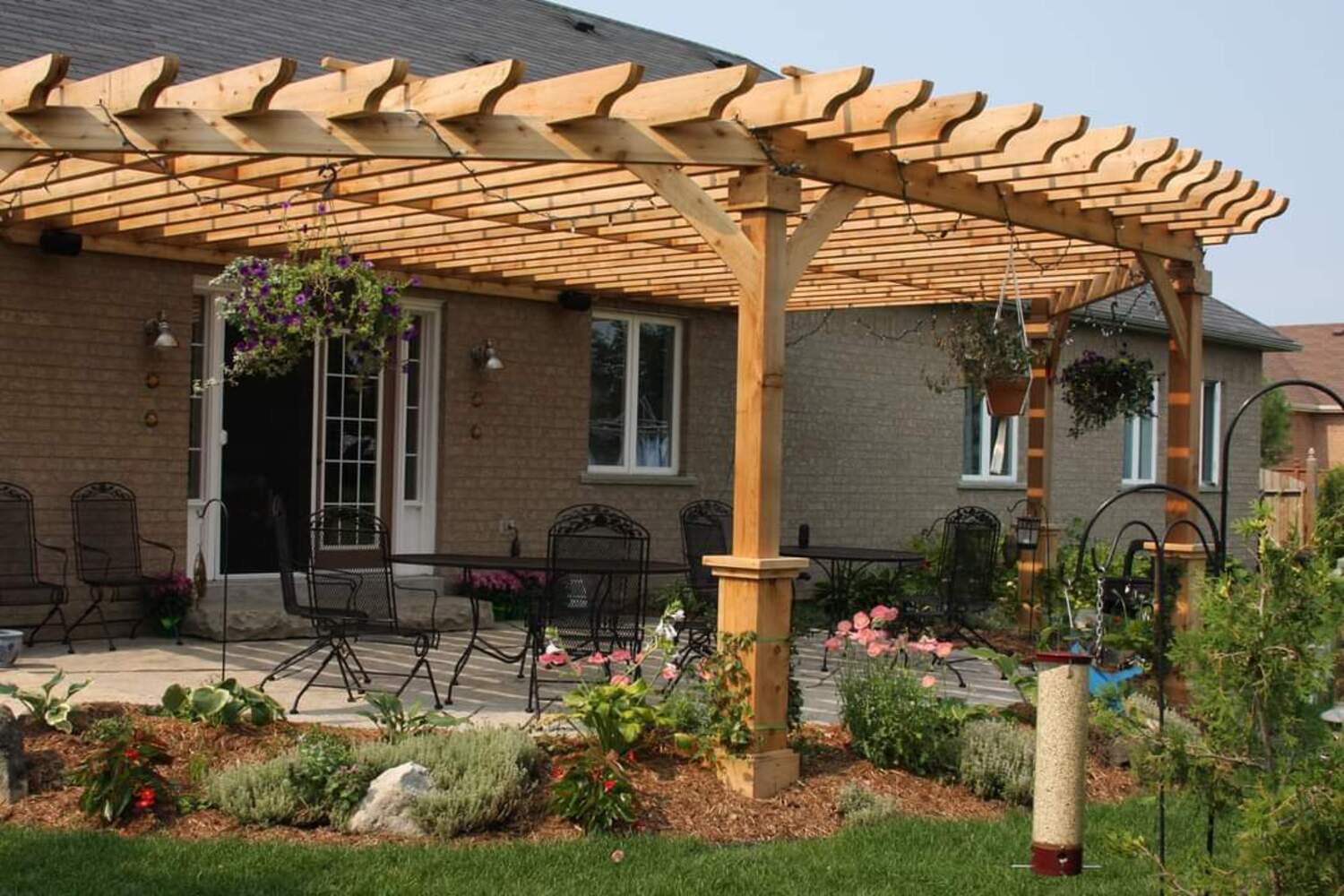
A well-built patio cover or pergola can make a Dallas backyard more comfortable, attractive, and useful year-round. It provides shade during hot summer afternoons, defines an outdoor gathering area, and protects furniture and finishes from direct exposure to the elements. Like every exterior structure, however, it eventually shows signs of age.
Some problems only require straightforward patio repair, while others indicate that replacement is safer and more cost-effective. Knowing the difference can help you avoid repeated repairs, protect your property, and plan an outdoor upgrade that supports the way your family uses the backyard.
This guide explains when a patio cover or pergola can be repaired, when replacement is the better choice, and what Dallas homeowners should consider before making a decision.
Why Patio Covers and Pergolas Deteriorate
Outdoor structures face constant exposure to sunlight, rain, wind, temperature changes, insects, and moisture. Dallas weather can be especially demanding because intense heat and ultraviolet exposure may dry, fade, or warp materials, while thunderstorms can loosen panels, fasteners, and connections.
Common causes of deterioration include:
- Normal aging and weather exposure
- Water collecting on a roof or around support posts
- Inadequate drainage near the structure
- Loose or corroded hardware
- Termite or wood-boring insect activity
- Improper installation or undersized structural components
- Tree limbs and storm debris striking the structure
- Delayed outdoor maintenance
The material also affects how a structure ages. Wood may rot, split, or attract insects. Steel can rust when protective coatings fail. Aluminum resists rot but may dent or develop loose connections. Vinyl requires less maintenance but can crack or become brittle over time.
Signs Your Patio Cover May Only Need Repair
Repair is often appropriate when the damage is localized, the main structure remains stable, and the cost is reasonable compared with the structure’s remaining service life.
1. A Few Loose or Damaged Panels
One or two loose roof panels do not necessarily justify replacing the entire patio cover. A professional may be able to refasten or replace the affected sections and inspect the surrounding hardware for storm damage.
2. Minor Leaks at Seams or Fasteners
Small leaks may come from worn sealant, loose screws, damaged flashing, or a failed connection where the cover meets the home. If the framing and roofing material are otherwise sound, targeted sealing or flashing work may correct the problem.
Leaks should still be addressed quickly. Water that repeatedly enters the same area can damage rafters, posts, exterior walls, lighting, and nearby finishes.
3. Peeling Paint or Surface Rust
Faded paint, peeling coatings, and light surface rust are often maintenance issues rather than structural failures. Cleaning, treating the rust, and applying an exterior-grade finish may extend the structure’s life.
Deep rust, holes, or widespread corrosion require closer evaluation because they may reduce the strength of metal components.
4. Limited Wood Rot
A small area of rot may be repairable when it has not spread into a major beam, ledger, or support post. The damaged material must be removed completely, the source of moisture corrected, and the affected component properly repaired or replaced.
Simply painting over rotted wood does not restore its strength.
5. Loose Decorative Elements
Slats, trim pieces, latticework, and decorative end cuts can become loose before the primary framing fails. These components can often be secured or replaced without rebuilding the entire structure.
6. The Structure Is Relatively New
Repair usually makes sense when the cover or pergola is still within its expected service life, was installed correctly, and has only isolated damage. A professional inspection can confirm whether the visible problem is limited or part of a larger structural issue.
Signs It May Be Time to Replace Your Patio Cover
Replacement becomes the stronger option when the structure is unsafe, extensively deteriorated, poorly designed, or no longer suitable for your outdoor space.
1. Sagging Beams or Roof Sections
A sagging roofline, beam, or rafter can indicate excess weight, water damage, failing connections, or undersized framing. Because these conditions may create a collapse hazard, avoid standing beneath the damaged area and arrange an inspection promptly.
2. Multiple Rotted Posts or Beams
When rot affects several load-bearing parts, replacing individual boards may become a temporary and expensive cycle. Widespread deterioration often means the structure has reached the end of its practical life.
3. Posts Are Shifting or Pulling Away
Leaning posts, cracked footings, separation from the house, or noticeable movement during wind can signal foundation or anchoring problems. These are more than cosmetic defects. They can affect the stability of the entire structure.
4. Widespread Rust or Corrosion
Metal components that are deeply corroded, perforated, or weakened at their connections may be difficult to restore reliably. If corrosion appears throughout the structure, replacement may provide better long-term value and safety.
5. Repeated Leaks Continue After Repairs
If a cover keeps leaking despite multiple repairs, the underlying problem may involve an inadequate roof pitch, failing materials, poor flashing, or a flawed drainage design. Replacing the structure allows these issues to be corrected instead of patched repeatedly.
6. The Original Installation Was Poorly Designed
Some older patio covers and pergolas were built without adequate footings, drainage, ventilation, or properly sized components. Others may have been attached incorrectly to the home. Replacement provides an opportunity to create a safer system that suits the property and current building requirements.
7. The Structure No Longer Meets Your Needs
Your existing cover may be structurally sound but too small, too dark, or poorly placed. If you are planning an outdoor kitchen, dining area, artificial turf, or pool installation, a redesigned structure may integrate these features more successfully than a series of modifications.
8. Repairs Approach the Cost of Replacement
When extensive patio repair requires new roofing, posts, beams, fasteners, and finishes, the total may approach the price of a new structure. Replacement can offer a longer service life, improved design, and a more consistent appearance.
Patio Cover Repair vs. Replacement at a Glance
| Condition | Repair May Be Appropriate | Replacement May Be Better |
|---|---|---|
| One loose or damaged panel | Yes | No |
| Minor leak around a seam | Yes | If leaks repeatedly return |
| Peeling finish or surface rust | Yes | If corrosion is widespread |
| Small, isolated area of wood rot | Possibly | If load-bearing damage is extensive |
| Sagging beams or roofline | Rarely | Yes |
| Multiple leaning or damaged posts | Rarely | Yes |
| Outdated layout | For small changes | For a major redesign |
| Frequent repairs in several areas | No | Yes |
This table offers a general guide, but an on-site assessment is the safest way to evaluate structural damage.
Should You Repair an Older Pergola?
An open-roof pergola often has fewer roofing components than a solid cover, but its beams, rafters, posts, hardware, and footings still need to remain secure. Minor cracks, loose slats, and worn finishes may be repairable. Severe post rot, shifting footings, or deteriorated beam connections may justify replacement.
New pergola installation also gives homeowners more design choices. Options may include adjustable louvers, integrated lighting, ceiling fans, privacy screens, and materials that require less maintenance than an older wood structure.
If the pergola is being updated to provide dependable rain protection, it may be better to consider a purpose-built patio cover instead of adding roofing that the original frame was not designed to support.
Consider the Rest of Your Outdoor Living Space
A patio structure should work with the entire yard rather than function as an isolated feature. Before choosing repair or replacement, consider how nearby surfaces, utilities, drainage, and amenities affect the plan.
Patio and Hardscape Condition
Cracked or uneven concrete may need attention before new posts are anchored. If the patio will be expanded, completing the hardscape and structural planning together can produce a cleaner layout.
Turf and Landscaping
Professional turf installation can create a low-mud, visually consistent transition around patios and gathering spaces. If you plan to add artificial turf, the design should account for edging, base preparation, drainage, furniture placement, and heat exposure near reflective surfaces.
Pool Area
A future pool installation may change traffic patterns, drainage needs, safety clearances, and the best location for shade. Planning the pool, patio, and shade structure together can prevent expensive changes later.
Outdoor Kitchen and Utilities
Outdoor kitchens may require gas, electricity, water, ventilation, and safe clearance from combustible materials. A replacement structure can be designed around these requirements, while an existing cover may need evaluation before appliances or heavy fixtures are added.
Patio Cover or Pergola: Which Replacement Is Better?
The right option depends on how much protection and flexibility you want.
A solid patio cover offers dependable shade and better rain protection. It may be ideal over a dining space, outdoor kitchen, or seating area that contains electronics and upholstered furniture.
A pergola creates partial shade while maintaining a lighter, more open appearance. It can define a lounge, garden, walkway, or poolside area without completely blocking sunlight. Modern pergolas may also include retractable canopies or adjustable louvers for greater control.
Some backyards benefit from combining both. A solid cover can protect cooking and dining zones, while a pergola extends visual interest into the yard.
Questions to Ask Before Making a Decision
Before authorizing repairs or replacement, ask:
- Is the damage cosmetic or structural?
- What caused the problem, and will the repair correct that cause?
- How much useful life should remain after the repair?
- Are replacement materials compatible with the existing structure?
- Does the structure drain water away from the house?
- Will planned outdoor features require a different layout?
- Are permits or engineering details required?
- Is the structure properly anchored for local weather conditions?
- Does the contractor provide a written scope of work and warranty information?
A reliable professional should explain the condition clearly and distinguish necessary structural work from optional aesthetic upgrades.
How Outdoor Maintenance Extends Service Life
Consistent outdoor maintenance can delay major repairs and help a patio cover or pergola last longer. Homeowners should periodically:
- Remove leaves and debris from roof surfaces and drainage paths
- Check fasteners, brackets, and visible connections
- Look for peeling coatings, rust, cracks, and insect damage
- Keep sprinklers from repeatedly soaking wood posts
- Trim branches away from the structure
- Clean stains and mildew with material-appropriate products
- Reseal or refinish wood according to product recommendations
- Check for leaks after major storms
- Arrange a professional inspection when movement or sagging appears
Avoid climbing on a patio cover unless it was specifically designed for foot traffic. Inspections can often be performed safely from the ground or by a qualified contractor using appropriate equipment.
Improve Your Dallas Outdoor Living Space With Emerson Pro Services
Choosing between repair and replacement is easier when you understand the structure’s condition, the source of the damage, and your long-term plans. Emerson Pro Services can assess your existing patio cover or pergola and recommend a practical solution for your property.
Whether you need targeted patio repair, a new patio cover, pergola installation, artificial turf, or coordinated improvements for a larger outdoor living project, professional planning helps the finished space feel connected, comfortable, and built for everyday use.
Contact Emerson Pro Services to schedule an evaluation and begin planning a safer, more functional backyard in Dallas.
For more outdoor living projects and expert advice, contact Emerson Turf & Outdoor Living in Dallas, TX. Visit our website at www.emersonproservices.com or call us at 972-316-4259 to learn more about our services and how we can help you transform your outdoor space.
Frequently Asked Questions
How long does a patio cover usually last?
Its lifespan depends on the material, installation quality, climate exposure, and maintenance. A professionally installed and maintained structure may provide many years of service, while poor drainage or neglected damage can shorten its life substantially.
Can a leaking patio cover be repaired?
Many localized leaks can be repaired by correcting failed sealant, flashing, fasteners, or isolated panel damage. Recurring leaks across several areas may indicate that replacement is more practical.
Is it safe to repair a sagging pergola myself?
Sagging can involve compromised beams, connections, posts, or footings. Because the structure may be unstable, it should be inspected by a qualified professional before anyone attempts repairs.
Can artificial turf be installed around patio posts?
Yes. Proper turf installation should include careful edging, base preparation, drainage, and clean transitions around footings and posts.
Can a new patio cover be added near a pool?
Yes, but the layout should consider safety clearances, drainage, utilities, visibility, and local requirements. Coordinating the cover with the pool installation plan can reduce conflicts.
Is a pergola cheaper than a solid patio cover?
Not always. Cost depends on size, material, design, footings, roofing or louver systems, lighting, and other features. A simple open pergola may cost less than a fully roofed cover, while a motorized louvered pergola may cost more.