

Choosing a gutter material involves more than comparing colors and prices. Gutters must withstand heavy rainfall, changing temperatures, wind, falling debris, and years of exposure to the elements. For Garland homeowners, aluminum and copper are two durable options for forming seamless gutter systems.
Aluminum gutters are lightweight, corrosion-resistant, versatile, and relatively affordable. Copper seamless gutters offer exceptional durability, a distinctive appearance, and a long potential service life, but they require a substantially larger initial investment.
Neither material is automatically better for every property. The right choice depends on the home’s style, budget, roof design, maintenance expectations, and long-term plans.
What Are Seamless Gutters?
Seamless gutters are fabricated from long, continuous coils of material using specialized equipment. Each run is measured and formed at the property to fit the roofline.
Unlike sectional gutters, which are assembled from several shorter pieces, seamless gutters have fewer joints. Connections are still necessary at corners, downspout outlets, and end caps, but the main gutter runs contain fewer potential leak points.
Benefits of seamless construction include:
- Custom sizing for the home
- Fewer joints along straight runs
- Reduced risk of seam leaks
- A cleaner exterior appearance
- Less debris catching around connections
- Fewer joints requiring periodic resealing
Both aluminum and copper can be used to create seamless systems.
Aluminum Seamless Gutters at a Glance
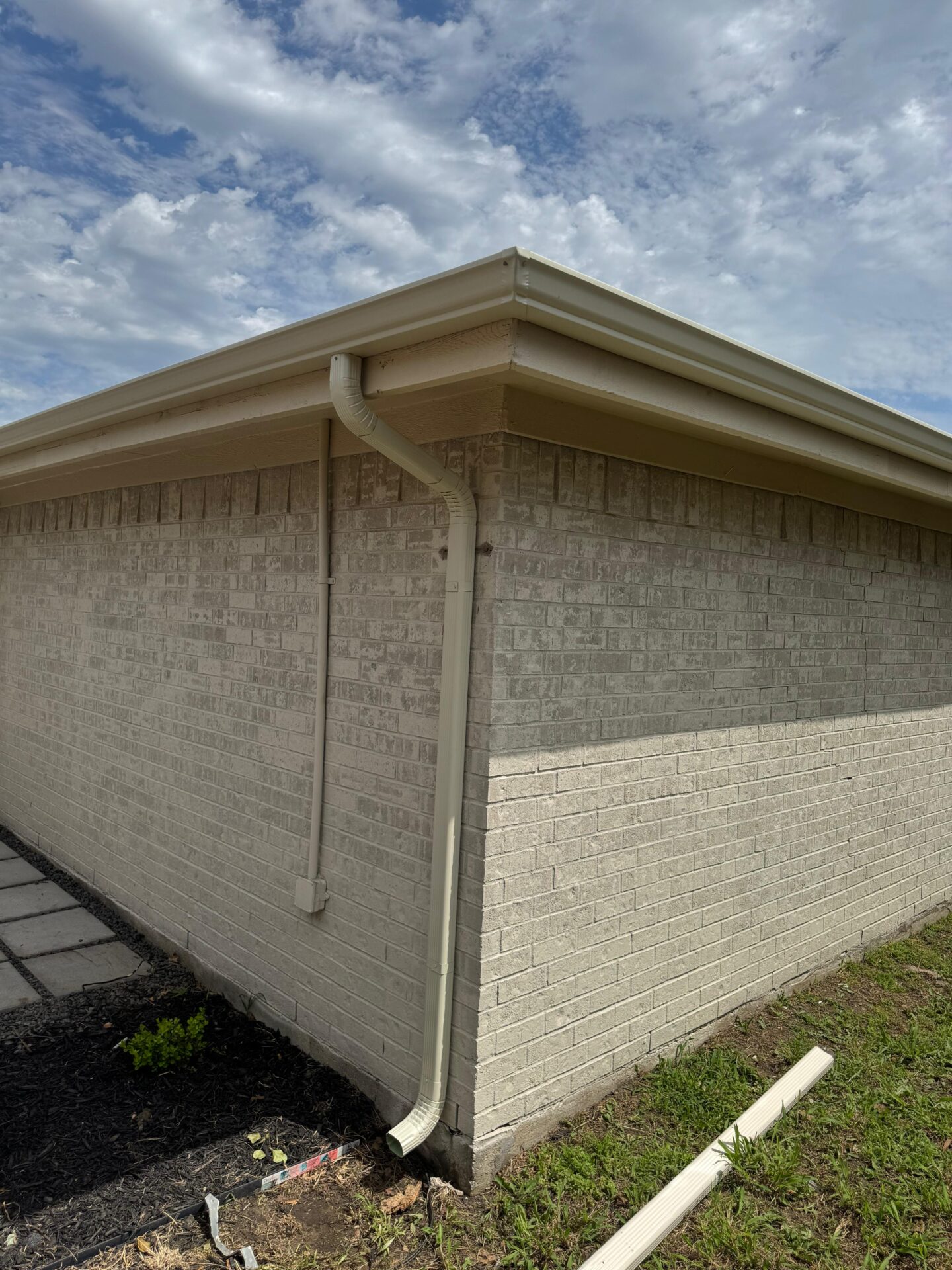
Aluminum is one of the most widely used materials for residential gutters. It provides a practical balance of affordability, corrosion resistance, appearance, and durability.
Aluminum gutters are available in several thicknesses, sizes, styles, and factory-applied colors. They can be fabricated on-site and installed with matching or coordinating downspouts.
Key advantages include:
- Lower initial cost than copper
- Lightweight construction
- Resistance to rust
- Wide range of colors
- Compatibility with many home styles
- Easier section replacement
- Good performance with proper maintenance
Potential disadvantages include susceptibility to denting and the eventual fading or wearing of painted finishes.
Copper Seamless Gutters at a Glance
Copper seamless gutters are considered a premium exterior feature. They begin with a bright metallic appearance and gradually develop a darker finish or blue-green patina through natural oxidation.
Copper is known for its durability and resistance to rust. With correct installation and maintenance, it can outlast many conventional gutter materials.
Key advantages include:
- Long potential service life
- Natural resistance to rust
- Distinctive appearance
- No need for painted finishes
- Excellent compatibility with historic or luxury homes
- Added architectural character
- Strong long-term performance
The primary disadvantages are higher material and installation costs and the need for contractors experienced in working with copper.
Cost Comparison
Aluminum is generally the more budget-friendly option. The material is widely available, lightweight, and less labor-intensive to handle.
Copper costs considerably more because:
- The raw material is more expensive
- Specialized tools and techniques may be required
- Connections may be soldered
- Compatible fasteners and accessories must be used
- Copper downspouts and decorative components add cost
- Installation generally requires specialized experience
Homeowners should compare the complete system rather than only the price of the gutter runs. An estimate may also include downspouts, hangers, outlets, corners, fascia repairs, removal of the existing system, and drainage improvements.
Aluminum is usually the better choice for homeowners prioritizing a lower upfront cost. Copper may appeal to owners who value longevity and architectural appearance enough to justify the premium.
Durability and Expected Service Life
Both materials can provide reliable performance when properly installed and maintained.
Aluminum does not rust, making it suitable for regular exposure to rainfall. However, thin aluminum can dent when struck by ladders, hail, or falling branches. Its painted finish may also fade or wear over time.
Copper is heavier and naturally durable. It resists rust and does not depend on paint for protection. Its surface changes through oxidation, but the patina becomes part of the material’s appearance rather than indicating typical iron rust.
The service life of either system depends on:
- Material quality and thickness
- Installation workmanship
- Hanger spacing
- Roof and fascia condition
- Local weather exposure
- Nearby trees
- Cleaning frequency
- Prompt repair of damage
- Effectiveness of the drainage system
A premium material will not perform properly if the gutter is incorrectly pitched, undersized, or poorly secured.
Resistance to Garland Weather
Garland homes can experience heavy rain, strong winds, high temperatures, and occasional severe storms. Both aluminum and copper can perform effectively in these conditions when the system is correctly designed.
A reliable gutter system must have:
- Adequate channel capacity
- Correct slope toward downspouts
- Secure hanger placement
- Properly sized outlets
- Enough downspouts
- Safe discharge routes
- Regular cleaning and maintenance
Copper’s durability can make it appealing for long-term performance. Aluminum remains a dependable and cost-effective option for most homes.
Material alone cannot prevent overflow. The gutters and downspouts must be sized for the roof and kept clear of debris.
Appearance and Curb Appeal
Appearance is one of the clearest differences between the two materials.
Aluminum Gutters
Aluminum gutters are available in many factory-finished colors. Homeowners can select a shade that blends with the fascia, trim, siding, brick, or roof.
The finished surface creates a consistent appearance and works well with traditional, contemporary, and transitional homes.
Copper Gutters
Copper is intended to stand out as an architectural feature. Its appearance evolves over time:
- New copper has a bright metallic finish.
- The surface gradually darkens.
- Brown and gray tones may develop.
- A blue-green patina can eventually form under suitable conditions.
This process is natural, but it does not happen at the same speed on every property. Weather exposure, moisture, air quality, and surface conditions influence how the patina develops.
Copper is especially attractive on historic homes, custom properties, stone exteriors, and buildings with copper roof accents.
Maintenance Requirements
Both aluminum and copper systems require routine gutter maintenance. Neither material is immune to clogs, loose hangers, damaged downspouts, or debris buildup.
Regular maintenance should include:
- Removing leaves and twigs
- Clearing downspout openings
- Flushing the system
- Inspecting corners and outlets
- Checking hangers and fasteners
- Looking for standing water
- Examining discharge areas
- Inspecting for storm damage
Aluminum gutters may need attention if their paint becomes scratched or their sections are dented. Copper does not need painting, but homeowners should avoid harsh cleaning methods that could create uneven surface changes.
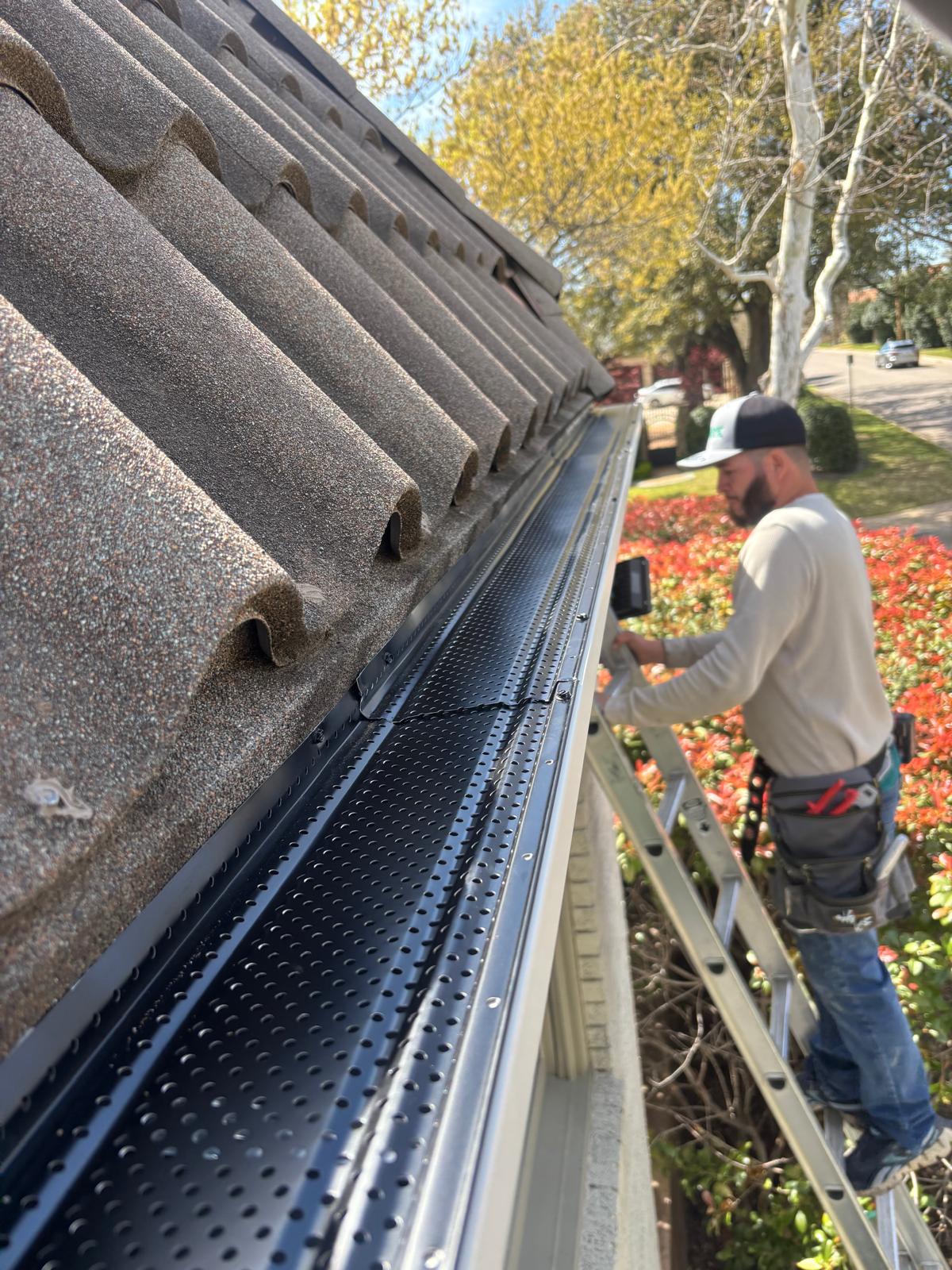
Professional gutter cleaning is advisable when the home is multistory, the roofline is difficult to access, or the gutters are surrounded by trees.
Repair Considerations
Aluminum gutters are generally easier and less expensive to repair. A damaged section may be patched or replaced using readily available material. Color matching may become difficult if the existing finish has faded.
Copper repairs typically require compatible copper materials and specialized workmanship. Using inappropriate fasteners or dissimilar metals may create reactions that contribute to deterioration.
Potential repairs for either system include:
- Resealing or soldering corners
- Replacing hangers
- Correcting gutter pitch
- Repairing damaged outlets
- Reattaching loose sections
- Completing downspout repair
- Replacing impact-damaged runs
Homeowners with copper systems should choose a gutter repair provider experienced with the material.
Weight and Installation
Aluminum is lightweight, making it easier to transport, fabricate, and install. This can reduce labor requirements and place less weight on the fascia.
Copper is heavier and requires careful handling to avoid scratches, dents, and fingerprints during installation. The contractor must use fasteners, hangers, and accessories compatible with copper.
Before either material is installed, the fascia should be inspected for moisture damage, rot, or loose boards. A seamless system must be attached to a structurally sound surface.
Environmental Considerations
Both aluminum and copper are recyclable materials. Recycled content may also be used in the production of new gutter products.
Copper’s long potential service life may reduce how frequently the gutter system needs to be replaced. Aluminum’s lighter weight can reduce material-handling demands and makes it widely practical for residential installation.
Homeowners interested in sustainability can ask contractors about recycled content, material sourcing, and responsible disposal of the old gutters.
Compatibility With Gutter Guards
Gutter guards can be installed on many aluminum and copper systems. However, the guard material should be compatible with the gutter.
For copper gutters, copper or specifically approved compatible guards and fasteners may be recommended. Installing dissimilar metals without proper separation can contribute to galvanic corrosion.
The guard should also suit:
- Nearby tree debris
- Roof pitch
- Gutter dimensions
- Expected rainfall
- Maintenance accessibility
- Roof warranty requirements
Gutter guards can reduce debris accumulation, but they do not eliminate gutter cleaning.
Downspouts and Drainage Matter With Both Materials
Premium gutters will not protect a home if the downspouts are clogged, undersized, or positioned incorrectly.
Downspouts should move water to an appropriate discharge point. Depending on the property, this may involve:
- Downspout extensions
- Splash blocks
- Underground drainage pipes
- Catch basins
- Surface drains
- French drains
- Channel drains
- Yard-grading improvements
Professional drainage services may be necessary when water continues to collect near the foundation after the gutters and downspouts have been corrected.
Which Material Is Better for Your Garland Home?
Aluminum seamless gutters may be the better choice when you want:
- A lower initial cost
- Multiple color options
- Reliable residential performance
- Easier repairs
- Lightweight construction
- A system that blends with the exterior
Copper seamless gutters may be the better choice when you want:
- A premium architectural feature
- A naturally changing finish
- A long-lasting material
- Resistance to rust
- Compatibility with copper accents
- A distinctive appearance
The decision should also consider how long you expect to own the home. Aluminum may provide the most practical value for many homeowners, while copper can be a worthwhile long-term investment for a property suited to its appearance and price.
Questions to Ask Before Choosing
Before approving gutter installation, ask the contractor:
- Which material is best suited to the roof and exterior?
- What gutter size does the home need?
- How many downspouts will be installed?
- Are the fasteners compatible with the gutter material?
- Does the fascia need repair?
- What maintenance will be required?
- What warranties cover the material and labor?
- Where will each downspout discharge?
- Are drainage improvements recommended?
- Does the contractor have experience with copper?
A detailed written estimate should explain the materials, gutter dimensions, downspouts, labor, removal, and additional work.
Choose Professional Seamless Gutter Installation
Both aluminum and copper seamless gutters can protect Garland homes when they are properly designed and installed. Aluminum provides affordability, flexibility, and dependable performance. Copper offers exceptional character, natural rust resistance, and long-term durability at a higher price.
Emerson Pro Services offers gutter services in Garland, including aluminum and seamless gutter installation, repair, cleaning, maintenance, downspout repair, and drainage services. The team can evaluate your roofline, compare material options, and design a system suited to your home.
Contact Emerson Pro Services to discuss whether aluminum or copper seamless gutters are the better choice for your property.
For gutter guards, gutter inspections, gutter cleaning, repairs, or residential and commercial gutter installations in Garland, Texas, contact Emerson Pro Services. Visit emersonproservices.com or call
(214) 972-0811 to discuss your property’s gutter and drainage needs.
Frequently Asked Questions
Are copper seamless gutters better than aluminum gutters?
Copper generally offers a longer potential service life and a more distinctive appearance. Aluminum is more affordable, lighter, and available in a wider range of finished colors.
Do copper gutters turn green?
Copper naturally oxidizes and may eventually develop a blue-green patina. The timing and final appearance depend on weather, moisture, and environmental conditions.
Do copper gutters require painting?
No. Copper is normally left unpainted so that its natural surface can age and develop a patina.
Can copper gutters be installed on any home?
They can be installed on many homes, but the fascia must be structurally sound. The installer must also use materials and fasteners compatible with copper.
Are aluminum gutters suitable for heavy rain?
Yes. Properly sized aluminum gutters can manage heavy rainfall when they have the correct pitch, secure hangers, and adequate downspouts.
Do both materials need regular cleaning?
Yes. Leaves, twigs, seeds, and roofing debris can clog aluminum and copper gutters. Both require periodic cleaning and inspection.