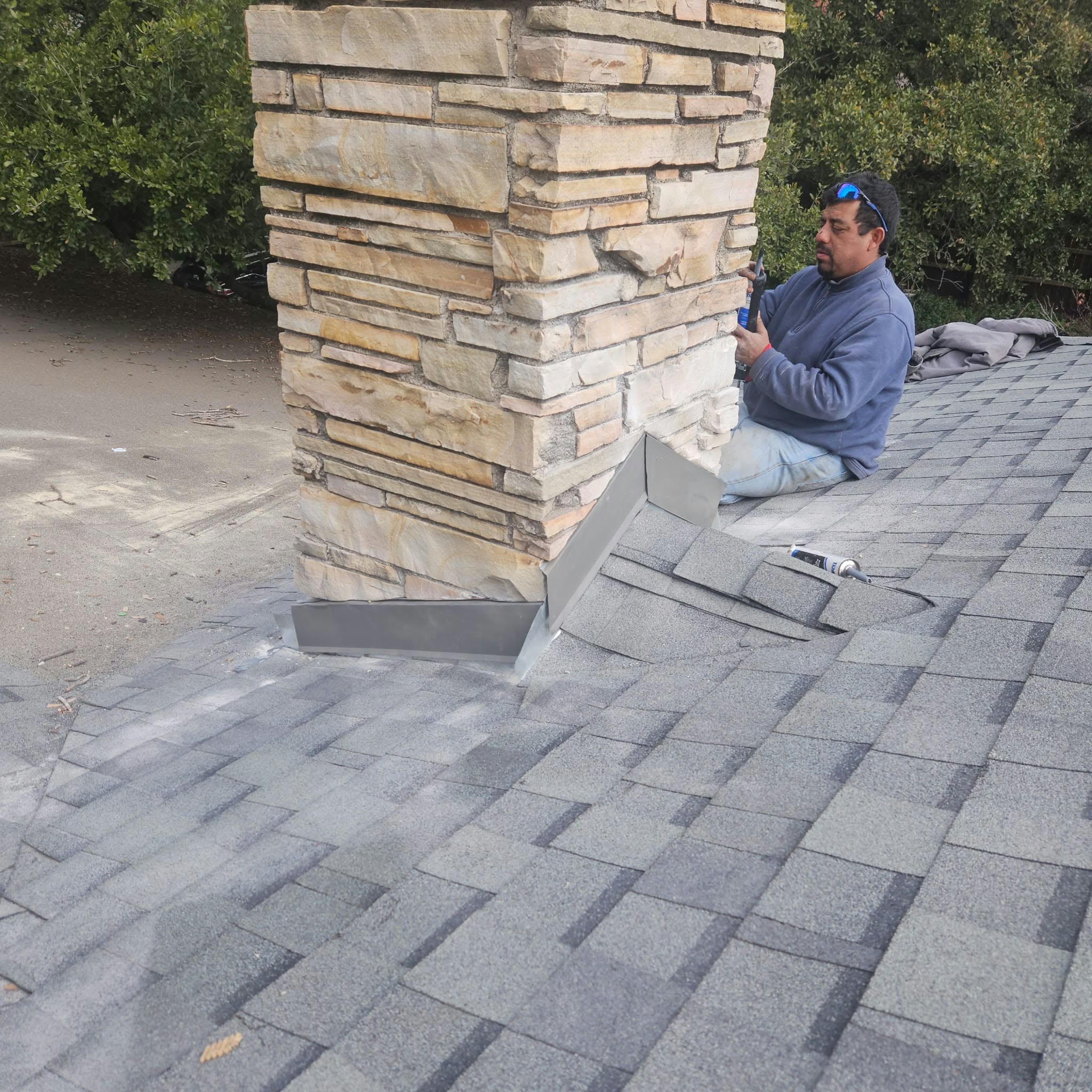


Texas roofs endure intense sunlight, high temperatures, strong winds, heavy rain, and frequent hailstorms. Even when a roof looks intact from the ground, small problems may be developing around shingles, flashing, vents, fasteners, or drainage areas.
As a general rule, Texas homeowners should schedule a professional roof inspection about once a year. Additional inspections are advisable after major hail, wind, or severe thunderstorms and whenever signs of leaks or roof damage appear.
Why Annual Roof Inspections Matter in Texas
A roof is designed to protect the home from weather, but constant exposure gradually affects its materials. Regular inspections give homeowners an opportunity to identify minor damage before it contributes to moisture intrusion or more extensive repairs.
Annual inspections may help uncover:
- Missing or damaged shingles
- Loose flashing
- Exposed fasteners
- Sealant deterioration
- Blocked drainage areas
- Ventilation concerns
- Soft or damaged decking
- Interior moisture stains
- Hail or wind damage
- Signs of premature aging
GAF’s homeowner guidance describes once a year as a useful rule of thumb, with more frequent inspections where roofs experience repeated storms. A qualified professional can recommend a schedule based on the specific property.
Schedule an Inspection After Severe Weather
Dallas and other North Texas communities can experience hail, high winds, wind-driven rain, and falling debris. Damage may not always be obvious immediately after a storm.
Schedule a professional roof inspection after a significant weather event if you notice:
- Shingles on the ground
- Dents in gutters or vents
- Lifted roofing materials
- Fallen branches
- Water stains
- Granules collecting near downspouts
- Damaged flashing
- Debris on the roof
- Leaks in the attic
- Changes in ceiling texture or paint
Even if no leak is visible, a contractor may find loosened or damaged components that could cause problems during the next storm.
How Often Should Asphalt Shingles Be Inspected?
Homes with asphalt shingles should generally receive an annual inspection and additional checks after severe weather. Older shingle roofs or roofs with a history of repairs may need more frequent attention.
An inspector may look for:
- Cracked shingles
- Curling edges
- Missing tabs
- Hail impacts
- Granule loss
- Lifted shingles
- Exposed nail heads
- Deteriorated sealant
- Damaged ridge caps
- Flashing problems
Some granule loss is expected as shingles age, but concentrated accumulation or visible bald areas may indicate deterioration.
How Often Should Metal Roofing Be Inspected?
Metal roofing is durable, but it is not maintenance-free. An annual inspection can help identify loose fasteners, damaged seams, sealant failure, surface corrosion, punctures, or movement around penetrations.
Inspections are especially useful after hail or strong winds. Depending on the metal system, the contractor may check:
- Panel seams
- Clips and fasteners
- Protective coatings
- Flashing
- Sealants
- Roof penetrations
- Drainage
- Signs of movement
- Dents or impact damage
Never walk on a metal roof without proper training and safety equipment. Panels can be slippery, and incorrect foot placement may cause damage.
New Roofs Still Need Inspections
A recently completed roof installation should not be ignored for years. Periodic inspections can confirm that flashing, sealants, drainage, ventilation, and roof penetrations remain in good condition.
A new roof may also need inspection:
- After a major storm
- Before a warranty deadline
- After another contractor works on the roof
- Following the installation of solar panels or equipment
- When a leak or stain appears
- Before selling the home
Keep copies of installation documents, warranties, maintenance records, and inspection reports.
Older Roofs May Need More Frequent Attention
As roofing materials age, they may become more vulnerable to heat, wind, and water intrusion. A roof approaching the later part of its expected service life may benefit from inspections more than once per year.
The inspection schedule depends on:
- Material
- Installation quality
- Maintenance history
- Previous storm damage
- Roof slope
- Sun exposure
- Ventilation
- Tree coverage
- Number of repairs
- Manufacturer recommendations
Aging alone does not automatically mean a roof replacement is required. A professional evaluation can determine whether repairs, maintenance, or replacement is more appropriate.
Inspect Before Buying a Texas Home
A general home inspection provides valuable information, but a dedicated roof inspection may offer a more detailed evaluation of the roofing system.
Before purchasing a property, a roofing professional can examine:
- Visible material condition
- Flashing
- Roof penetrations
- Drainage
- Attic moisture
- Ventilation
- Previous repairs
- Estimated remaining service life
- Signs of storm damage
- Potential repair needs
The findings can help buyers understand whether the roof appears serviceable or may require near-term work.
Inspect Before Selling Your Home
A pre-listing inspection can help homeowners identify roofing concerns before prospective buyers or their inspectors find them.
Addressing minor problems in advance may:
- Reduce surprises during negotiations
- Provide maintenance documentation
- Improve buyer confidence
- Prevent small leaks from worsening
- Clarify whether repair or replacement is needed
An inspection does not guarantee that every buyer-related concern will be eliminated, but it can help the seller prepare.
Schedule an Inspection When You Notice Warning Signs
Do not wait for the annual appointment if the home shows signs of a possible roof problem.
Contact a roofing contractor in Dallas if you notice:
- Ceiling stains
- Damp attic insulation
- Musty odors
- Peeling interior paint
- Daylight entering the attic
- Sagging roof areas
- Missing shingles
- Damaged flashing
- Increased indoor humidity
- Unexpected energy-cost changes
Water may travel along framing or other materials before becoming visible, so an interior stain may not be directly below the roof opening.
What Happens During a Professional Roof Inspection?
A thorough inspection generally evaluates the exterior roof, structural condition, drainage, and accessible interior areas.
Exterior Inspection
The contractor may inspect:
- Roofing materials
- Ridge caps
- Valleys
- Flashing
- Vents
- Skylights
- Chimneys
- Fasteners
- Sealants
- Gutters and drainage
Structural Evaluation
The inspection may look for:
- Sagging
- Uneven roof planes
- Damaged decking
- Framing concerns visible from accessible areas
- Movement around penetrations
- Deteriorated fascia or soffits
Interior and Attic Evaluation
When accessible, the contractor may check for:
- Water stains
- Damp insulation
- Mold-like growth
- Ventilation problems
- Daylight through openings
- Damaged decking
- Signs of recurring leaks
Afterward, the homeowner should receive an explanation of the findings and recommended next steps.
Can Homeowners Inspect Their Own Roof?
Homeowners can safely observe the roof from the ground, but this should not replace a professional evaluation.
Between inspections, look for:
- Missing or displaced shingles
- Debris
- Sagging gutters
- Damaged downspouts
- Tree branches touching the roof
- Water stains inside the home
- Roofing material on the ground
Avoid walking on the roof. Falls are a serious risk, and foot traffic may damage certain roofing materials.
How Inspections Can Prevent Larger Repairs
Minor issues can become more expensive when they remain exposed to rain, wind, and heat. For example, loose flashing may allow water beneath the roofing system, while a missing shingle can expose underlayment to sunlight and moisture.
Early attention may help homeowners:
- Limit water intrusion
- Protect insulation and drywall
- Reduce damage to roof decking
- Preserve surrounding roofing materials
- Plan repairs before an emergency
- Prepare a realistic replacement budget
Inspections cannot prevent every problem, but they can reduce the likelihood that avoidable damage remains unnoticed.
Inspections and Energy-Efficient Roofing
A roof inspection can also identify conditions that affect the performance of energy-efficient roofing, including inadequate ventilation, damaged reflective surfaces, gaps around penetrations, or wet insulation.
Energy performance depends on the complete roof and attic system—not roofing color or material alone. A contractor may recommend evaluating:
- Attic ventilation
- Insulation
- Air leakage
- Reflective roofing condition
- Roof penetrations
- Moisture damage
These components should be considered when planning repairs or replacement.
Does a Roof Inspection Mean You Need Replacement?
No. An inspection is meant to determine the roof’s condition. Depending on the findings, the contractor may recommend:
- No immediate work
- Routine maintenance
- Minor repairs
- Flashing replacement
- Shingle replacement
- Ventilation improvements
- Monitoring an aging section
- Complete roof replacement
Ask the contractor to explain the evidence supporting each recommendation. Photographs can help homeowners understand areas that are difficult to view from the ground.
Choosing a Roofing Contractor
When arranging roofing services in Dallas, look for a contractor who provides clear documentation and explains the scope of the inspection.
Ask about:
- Inspection areas
- Photographs
- Written findings
- Repair options
- Material compatibility
- Warranty requirements
- Storm-damage experience
- Estimated project timing
- Maintenance recommendations
- Pricing
Be cautious of anyone who declares that complete replacement is necessary without explaining the condition of the existing roof.
A Practical Texas Roof Inspection Schedule
A simple schedule for many homeowners is:
- Once every year: Schedule a routine professional inspection.
- After major storms: Arrange an additional inspection after significant hail, wind, or falling debris.
- When warning signs appear: Do not wait if you notice leaks, stains, missing materials, or sagging.
- Before buying or selling: Obtain a clearer picture of the roof’s condition.
- As the roof ages: Ask whether more frequent monitoring is appropriate.
- After rooftop work: Inspect after solar, satellite, HVAC, or other contractors access or modify the roof.
Manufacturer recommendations, warranty terms, and the roof’s history should also guide the schedule.
Schedule a Roof Inspection With Emerson Pro Services
For most Texas homeowners, an annual roof inspection is a practical starting point. Dallas properties exposed to severe storms, with older roofing materials, or with prior damage may need additional evaluations.
Emerson Pro Services provides professional roofing services in Dallas, including inspections, maintenance, repairs, hail damage services, roof installation, and roof replacement. Whether your home has asphalt shingles, metal roofing, or another roofing system, our team can evaluate its condition and explain the available options.
Contact Emerson Roofing & Siding
Phone: 972-573-5854
Address: 2911 Turtle Creek Blvd, Suite 300, Dallas, TX 75219
Website: Emerson Pro Services Roofing & Siding
Contact Emerson Pro Services to schedule a professional roof inspection for your Dallas home.
Frequently Asked Questions
How often should a Texas roof be professionally inspected?
Once a year is a useful general guideline. Additional inspections should be considered after major hail, wind, or severe storms and whenever warning signs appear.
Should I have my roof inspected after every hailstorm?
An inspection is advisable after significant hail, particularly when nearby properties, vehicles, gutters, or outdoor equipment show impact damage.
How long does a roof inspection take?
The time varies according to roof size, slope, material, accessibility, number of penetrations, attic access, and the amount of damage found.
Can a roof inspection find hidden leaks?
An inspection may identify damaged roofing, flashing problems, moisture stains, damp insulation, and other signs of leakage. Additional testing or material removal may sometimes be required.
Do metal roofs need annual inspections?
Metal roofing is durable but still benefits from routine inspection. Seams, fasteners, coatings, sealants, flashing, and penetrations can require maintenance.
Should a new roof be inspected?
Yes. New roofs should be checked after major storms, rooftop work, suspected leaks, or before warranty deadlines. Routine inspections can also support long-term maintenance.