

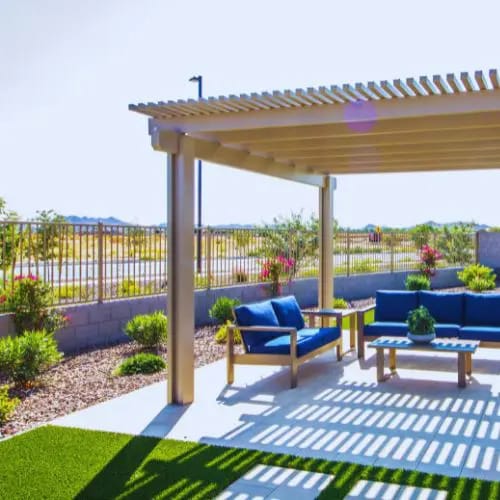
A pergola can provide shade, define a gathering area, and make a backyard more inviting. Like other exterior features, however, it is continuously exposed to sunlight, moisture, wind, dirt, and changing temperatures. Regular pergola maintenance helps protect the structure’s appearance, stability, and long-term performance.
The ideal maintenance routine depends on the pergola’s material and design. Wooden pergolas may require sealing or staining, while aluminum pergolas generally need less upkeep but should still be cleaned and inspected. Following a consistent schedule can help homeowners identify minor concerns before they turn into more extensive repairs.
Why Pergola Maintenance Is Important
Even a professionally installed pergola can experience wear over time. Dirt may collect on the roof and beams, fasteners can loosen, finishes may fade, and moisture can affect vulnerable materials.
Routine pergola maintenance can help:
- Preserve the structure’s appearance
- Identify loose or damaged components
- Reduce moisture-related deterioration
- Protect wood finishes
- Keep moving parts operating properly
- Maintain comfortable and attractive outdoor living spaces
- Prevent debris from blocking drainage systems
- Address small problems before they become larger
Maintenance also gives homeowners an opportunity to inspect surrounding patios, lighting, furniture, landscaping, and drainage.
Inspect Your Pergola Regularly
A visual inspection should be completed periodically and after severe weather. Walk around the structure and look closely at its posts, beams, rafters, roof components, and connection points.
Watch for:
- Loose bolts, screws, or brackets
- Cracked, split, or warped wood
- Peeling paint or stain
- Rust or corrosion
- Dents or bent metal components
- Water stains or persistent dampness
- Sagging beams or roof sections
- Damage around post bases
- Clogged gutters or drainage channels
- Unusual movement or instability
Avoid climbing on the pergola unless it was specifically designed to support that activity. Contact a professional if the structure appears unstable or has significant damage.
Keep the Structure Clean
Dirt, pollen, leaves, bird droppings, and other debris can collect on a pergola. Regular cleaning improves its appearance and makes it easier to notice developing problems.
Begin by removing loose debris with a soft broom or brush. Most structures can then be washed with water and a mild cleaning solution suitable for the material. Use a soft cloth, sponge, or nonabrasive brush to avoid scratching the finish.
Rinse away cleaning products thoroughly. Harsh chemicals and abrasive tools may damage wood coatings, painted surfaces, or powder-coated aluminum.
Pressure washing should be approached cautiously. Excessive pressure can damage soft wood, remove protective finishes, force water into joints, or harm surrounding surfaces.
Pergola Maintenance for Wooden Structures
Wooden pergolas provide warmth and natural character, but they typically require more maintenance than metal systems. Sunlight and moisture can cause wood to fade, crack, warp, or develop surface deterioration.
Check for Moisture Damage
Inspect posts, joints, and areas near the ground for discoloration, softness, swelling, or other signs of moisture exposure. Pay particular attention to places where water collects or where plants prevent the wood from drying.
Drainage problems should be corrected promptly. Persistent moisture can shorten the life of wooden components and finishes.
Look for Insect Activity
Small holes, sawdust-like material, hollow-sounding wood, or visible insects may indicate pest activity. Because insects can affect the strength of the structure, suspected damage should be evaluated by an appropriate professional.
Reapply Stain, Paint, or Sealer
Protective coatings help reduce the effects of sunlight and moisture. The reapplication schedule depends on the wood species, product, climate, and amount of exposure.
Before applying a new finish, the wood may need to be cleaned, dried, lightly sanded, or stripped according to the product instructions. Applying a coating over dirty or damp wood can lead to uneven results and poor adhesion.
Repair Small Cracks Early
Minor surface checking may occur as wood naturally expands and contracts. Larger cracks, rot, or damage near structural connections require closer attention. A professional can determine whether the affected component should be repaired or replaced.
Pergola Maintenance for Aluminum Structures
Aluminum pergolas resist rot and insect damage and generally require less upkeep than wood. They still need routine cleaning and inspection to remain attractive and functional.
Wash Powder-Coated Surfaces
Clean aluminum with water, mild soap, and a soft cloth or sponge. Avoid steel wool, abrasive powders, and aggressive chemicals that could scratch or discolor the finish.
Pay extra attention to joints, corners, and roof channels where dirt may accumulate.
Inspect the Finish
Scratches or chips should be evaluated before they worsen. Although aluminum itself does not rust like steel, damaged finishes may affect the structure’s appearance and expose other components or fasteners to weather.
Check Adjustable Louvers
If the pergola design includes adjustable louvers, open and close them periodically to confirm smooth operation. Remove leaves and dirt from tracks, hinges, and drainage channels.
Motorized systems should be used and maintained according to the manufacturer’s instructions. Unusual sounds, uneven movement, or repeated stopping may require professional service.
Tighten Loose Hardware Carefully
Wind, temperature changes, and normal use may loosen bolts, screws, brackets, or other connections. Inspect visible hardware and look for gaps, movement, or missing pieces.
Use the correct tools and avoid overtightening, which may strip threads, crush materials, or damage the finish. Structural connections or unfamiliar hardware should be handled by professional outdoor services.
Any recurring looseness may indicate movement, an installation problem, or damage that requires further evaluation.
Keep Gutters and Drainage Channels Clear
Some solid-roof and louvered pergolas include built-in gutters or internal drainage systems. Leaves, dirt, and other debris can block these channels, causing water to overflow or collect around the structure.
Inspect drainage areas periodically and after storms. Make sure water flows away from pergola posts, patios, foundations, and nearby landscaping.
Standing water around the base may indicate grading or drainage problems that should be corrected.
Maintain Pergola Lighting and Electrical Features
Lighting improves the comfort and usability of outdoor living spaces, but exterior electrical components require periodic inspection.
Check for:
- Loose fixtures
- Damaged covers
- Exposed or sagging wires
- Water inside fixtures
- Flickering lights
- Corroded connections
- Damaged switches or controls
Turn off power before changing bulbs or performing basic fixture care. Repairs involving wiring, permanent connections, or water exposure should be completed by a qualified electrical professional.
Care for Curtains, Canopies, and Screens
Retractable canopies, curtains, and side screens may collect dust, pollen, mildew, and stains. Follow the manufacturer’s cleaning instructions because care requirements vary by fabric and coating.
Allow fabric components to dry completely before retracting or storing them. Remove or secure loose accessories when severe weather is expected.
Inspect tracks, mounting points, and fasteners to confirm that the shade system remains securely attached.
Trim Plants Around the Pergola
Climbing vines and surrounding landscaping can make pergolas feel more integrated with the yard. However, uncontrolled plant growth may trap moisture, add weight, block drainage, or interfere with moving roof components.
Trim plants regularly and remove dead growth. Do not allow roots or branches to damage pergola footings, electrical wiring, roof systems, or nearby patios.
When selecting vines for a new outdoor living design, consider their mature size, growth rate, maintenance needs, and potential effect on the pergola material.
Maintain Artificial Turf Around the Structure
If the pergola is surrounded by artificial turf, keep the area free of leaves and debris. Brush flattened fibers as needed and rinse spots according to the turf manufacturer’s care recommendations.
Inspect edges around posts, patios, and walkways. Loose seams, lifted edges, or uneven areas may create tripping hazards and should be repaired.
Quality turf installation includes proper base preparation and drainage. If water repeatedly collects around the pergola, the cause should be investigated rather than covered with additional material.
Protect Furniture and Accessories
Outdoor furniture, planters, grills, heaters, and decorative features can affect pergola maintenance. Heavy objects should not lean against posts or block drainage areas.
Use protective pads where furniture contacts finished surfaces. Position grills and heaters with appropriate clearance from wood, fabric, plants, and roof components. Always follow the equipment manufacturer’s safety requirements.
Removing unnecessary clutter also makes cleaning and inspections easier.
Prepare the Pergola for Severe Weather
Before strong winds or storms, secure or remove loose objects such as curtains, cushions, decorations, and lightweight furniture. Retractable canopies should be placed in the manufacturer-recommended position.
After severe weather, inspect the pergola for:
- Loose connections
- Bent or shifted components
- Roof damage
- Fallen branches
- Clogged drainage
- Damaged lights or wiring
- Movement around the post bases
Do not use the pergola if there are signs of structural instability.
Follow a Simple Maintenance Schedule
A practical pergola maintenance schedule may include:
Monthly
- Remove leaves and loose debris
- Check for stains or standing water
- Inspect curtains and accessories
- Confirm that lighting works properly
Seasonally
- Wash the structure
- Inspect posts, beams, rafters, and hardware
- Clear gutters and drainage channels
- Trim surrounding plants
- Test louvers, canopies, and screens
Annually
- Arrange a more detailed inspection
- Evaluate wood stain, paint, or sealer
- Check structural connections
- Inspect electrical components
- Repair damaged finishes or materials
Maintenance frequency may need to increase when the pergola is exposed to heavy vegetation, frequent storms, intense sunlight, or high moisture.
Know When to Call a Professional
Some cleaning and visual inspections can be completed by homeowners, but structural and electrical work should be left to qualified professionals.
Request professional help if you notice:
- Significant wood rot
- Sagging or cracked beams
- Loose posts
- Major corrosion
- Repeated water accumulation
- Damaged footings or anchors
- Faulty motorized louvers
- Exposed electrical wiring
- Movement during windy conditions
Professional inspection and timely repair can help preserve the original pergola design and protect the surrounding outdoor area.
Maintain Your Pergola With Emerson Pro Services
Consistent pergola maintenance helps protect the comfort, appearance, and durability of your outdoor structure. Whether your property has a traditional wooden pergola or a modern aluminum pergola, regular cleaning and inspections can reduce unnecessary deterioration.
Emerson Pro Services provides professional outdoor services for maintaining and improving functional outdoor living spaces. Our team can evaluate pergola concerns, recommend practical repairs, and help coordinate features such as shade, lighting, landscaping, and artificial turf. Contact Emerson Pro Services to keep your outdoor structure looking and performing its best.
For more outdoor living projects and expert advice, contact Emerson Turf & Outdoor Living in Dallas, TX. Visit our website at Emerson Turf & Outdoor Living or call us at 972-316-4259 to learn more about our services and how we can help you transform your outdoor space.
Frequently Asked Questions About Pergola Maintenance
How often should a pergola be cleaned?
Most pergolas benefit from light cleaning whenever debris accumulates and a more thorough cleaning seasonally. Structures located beneath trees or exposed to frequent storms may need more frequent attention.
How often should a wooden pergola be sealed or stained?
The schedule depends on the wood, coating, weather exposure, and product instructions. Inspect the finish annually and reapply protection when it begins to fade, peel, or stop repelling moisture effectively.
Are aluminum pergolas maintenance-free?
No. Aluminum pergolas require less maintenance than many wooden structures, but they should still be washed, inspected, and kept free of debris. Louvers, gutters, fasteners, and motorized components also require attention.
Can I pressure-wash my pergola?
Pressure washing may damage wood fibers, coatings, seals, and surrounding surfaces if the pressure is too high. Mild soap, water, and a soft brush are often safer. Follow the manufacturer’s care instructions.
Should plants be allowed to grow over a pergola?
Climbing plants can provide beauty and filtered shade, but they must be controlled. Excessive growth may trap moisture, add weight, hide damage, or interfere with louvers and drainage.
When should a pergola be professionally inspected?
Arrange an inspection if the pergola moves, sags, develops significant cracks or corrosion, has damaged anchors, or shows signs of structural deterioration. An inspection is also sensible after a severe storm.