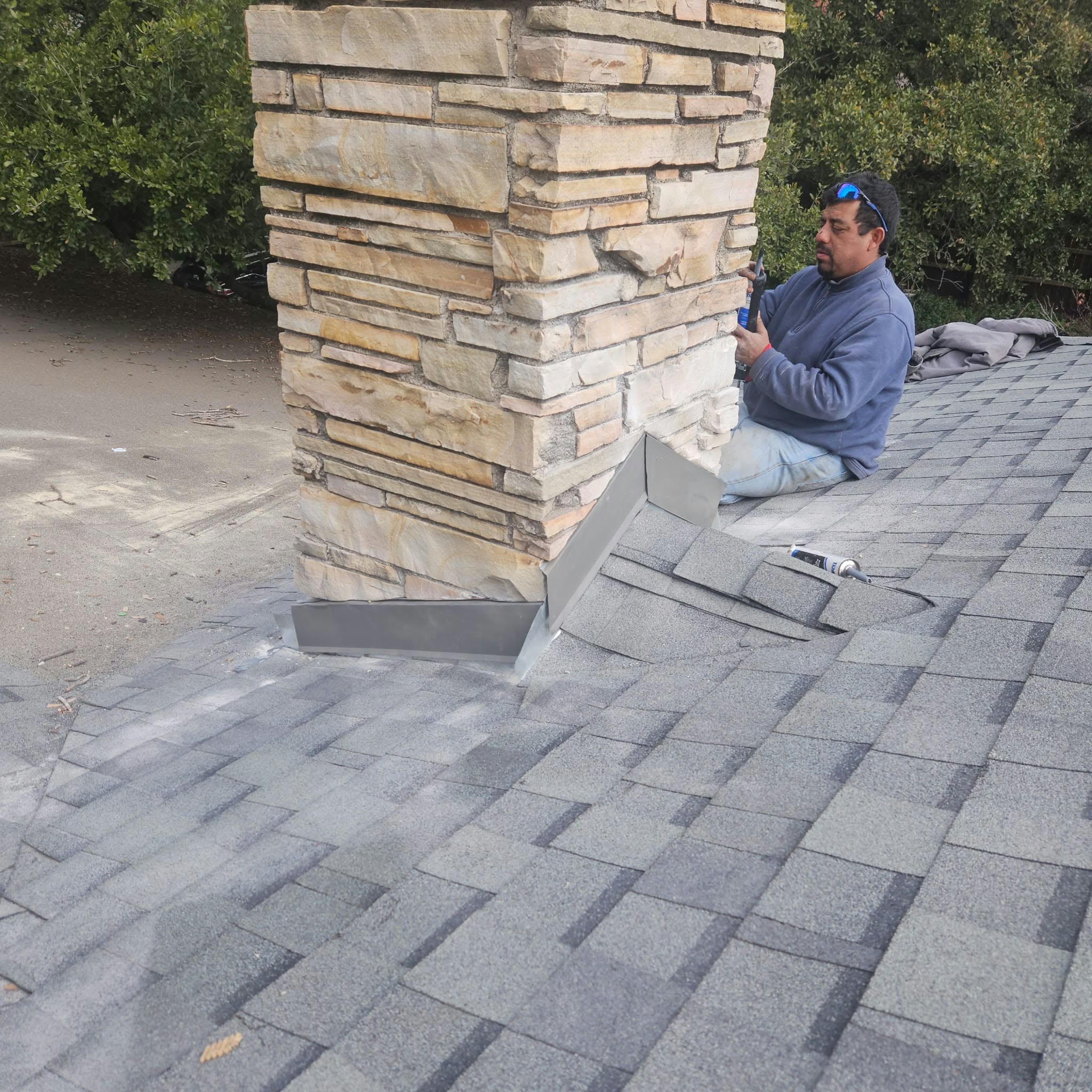


Regular chimney maintenance can help New Jersey homeowners identify creosote buildup, moisture intrusion, damaged masonry, failing flashing, and deteriorated fireplace components before they develop into urgent problems. Although a chimney may appear durable from the ground, much of the system is exposed to rain, snow, freezing temperatures, combustion byproducts, and repeated temperature changes.

Minor defects are often more manageable when found early. A small crown crack, loose chimney cap, or deteriorated mortar joint may eventually contribute to water damage, structural deterioration, smoke problems, or an unusable fireplace if it remains unaddressed.
Why Chimney Maintenance Matters in New Jersey
New Jersey chimneys experience demanding seasonal conditions. Rain and snow expose masonry to moisture, while repeated freezing and thawing can widen cracks and weaken bricks, mortar, and chimney crowns.
Weather-related risks may include:
- Heavy rainfall
- Snow and ice accumulation
- Freeze-thaw cycles
- Wind-driven rain
- Coastal salt and wind exposure
- Storm debris
- Rapid temperature changes
- Long periods of seasonal fireplace use
The chimney must also manage heat, smoke, soot, and combustion gases. Regular inspections and appropriate chimney cleaning help homeowners monitor both weather-related and operational problems.
What Does Chimney Maintenance Include?
Chimney maintenance is not one specific service. It is a combination of inspections, cleaning, repairs, moisture control, and safe fireplace operation.
A maintenance visit may include:
- Examining the chimney cap
- Inspecting the chimney crown
- Checking exterior bricks and mortar
- Evaluating roof flashing
- Looking for signs of water entry
- Inspecting accessible flue components
- Checking the firebox and smoke chamber
- Testing damper operation
- Identifying soot or creosote buildup
- Looking for animal nesting or debris
- Reviewing fireplace-use concerns
- Recommending repairs based on visible conditions
The exact scope depends on the chimney type, connected appliance, fuel, previous repairs, and current symptoms.
How Small Chimney Problems Become Emergencies
Chimney emergencies rarely begin as large, obvious failures. Many start with a small defect that becomes worse through repeated exposure to moisture, heat, or combustion deposits.
For example:
- A small crack forms in the chimney crown.
- Rainwater enters the opening.
- The water freezes and expands.
- The crack grows.
- Moisture reaches the bricks and mortar below.
- Masonry begins to spall or loosen.
- Water eventually enters the fireplace or nearby building materials.
- More extensive chimney repair becomes necessary.
Routine maintenance is designed to interrupt this process before damage spreads.
Maintenance Helps Reduce Chimney Fire Risks
Wood-burning fireplaces can produce creosote, a combustible residue that accumulates inside the chimney. The rate of buildup depends on the fuel, fireplace operation, flue temperature, airflow, and frequency of use.
Potential warning signs include:
- Strong smoky odors
- Black or glazed deposits
- Reduced draft
- Smoke entering the room
- Excessive soot
- Flue obstructions
- Unusual sounds during a fire
Professional chimney cleaning removes deposits when needed. However, cleaning frequency should be based on the system’s condition and use rather than an assumption that every chimney accumulates deposits at the same rate.
A chimney fire may produce:
- A loud roaring or rumbling sound
- Intense heat
- Flames or sparks from the chimney
- Dense smoke
- A strong burning odor
- Cracking or popping sounds
If a chimney fire is suspected, occupants should leave the home, contact emergency services, and avoid using the fireplace again until the system has been professionally evaluated.
Maintenance Identifies Chimney Leaks Early
Water is one of the most common causes of chimney deterioration. It may enter through the cap, crown, flashing, flue opening, masonry, or nearby roof.
Early leak indicators include:
- Dampness inside the firebox
- Rusted dampers
- White staining on exterior bricks
- Musty odors
- Dark masonry stains
- Peeling interior paint
- Ceiling stains near the chimney
- Wet attic insulation
- Deteriorated mortar
- Spalling bricks
Prompt chimney leak repair can limit the amount of water reaching the masonry, roof deck, framing, insulation, and interior finishes.
Waiting until water drips into the living space may allow hidden damage to continue for months.
Maintenance Protects the Chimney Crown
The chimney crown covers the masonry at the top of the chimney and directs water away from the flue and exterior walls.
Maintenance can identify:
- Hairline crown cracks
- Large structural cracks
- Missing crown sections
- Poor drainage slope
- Separation around the flue
- Insufficient overhang
- Failed previous patches
- Loose surface material
Small cracks may sometimes be repairable when the crown remains sound. Extensive deterioration, improper construction, or repeated repair failure may require crown rebuilding.
A damaged crown should be addressed before moisture spreads into the masonry below.
Maintenance Helps Prevent Chimney Cap Problems
A chimney cap helps prevent direct entry of rain, snow, animals, leaves, and larger debris. It may also include screening that helps control sparks and animal access.
Routine evaluation can find:
- Loose fasteners
- Rust or corrosion
- Damaged screening
- Storm damage
- An incorrect fit
- Missing sections
- A completely missing cap
Replacing or repairing a damaged cap is often less disruptive than removing an animal nest, correcting extensive water damage, or repairing a blocked flue.
Maintenance Protects Chimney Flashing
Flashing seals the joint where the chimney passes through the roof. When flashing separates, corrodes, or is installed incorrectly, water can enter the roof assembly.
Signs of flashing trouble may include:
- Ceiling stains near the chimney
- Damp attic framing
- Wet insulation
- Loose metal
- Open seams
- Deteriorated sealant
- Gaps between flashing and masonry
- Leaks during wind-driven rain
Early flashing repair may help prevent damaged roof decking, ceiling repairs, mold growth, and widespread moisture problems.
Applying caulk over visible gaps may provide only temporary protection if the underlying flashing system has failed.
Maintenance Slows Masonry Deterioration
Brick and mortar are durable, but they are not immune to moisture and weathering. Regular inspections can identify deterioration while it remains localized.
Common masonry concerns include:
- Cracked bricks
- Spalling brick surfaces
- Missing mortar
- Recessed joints
- Loose masonry
- White mineral deposits
- Leaning or separation
- Previous patches that are failing
Localized repointing or brick replacement may prevent damaged areas from expanding. If deterioration spreads through several masonry courses, partial rebuilding may become necessary.
Maintenance Protects Fireplace Masonry
Water, heat, age, and repeated use can affect the firebox, smoke chamber, and surrounding fireplace masonry.
Warning signs may include:
- Cracked firebrick
- Missing mortar
- Loose masonry
- Rusted metal components
- Dark stains
- Falling material
- Smoke escaping through gaps
- Water inside the firebox
Fireplace repairs require materials and methods appropriate for high-temperature applications. General-purpose mortar or household caulk should not be used as a substitute for suitable fireplace materials.
Early repair may keep localized damage from spreading into adjacent components.
Maintenance Can Reveal Flue Liner Damage
A flue liner helps contain heat, smoke, and combustion gases. Depending on the chimney, it may be made from clay tile, metal, or another approved lining material.
Possible signs of liner trouble include:
- Pieces of clay tile in the firebox
- Visible gaps or cracks
- Smoke entering the home
- Deterioration identified during camera inspection
- Excessive condensation
- Corrosion
- Damage following a chimney fire
A damaged liner may create serious safety concerns. The fireplace or connected appliance should not be used until the condition has been evaluated and appropriate recommendations have been provided.
Chimney Cleaning vs. Chimney Maintenance
Chimney cleaning is one part of maintenance, but the terms are not interchangeable.
Chimney Cleaning
Cleaning focuses on removing:
- Creosote
- Soot
- Animal nesting
- Leaves
- Certain obstructions
- Loose debris
Chimney Maintenance
Maintenance may include:
- Inspection
- Cleaning when needed
- Cap and crown evaluation
- Flashing checks
- Masonry repairs
- Leak detection
- Waterproofing
- Damper service
- Firebox repairs
- Liner evaluation
- Monitoring previous work
A clean chimney may still have a cracked crown, failed flashing, or damaged liner. Similarly, a repaired crown does not remove combustible deposits from the flue.
The Role of Chimney Waterproofing
Professional chimney waterproofing may help reduce the amount of liquid water absorbed by suitable exterior masonry.
A chimney water repellent should generally be breathable, allowing water vapor to escape. Ordinary paint or a non-breathable coating may trap moisture inside the masonry and contribute to deterioration.
Waterproofing should be considered only after problems such as these have been corrected:
- Missing mortar
- Spalled bricks
- Crown cracks
- Failed flashing
- Loose masonry
- Damaged caps
- Active structural movement
Waterproofing is a preventive treatment. It cannot stabilize loose bricks or replace physical repairs.
Maintenance Helps Prevent Animal and Debris Blockages
Birds, squirrels, raccoons, and other animals may enter an uncapped or damaged chimney. Leaves, twigs, and nesting material can also restrict the flue.
An obstruction may cause:
- Smoke to enter the home
- Poor draft
- Strong odors
- Unusual noises
- Combustion-gas concerns
- Debris falling into the fireplace
- Damage to the chimney cap or liner
Animal removal may be subject to wildlife protections and seasonal restrictions. After removal, the chimney should be evaluated for damage and fitted with an appropriate cap when suitable.
Maintenance Supports Proper Draft
A chimney needs adequate airflow to move combustion gases outside. Draft problems can result from obstructions, deposits, damaged components, indoor air pressure, unsuitable flue sizing, or changes to the home.
Warning signs include:
- Smoke entering the room
- Difficulty starting a fire
- Flames that burn poorly
- Strong fireplace odors
- Soot around the fireplace opening
- Problems that occur when exhaust fans operate
Maintenance may identify visible causes, but some draft problems require a more detailed evaluation of the complete fireplace and venting system.
When Chimney Problems Require Immediate Attention
Stop using the fireplace or connected appliance if you notice:
- A carbon monoxide alarm
- A strong gas odor
- Smoke repeatedly entering the home
- Flames or sparks coming from the chimney
- A roaring sound inside the flue
- Falling liner fragments
- A blocked chimney
- Major firebox cracks
- Loose masonry falling from the chimney
- A leaning or unstable chimney
- Evidence of a recent chimney fire
A carbon monoxide alarm or gas odor should be treated as an emergency. Leave the affected area and follow guidance from emergency services or the appropriate utility provider.
How Often Should Chimney Maintenance Be Scheduled?
The appropriate schedule depends on:
- Fuel type
- Frequency of use
- Chimney design
- Previous problems
- Exposure to weather
- Age and condition
- Type of connected appliance
- History of water intrusion
- Recent storms or chimney fires
Homeowners should arrange an inspection whenever problems appear and consider regular evaluation before periods of frequent fireplace use.
Additional service may be appropriate after:
- Severe storms
- Lightning strikes
- Chimney fires
- Roof replacement
- Chimney reconstruction
- Appliance replacement
- Long periods without use
- Animal entry
- New water stains
- Visible masonry damage
A Seasonal Chimney Maintenance Checklist
Spring
Spring is a useful time to look for winter damage.
Check for:
- Cracked crowns
- Spalling bricks
- Loose mortar
- Storm-damaged caps
- Water stains
- Debris accumulation
- Rusted components
Summer
Dryer weather may provide a practical opportunity for:
- Masonry repair
- Crown rebuilding
- Flashing work
- Waterproofing
- Chimney cap replacement
- Firebox repair
Weather and material requirements still affect scheduling.
Fall
Before increased fireplace use:
- Arrange an inspection
- Schedule cleaning if deposits require removal
- Confirm the damper operates
- Check smoke and carbon monoxide alarms
- Remove combustibles from the hearth area
- Review safe fireplace operation
Winter
During the heating season:
- Watch for smoke spillage
- Monitor unusual odors
- Check for leaks after snowmelt
- Keep the fireplace area clear
- Stop using the system if unsafe symptoms appear
Maintenance vs. Emergency Chimney Repair
Routine maintenance gives homeowners more time to compare estimates, understand the repair scope, and schedule work under suitable conditions. Emergency repairs may involve active leaks, structural instability, chimney-fire damage, or a fireplace that can no longer be used safely.
Planned maintenance may identify:
- A minor crown crack
- One or two damaged bricks
- Early mortar erosion
- Loose flashing
- A corroded cap
- Moderate deposit buildup
Delayed repairs may lead to:
- Widespread masonry failure
- Extensive roof damage
- Large interior leaks
- Partial chimney rebuilding
- Damaged flue liners
- Emergency water control
- Sudden loss of fireplace use
Maintenance cannot prevent every storm-related or unexpected event, but it can reduce avoidable emergencies caused by gradual deterioration.
What Affects the Cost of Chimney Maintenance?
Maintenance costs depend on the system and services required. Important factors include:
- Chimney height
- Roof pitch
- Accessibility
- Fuel type
- Amount of soot or creosote
- Number of flues
- Inspection level
- Crown and cap condition
- Masonry deterioration
- Flashing complexity
- Need for specialized equipment
- Water damage
- Liner condition
- Previous repair quality
A written estimate should separate inspection, cleaning, repair, waterproofing, and optional work so homeowners understand what is included.
Questions to Ask a Chimney Service Provider
Before approving work, ask:
- What defects were found?
- Can the damaged areas be shown in photographs?
- Which repairs are urgent?
- Which items are preventive?
- Is chimney cleaning necessary?
- Where is water entering?
- Are the crown, cap, and flashing all being evaluated?
- Does the liner require further inspection?
- What materials will be used?
- Are permits or additional inspections required?
- What is included in the warranty?
- What maintenance will be needed afterward?
Clear documentation makes it easier to compare providers of chimney services in New Jersey.
Choosing Chimney and Fireplace Services in New Jersey
A professional provider should evaluate the chimney as a complete system rather than focusing on one visible symptom.
Look for:
- Experience with comparable chimney systems
- Appropriate insurance
- Safe roof-access procedures
- Detailed inspection findings
- Photographs of damage
- Written recommendations
- Clear repair scopes
- Suitable masonry and fireplace materials
- Defined warranty terms
- A plan for unexpected conditions
- Guidance on future maintenance
When comparing fireplace services in New Jersey, confirm that the provider can evaluate the firebox, smoke chamber, damper, masonry, and other interior components in addition to the exterior chimney.
Schedule Chimney Maintenance in New Jersey
Consistent chimney maintenance helps homeowners identify leaks, deposits, masonry deterioration, crown damage, and flashing defects before they become urgent. It can also provide greater confidence that the chimney and fireplace are ready for seasonal use.
Emerson Pro Services provides chimney and fireplace services throughout New Jersey, including chimney repair, chimney cleaning, chimney leak repair, fireplace masonry work, chimney waterproofing, and ongoing maintenance.
Call Emerson Pro Services at 732-647-9850, visit emersonproservices.com, or request service at 769 Route 9, Unit 3A, Bayville, New Jersey 08721.
Frequently Asked Questions
How does chimney maintenance prevent emergency repairs?
Maintenance identifies developing problems such as crown cracks, loose flashing, damaged caps, creosote buildup, and deteriorated mortar before they spread or make the fireplace unsafe to use.
Is chimney cleaning considered maintenance?
Yes. Cleaning is one part of chimney maintenance. A complete maintenance plan may also include inspection, masonry repair, leak detection, flashing evaluation, waterproofing, and fireplace-component checks.
How often should a chimney be inspected?
The appropriate schedule depends on the fuel, fireplace use, chimney condition, and previous problems. Inspection is also important after chimney fires, severe storms, animal entry, roof work, or visible leaking.
Can chimney waterproofing prevent emergency leaks?
Waterproofing can reduce water absorption through suitable masonry, but it cannot repair damaged flashing, crown cracks, missing mortar, or loose bricks. Necessary repairs should be completed first.
What chimney problems require immediate attention?
Stop using the fireplace if smoke enters the home, a carbon monoxide alarm activates, liner pieces fall into the firebox, the chimney appears unstable, or there are signs of a chimney fire or blocked flue.
Can regular maintenance prevent every chimney repair?
No. Chimneys still experience age, weather, storms, and normal wear. Maintenance helps detect deterioration early and may reduce avoidable emergency work, but it cannot prevent every problem.
Does a gas fireplace need chimney maintenance?
A gas fireplace or appliance may still require inspection of its venting system, chimney, liner, cap, and related components. Maintenance needs depend on the specific system and manufacturer requirements.
What should a chimney maintenance estimate include?
The estimate should identify inspection, cleaning, repairs, materials, access requirements, waterproofing, exclusions, warranty terms, and any additional work that may be needed if hidden damage is found.