

Choosing the right masonry material is essential when building or repairing an exterior feature in Carrollton. Brick, natural stone, manufactured stone, concrete block, pavers, and mortar can all perform well, but each responds differently to heat, moisture, soil movement, impact, and daily use.
North Texas weather includes intense sunlight, long periods of heat, heavy thunderstorms, wind-driven rain, hail, sudden temperature changes, and occasional freezes. Carrollton properties may also experience movement related to expansive clay soil. Materials and installation methods should be selected with these local conditions in mind.
The best choice depends on where the material will be used, how much weight it must support, the amount of water exposure, the desired appearance, and the level of maintenance the homeowner is prepared to complete.
Why Texas Weather Affects Masonry Selection
Masonry is durable, but it is not completely unaffected by the surrounding environment. Heat causes materials to expand, while cooling causes them to contract. Brick, stone, mortar, concrete, steel, and sealants may move at different rates.
Water can enter porous masonry materials or travel through cracks and deteriorated joints. If the wall, patio, or retaining wall lacks adequate drainage, moisture can cause staining, efflorescence, corrosion, settlement, and material deterioration.
Occasional freezing temperatures create another concern. Water absorbed into masonry can expand when it freezes, placing pressure on the surrounding material. Although extended freezing conditions are less common in Carrollton than in northern climates, materials should still be suitable for exterior exposure and periodic freezes.
Selecting the right product is important, but proper foundations, flashing, drainage, joint design, and installation are just as critical.
What Makes a Goo Masonry Material for Carrollton?
A suitable exterior material should be rated for its intended use and exposure. Wall veneer, load-bearing construction, retaining walls, patios, driveways, chimneys, and fire features do not have identical requirements.
Homeowners and contractors should consider strength, absorption, surface temperature, slip resistance, dimensional consistency, color stability, maintenance, repairability, and compatibility with adjacent materials.
The selected materials should also be appropriate for the supporting base. A durable paver may still settle if installed over poorly compacted soil. A premium brick wall may crack if movement joints, flashing, or foundation support are inadequate.
Clay Brick
Clay brick is one of the most common masonry materials used on North Texas homes. It offers a traditional appearance, broad color selection, fire resistance, and long-term durability when installed correctly.
Brick can perform well through high temperatures and intense sunlight. The color is generally part of the fired material rather than a thin surface coating, although appearance varies by product and manufacturing method.
The absorption rate, strength, size, texture, and exposure rating should match the application. Brick intended for interior decoration may not be suitable for an exterior wall, chimney, walkway, or retaining structure.
Homeowners should also distinguish between full-depth brick and thin brick veneer. Full brick and thin brick have different support, fastening, flashing, and installation requirements.
When Brick Is a Good Choice
Brick is appropriate for exterior veneer, garden walls, columns, mailboxes, fireplaces, chimneys, patios, walkways, and other architectural features when the correct brick type and construction method are used.
It is particularly useful when the new work must coordinate with an existing Carrollton home. However, matching older brick can be challenging because colors, sizes, textures, and manufacturing batches change over time.
A close match should be evaluated in natural light. Mortar color and joint profile also affect the finished appearance, so brick selection should not be made independently of the mortar.
Natural stone provides variation in color, texture, pattern, and shape. Limestone, sandstone, granite, slate, and other stone types may be used for walls, veneers, patios, retaining walls, columns, steps, and landscape features.
Each type of stone has different properties. Some stones are dense and highly resistant to wear, while others are more porous or susceptible to surface erosion and staining.
A stone that performs well as vertical veneer may not be suitable for a heavily used walkway. Horizontal applications require attention to abrasion resistance, slip resistance, water absorption, surface temperature, and drainage.
Stone should be selected according to the specific project rather than relying on appearance alone.
Limestone in North Texas Masonry
Limestone is popular in Texas because of its natural color and compatibility with brick, stucco, wood, and traditional architecture. It can create an attractive finish for facades, columns, garden walls, fireplaces, and landscape features.
However, limestone varies considerably in density, porosity, texture, and durability. Some varieties absorb more moisture and may stain or weather faster in exposed locations.
The installer should verify that the selected stone is appropriate for exterior use and the intended orientation. Horizontal caps and ledges need effective slope, overhangs, and drip details so water does not remain on the surface or run continuously down the wall.
Sandstone
Sandstone provides warm colors and natural texture, making it popular for patios, walkways, walls, and landscape features. Its performance depends on the stone’s density, mineral composition, and exposure rating.
Some sandstone products are relatively porous. Proper drainage and compatible installation materials are particularly important in areas exposed to regular rainfall or irrigation.
Stone used for paving should have an appropriate surface texture for walking. A finish that looks attractive when dry may become slippery when wet.
Granite
Granite is dense, strong, and resistant to abrasion. It can be a good choice for steps, pavers, wall accents, countertops, and high-traffic exterior surfaces.
Its density and weight can make fabrication and installation more demanding. Granite also tends to cost more than many locally available brick, concrete, or softer stone options.
Polished granite may become slippery when wet and can reflect considerable heat in direct sunlight. Exterior granite should have a finish appropriate for the project’s safety and maintenance requirements.
Manufactured Stone Veneer
Manufactured stone veneer is a concrete-based product formed and colored to resemble natural stone. It is lighter than full-depth natural stone and available in consistent shapes, profiles, and color collections.
The lighter weight can simplify certain veneer installations, but manufactured stone must still be installed as a complete weather-resistant assembly. The wall may require a drainage plane, flashing, lath, scratch coat, mortar, weep screed, and correctly detailed transitions.
Water intrusion behind manufactured stone can damage sheathing and framing even when the stone faces appear intact. Windows, doors, roof connections, wall bases, and penetrations require careful flashing.
The product should be rated for exterior use, and all components should follow the manufacturer’s installation requirements.
Concrete Masonry Units
Concrete masonry units, commonly called concrete blocks or CMUs, are used for structural walls, foundations, retaining walls, utility buildings, fences, and other residential or commercial construction.
Concrete block is strong and versatile. Depending on the project, the wall may include reinforcement, grout, bond beams, control joints, waterproofing, drainage components, and a decorative finish.
An unfinished block wall is not automatically water-resistant. Below-grade or moisture-exposed applications may require appropriate waterproofing or dampproofing and drainage.
Structural block construction should be designed according to the wall height, loads, soil conditions, exposure, and applicable requirements.
Concrete for Slabs, Patios, and Walkways
Concrete is commonly used for driveways, patios, sidewalks, steps, slabs, foundations, and outdoor living areas. It can provide a durable, continuous surface when the mixture, base, reinforcement, joints, placement, and curing are appropriate.
Hot weather affects fresh concrete. High temperatures, direct sunlight, low humidity, and wind can cause rapid moisture loss and make finishing and curing more difficult. Scheduling, surface protection, mixture design, and curing methods should account for the conditions during installation.
The strength of the finished concrete does not depend on cement content alone. Water-to-cement ratio, aggregates, consolidation, joint placement, curing, and base preparation all influence performance.
Carrollton’s soil conditions should also be considered. Concrete may crack or settle when the supporting soil moves, washes out, or was not adequately prepared.
Concrete Pavers
Concrete pavers are individual manufactured units installed over a prepared base. They are commonly used for patios, walkways, driveways, pool surrounds, courtyards, and outdoor kitchens.
Because the surface consists of separate units, properly installed pavers can accommodate limited movement more effectively than some continuous slabs. Individual damaged pavers may also be removed and replaced without reconstructing the entire area.
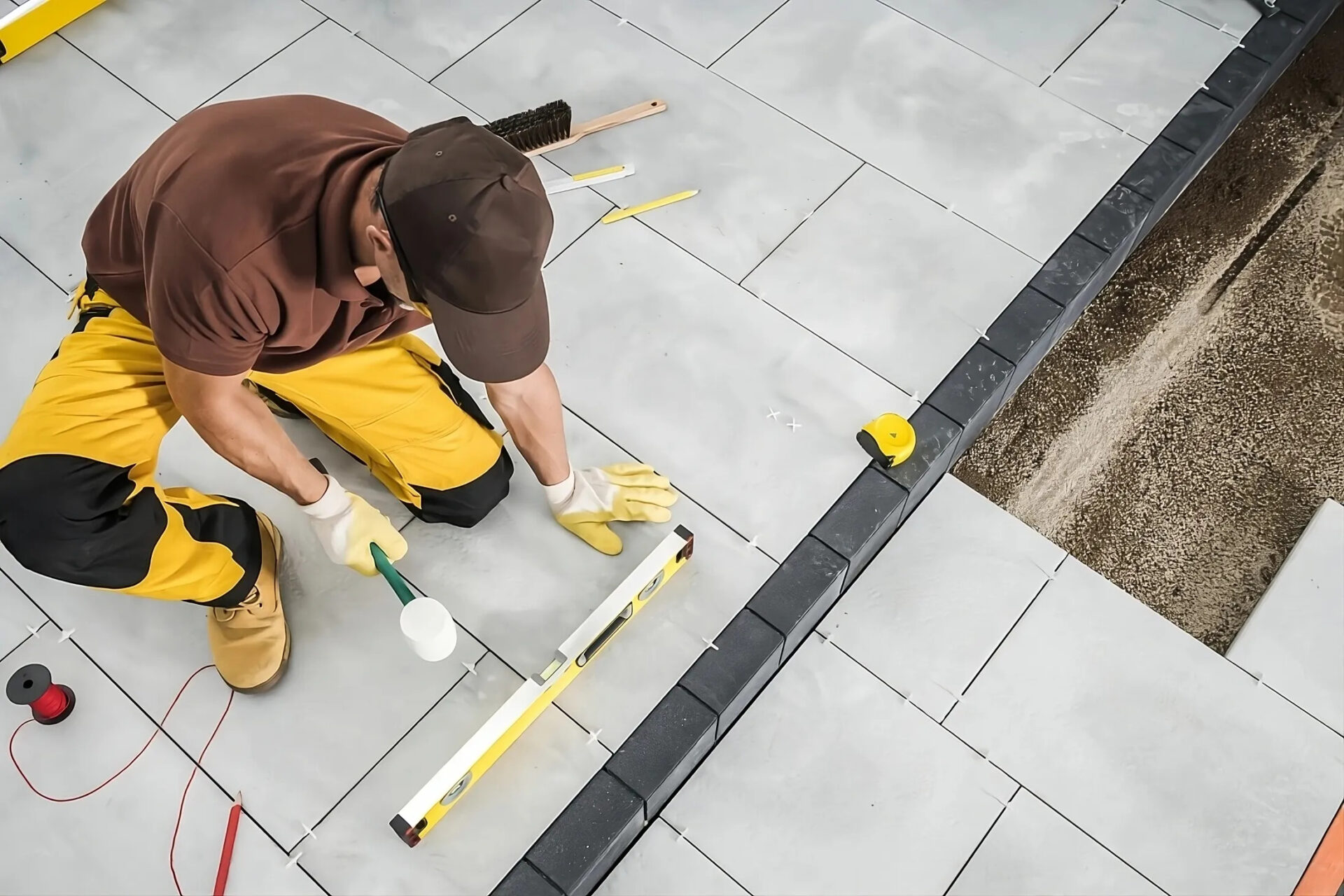
Their performance depends on excavation depth, base material, compaction, bedding, edge restraints, joint material, slope, and drainage. Pavers installed directly over loose soil are likely to settle or move.
Color should also be considered. Dark pavers can become uncomfortable under direct Texas sunlight, while lighter colors may show stains more readily.
Clay Pavers
Clay pavers are fired masonry units specifically manufactured for walking or driving surfaces. They provide rich color and can complement a brick home.
Unlike ordinary wall brick, paving brick must withstand traffic, abrasion, moisture exposure, and ground contact. A wall brick should not be substituted unless the manufacturer confirms that it is suitable for paving.
Clay pavers can be installed in various patterns and may be reused when properly removed. As with concrete pavers, the base and edge restraints are central to long-term performance.
Mortar Is Part of the Material System
Selecting brick or stone without considering mortar can lead to poor results. Mortar bonds masonry units, distributes loads, accommodates limited movement, and helps the assembly manage moisture.
Mortar types vary in strength, flexibility, and composition. The strongest mortar is not automatically the best choice.
Mortar that is significantly harder than the surrounding brick or stone can transfer stress to the masonry units. During movement, the brick may crack while the mortar remains intact.
For masonry repair, the replacement mortar should be compatible with the existing masonry. Color, sand, texture, strength, and joint profile should all be considered.
Selecting Mortar for New Construction
Mortar selection depends on whether the project involves veneer, a structural wall, a retaining wall, a chimney, a below-grade area, or another application.
The design must balance bond strength, compressive strength, flexibility, water retention, workability, and exposure. The masonry units’ absorption characteristics also affect how mortar behaves during installation.
Hot, dry, or windy conditions may cause mortar to lose moisture too quickly. The contractor should adjust work practices to protect the mortar during placement and curing rather than adding uncontrolled amounts of water.
Manufacturer instructions and project specifications should guide the selection and installation process.
Matching Materials During Brick Repair
Matching replacement brick is more complex than choosing a similar color. Size, texture, absorption, shape, and strength can affect both appearance and performance.
A brick that looks correct when dry may appear noticeably different after rain. Mortar color can also change the overall appearance of the repaired area.
When an exact brick is unavailable, a contractor may blend several close matches throughout the repair rather than concentrating visibly different units in one location.
Sound salvaged brick may sometimes be reused, but it must be carefully cleaned and evaluated before installation.
Choosing Materials for Retaining Walls
Retaining walls support soil and must resist lateral pressure. Appropriate materials may include reinforced concrete, concrete masonry units, natural stone, brick-faced structural walls, or segmental retaining-wall blocks.
The visible material is only one part of the system. Footings, reinforcement, wall batter, geogrid, drainage stone, filter fabric, drainpipe, and backfill may be necessary depending on the wall’s height and site conditions.
Water pressure behind a wall can cause cracking, leaning, or failure regardless of how durable the exterior material is. Drainage should be planned at the same time as the wall—not added only after movement appears.
Walls above certain heights or supporting important structures may require professional design and local approval.
Materials for Chimneys and Fireplaces
Chimneys and fireplaces require materials appropriate for heat, weather, combustion, and structural exposure.
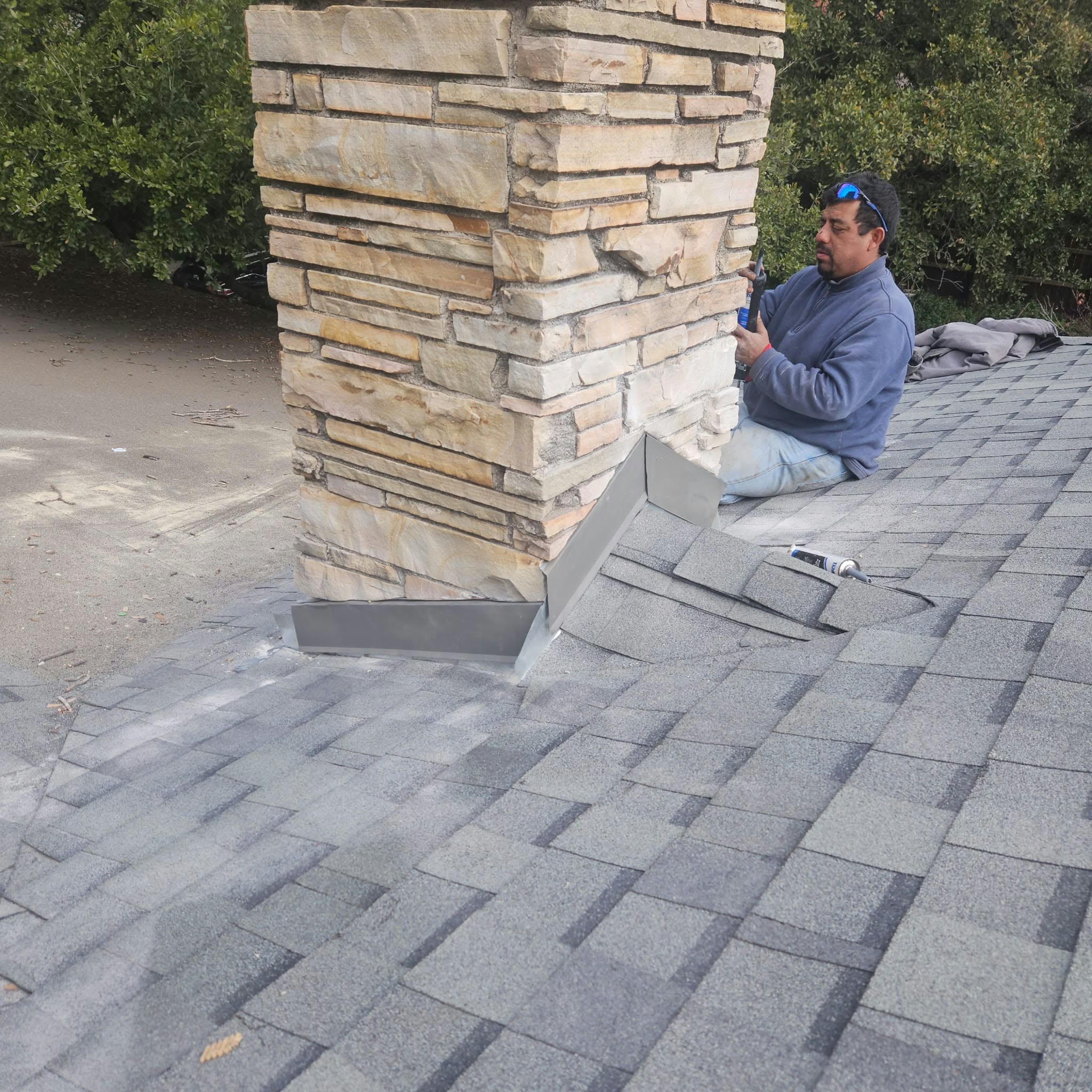
Exterior chimney brick and mortar must tolerate rain, sunlight, and temperature changes. The crown, cap, flashing, and joints should direct water away from the masonry.
Fireboxes and other high-temperature areas require refractory materials designed for direct heat exposure. Standard wall brick, ordinary mortar, or decorative stone should not be assumed suitable for contact with fire.
Outdoor fire features should also be designed with appropriate clearances, fuel considerations, ventilation, drainage, and locally applicable restrictions.
Choosing Materials for Patios and Outdoor Living Areas
Patio materials should be evaluated for heat retention, slip resistance, drainage, stain resistance, maintenance, and compatibility with outdoor furniture and cooking areas.
Dark stone or concrete may become extremely warm in direct sun. Smooth surfaces can be slippery when wet, while heavily textured materials may be more difficult to clean.
Outdoor kitchens require surfaces that can tolerate food stains, grease, moisture, heat, and regular cleaning. Materials near grills and fire features must be suitable for the expected temperatures.
The patio should slope away from the house and toward an appropriate drainage area. Even highly durable paving can create water problems if the finished elevation or slope directs runoff toward the foundation.
Color and Sun Exposure
Texas sunlight can influence both comfort and appearance. Dark materials absorb more solar energy and may become hotter than lighter surfaces.
Color variation should be reviewed outdoors rather than only under showroom lighting. Natural stone, brick, and pavers may look different when wet, in shade, or under direct sun.
Some manufactured products can fade or weather over time. Homeowners should ask how the material’s color is created and whether the manufacturer provides information about exterior UV exposure.
For large surfaces, obtaining full-size samples or constructing a small mockup can help prevent disappointment.
Water Absorption and Drainage
A low-absorption material is not a substitute for proper water management. Exterior walls and hardscapes still require correctly designed flashing, weep openings, drainage planes, slope, caps, and outlets.
Brick veneer is designed to manage some water that passes through the exterior surface. Flashing should collect that moisture and direct it through weep openings.
Patios and walkways should drain away from buildings. Retaining walls should relieve water pressure from the soil behind them.
Material selection and drainage design must work together. Ignoring either part can shorten the life of the project.
Movement Joints and Texas Temperature Changes
Large masonry areas may require control joints, expansion joints, or isolation joints to accommodate movement. Without correctly located joints, stress may create random cracks.
The joint design depends on the material, wall dimensions, openings, corners, support conditions, and exposure. Flexible sealants used in movement joints must also be compatible with the adjacent masonry.
Filling a movement joint with rigid mortar can prevent it from performing as intended. These details should be planned before installation rather than cut into the finished work later.
Avoid Choosing Materials by Price Alone
The lowest-priced material may not deliver the lowest long-term cost. A product may require more maintenance, specialized installation, frequent sealing, or early replacement.
Installation cost also depends on weight, access, cutting, waste, structural support, pattern complexity, and availability. A moderately priced brick or paver with reliable local availability may be easier to match and repair in the future.
Homeowners should compare installed systems rather than material prices alone. The estimate should include preparation, base work, reinforcement, mortar, flashing, drainage, labor, cleanup, and finishing.
Questions to Ask a Masonry Contractor
Before approving the project, ask why the proposed masonry material is suitable for the application and Carrollton’s climate.
Confirm whether the material is rated for exterior use, ground contact, paving, structural loads, or high temperatures as applicable. Ask how water will drain, how movement will be accommodated, and what base or supporting structure is required.
The contractor should also explain the maintenance requirements, repair options, expected color variation, warranty terms, and product availability.
For repair work, ask how new brick, stone, mortar, or concrete will be matched to the existing structure.
Why Professional Installation Matters
A durable material can fail prematurely when installed over an unstable base or combined with incompatible components.
Professional masonry work requires attention to layout, foundations, reinforcement, mortar selection, joint design, flashing, drainage, curing, and protection from weather during construction.
Contractors should also recognize when a project requires engineering, permits, specialized waterproofing, or coordination with roof, foundation, or drainage professionals.
Good installation does not eliminate all future maintenance, but it can reduce preventable cracking, settlement, moisture problems, and early material failure.
Choose Masonry Materials With Emerson Pro Services
Selecting the right masonry material requires balancing appearance, strength, moisture exposure, temperature changes, soil conditions, maintenance, and budget. The best material for a brick facade may not be appropriate for a driveway, retaining wall, chimney, or outdoor fireplace.
Emerson Pro Services provides masonry and paver services in Carrollton, including brick repair, stonework, retaining walls, concrete construction, paver installation, masonry repair, and chimney and flashing repair.
Call Emerson Pro Services at 469-398-8498 or visit 2201 Midway Road, Suite F, Carrollton, TX 75006 to request an inspection and estimate. A professional evaluation can help you select materials and construction methods suited to your property and the demands of North Texas weather.
Frequently Asked Questions
What is the best masonry material for Texas weather?
There is no single best material for every project. Exterior-grade brick, properly selected natural stone, concrete masonry, and quality pavers can all perform well when matched to the application and installed with appropriate drainage, joints, support, and curing.
Is brick suitable for Carrollton homes?
Yes. Clay brick is widely used in Carrollton because it is durable, fire-resistant, and available in many colors and textures. The brick, mortar, flashing, and installation method must be appropriate for the wall design and exposure.
Is natural stone better than manufactured stone?
Natural stone provides genuine variation and may offer excellent durability, but it can be heavier and more expensive. Manufactured stone is lighter and consistent in appearance but requires careful installation and moisture-management details. The better choice depends on the project.
What type of masonry is best for a patio?
Concrete pavers, clay pavers, natural stone, and poured concrete are common options. The best choice depends on heat retention, slip resistance, drainage, maintenance, budget, and expected traffic.
Why does mortar compatibility matter?
Mortar that is too hard or inflexible can transfer stress to softer brick or stone. Compatible mortar supports the masonry while accommodating limited movement and managing moisture appropriately.
What is the best material for a retaining wall?
Options include reinforced concrete, concrete block, natural stone, and segmental retaining-wall units. The correct material depends on the wall height, soil pressure, drainage, structural requirements, and desired appearance.
Should exterior masonry be sealed?
Some masonry may benefit from a compatible breathable water-repellent treatment, but sealing is not always required. A coating should not be used as a substitute for flashing, drainage, mortar repair, or crack correction.
How can I prevent masonry materials from cracking?
Proper base preparation, reinforcement, compatible mortar, movement joints, drainage, curing, and professional installation can reduce preventable cracking. However, no exterior masonry system can be guaranteed never to develop a crack.